Regional Expansion in Porto and Faro Amid Lisbon’s Infrastructure Impasse
The Portuguese aviation landscape is set for a significant transformation during the Summer 2026 season.
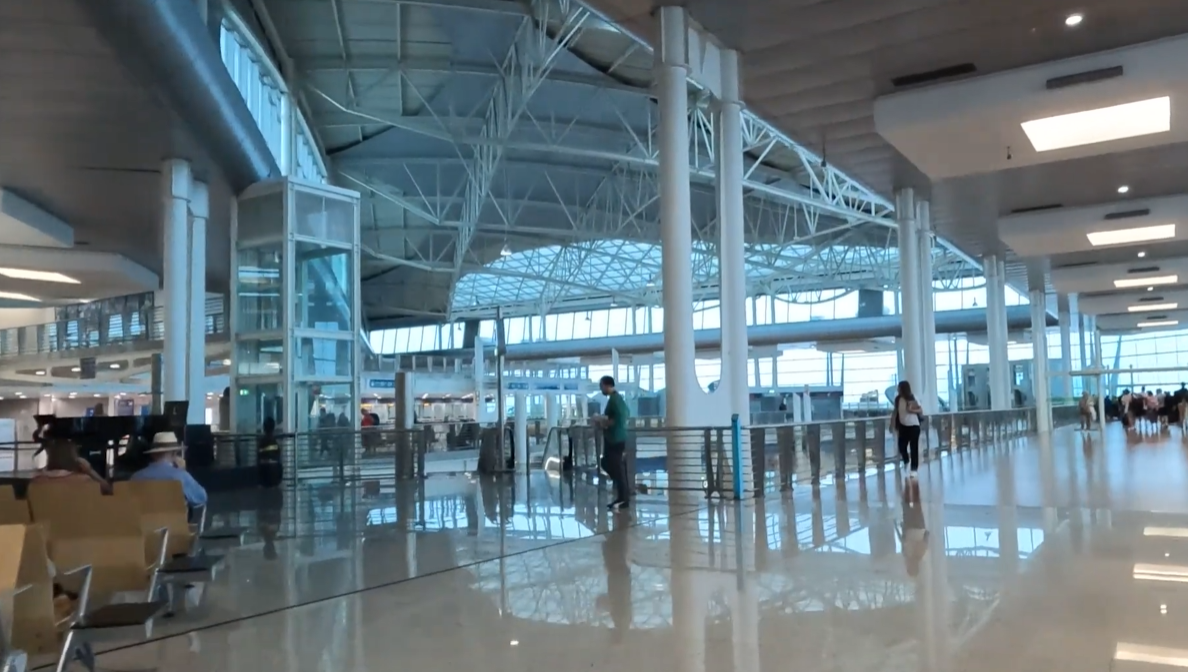
This expansion offers autonomous travelers enhanced direct access to emerging European and African destinations, driven by a $3 billion investment in national infrastructure. Regional Expansion in Porto and Faro is expected to play a key role in broadening travel options within Portugal and beyond.
For the sophisticated traveler, these developments translate into streamlined logistics and reduced transit times. The introduction of direct corridors from regional hubs allows for a more efficient exploration of the continent, bypassing traditional bottlenecks.
Regional Hub Expansion: Porto and Faro
Strategic growth is currently concentrated in regional airports, where operational flexibility permits the introduction of new direct links.
Francisco Sá Carneiro Airport (OPO) continues to solidify its status as a premier international hub with the addition of three strategic routes:
- Warsaw, Poland: A direct link to Central Europe’s economic and cultural heart.
- Gothenburg, Sweden: Providing streamlined access to the Scandinavian market.
- Rabat, Morocco: A significant expansion into North Africa, offering a gateway to imperial history.
The airport will maintain a robust base of 12 aircraft to support these operations.
In the Algarve, the focus remains on increasing capacity and diversifying the visitor profile.
- Fleet Increase: The addition of one aircraft brings the total based in Faro to 12.
- New Route: A new direct service to Warsaw facilitates easier access for Eastern European travelers.
The Lisbon Stagnation
In stark contrast to regional growth, Lisbon’s Portela Airport (LIS) faces significant operational hurdles.
Travelers utilizing the capital’s main airport should expect a static environment regarding flight options.
- Artificial Capacity Caps: Current infrastructure is limited to approximately 26 million passengers, despite technical projections suggesting a potential for 30 to 40 million.
- Slot Restrictions: No new routes will be introduced in Lisbon due to a lack of available takeoff and landing slots.
- Service Maintenance: The 36 existing routes and the 3.7 million passenger volume will remain unchanged for the season.
The debate continues regarding the necessity of the Montijo airport, which could be operational within 18 months, versus the long-term project of Alcochete, which is viewed as a distant prospect for the 2030s or 40s.
Market Dynamics and Strategic Outlook
The long-term vision for the region involves doubling air traffic by 2030, contingent upon infrastructure improvements and fiscal adjustments.
- Azores Service Cessation: High operational costs will lead to the closure of all flights to the Azores archipelago starting in March.
- Strategic Promotion: To mark the Summer 2026 launch, 100,000 seats have been released at promotional rates for bookings made by January 30, valid for travel through September.
We recognize that true luxury is found in the absence of friction. The current stagnation in Lisbon and the withdrawal of services from the Azores necessitate a more curated approach to travel planning. We recommend utilizing the expanding hubs of Porto and Faro to ensure a more seamless arrival experience.
Our team is ready to optimize your itinerary by integrating these new direct routes, ensuring your journey is as efficient as it is enriching.