Tróia
The sand peninsula across the Sado from Setúbal: Roman fish-salting ruins of Cetóbriga, kilometres of Atlantic beach and the dolphins of the estuary.
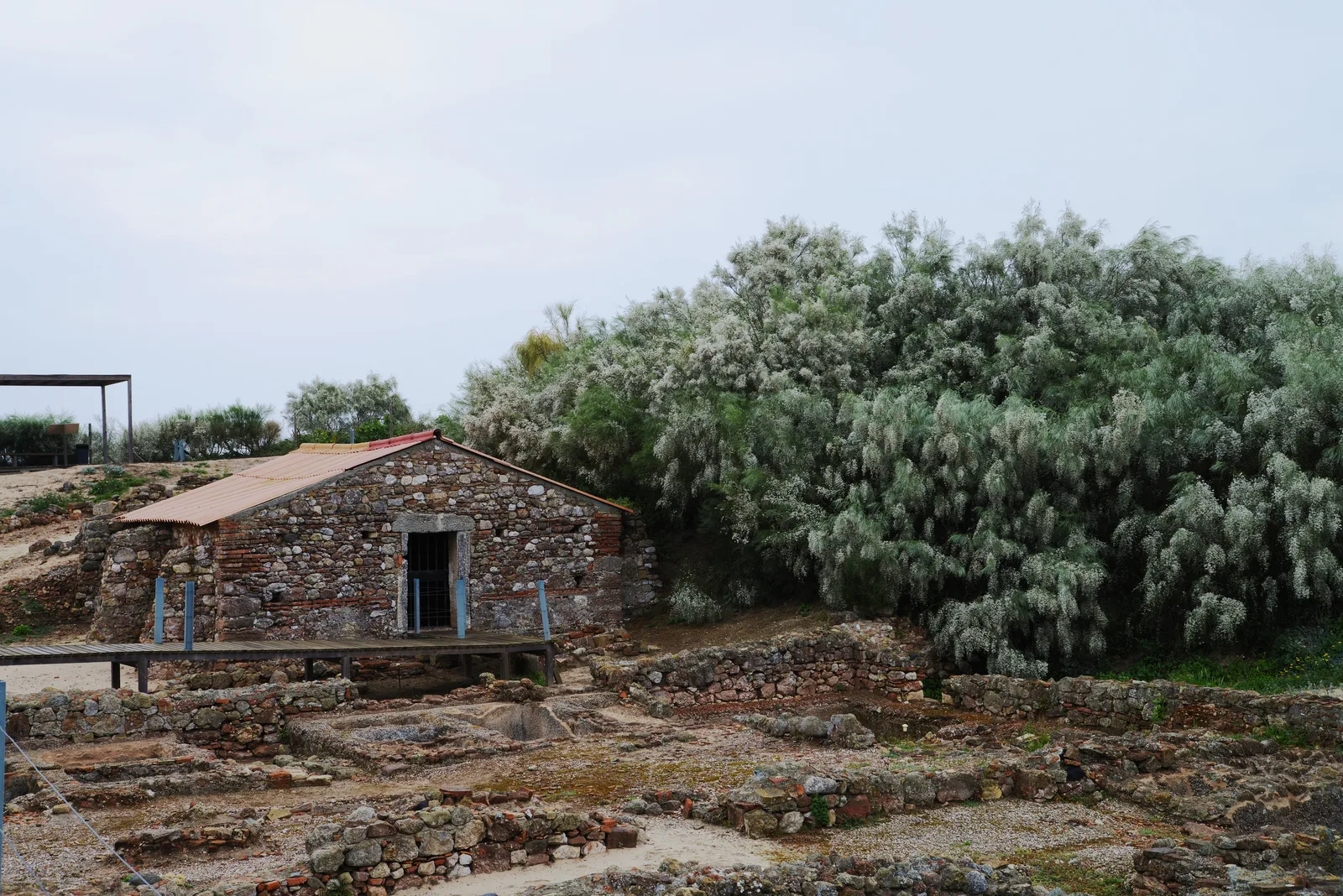
Across the wide Sado estuary from Setúbal, the sand peninsula of Tróia runs for kilometres between the river’s calm and the open Atlantic: a thin world of dunes, umbrella pines and long beaches, with a Roman city sleeping at its northern tip.
The fish-salting city of the Romans
The ruins at the peninsula’s tip are among the most remarkable industrial sites of Roman Portugal: the workshops of Cetóbriga, where the estuary’s fish and salt became the salted fish and garum sauces traded across the empire. Twenty-five workshops with their great square tanks survive, alongside baths, a paleochristian basilica and a necropolis, in use from the first century BC to the sixth century AD and classified as a national monument. The site is open to visitors, and the story is completed by the salting ruins across the river.
Beaches, dolphins and the crossing
South of the ruins the peninsula turns to holidays: kilometres of fine sand facing the Atlantic, a marina, golf courses and the quiet dune villages of the Comporta shore. The estuary itself is the home of one of Europe’s few resident communities of bottlenose dolphins, watched from boats that cross from Setúbal, and the short ferry crossing remains the classic way to arrive. The hotels and markets of Setúbal stand across the water, and the mountain park of the Arrábida begins on the far shore.
What to see
- The Roman workshops and tanks of Cetóbriga
- The baths and paleochristian basilica of the site
- The long Atlantic beaches of the peninsula
- The dolphins of the Sado estuary
- The ferry crossing from Setúbal
Practical information
Tróia lies on the left bank of the Sado estuary, opposite Setúbal, about an hour south of Lisbon by road or by the ferry from the city’s quays. The Atlantic water is cool and currents run at the river mouth: swim on the guarded beaches, and check the official websites before setting out.
Image credit: Tróia March 2015-1 by Alvesgaspar — CC BY-SA 4.0, via Wikimedia Commons.
For the Roman ruins in detail, see Estação Arqueológica de Tróia.
To Visit
More to explore

Museu Nacional de Évora
A national museum in the former convent of Lóios in Évora, holding Roman, Islamic and Renaissance art of the Alentejo.

Castelo de Mourão
The walls of Mourão above the Alqueva lake, a border castle of the Guadiana tied to the legend of Salúquia…

Castelo de Santiago do Cacém
Above the Roman ruins of Mirobriga, a contested frontier castle — Moorish, then Portuguese from 1217 — kept by the…
Experiences
Explore related experiences
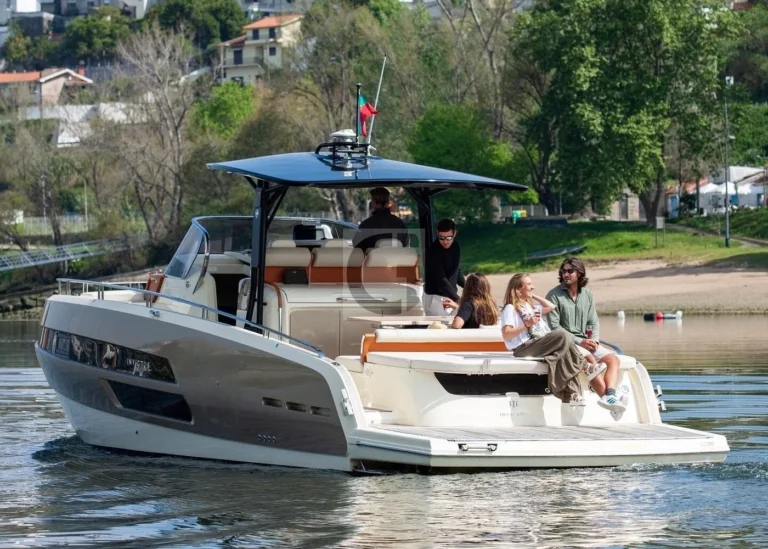
Full Day Private Luxury Yacht Charter Tróia
For all ages! • 8 Hours • Welcome Drink included


Tour Arrábida & Wine experience – Full Day
7 hours • Daily

Sintra with Pena Palace, Cabo da Roca & Praia da Adraga Hiking from Lisbon
Discover Sintra, Pena Palace & hike through Prada da Adraga
 English (UK)
 Português
 Polski
 Nederlands
 Italiano
 Français
 Español
 Deutsch
 한국어
 简体中文
 Svenska