Camarate
A town of the Lisbon outskirts with a medieval story: a noble’s chapel, its own wine grape, a foral of 1511 and a place in the country’s living memory.
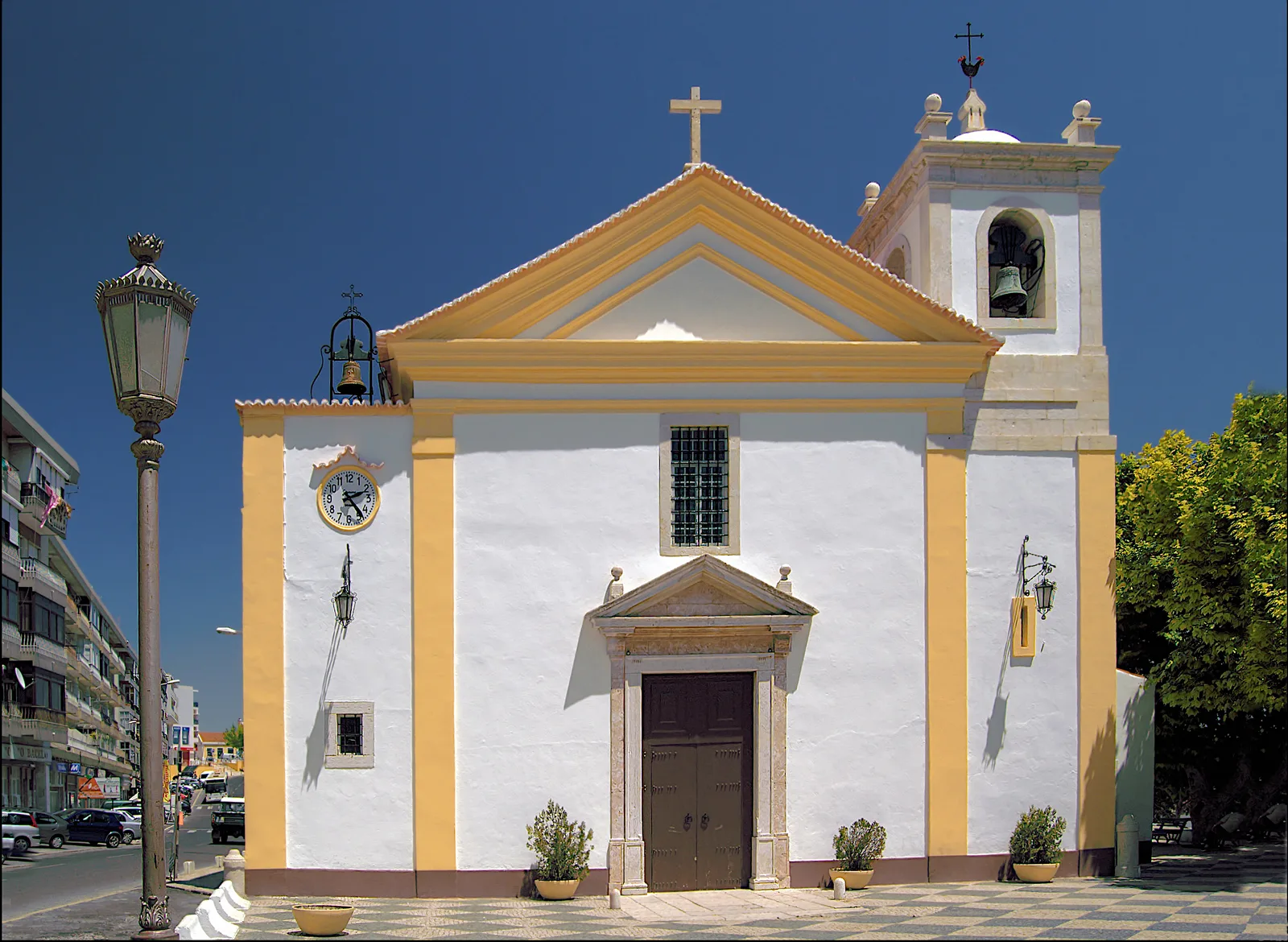
North of Lisbon, where the capital’s streets give way to the parishes of Loures, Camarate is a town of the outskirts with a long memory: a medieval royal farm, a noble’s chapel, its own wine grape and a foral of 1511.
A royal farm and a noble’s chapel
The twentieth century transformed Camarate into a residential town of the capital’s fringe. Its matrix church of Santiago Maior keeps baroque gilded altars, a sixteenth-century stone cross stands in the churchyard, and old quintas survive between the avenues. The poet Mário de Sá-Carneiro spent his childhood here, and the town’s name is bound to a sadder date: the air crash of December 1980, in which the prime minister Francisco Sá Carneiro died on takeoff nearby.
Memory of the town today
The name is usually traced to a Berber family of the Moorish period, and in the Middle Ages Camarate was crown land attached to Sacavém. In the crisis of 1383 a confiscated farm here passed to Nuno Álvares Pereira, who lived on it and raised a chapel of Our Lady of Succour, later a Carmelite convent; through him the land entered the patrimony of the House of Bragança. A foral of 1511 separated the parish, and from the sixteenth century the village was a retreat of Lisbon’s nobility, known for a white grape that took its name — a story the Museu de Lisboa tells in the capital.
What to see
- The matrix church of Santiago Maior and its baroque altars
- The sixteenth-century cruzeiro in the churchyard
- The old quintas between the avenues
- The chapel line of Nuno Álvares Pereira’s farm
Practical information
Camarate lies in the Loures municipality, immediately north of Lisbon, close to the airport side of the city; the countryside of Loures continues north, and the capital’s own story is told at the Museu de Lisboa. It is a residential quarter rather than a monument circuit: pair it with the surrounding countryside, and check the official websites before setting out.
Image credit: Igreja de Santiago de Camarate by Juntas — CC BY-SA 4.0, via Wikimedia Commons.
Experiences
Explore related experiences


 English (UK)
 Português
 Polski
 Nederlands
 Italiano
 Français
 Español
 Deutsch
 한국어
 简体中文
 Svenska