Santarém
Founded by the Romans under the name Scallabis, it became an important commercial and military center over the centuries, also passing through the hands of the Visigoths and Moors before being definitively reclaimed by Christians in the 12th century.
Santarém, located in the central region of Portugal, is a city of great historical and cultural significance. The city played a significant role during the Middle Ages, often being chosen as the residence of Portuguese kings and nobility.
Known as the “Capital of Gothic Architecture,” Santarém stands out for its architectural heritage, especially the churches and monuments that reflect styles such as Gothic and Renaissance. Its historic center is a living testament to the city’s importance during the medieval and modern periods, making it a sought-after destination for those wishing to explore the cultural richness and heritage legacy of Portugal.
Main Points of Interest
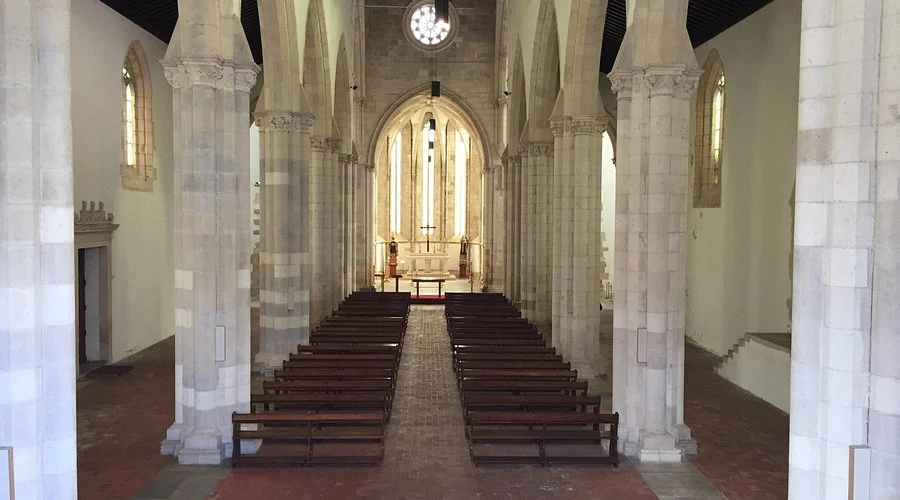
Church of the Grace
Among the main tourist attractions are the Gothic Churches of Santarém, such as the Church of the Grace, built in the 14th century, where Pedro Álvares Cabral, the discoverer of Brazil, is buried.

Santa Maria de Marvila Church
Another significant church is the Santa Maria de Marvila Church, famous for its magnificent 17th-century azulejos (ceramic tiles).


Convento de São Francisco
The Convento de São Francisco is another monument of Gothic architecture in the city, representing an important religious center during the medieval period.

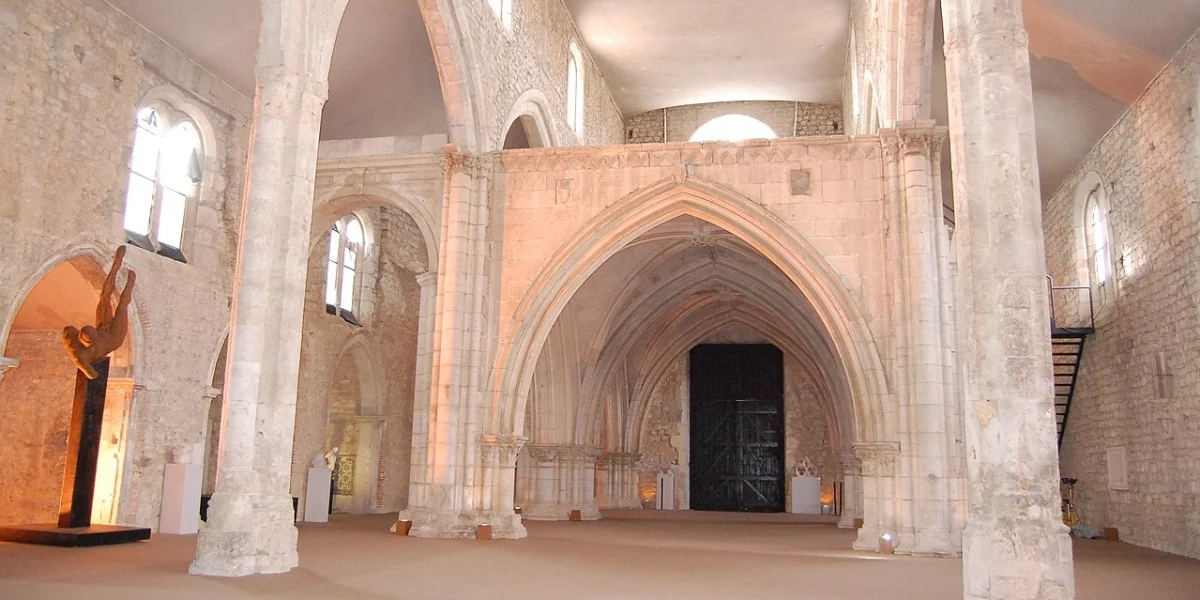
Museu Diocesano de Santarém
The Museu Diocesano de Santarém offers a vast collection of sacred art, including paintings, sculptures, and religious artifacts from different eras.


Museu de São João de Alporão
The Museum of São João de Alporão, housed in an ancient Romanesque church, exhibits a remarkable collection of archaeological artifacts.
Porta do Sol
Among the most emblematic monuments is the Porta do Sol, a medieval fortification with panoramic views over the Tagus River and the Ribatejo plains. This space is ideal for quiet strolls and moments of contemplation.

Recommended Restaurants
Santarém’s cuisine reflects its agricultural heritage, with an emphasis on hearty regional dishes.
Pastelaria Bijou: A traditional pastry shop perfect for a pampilho (local sweet) and a coffee break.
Taberna Ó Balcão (Michelin-recommended): Run by Chef Rodrigo Castelo, this modern tavern serves innovative takes on traditional Ribatejo dishes, especially river fish.
Restaurante Pátio da Graça: Located in the historical center, known for local specialties and warm service.
Festivities
Festa de São José (March): A religious celebration that honors the city’s patron saint, featuring processions and cultural activities.
National Agricultural Fair (Feira Nacional de Agricultura) (June): One of the most important agricultural events in Portugal, held at CNEMA. It includes exhibitions, live music, gastronomy, and traditional crafts.
Festival Nacional de Gastronomia (October): Celebrating Portugal’s culinary diversity, with chefs and food producers from across the country.
Christmas in Santarém: The city center is decorated with lights and hosts a Christmas market, concerts, and family activities.
Tips for Visitors
For those planning to visit Santarém, the best times are in spring or autumn when the weather is milder. It is recommended to explore the city on foot, especially the historic center, where you can admire Gothic and Renaissance buildings.
Don’t miss the Jardim das Portas do Sol for one of the best views of the city and the Ribatejo fields. Finally, for photography enthusiasts, the sunset viewed from the Porta do Sol is a must-see.


Santarém offers a unique combination of history, culture, and tradition, making it an unmissable destination for anyone looking to immerse themselves in Portuguese heritage.
To Visit
More to explore

Museu Nacional de Évora
A national museum in the former convent of Lóios in Évora, holding Roman, Islamic and Renaissance art of the Alentejo.

Castelo de Mourão
The walls of Mourão above the Alqueva lake, a border castle of the Guadiana tied to the legend of Salúquia…

Castelo de Santiago do Cacém
Above the Roman ruins of Mirobriga, a contested frontier castle — Moorish, then Portuguese from 1217 — kept by the…
Experiences
Explore related experiences
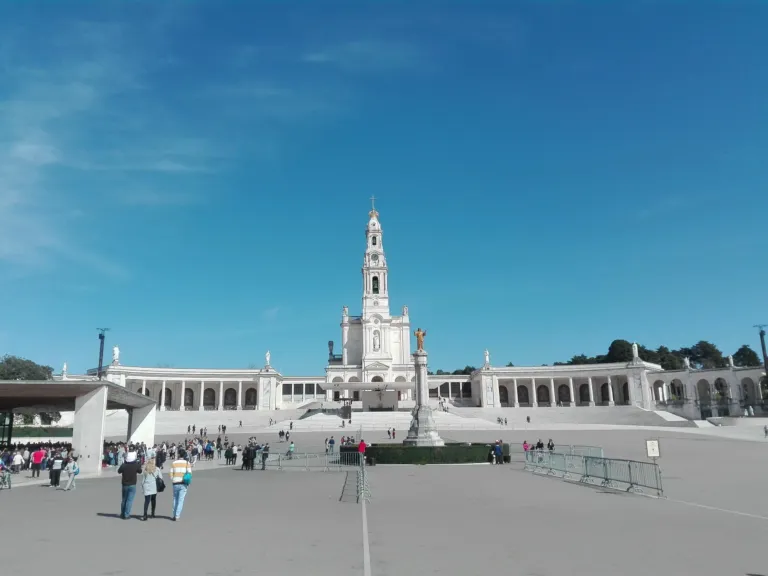
Fátima Sanctuary & Pastorinhos Village, half-day from Coimbra
4 Hours • A place of Christian pilgrimage and Catholic devotion
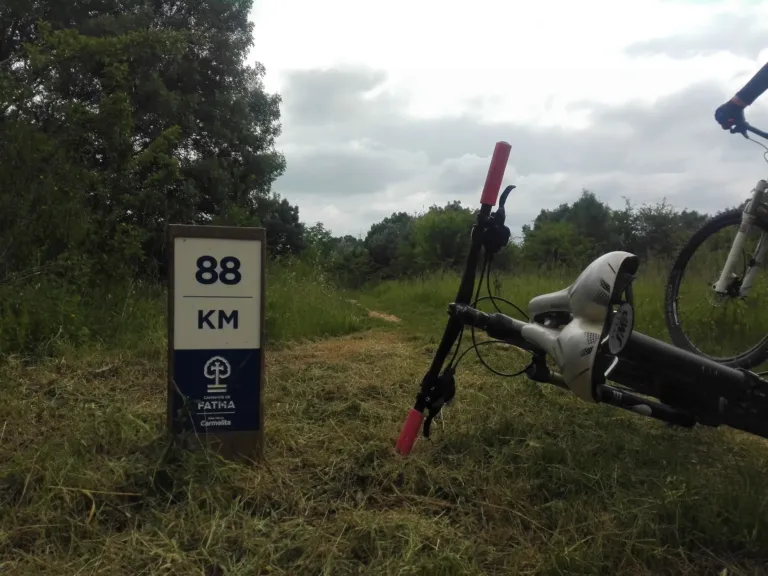
Cycling Carmelita Route by Paths of Fátima, self-guided
111km • 2 days • 1 Night half-board Included • Self Guided

Villages of Piódão & Benfeita, full-day from Coimbra
Historical Villages • Fraga Pena Waterfall• Margaraça Forest • Full-day
 English (UK)
 Português
 Polski
 Nederlands
 Italiano
 Français
 Español
 Deutsch
 한국어
 简体中文
 Svenska