Almada
The history of Almada dates back to Roman times when the area was known as “Fossae,” likely due to the presence of fortifications and its important strategic role in defending the Tagus River.
During the Middle Ages, Almada became a significant waypoint, serving as an important site for trade and shelter.
growth of factories and the development of infrastructure, such as the construction of the bridge over the Tagus, which connected the city to Lisbon. From the 1960s onward, the city underwent rapid urban growth, attracting more residents and transforming into a modern city.
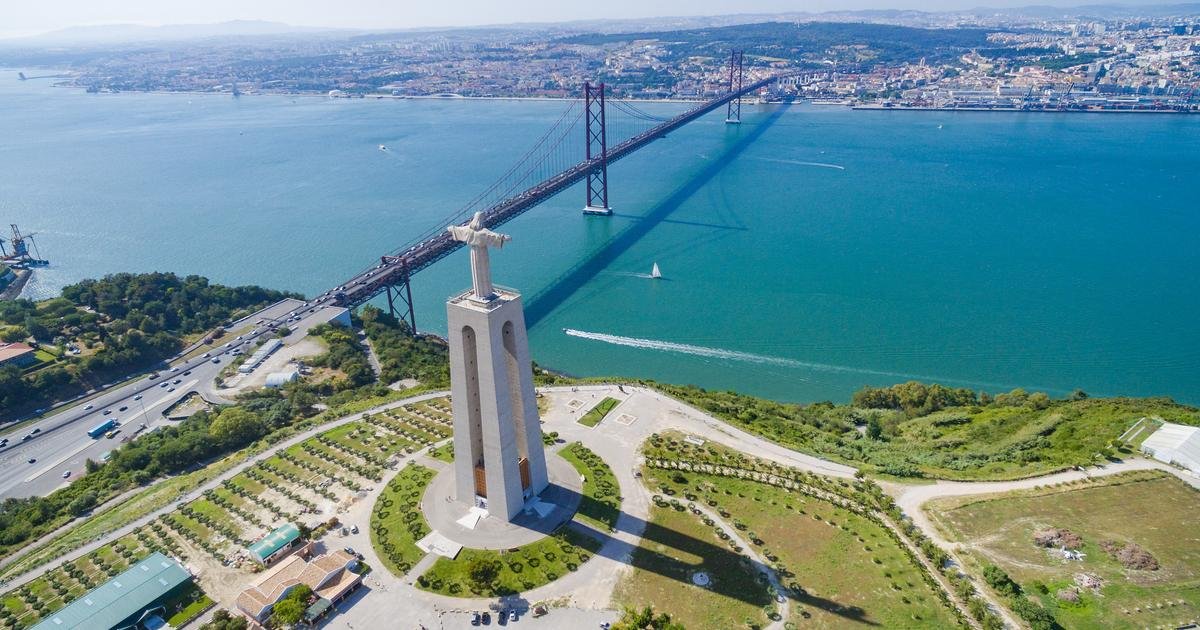
Today, Almada is known for its rich cultural and architectural heritage. This includes landmarks such as Christ the King and the Church of Our Lady of the Mount, reflecting its evolution over the centuries.
Main Points of Interest
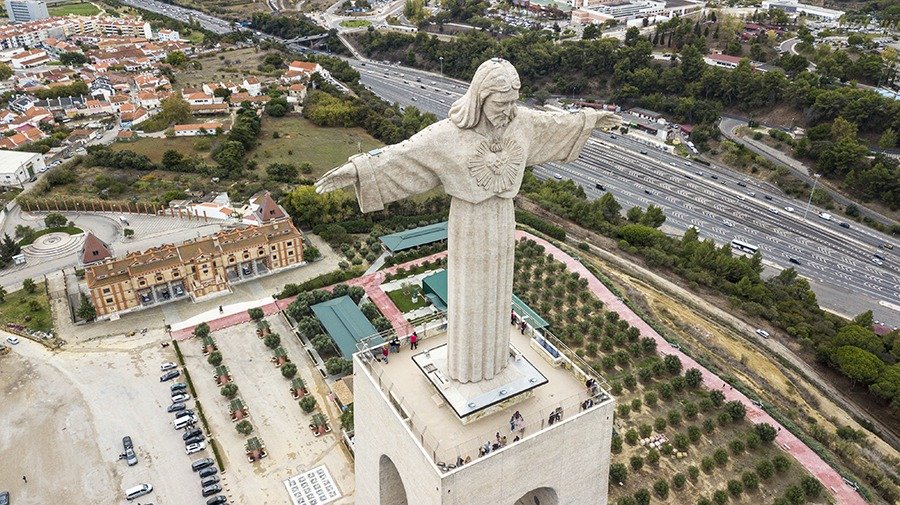
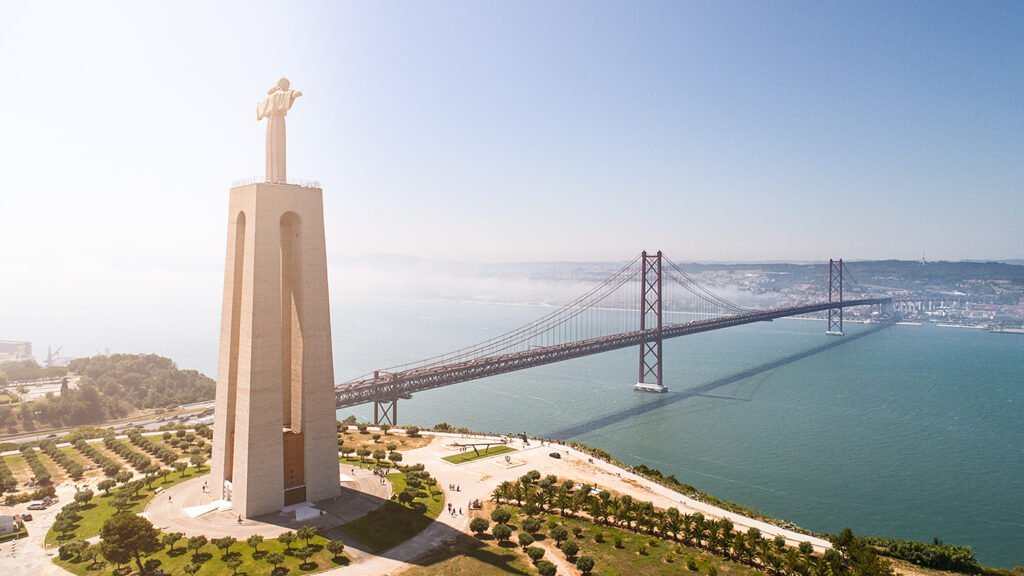
Christ the King
One of the city’s most famous icons, the Christ the King statue is an impressive work of religious art that offers panoramic views of Lisbon and the Tagus River. The visit can include a stroll through the surrounding gardens and a moment of contemplation.
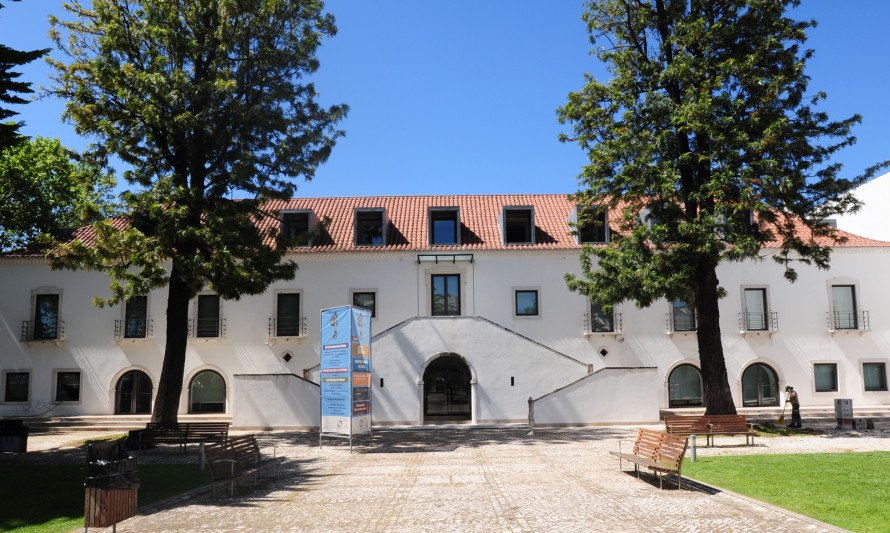
Almada City Museum
Housed in an old manor, this museum features exhibitions on the history and culture of the region. Through artifacts and documents, visitors can explore Almada’s evolution over the centuries.
Church of Our Lady of Good Success
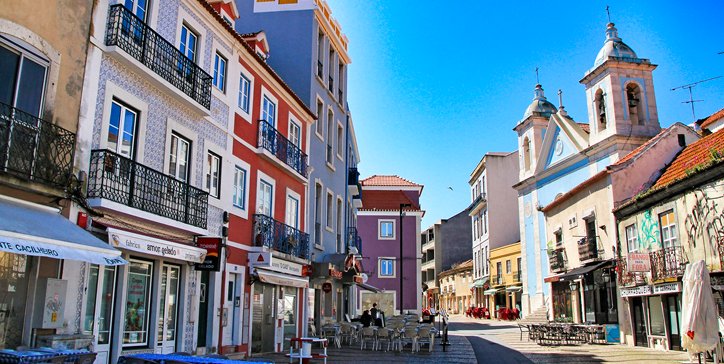
Located near the ferry terminal in Cacilhas, this 18th-century church is a lesser-known gem with strong historical ties to the local seafaring community. Dedicated to the patroness of sailors, the church once played an important role in blessing those heading out to sea. Its interior features baroque-style ornamentation, devotional artworks, and maritime motifs that reflect Almada’s connection to the river and the ocean.
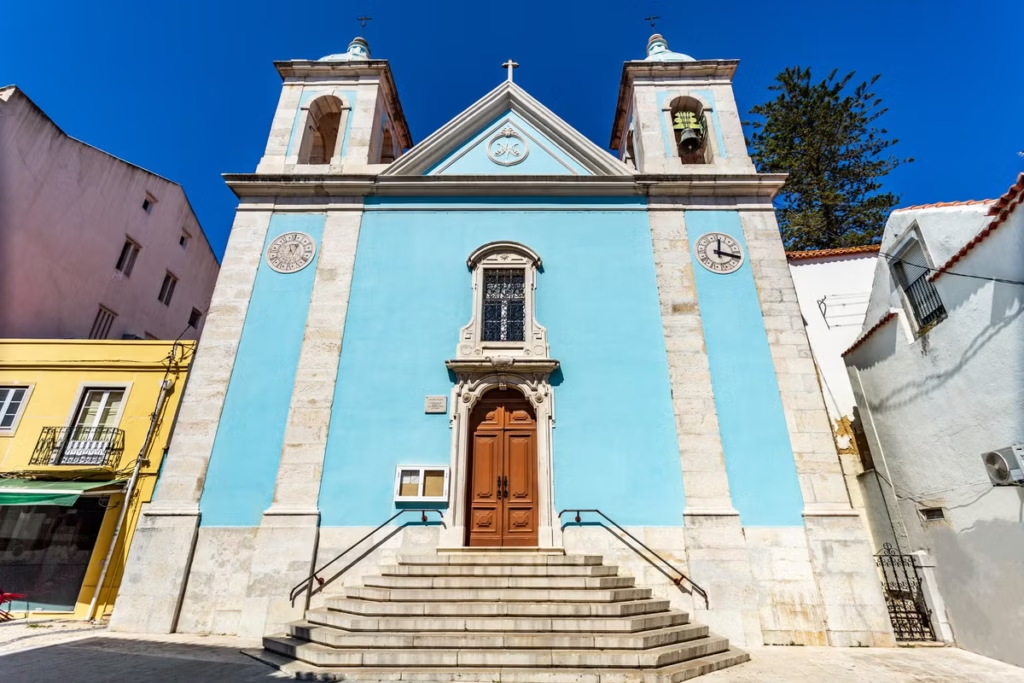
Elevador Panorâmico da Boca do Vento
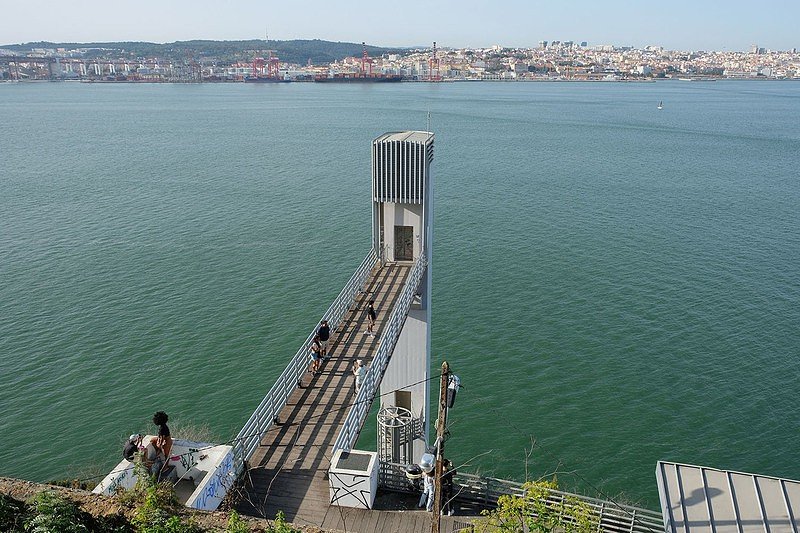
This panoramic elevator connects the riverside district of Cacilhas to the higher city areas. The short ride offers an incredible view over the river and Lisbon’s skyline. At the base, visitors can stroll along the riverside promenade, dotted with cafes and the ruins of old shipyards.
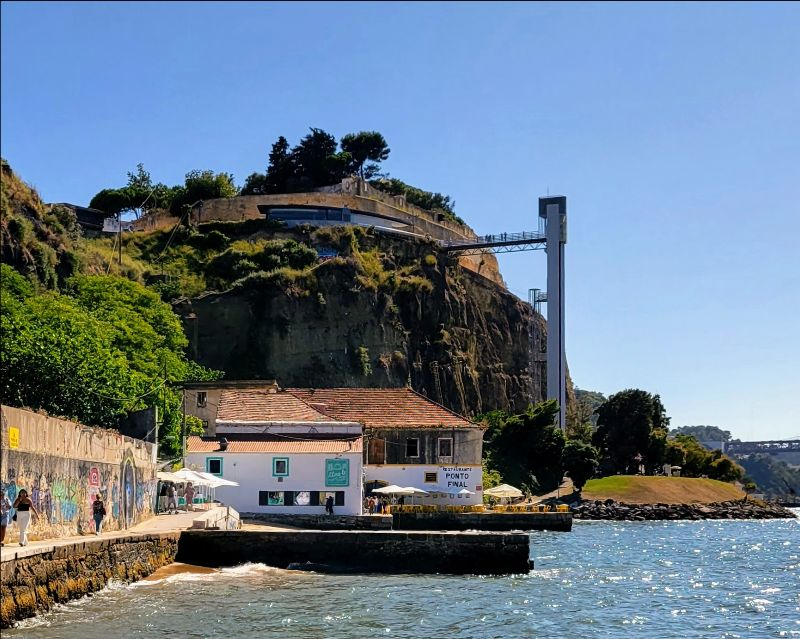
Cacilhas Historic Area
A visit to Almada isn’t complete without exploring Cacilhas. This riverside neighborhood is known for its maritime history, traditional restaurants, and views across the river. Here, you can also see the D. Fernando II e Glória, a fully restored 19th-century frigate now open as a museum ship.
Activities
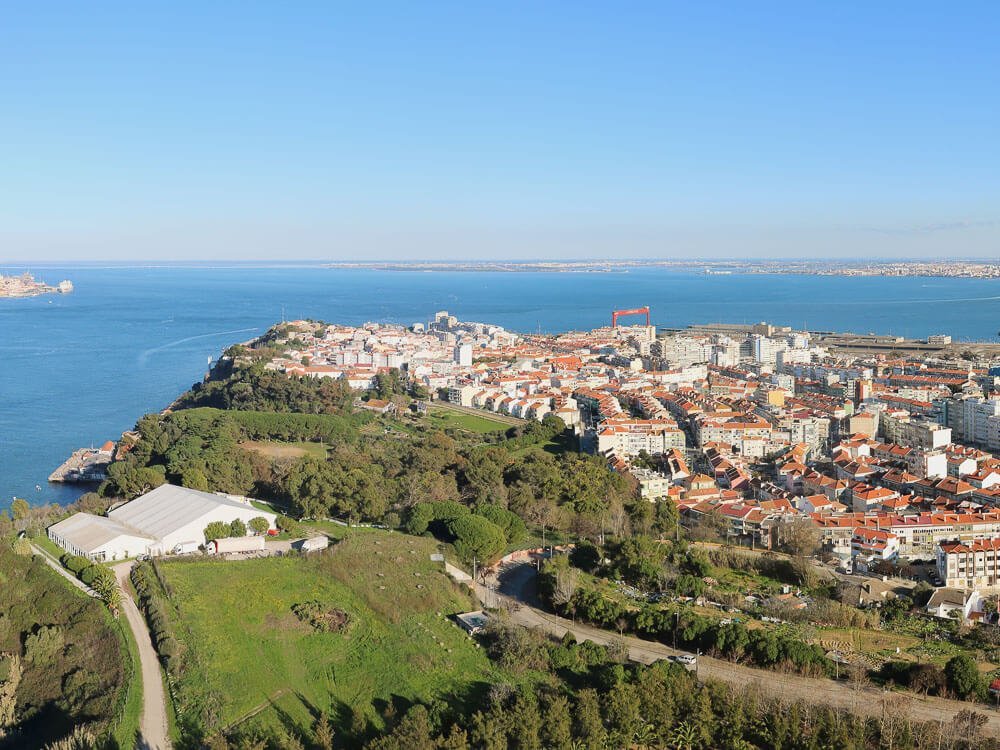
Almada offers various outdoor activities, including walks along the riverfront, which provide stunning views and opportunities for picnics. Nature lovers will find Parque da Paz an excellent place for hiking and relaxation. It features vast green spaces and lakes.
Water sports enthusiasts can enjoy the beaches of Costa da Caparica. These beaches are just minutes from the city center and offer surfing, bodyboarding, and other activities.
Recommended Restaurants
Almada’s culinary scene is rich and diverse. A Cova Funda restaurant is known for its fresh fish and seafood dishes, while O Barbas is a popular choice for those looking to experience traditional Portuguese caldeirada. For a quick snack, local pastry shops offer delicious pastéis de nata and other typical sweets.
Festivities
Almada celebrates various festivities throughout the year. Notably, the Our Lady of the Mount festivities attract many visitors in August.
During the summer, the city organizes outdoor concerts and music festivals, promoting local culture and interaction between residents and tourists.
Useful Tips
Almada is well served by public transportation, including the famous tram 15, which connects the city to Lisbon. Using the ferry is also a pleasant and efficient experience for crossing the Tagus River.
The spring and autumn months offer mild weather and are ideal for sightseeing. Summer can be quite hot, especially at the beaches.
Almada is a safe city, but as in any tourist destination, it is advisable to be mindful of personal belongings and to avoid less crowded areas at night.