Beja
Beja, situated in the Alentejo region, has a rich history that dates back to antiquity.
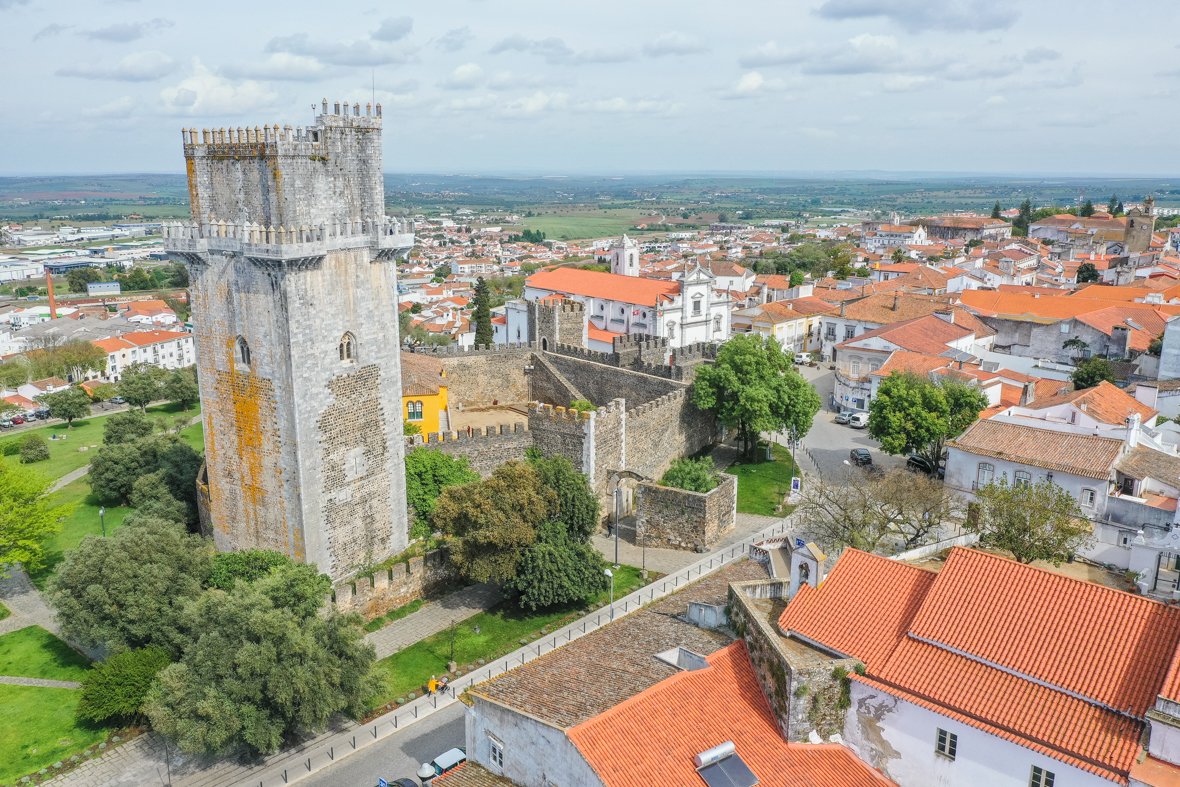
During the Middle Ages, Beja became an important military and religious centre, particularly following the Muslim conquest in the 8th century. The city was recaptured by the Christians in 1230 during the Reconquista, and the Castle of Beja, with its imposing keep, was built to protect the region.
In the following centuries, Beja developed as an administrative and commercial hub, attracting merchants and cultural influences. The revival of trade in the Modern Age and agricultural prosperity in the 19th century contributed to its growth.
Principaux points d’intérêt
Beja Castle
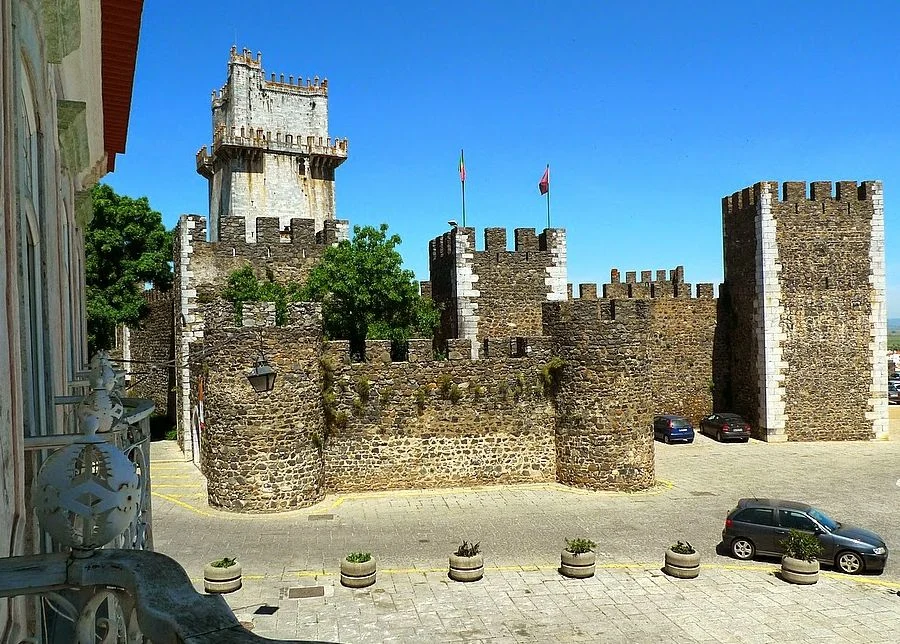
One of the city’s main landmarks, the Beja Castle, built in the 13th century, stands out for its impressive keep, which offers a panoramic view of the region. Visiting the castle provides an immersion in the medieval history of the city.

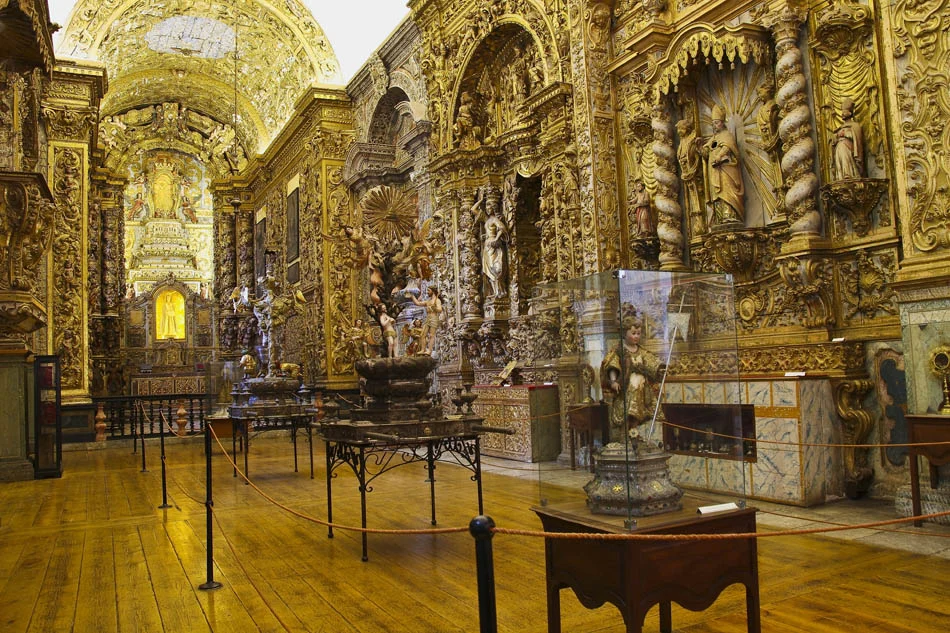
Regional Museum of Beja
Housed in an old convent, this musée features a vast collection of artefacts that illustrate the historical and cultural evolution of the region, including archaeological pieces, works of art, and temporary exhibitions that reflect contemporary themes.

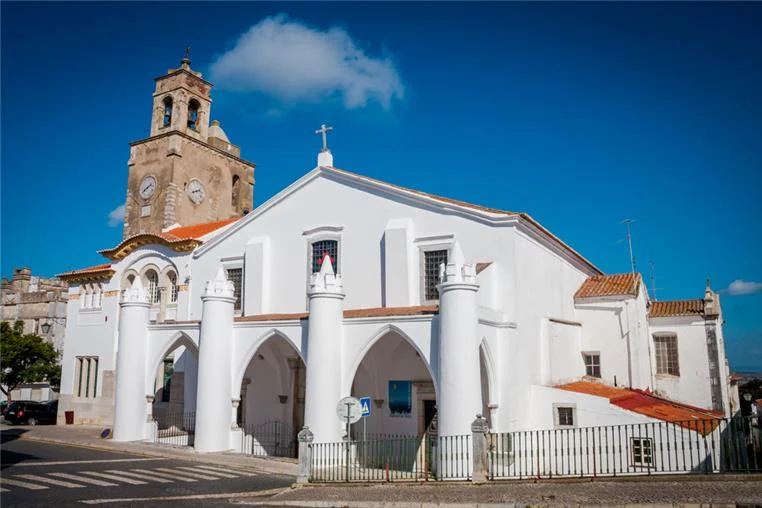
Church of Santa Maria
Located in the heart of the city, this church is a notable example of Gothic and Manueline architecture. Its interior is richly decorated and houses an impressive collection of tiles and gilded woodwork.

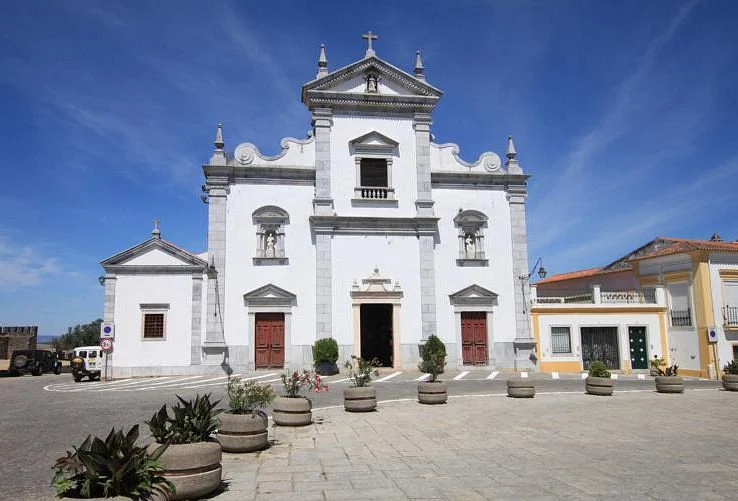
Cathedral of Beja
With a history extending back to the 13th century, the Cathedral of Beja is an important landmark in the city. Its architecture, which combines Romanesque and Gothic elements, invites contemplation.

Activités
In addition to the historical monuments, Beja offers various activities for visitors:
Stroll through the Praça da República: This is the social heart of the city, where you can relax, appreciate the surrounding architecture, and sample local cafés and pastries.
Municipal Market: Ideal for discovering local products and flavours of Alentejo cuisine, such as cheeses, cured meats, and regional wines.
Hiking and Trails: The area around Beja is suitable for hiking and cycling, allowing you to explore the Alentejo rural landscape.
Restaurants recommandés
The cuisine is a fundamental part of the local experience. Here are some recommendations:
Restaurante Adega 25 de Abril: Specialising in traditional Alentejo dishes, such as dogfish soup and lamb stew, it offers an authentic taste of local cuisine.
Espelho d’Água: A cosy spot serving tapas and regional dishes, perfect for a relaxed lunch or dinner with friends.
Festivals
Beja hosts various festivities that attract both locals and tourists. Some of the most notable include:
Flower Festival: Celebrated in May, this festival fills the streets of Beja with colour and joy through parades and floral displays.
Feast of St John: Held in June, this popular festival is marked by traditions, dances, and plenty of music, celebrating Alentejo culture.
Conseils pratiques
Beja has a Mediterranean climate, with hot, dry summers and mild winters. It is advisable to bring light clothing during the hot months but also something warmer for the nights, which can be cool.


The city is accessible by car, and parking is relatively easy in the central areas. Public transport is also an option, with buses connecting Beja to various cities in the Région.
Spring and autumn are the best seasons to visit Beja, with mild temperatures and fewer tourists.
À visiter
More to explore
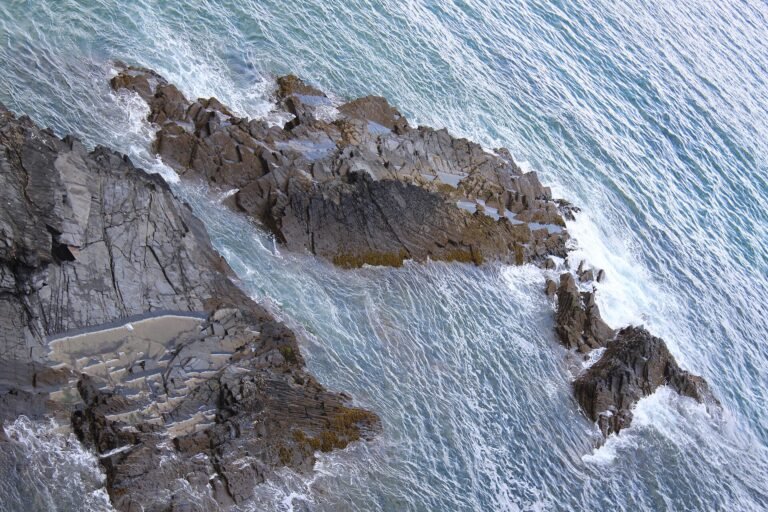
Zambujeira do Mar
The fishing village on the tall Alentejo cliffs, with stairs to the beach, the Fishermen’s Trail and storks nesting over…
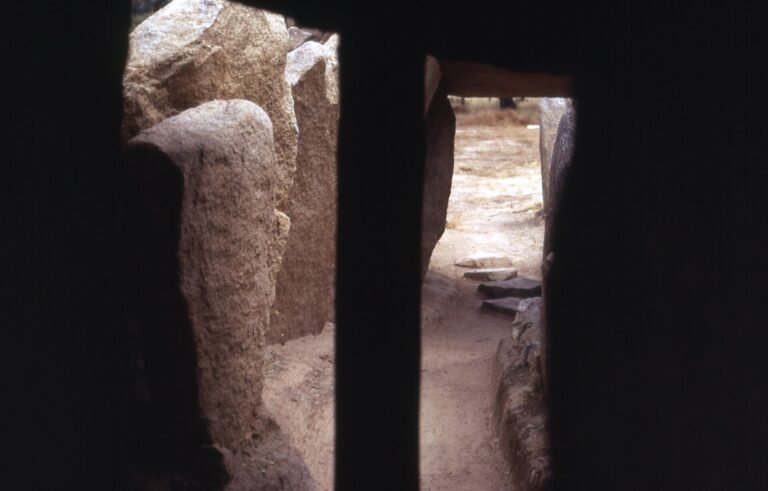
Anta Grande do Zambujeiro
The largest dolmen in Iberia: seven six-metre pillars, a menhir with cup marks and five millennia of silence near Évora.
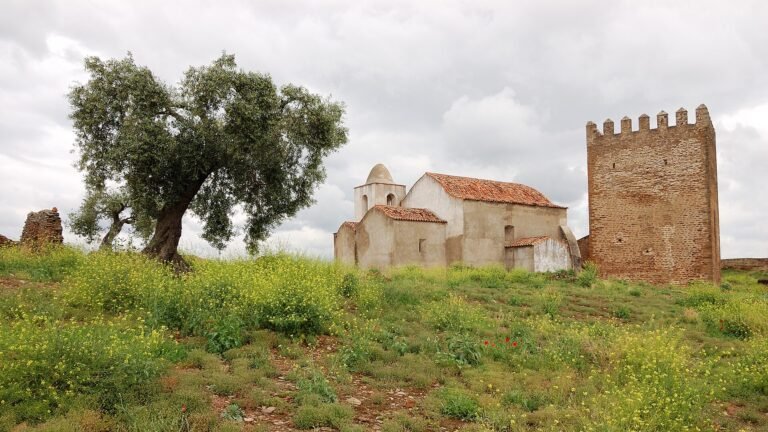
Castelo de Noudar
A castle with no town, founded in 1308 on the Spanish border — now a nature park among olive groves…
Expériences
Explore related experiences

Grande dégustation Honrado Vineyards

 English (UK)
 Português
 Polski
 Nederlands
 Italiano
 Français
 Español
 Deutsch