Alcobaça
Located in the heart of Portugal’s Oeste region, Alcobaça is a city that quietly preserves some of the most defining moments in Portuguese history.
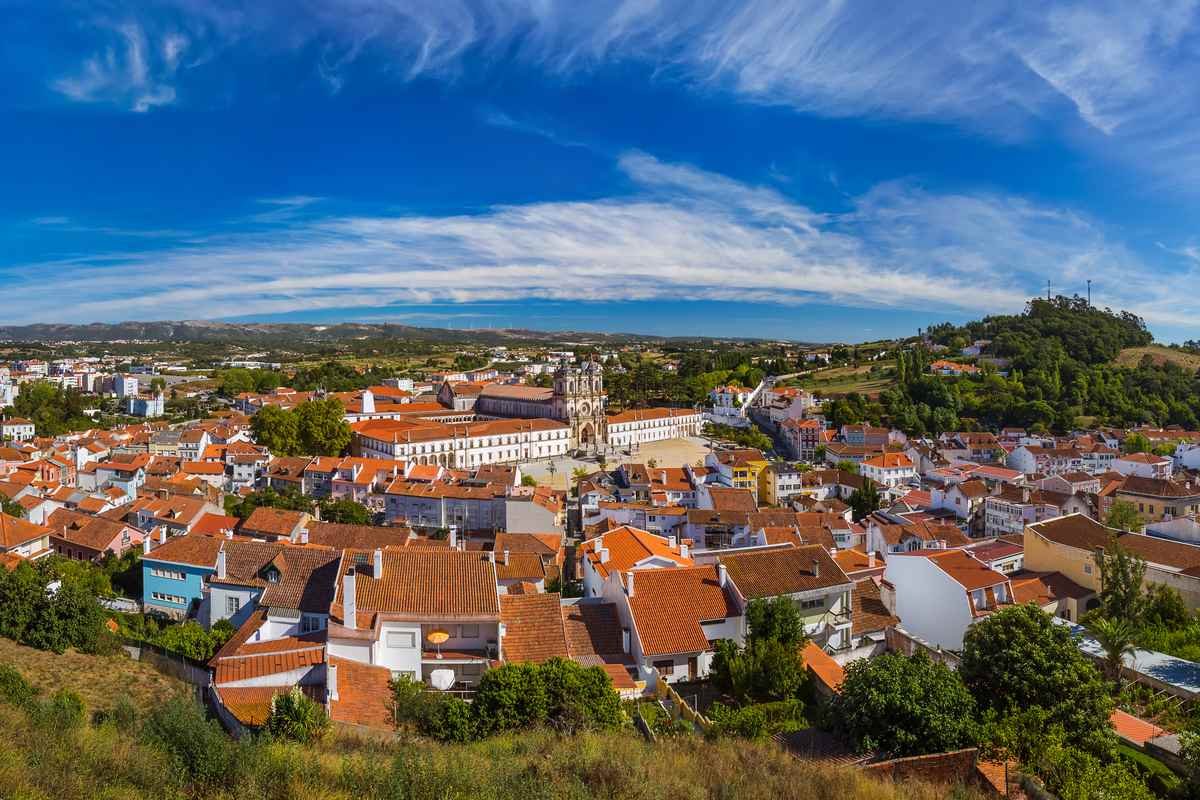
With origins dating back to the 12th century, it was here that the Cistercian monks established one of the country’s most powerful and influential monasteries, shaping not only the local landscape but also the political, agricultural, and cultural development of the region. The Monastery of Santa Maria de Alcobaça – now a UNESCO World Heritage Site – is a testament to that legacy and remains the city’s most iconic monument.
But Alcobaça is more than just its medieval past. Nestled between fertile valleys and framed by the Serra dos Candeeiros hills, the city offers a slower rhythm of life, genuine hospitality, and a strong connection to local traditions. The surrounding region is known for fruit production, especially apples and pears, as well as ceramics and conventual sweets. It’s a city where agriculture, craftsmanship, and history coexist naturally.
Alcobaça also benefits from its location. It’s just a short drive from the Atlantic coast (including the fishing town of Nazaré), and forms part of a historical triangle with Batalha and Tomar, two other monastic powerhouses. This makes it an excellent base for travelers exploring Central Portugal.
Whether you’re interested in Gothic architecture, religious history, traditional Portuguese food, or simply the charm of an authentic small city, Alcobaça provides a well-rounded and rewarding experience for visitors of all ages.
Principali punti di interesse
Monastery of Santa Maria de Alcobaça
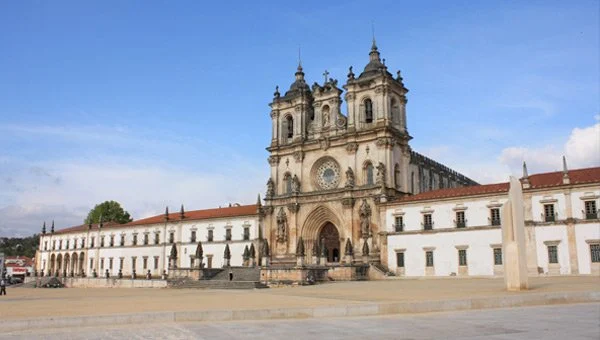
This UNESCO World Heritage Site is the largest Cistercian monastery in Europe and one of the most important Gothic monuments in Portugal. Founded in 1178, it played a central role in consolidating the Portuguese monarchy. The monastero includes the church, sacristy, chapter house, refectory, dormitory, kitchen, and the impressive Cloister of Silence. The tombs of King Pedro I and Inês de Castro—Portugal’s tragic lovers—are masterpieces of medieval sculpture.

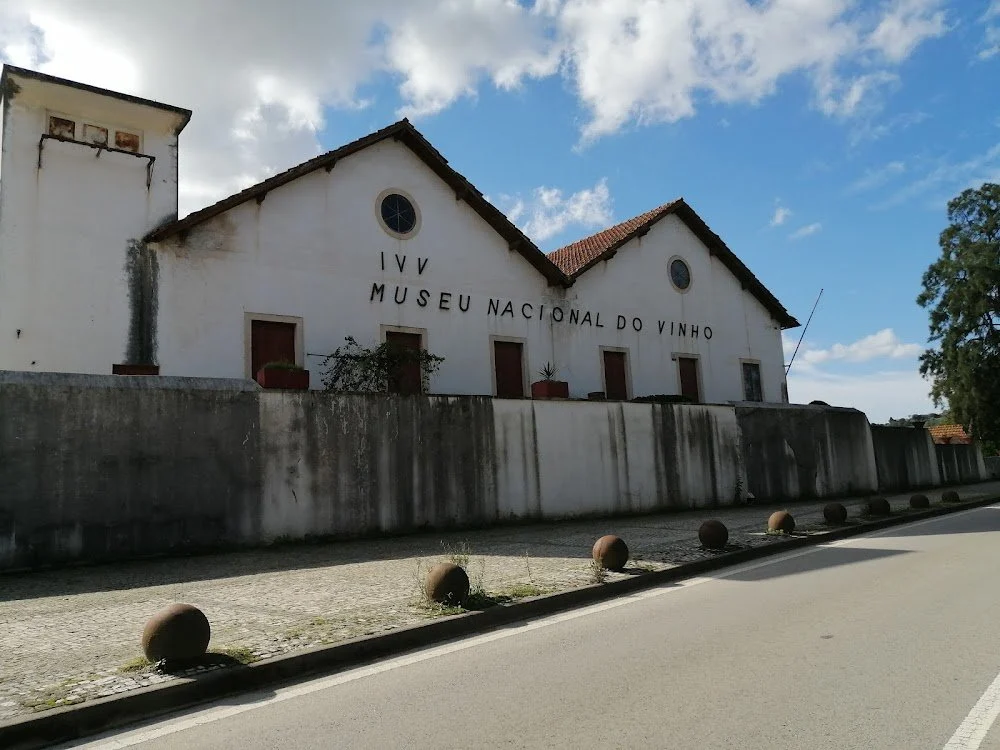
Alcobaça Wine Museum
Housed in a former 19th-century winery, this museo is one of the most comprehensive in the Iberian Peninsula dedicated to wine history. It features a large collection of traditional tools, documents, bottling machinery, and rare grape presses. Although temporarily closed for renovations in the past, it remains an important cultural reference and is worth checking for re-opening schedules.

Raul da Bernarda Museum
Questo museo is located in a former ceramics factory and highlights the region’s strong connection to the ceramics industry. The exhibits include decorative pieces, tableware, and artistic ceramics from the 19th and 20th centuries, giving insight into Alcobaça’s craftsmanship and design evolution.


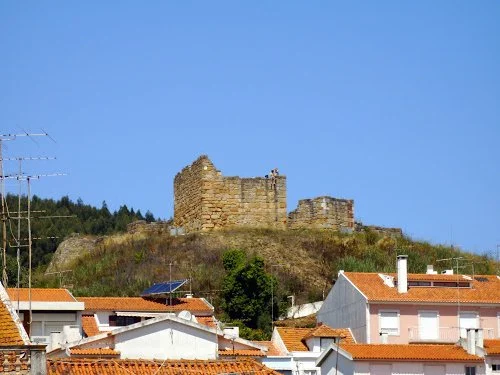
Castle of Alcobaça
Though now in ruins, the castello site provides expansive views over the city and valley. Its location helps contextualize Alcobaça’s strategic importance during the early formation of Portugal. A walk up to the ruins is worthwhile for the perspective it offers and the peaceful surroundings.
Church of Misericórdia
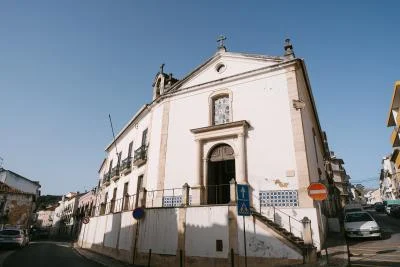
This 16th-century chiesa, located near the Monastery, is less visited but still significant. It holds a simple yet elegant design with tile panels and wood carvings that reflect the transition from Gothic to Renaissance styles.

Garden of Love
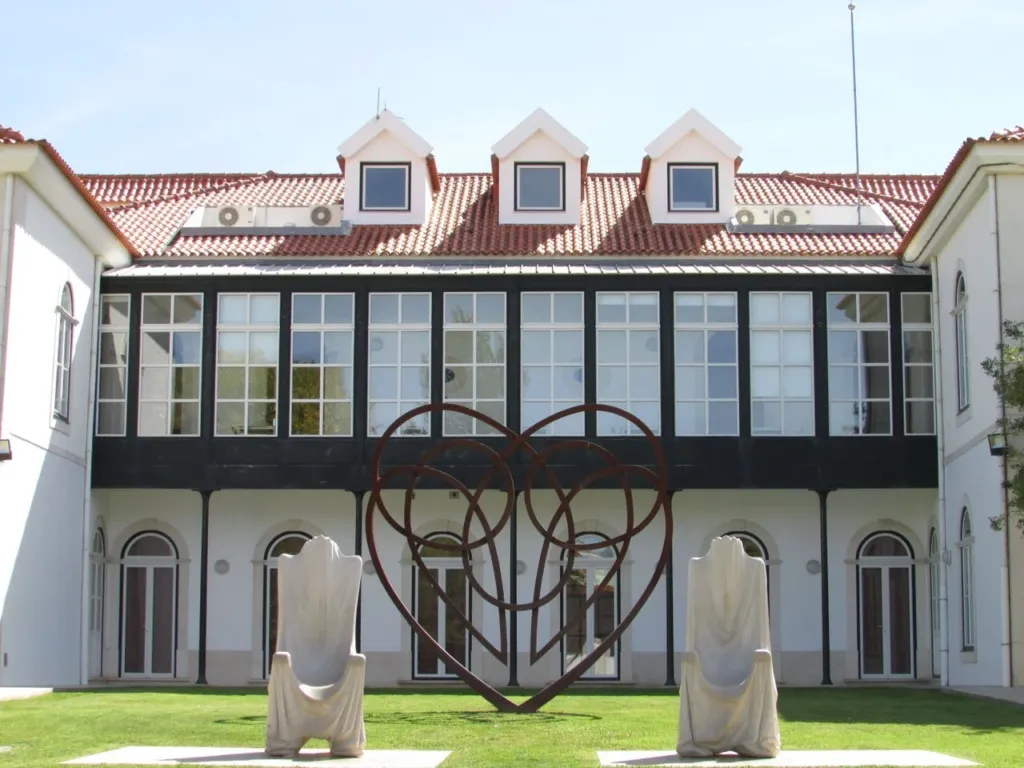
Situated just beside the Monastery, this small garden commemorates the love story of Pedro and Inês. It includes symbolic statues, benches, and a peaceful atmosphere for resting after a visit to the monastery. It’s also a photogenic spot for visitors.

Municipal Market of Alcobaça
For a local experience, visit the Municipal Market. This is where locals buy fresh produce, flowers, fish, and cheeses. It’s an excellent place to observe daily life and pick up regional specialties like Alcobaça apples or homemade liqueurs.
Parque Verde do Valado dos Frades
Located a short drive from the city center, this green park is ideal for walks, picnics, or short hikes. It offers open spaces, picnic areas, and contact with nature, making it a nice contrast to the more historical visits in town.
Activities in and around Alcobaça
Walking Tours: Explore the historical centre on foot. The area surrounding the monastery is walkable and filled with cafés, bakeries, and small shops.
Hiking and Nature Walks: Alcobaça is surrounded by valleys and hills. Several rural trails exist, particularly around the Serra dos Candeeiros Natural Park.
River Picnics: The Alcoa River runs through the city and some parks along its banks are ideal for relaxing or having a picnic.
Day Trips: From Alcobaça, you can easily reach Nazaré (15 km), Batalha (25 km), and Fátima (50 km).
Ristoranti consigliati
Alcobaça has a solid reputation for traditional Portuguese cuisine, particularly regional sweets and roasted meats.
Restaurante António Padeiro – Located in the historic center, this restaurant is known for its traditional dishes, including “Chanfana” (goat stew) and “Bacalhau com natas”.
Meat – A more modern space offering grilled meats with a creative twist.
Pastelaria Alcoa – One of Portugal’s most acclaimed pastry shops, famous for conventual sweets like “Pão de Ló de Alfeizerão” and “Cornucópias”.
Festivals Throughout the Year
Festival Internacional de Chocolate (March/April) – A popular event that brings chocolate producers, workshops, and tastings to the city.
Semana Santa (Holy Week) – Includes processions and religious ceremonies, especially centered around the monastery.
Feira de São Bernardo (August) – The city’s main fair, featuring music, regional products, crafts, and food stands. It celebrates Alcobaça’s patron saint.
Temporada Darcos (Year-round) – A classical music and arts festival that includes concerts, often hosted at the Monastery or local theatres.
Consigli utili
Periodo migliore per la visita: Spring and early autumn offer mild weather and fewer crowds.
Parking: There’s free and paid parking near the Monastery and city centre.
Alloggio: Options range from boutique guesthouses to rural stays just outside the town. Hotel Santa Maria and Challet Fonte Nova are well-rated.
Meteo: Mediterranean climate with hot summers and mild winters, though evenings can be cool even in summer.
Alcobaça is more than a historical stopover. It’s a city that invites you to slow down, reflect, and discover a lesser-known side of Portugal’s rich cultural heritage. With its impressive monastery, well-preserved traditions, and proximity to other points of interest in the Silver Coast region, Alcobaça is a rewarding destination for travelers seeking authenticity and history.
Da visitare
More to explore
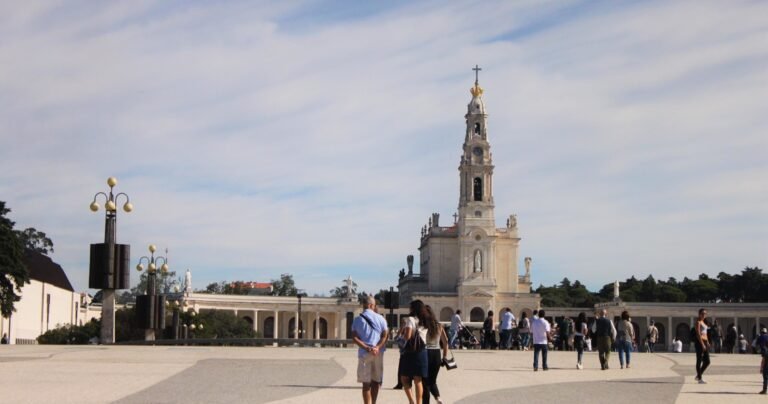
Exploring the Sacred City of Fátima: A Comprehensive Visitor’s Guide
Fátima, a town nestled in the heart of Portugal, holds an esteemed position in the realm of pilgrimage destinations due…

Centro del Portogallo
In the interior of the country, there are mountains and villages of granite and schist. By the sea, fishing villages…

Santarém
Founded by the Romans under the name Scallabis, it became an important commercial and military center over the centuries, also…
Esperienze
Explore related experiences

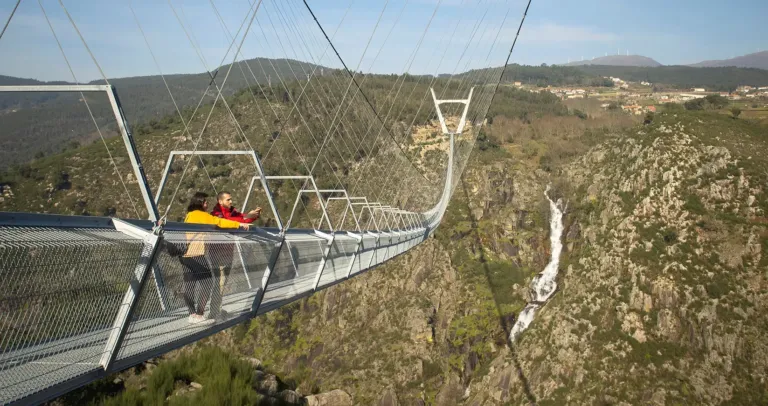
Tour guidato con partenza da Porto alla Ponte 516 Arouca & Passadiços de Paiva
 English (UK)
 Português
 Polski
 Nederlands
 Italiano
 Français
 Español
 Deutsch