São Roque do Pico
The name “São Roque” is a tribute to Saint Roch, the patron saint of travelers, who became an important figure for the local community.
São Roque do Pico, located on Pico Island, is a region rich in history and traditions. Its foundation dates back to the 15th century, when the first settlers, drawn by the fertile land and abundant fishing, began to establish themselves in the area.
Agriculture, particularly viticulture, played a crucial role in the region’s economic development. During the 17th and 18th centuries, settlers introduced terraced vineyards, which significantly contributed to the local economy and established Pico as one of the main wine producers in the Azoren. The island’s wine production, especially the verdelho wine, gained notoriety along the trade routes of the time.
In addition to agriculture, fishing has always been a central activity for the inhabitants. The island’s privileged location provided access to waters rich in marine resources. Over the years, São Roque do Pico has developed as a united community, preserving its cultural traditions, reflected in religious festivities and agricultural practices, which continue to be a pillar of local identity.
Belangrijkste bezienswaardigheden
São Roque Church
Dit church, built in the 18th century, stands out for its architectural style and the beauty of its tiles. It is an important place for the local community, where various religious festivities are celebrated throughout the year.

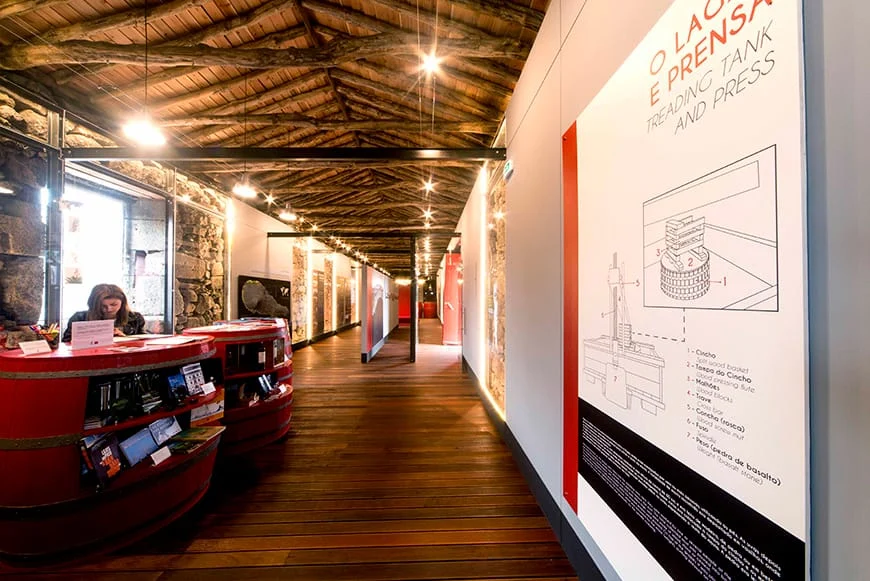
Pico Wine Museum
Located in the Vila das Lajes, this museum is essential for understanding the history of the region’s wine. Here, visitors can learn about traditional winemaking techniques and the importance of wine in the local economy.
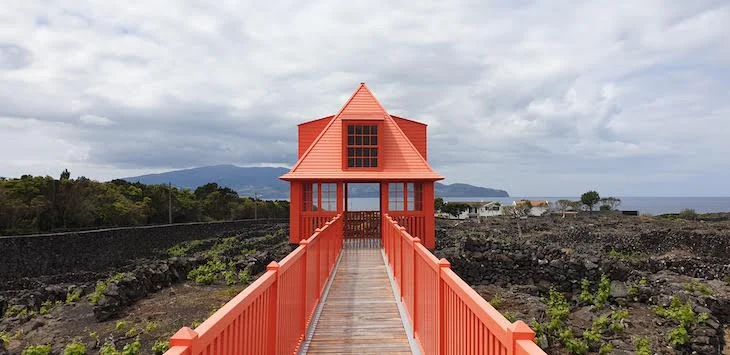
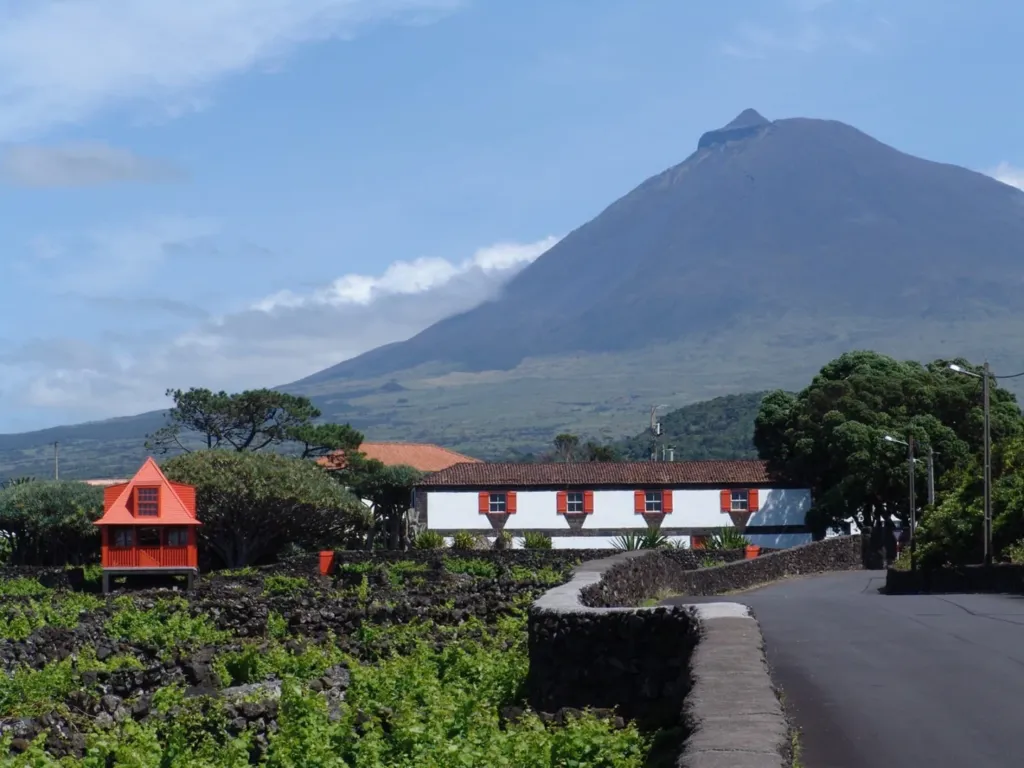
Landscape of the Pico Island Vineyard Culture Interpretation Centre
Dit Centrum, part of the European Geoparks Network, offers insights into the unique landscape of terraced vineyards, classified as a UNESCO World Heritage site. It is an ideal space to understand the interaction between humans and nature in wine production.

Chapel of Nossa Senhora da Conceição
Een historic chapel dating back to the 18th century, where various religious celebrations take place. Its interior is adorned with religious images and sacred art.

Activiteiten
São Roque do Pico offers a variety of outdoor activities:
Wandelen: The region is known for its trails, ranging from easy walks to more challenging hikes, such as the trail leading to Pico. The natural landscapes are stunning, with panoramic views of the ocean and surrounding islands.
Walvissen spotten: Boat tours for dolphin and whale watching are one of the island’s main attractions. Various companies offer tours that allow you to observe these majestic creatures in their natural habitat.
Beaches and Water Activities: The region’s beaches, such as Praia da Areia and Praia de São Roque, are ideal for relaxing or engaging in water sports like diving.
Aanbevolen restaurants
São Roque do Pico boasts a culinary scene that combines traditional flavors with fresh ingredients:
Magma Restaurant Bar: With breathtaking views of the sea, this restaurant is known for its fresh fish dishes and local specialties, such as the Furnas stew.
Restaurante Ancoradouro: This cozy spot serves regional dishes, focusing on local products, including the famous Pico cheese and meat and fish dishes.
Festiviteiten
Throughout the year, São Roque do Pico hosts several festivities:
Festivities of São Roque: Celebrated in August, these festivities include processions, concerts, and cultural activities, attracting both locals and visitors.
Wine Festival : A celebration dedicated to Pico’s wine, occurring in September and featuring tastings, music, and traditional dances.
Handige tips
Renting a car is the best option for exploring the island, as it allows easy access to various attractions.
The weather in the Azores can be unpredictable. It’s recommended to bring appropriate clothing for different weather conditions and to be prepared for rapid changes.
The Azoreans are known for their hospitality. Don’t hesitate to interact with locals, who are always willing to share stories and tips about the region.
Te bezoeken
More to explore
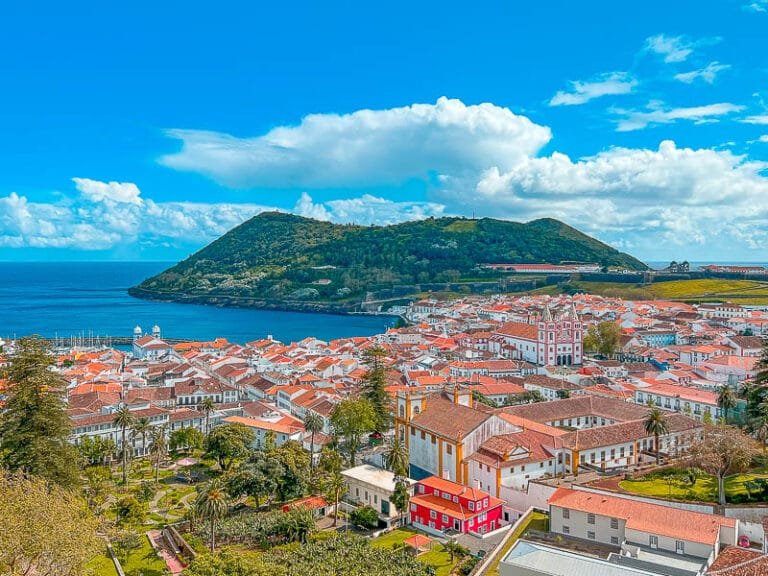
Het eiland Terceira
The Island of Terceira, discovered in 1450, is the third largest in the Azores archipelago.

Eiland São Miguel
São Miguel, discovered in the mid-15th century by Portuguese navigators, was the first Azorean island to be settled, attracting mainland…

het eiland Santa Maria
Santa Maria Island, the southernmost of the Azores archipelago, offers a tranquil escape amidst natural beauty and historical charm. Known…
Ervaringen
Explore related experiences
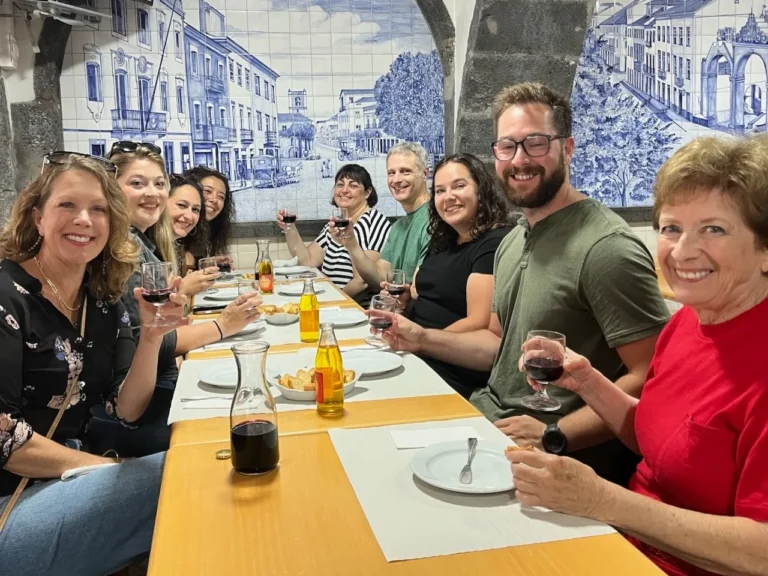
Culinaire wandeltocht met wijn in Ponta Delgada, inclusief diner
 English (UK)
 Português
 Polski
 Nederlands
 Italiano
 Français
 Español
 Deutsch