Castelo de Castro Marim
The first headquarters of the Order of Christ, above the Guadiana and Portugal’s oldest nature reserve, the Sapal.
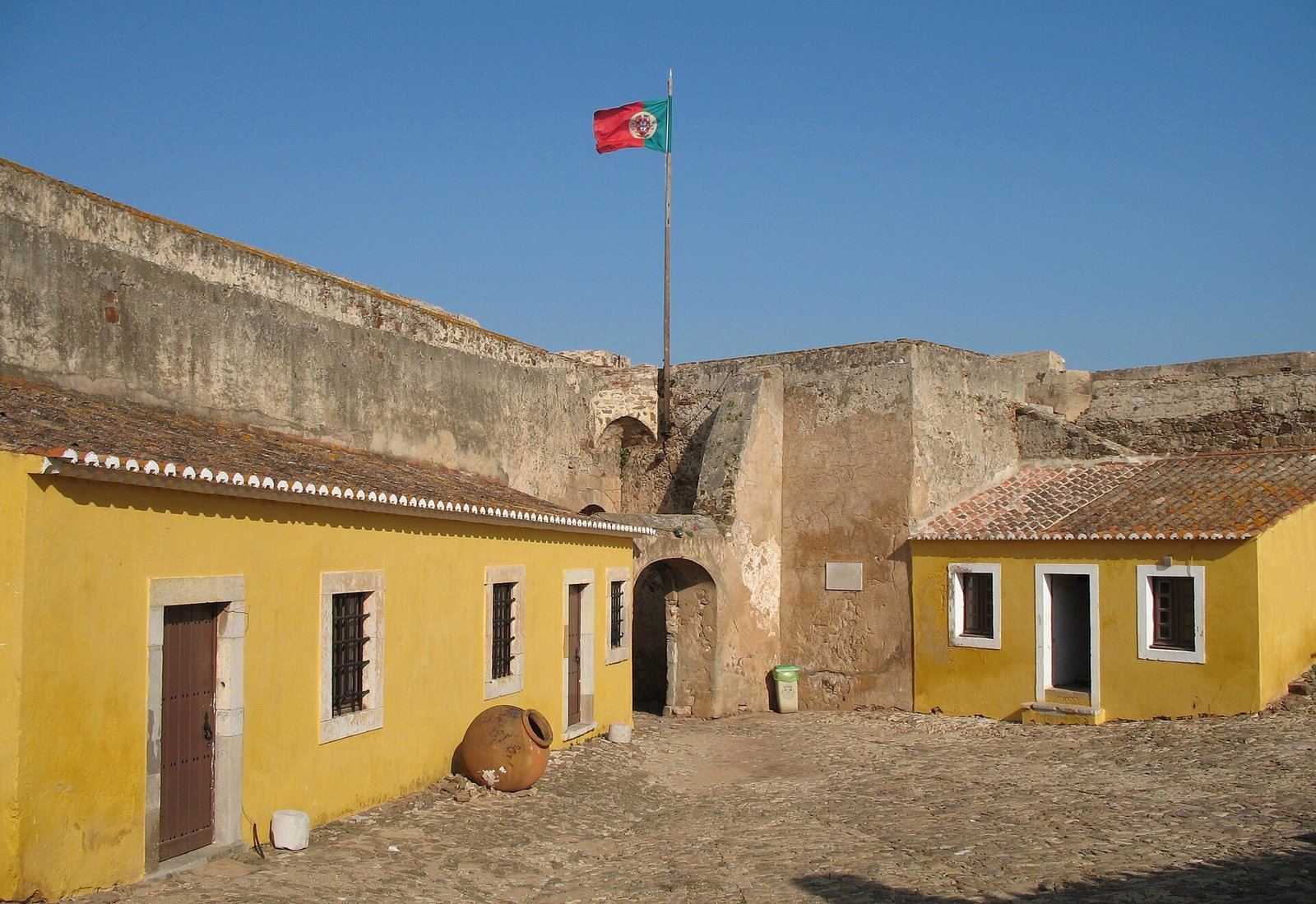
Castro Marim’s castle keeps one of the great crossroads of Portuguese history. From its hill above the Guadiana it watched Phoenicians, Romans and Moors pass, became the first home of the Order of Christ, and still looks across the river to Spain — while at its feet the salt marshes fill with flamingos and waders.
First seat of the Order of Christ
Taken from the Moors in 1242, the town was fortified by Afonso III and, under King Dinis — who added the outer wall after losing Ayamonte to Castile — received a new charter in 1282. In 1319 the newly founded Order of Christ, heir to the Templars, installed its headquarters here, remaining until 1356 when the order moved to Tomar. The castle is a National Monument, with Roman and Iron Age layers below its quadrangular walls, and the older lanes of the village still climb to its gates. Below, the Reserva Natural do Sapal — the oldest nature reserve in Portugal, created in 1975 — spreads in salt pans and marsh; the Salinas de Castro Marim still harvest salt by hand, and the fort of Cacela Velha stands guard further along the coast.
What to see
- The castle walls, keep and archaeological centre
- The views over the Guadiana and into Spain
- The salt pans and birdlife of the Sapal reserve
- The churches and lanes of the old village
- The Revelim fort, part of the 17th-century defences
Practical information
Castro Marim lies three kilometres from Vila Real de Santo António, at the eastern edge of the Algarve. Go early or late for the light on the marsh and take binoculars: the reserve is a stopping point on the migration routes between Europe and Africa.
Image credit: Castelo de Castro Marim by Marc Ryckaert (MJJR) — CC BY 2.5, via Wikimedia Commons.
Te bezoeken
More to explore
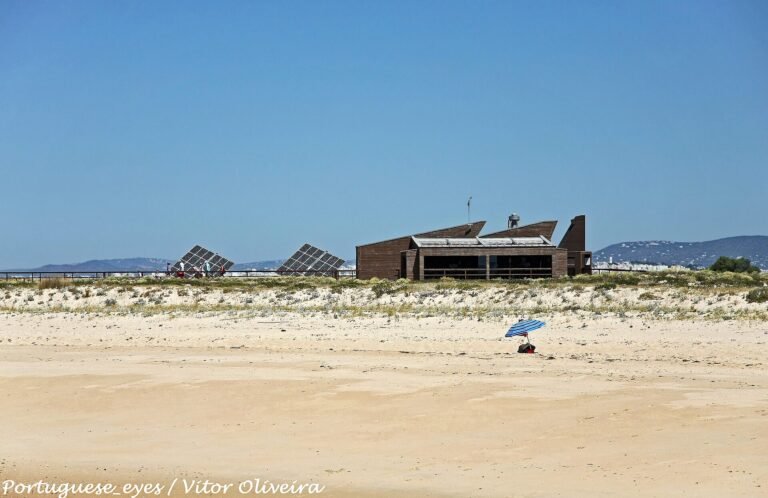
Ilha Deserta
The only uninhabited barrier island of the Ria Formosa: boardwalks, dunes, a solar restaurant and the island’s long white beach.
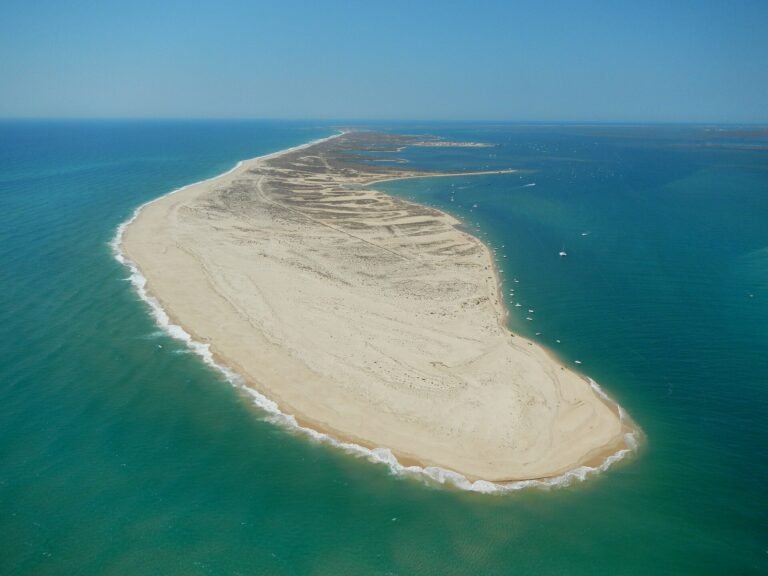
Ilha da Culatra
A barrier island with a working fishing village, reached by ferry from Faro or Olhão — the Algarve at its…
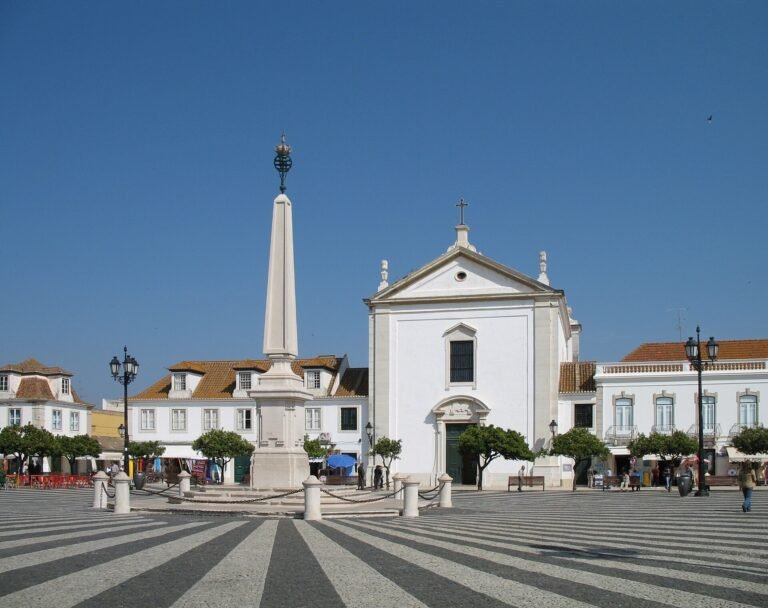
Vila Real de Santo António
The entire town planned by Pombal after 1755 and built in two years on the Guadiana frontier, facing Spanish Ayamonte.
Ervaringen
Explore related experiences

 English (UK)
 Português
 Polski
 Nederlands
 Italiano
 Français
 Español
 Deutsch