Museu Nacional do Azulejo
Five centuries of Portuguese tile art, in a former sixteenth-century convent in Lisbon.
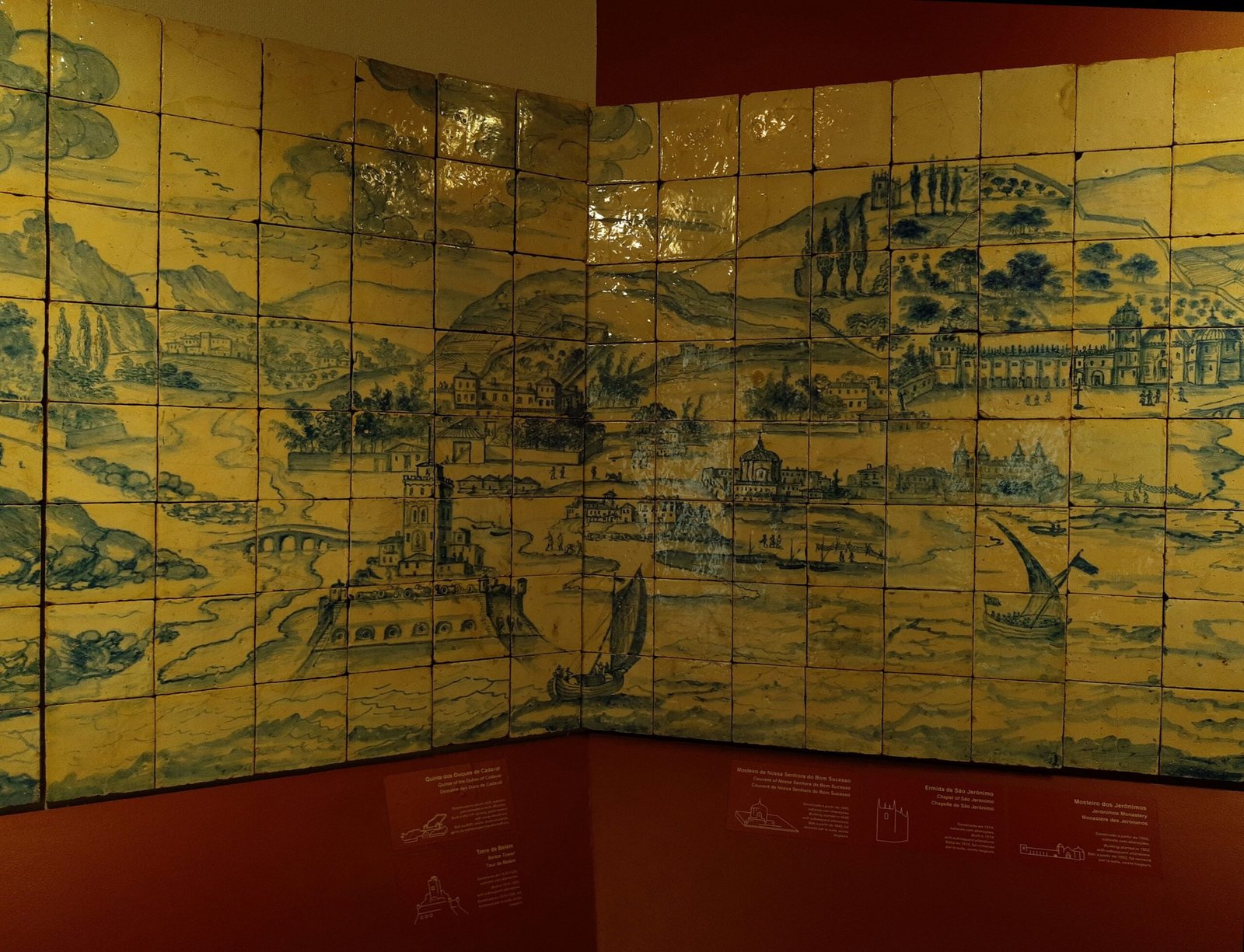
The Museu Nacional do Azulejo tells the story of five centuries of Portuguese tile art in one of the most beautiful settings in Lisbon: the former Convento da Madre de Deus, founded in 1509.
From convent to museum
The convent was founded by Queen Leonor and rebuilt after the 1755 earthquake, and its church is one of the finest baroque interiors in the city. The museum was created in the 1960s and installed here from 1980, tracing the azulejo from its Moorish origins through the great baroque and rococo panels to contemporary work.
What to see
- The Panorama de Lisboa, a 36-metre tile panel showing the city before the 1755 earthquake.
- The baroque church of the convent, richly decorated with gilded woodwork and tiles.
- The cloisters and the calm garden courtyards.
- Portuguese and imported tiles from the fifteenth century to the present day.
Visiting the museum
The museum is at Rua da Madre de Deus 4, 1900-312 Lisbon, in Xabregas, a short taxi or bus ride east of the city centre. Opening hours and tickets are published on the official website, so check before your visit.
Visitor information: museudoazulejo.gov.pt.
Image credit: Azulejo panel, Museu Nacional do Azulejo, by Gerda Arendt, CC0, via Wikimedia Commons.
Ervaringen
Explore related experiences



 English (UK)
 Português
 Polski
 Nederlands
 Italiano
 Français
 Español
 Deutsch
 한국어
한국어 简体中文
简体中文 Svenska