Mosteiro de Santa Cruz
A historic monastery in Coimbra, with the tombs of the first kings of Portugal and a celebrated baroque church.

The Mosteiro de Santa Cruz, in the heart of Coimbra, is one of the most important religious buildings in Portugal. Founded in the twelfth century, it holds the tombs of the first two kings of Portugal and preserves a remarkable combination of Manueline and baroque architecture.
A royal monastery
The monastery was founded in 1131 by São Teotónio and his companions, and quickly became one of the wealthiest and most influential houses in the kingdom. It was rebuilt in the sixteenth century, when the Manueline church and cloister were created, and again in the baroque period, which gave it the gilded interior and the great organ seen today.
What to see
- The tombs of Kings Afonso Henriques and Sancho I.
- The church, with its gilded woodwork and baroque decoration.
- The Manueline cloister, one of the finest in Portugal.
- The sacristy, the choir and the historic library of the monastery.
Visiting the monastery
The monastery is at Praça 8 de Maio, in the centre of Coimbra. Opening hours and tickets are published on the official website, so check before your visit.
Visitor information: mosteirodesantacruz.pt.
Image credit: Mosteiro de Santa Cruz, Coimbra, by Berthold Werner, CC BY-SA 4.0, via Wikimedia Commons.
Warto odwiedzić
More to explore

Termas de São Pedro do Sul
Portugal’s greatest spa, in a wooded valley of the Vouga, where hot sulphur water has been easing aches since Roman…
Queima das Fitas de Coimbra
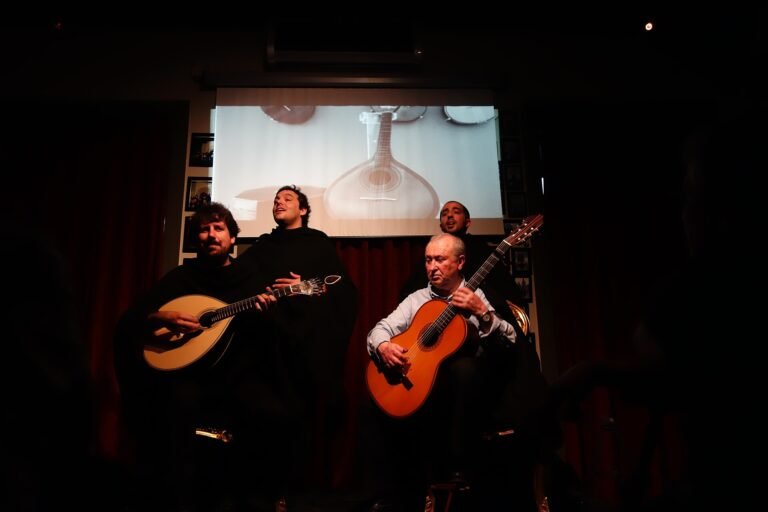
Every May since 1901, Coimbra’s Queima das Fitas fills the city with capes, ribbons, fado and the great satirical parade.
Ovar
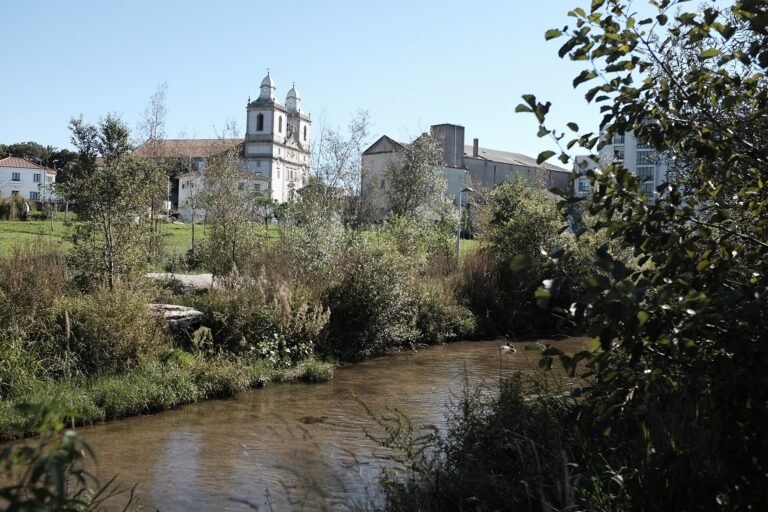
Ovar is Portugal’s living museum town of the azulejo, where whole streets wear tiled façades by the Ria de Aveiro.
Atrakcje
Explore related experiences

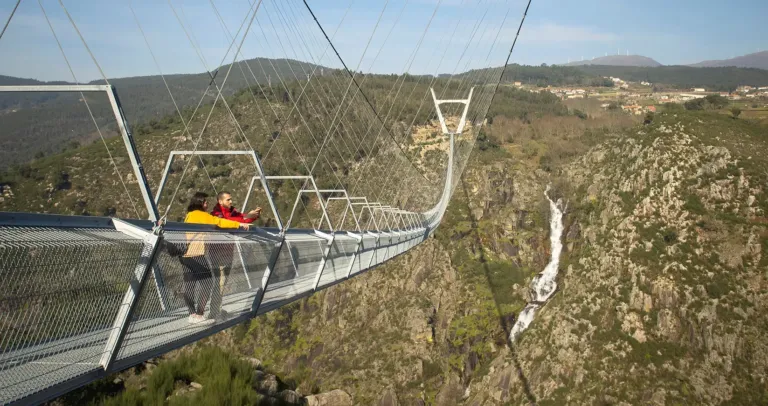
Wycieczka z przewodnikiem z Porto do mostu 516 Arouca i Passadiços de Paiva
 English (UK)
 Português
 Polski
 Nederlands
 Italiano
 Français
 Español
 Deutsch