Reserva Natural do Estuário do Sado
The estuary of the Sado, its dolphins, salt pans and birdlife, in front of Setúbal.
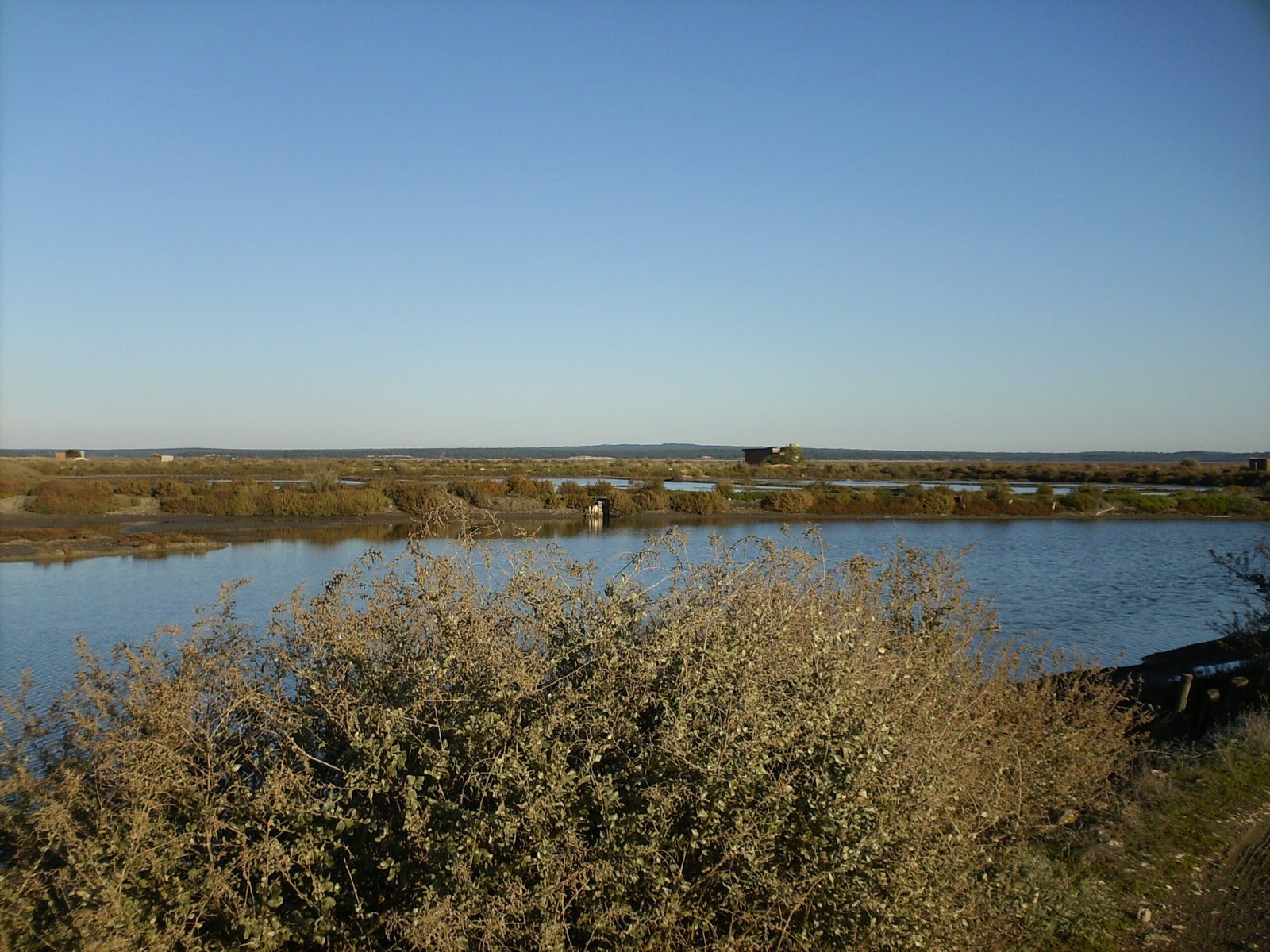
At the mouth of the Sado, in front of Setúbal, the river opens into one of the great estuaries of Portugal — a world of water, sandbanks, salt pans and rice fields. The Reserva Natural do Estuário do Sado protects this landscape and its life: birds by the thousand, the last rice fields of the estuary and a community of bottlenose dolphins that lives here all year round, one of the few resident populations in Europe.
The estuary
The estuary is formed where the Sado meets the Atlantic, in a wide plain of mudflats and marshes between Setúbal and the dunes of Tróia. The reserve was created to protect this transition between river and sea: the salt pans that have shaped the landscape for centuries, the rice fields of the lowlands, and the birds — flamingos, waders and herons — that stop here on the routes between Europe and Africa.
What to see
- The bottlenose dolphins of the estuary, seen on boat trips from Setúbal.
- The salt pans and the rice fields of the plain.
- The birdlife of the marshes and sandbanks.
- The landscapes of the estuary, between the river and the Atlantic.
Visiting
The estuary is explored from Setúbal, where the boat trips to watch the dolphins leave from the riverside; the observation is done at a distance, following the rules that protect the animals and the reserve. The visitor centres and the official programmes follow the information of the institute that manages the protected areas, and the conditions of the trips should be confirmed before booking.
Nearby
The city of Setúbal, with its Mercado do Livramento, is the natural gateway to the estuary.
Information: icnf.pt.
Image credit: The Sado estuary, by Epinheiro, CC BY 3.0, via Wikimedia Commons.
A visitar
More to explore
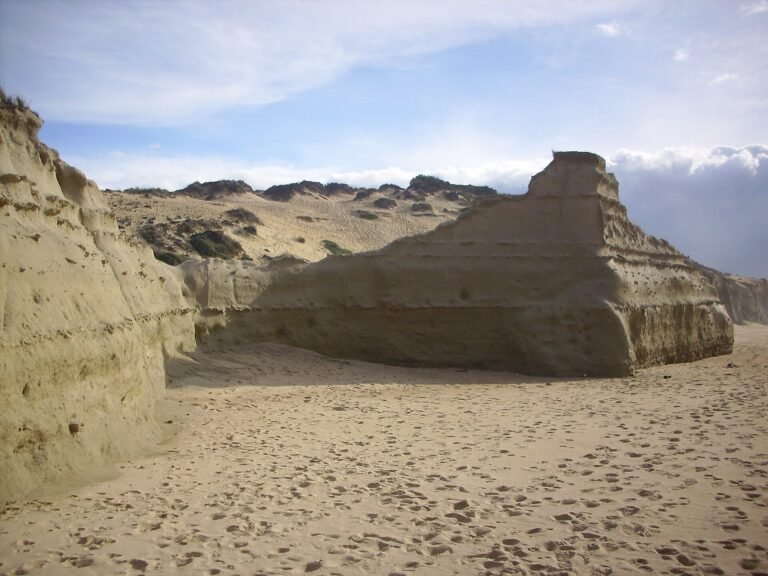
Praia do Meco
Four kilometres of Atlantic sand south of Lisbon, with dunes and pines — and the naturist beach of Rio da…
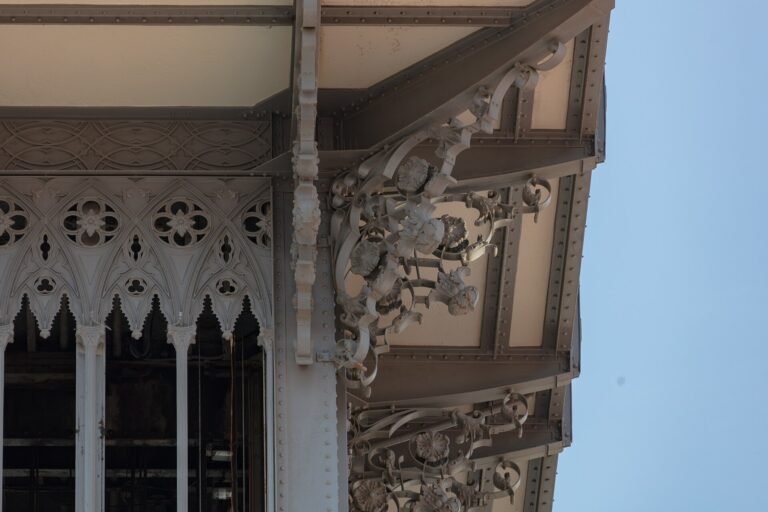
Elevador de Santa Justa
Since 1902, Lisbon’s iron lift has climbed from the Baixa to Largo do Carmo — part transport, part viewpoint, all…

Aqueduto das Águas Livres
Lisbon’s 18th-century aqueduct carried water from Sintra’s hills above the Alcântara valley in 35 arches, and survived the 1755 earthquake.
Experiências
Explore related experiences

 English (UK)
 Português
 Polski
 Nederlands
 Italiano
 Français
 Español
 Deutsch