Setúbal and the industrial tourism route: The rebirth of the canning Tradition
Setúbal reaffirms its place on the experiential tourism map by joining the national network “Discovering Industrial Tourism”. Focusing on the historic canning industry, this initiative promises to transform the industrial heritage of the Sado into an authentic and living itinerary, combining centuries-old tradition with innovative tourism to attract an audience that values Portuguese culture and identity.
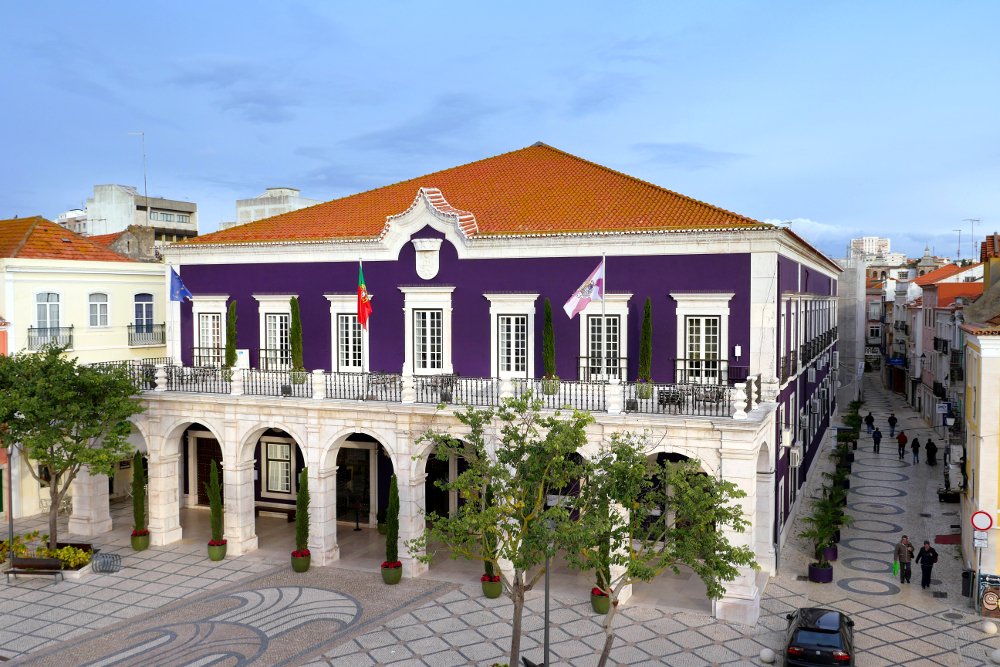
The city of Setúbal has just taken a strategic and decisive step in consolidating its tourism offering by formally joining the national initiative “Discovering Industrial Tourism.” This integration is not just an administrative formality; it is the recognition of a living heritage that has shaped the identity of the Sado region for over a century. By opening the doors of its canneries and museums, Setúbal is positioning itself at the forefront of a global trend: experiential and memory tourism.
What is Industrial Tourism and why does it matter?
Industrial tourism is defined by visits to places, processes, and artifacts that represent a region’s production culture. In Portugal, this segment has experienced significant growth, attracting travelers who are looking for more than just passive leisure. These visitors seek “know-how,” the history of the people, and the authenticity of manual processes.
By joining this network, Setúbal now offers structured itineraries that connect the industrial past to the economic present, allowing working factories and old industrial buildings to become stages for learning and cultural appreciation
With this new initiative, visitors have the opportunity to follow a path that goes far beyond a simple guided tour. Highlights include:
- Production Units: Where you can observe the artisanal method of cutting and packaging, which has changed little over the decades to ensure premium quality.
- Museum Spaces: Places that preserve the graphic heritage of canned food cans—true pieces of vintage design—and the machinery that revolutionized production.
- The Mediterranean Diet: The appreciation of blue fish (sardines and mackerel) as a gastronomic product of excellence with proven health benefits.
Strategic impact on the Sado Region
Setúbal’s participation in this project, promoted by Turismo de Portugal and the Industrial Tourism Working Group, brings concrete benefits to the local economy:
- Combating Seasonality: Unlike sun and sea tourism, industrial tourism can be enjoyed throughout the year, ensuring a constant flow of visitors to the city, even in the winter months.
- Enhancing the Territorial Brand: Setúbal is no longer seen only as a gateway to Arrábida or Tróia, but is establishing itself as a cultural and historical center with its own identity.
- Sustainability and Education: These visits promote awareness of the consumption of local products and the importance of preserving industrial heritage for future generations.
The focus on industrial tourism is a demonstration of strategic intelligence. In a global market saturated with generic experiences, authenticity is the most valuable currency. Setúbal has understood that its old canning factories are not just ruins or memories of a bygone era, but economic and cultural assets ready to be monetized.
For the local accommodation and restaurant sector, this initiative opens the door to new partnerships and tourist packages that can include cooking workshops with preserves, photographic tours of industrial areas, and educational visits for schools and universities.
In short, the Setúbal Industrial Tourism Route is an invitation to rediscover the city through the eyes of those who built it with their own hands.