Flores Island
Despite its isolation, the island is an exceptional destination for nature lovers, geologists, hikers, and travellers in search of peace, authenticity, and dramatic natural scenery. It covers just 143 km² and has a population of around 3.500 inhabitants, most of whom live in small rural communities.
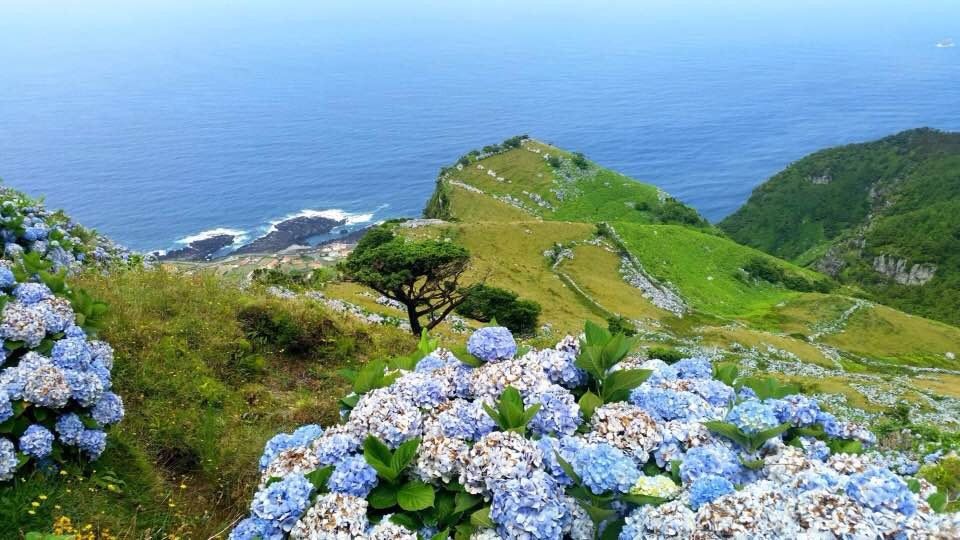
Flores Island is the westernmost point of the Azores archipelago and of Europe set adrift in the North Atlantic Ocean, approximately 1.900 km from mainland Portugal.
Named Flores for the abundance of wildflowers, especially hydrangeas that blanket the landscape in spring and summer, the island is often considered the most beautiful and least developed of the nine Azorean islands. Recognised as a UNESCO Biosphere Reserve since 2009, Flores is characterised by its rugged volcanic relief, deep green valleys, crater lakes, towering waterfalls, high sea cliffs, and endemic plant species. Its natural beauty is raw and untamed, untouched by large-scale tourism or heavy development.
Historically, Flores played a strategic role in transatlantic navigation between Europe and the Americas, particularly during the age of sail. However, it remained largely isolated and self-sufficient well into the 20th century. Today, the island preserves a traditional Azorean way of life, marked by agricultural routines, fishing activities, and a close-knit community spirit.
Reaching Flores requires more effort than visiting other islands in the archipelago, but the reward is unmatched: pristine nature, a slow pace of life, and experiences that feel deeply personal. This guide provides practical and accurate information for travellers looking to discover what Flores has to offer from sites of interest and hiking trails to local cuisine, festivals, and travel tips.
Main Points of Interest
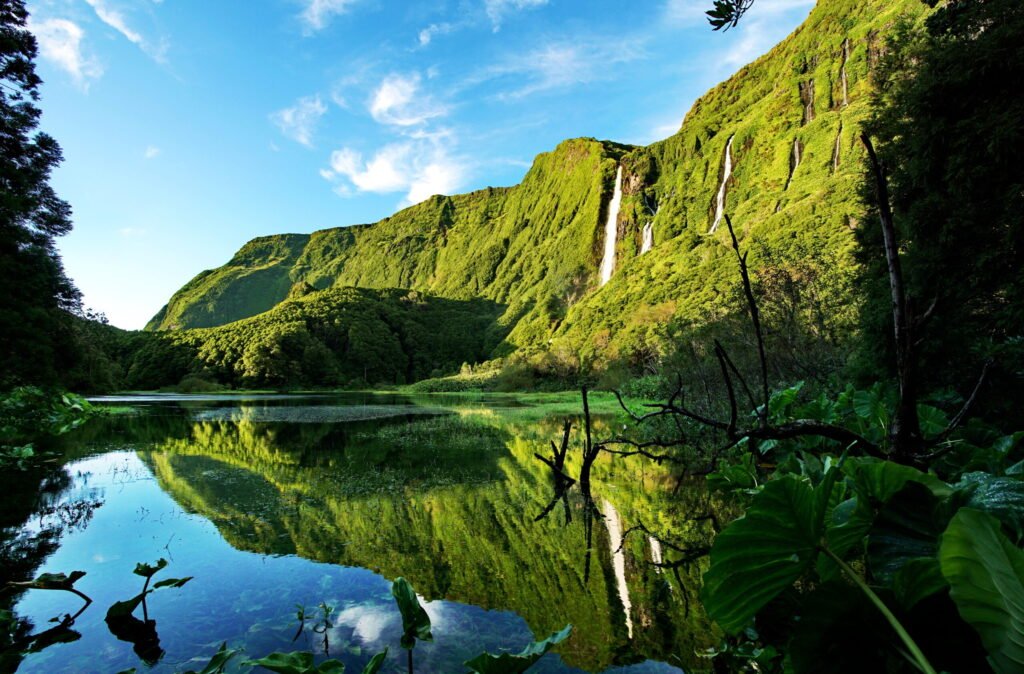
Poço da Ribeira do Ferreiro (Alagoinha)
Often referred to as “Alagoinha,” this is one of the most photographed locations in the Azores. A short hike through a forest leads to a lush basin where dozens of waterfalls stream down mossy cliffs into a tranquil lagoon. It is best visited in the early morning or late afternoon for optimal light and fewer crowds.
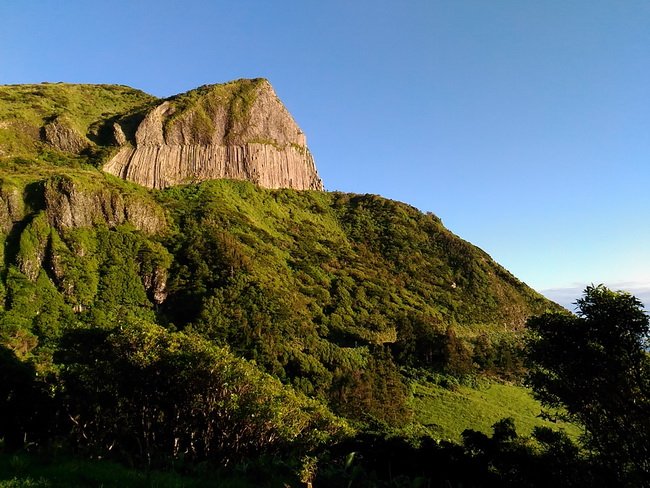
Rocha dos Bordões
A striking geological formation of vertical basalt columns resembling organ pipes. This natural monument is unique in the Azores and highlights the island’s volcanic origins. There’s a small lookout point offering panoramic views of the surrounding valleys.
Lagoas da Ilha das Flores (The Central Lakes)
The island’s volcanic calderas have formed several lakes that are scattered across the highlands:
- Lagoa Funda – the deepest lake on the island, surrounded by dense vegetation.
- Lagoa Comprida – known for its elongated shape and reflective waters.
- Lagoa Branca – offers serene views and is less frequented.
- Lagoa Rasa and Lagoa Seca – ideal for a peaceful nature walk, especially under cloud cover.
- Lagoa da Lomba – a small but charming lake with lush surroundings, perfect for quiet contemplation.
- Lagoa Negra – located near Lagoa Comprida, it impresses with its dark, deep waters and dramatic setting.
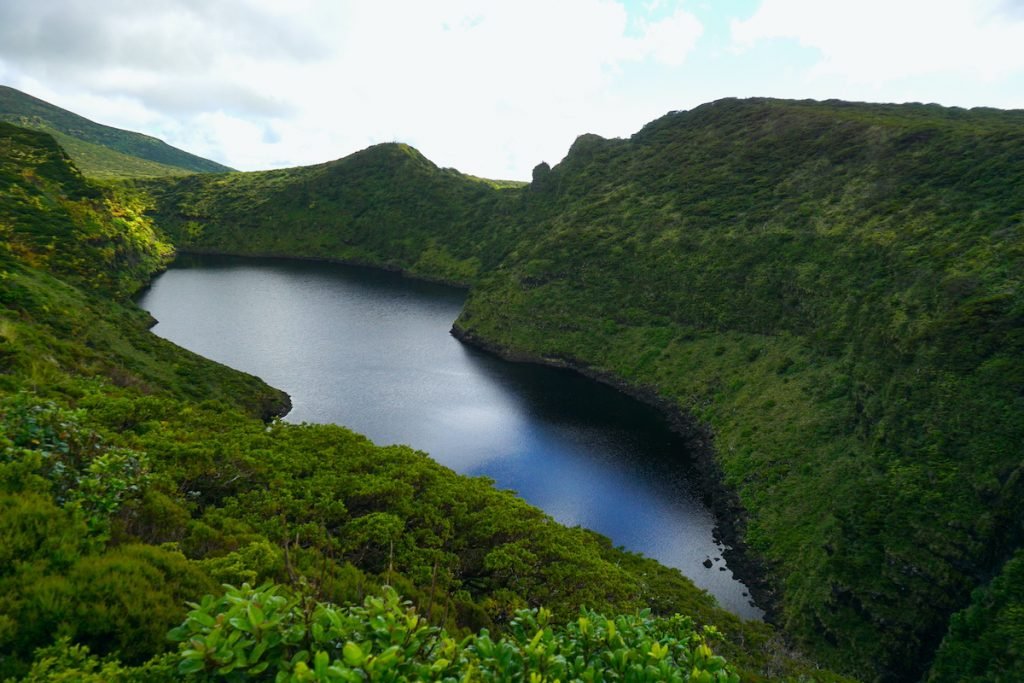
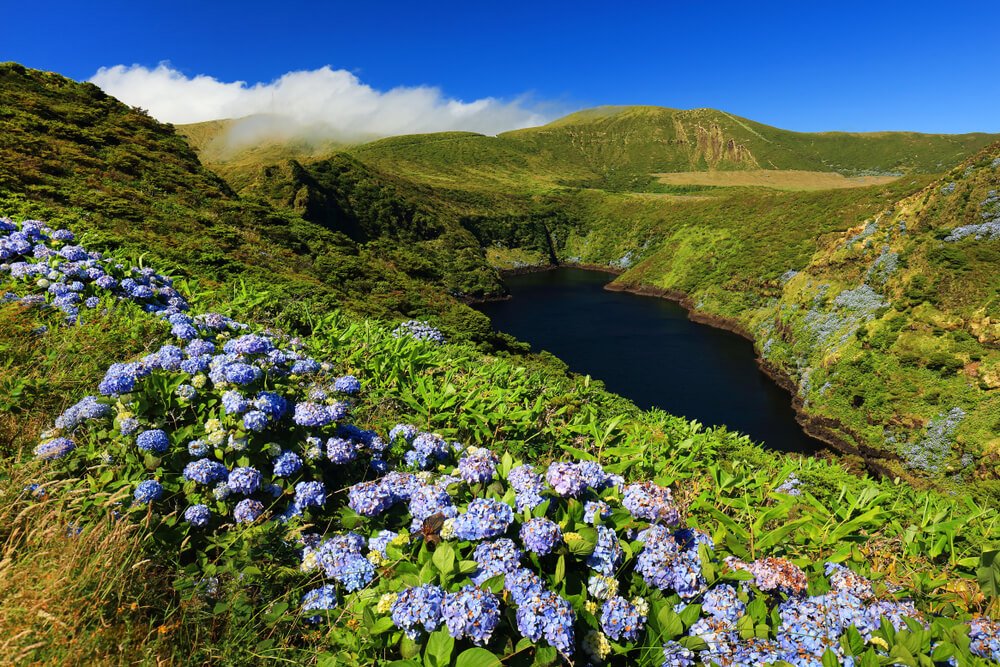
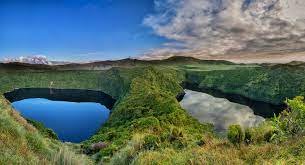
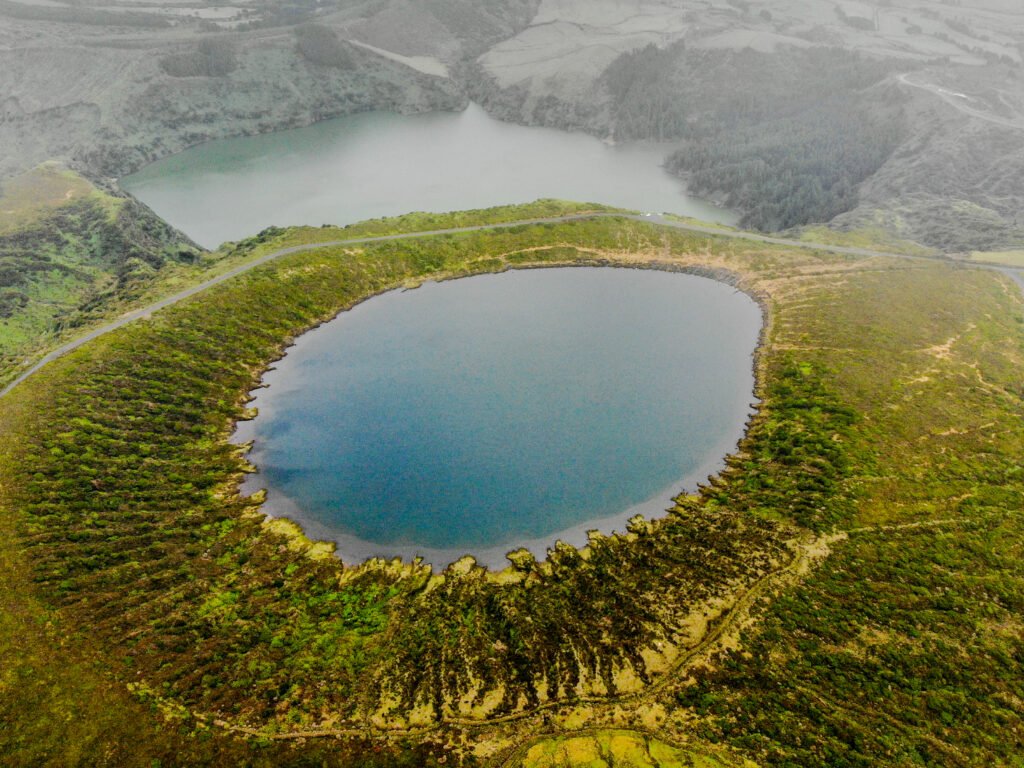
These lakes are accessible via the regional road and often linked by short walking trails.
Fajã Grande
The westernmost village in Europe, Fajã Grande is a coastal community backed by a dramatic wall of cliffs and waterfalls. It’s an excellent base for hikes and swimming in natural rock pools like the Poço do Bacalhau, a tall waterfall that cascades into a freshwater basin.
Fajãzinha
Smaller and quieter than Fajã Grande, Fajãzinha is surrounded by fertile farmland and offers access to scenic trails, particularly toward Alagoinha. It’s a good stop for a quiet walk and lunch at a local restaurant.
Santa Cruz das Flores
The island’s main town and administrative centre. Highlights include:
- Museu das Flores – covering the island’s natural history, whaling heritage, and local traditions.
- Church of Nossa Senhora da Conceição – a historic parish church with beautiful interior details.
- Marina and waterfront promenade – ideal for sunset views and a leisurely stroll.
- Flores Airport is also located here, making Santa Cruz the island’s point of arrival and departure.
Ponta Delgada (Village)
Not to be confused with São Miguel’s capital, this small village on Flores’ north coast is surrounded by rugged cliffs and ocean views. Don’t miss the Miradouro da Ponta Delgada, a scenic viewpoint that overlooks the northern coastline.
Ponta da Fajã
This secluded area on the northeast tip of the island offers sweeping views of the coastline and cliffs. Ideal for landscape photography and observing seabird colonies.
Morro Alto
The highest point on Flores (914 meters), offering panoramic views of the island’s crater lakes, forests, and the Atlantic. On clear days, you can even spot Corvo Island to the north.
Islet of Monchique (Ilhéu de Monchique)
The westernmost point of Europe, this rocky outcrop lies just offshore from Fajã Grande and is accessible only by boat. Historically used as a reference point by 15th-century navigators, it’s now a symbolic photo stop rather than a destination, but its remoteness adds to the island’s mystique.
Miradouros (Viewpoints)
Flores is full of strategically placed viewpoints, some of the most notable include:
- Miradouro Craveiro Lopes – with views of the central crater lakes.
- Miradouro da Cuada – overlooking the village of Cuada and the Atlantic Ocean.
- Miradouro do Portal – offering a sweeping perspective of the west coast and surrounding cliffs.
Aldeia da Cuada
A restored rural village turned eco-tourism retreat near Fajã Grande. The stone houses have been refurbished into guest cottages, and the whole area maintains its historic layout. Visitors can walk through the cobbled paths to get a sense of pre-modern Azorean life.
Lajedo
A peaceful inland village surrounded by meadows and pastures. The trail from Lajedo to Fajã Grande is one of the best hiking routes on the island, passing waterfalls, cliffs, and natural springs.
Fazenda das Lajes
A less-visited inland village that offers access to forest trails and lookout points. Its elevation provides views over the southern coast.
Activities and Experiences
Hiking: Flores offers well-marked hiking trails that pass through forests, cliffs, lakes, and waterfalls. Popular routes include the Fajã Grande to Ponta Delgada trail and the Lajedo to Fajã Grande path.
Swimming and Wild Bathing: There are natural swimming pools in Santa Cruz das Flores and Fajã Grande. During the summer months, the Atlantic is calm and inviting.
Birdwatching and Whale Watching: The island is a prime spot for observing migratory birds, especially in spring and autumn. Boat tours also offer the chance to spot whales and dolphins.
Canyoning and Kayaking: Outdoor adventure companies offer canyoning experiences in the island’s numerous waterfalls and ravines. Kayaking is also available in the coastal zones and lakes.
Recommended Restaurants
Aldeia da Cuada – Located in a restored rural village, this restaurant offers traditional Azorean dishes with a modern twist in a rustic setting.
Pôr do Sol (Fajãzinha) – A family-run spot known for fresh fish, octopus stew, and homemade desserts.
Casa do Rei (Santa Cruz) – A simple and reliable restaurant with regional meat and seafood dishes, popular with locals and travellers alike.
Restaurante Amanhecer – Great for local snacks, daily specials, and relaxed meals near the airport.
Festivities
Festas de Santa Cruz (August) – The main town festival includes religious processions, music, traditional food, and community events.
São João (June) – Celebrated with bonfires, music, and dances in various villages across the island.
Festival dos Moinhos (Lajes das Flores) – A cultural celebration in honour of the island’s historic watermills, usually held in summer.
Useful Tips
Getting There: Flores is accessible by plane from São Miguel and Terceira via SATA Azores Airlines. Ferry connections exist with Corvo Island during the summer months.
Transport: Renting a car is essential to explore the island fully, as public transport is limited and taxis are scarce.
Best Time to Visit: May to September, when the weather is mild and most attractions are open. However, the island’s beauty is present year-round.
Weather: Be prepared for rapid changes. Rain and mist are frequent, even in summer, due to the island’s location and elevation.
Accommodation: Options range from rural guesthouses and eco-lodges to small hotels, with many offering stunning views of the sea or mountains.
Flores Island stands out as one of the most serene and naturally rich islands of the Azores. Ideal for those who appreciate solitude, hiking, and unspoiled landscapes, it rewards visitors with authentic experiences far from the usual tourist trail.
Whether you are watching waterfalls crash into the sea, enjoying a fresh seafood meal, or exploring centuries-old trails, Flores offers a deep connection with nature and Azorean culture.