Alfama
Lisbon’s oldest quarter, a hillside of winding lanes below the castle that escaped the 1755 earthquake and still sings fado at night.
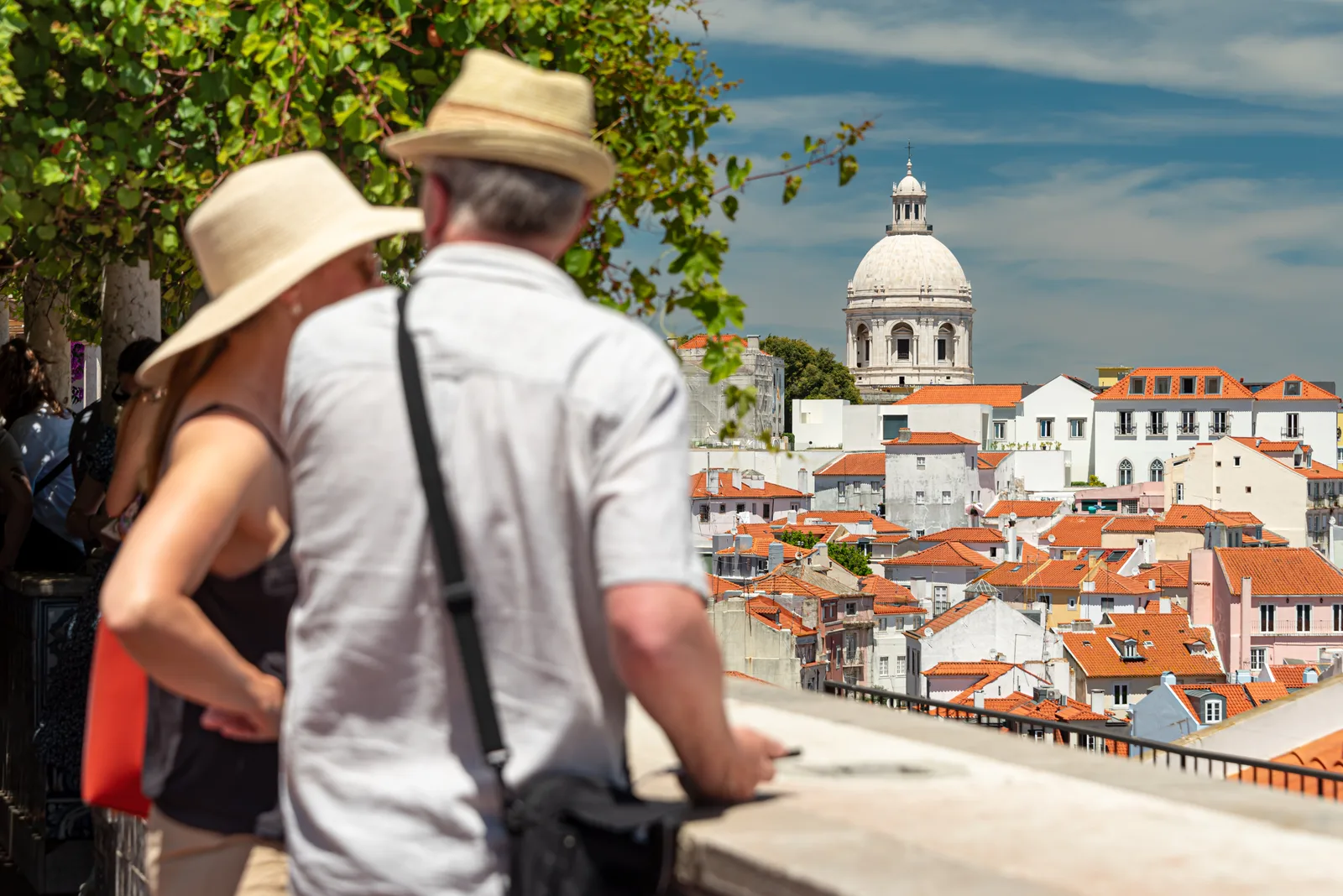
The hillside between the castle and the river is Lisbon at its oldest. Alfama, the oldest and most traditional neighbourhood in the city, keeps the winding, hilly layout of its Moorish past: lanes and stairways that follow the ground rather than any plan, whitewashed houses stacked one above the other, and small squares where laundry hangs out of the windows.
From Arabic springs to fado nights
The name comes from the Arabic al-hamma, the thermal springs that rise here, and for centuries under Moorish rule this was the heart of the city. When the 1755 earthquake destroyed most of central Lisbon, the sturdy hillside kept Alfama’s medieval streets largely intact, which is why the quarter still feels like a village that time agreed not to disturb. It is also one of the Lisbon quarters where fado grew up — the urban popular song inscribed by UNESCO on the intangible heritage list in 2011 — and on summer evenings the guitarra can be heard from doorways and tiny restaurants. At the foot of the hill stands the Sé de Lisboa, and the city’s own story is gathered at the Museu de Lisboa.
What to see
- The maze of lanes and stairways between Portas do Sol and the river
- The Miradouro de Santa Luzia and its view over the rooftops
- São Jorge Castle, crowning the hill above the quarter
- The Museu do Fado, dedicated to the city’s song
- The Sé de Lisboa at the western edge
- The small fado houses that open their doors in the evening
Practical information
Alfama climbs from the Tagus up to São Jorge Castle, just east of the Baixa, and every point in between seems reached by stairs. The cobbled lanes are steep and slippery when wet: bring comfortable shoes and take the hills slowly.
Image credit: Lisboa – Miradouro de Santa Luzia by Jorge Franganillo — CC BY 2.0, via Wikimedia Commons.
Experiences
Explore related experiences



Charms of Lisbon: Alfama Tapas Tour and Sunset Sailing
 English (UK)
 Português
 Polski
 Nederlands
 Italiano
 Français
 Español
 Deutsch
 한국어
 简体中文
 Svenska