Aqueduto da Água de Prata
The silver aqueduct of Évora: eighteen kilometres of arches built for João III in the 1530s, carrying water into the city until 1979.

Walking out of the centre of Évora towards the north, the traveller passes under a line of stone arches that has carried the city’s water for nearly five centuries: the Aqueduto da Água de Prata, the Silver Water, begun in 1531 for King João III by the royal architect Francisco de Arruda.
Water across the plain
The aqueduct runs roughly eighteen kilometres from the springs of Graça do Divor to the city, a chain of tunnels and arches crossing the Alentejo plain. Inside Évora its tallest arches rise to some twenty-five metres, and the city grew into the structure: houses, shops and staircases have been built between the arches for generations, turning the engineering work into streets.
Four centuries of service
The Silver Water supplied Évora until 1979 — four hundred and forty years of continuous service — and its arches remain among the most characteristic sights of the old city, minutes from the Roman temple and the cathedral. The country sections stand open in the fields beyond the walls.
What to see
- The great arches in the city, with houses built between them
- The country stretches of the aqueduct
- The source area at Graça do Divor
- The route linking the temple quarter to the northern gates
- The memory of Arruda’s Renaissance engineering
Practical information
The aqueduct crosses the northern side of Évora’s historic centre, a few minutes’ walk from the Giraldo square; the open country arches are reached on the roads out of the city. Évora summers are hot — carry water and walk early. The structure is part of the city’s UNESCO World Heritage setting.
Image credit: Aqueduto da Água de Prata by Vitor Oliveira — CC BY-SA 2.0, via Wikimedia Commons.
To Visit
More to explore

Museu Nacional de Évora
A national museum in the former convent of Lóios in Évora, holding Roman, Islamic and Renaissance art of the Alentejo.

Castelo de Mourão
The walls of Mourão above the Alqueva lake, a border castle of the Guadiana tied to the legend of Salúquia…

Castelo de Santiago do Cacém
Above the Roman ruins of Mirobriga, a contested frontier castle — Moorish, then Portuguese from 1217 — kept by the…
Experiences
Explore related experiences

Private Tour to Evora and Cork Experience
8 hours • All Ages • Private Tour • Tour with specialized guide!
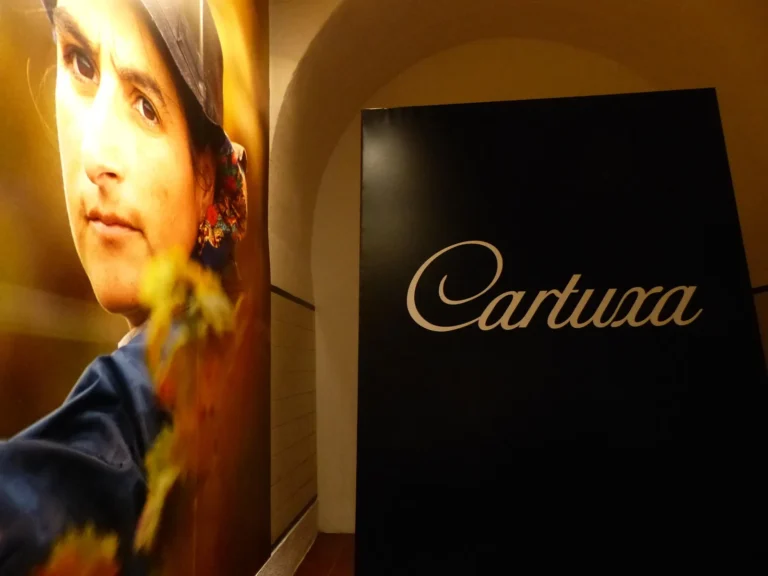
Private Tour to Evora with wine tasting at the Cartuxa Winery
8 hours • All Ages • Tour with specialized guide and wine tasting!


 English (UK)
 Português
 Polski
 Nederlands
 Italiano
 Français
 Español
 Deutsch
 한국어
 简体中文
 Svenska