Jardim Botânico Tropical
Seven hectares of tropical forest beside the Jerónimos in Belém — palm avenues, a cactus garden and rare quiet in Lisbon.
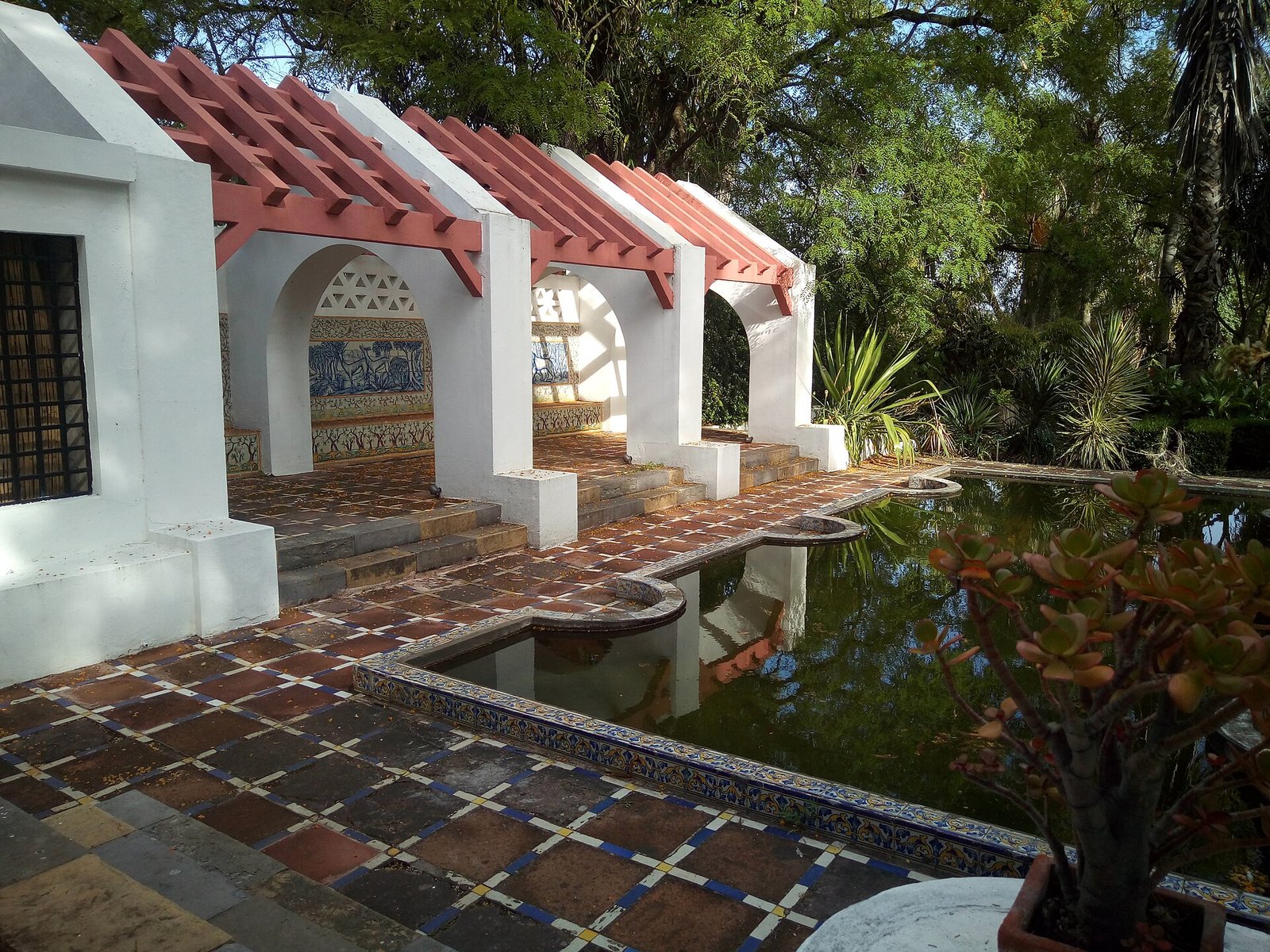
Steps from the Mosteiro dos Jerónimos, behind the queue for the famous pastries, a gate opens onto seven hectares of tropical forest in the middle of Belém. The Jardim Botânico Tropical is one of Lisbon’s least crowded and most surprising gardens: palm avenues, giant ferns, dragon trees and the woody scent of plants collected across five continents.
From colonial garden to tropical ark
The garden was created in 1906 by King Carlos I as the Colonial Garden, and moved to its present site in Belém in 1914, laid out by the French landscape gardener Henry Navel. For a century it belonged to the tropical-research institutes, and since 2015 it has been managed by the University of Lisbon alongside the National Museum of Natural History and the Lisbon Botanical Garden. Classified as a National Monument in 2007, it reopened after extensive restoration works, with the long-closed cactus garden brought back to life.
What to see
- The palm and dragon-tree avenues near the entrance
- The cactus garden, reopened after decades closed
- Collections of plants linked to Portuguese exploration — pepper, cacao, coffee
- The Palácio dos Condes da Calheta, inside the grounds
- Peacocks, turtles and a silence rare in Belém
Practical information
The garden is at Largo de Belém, a short walk from the Jerónimos monastery and the Belém Cultural Centre. It opens from morning to late afternoon and closes on Mondays; tickets are modest and there are occasional free-admission days. Allow an hour — more if you intend to linger.
Image credit: Jardim Botânico Tropical by Hugo Ferreira — CC BY-SA 4.0, via Wikimedia Commons.
To Visit
More to explore
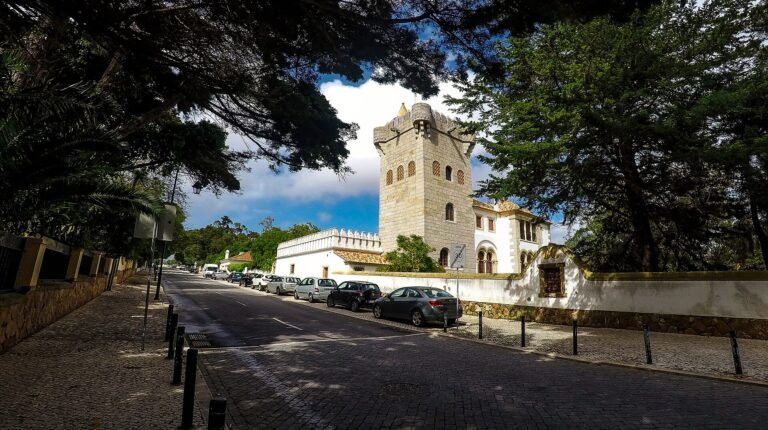
Museu da Música Portuguesa
In a Raul Lino house in Monte Estoril, the Museum of Portuguese Music keeps folk instruments, the Lopes-Graça legacy and…
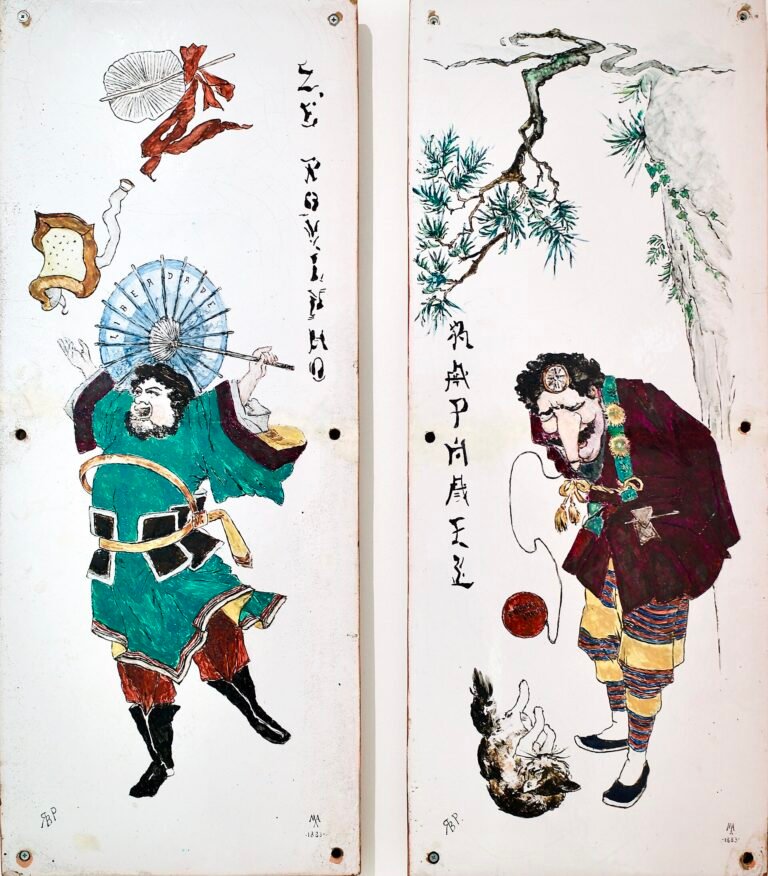
Museu Bordalo Pinheiro
Lisbon’s Museu Bordalo Pinheiro holds some 13,200 works by the creator of Zé Povinho, the most famous figure of Portuguese…

Castelo de Sesimbra
The hilltop castle of Sesimbra, the best-preserved Portuguese castle on the sea, with two exhibitions and wide views over the…
Experiences



 English (UK)
 Português
 Polski
 Nederlands
 Italiano
 Français
 Español
 Deutsch