25 de Abril Bridge (Ponte 25 de Abril)
The suspension bridge linking Lisbon and Almada, opened in 1966, with a 1,013-metre main span and a railway deck added in 1999.
View detailsLisbon: Alfama and fado, Belém's UNESCO tower and monastery, yellow trams and the viewpoints above the Tagus.
The suspension bridge linking Lisbon and Almada, opened in 1966, with a 1,013-metre main span and a railway deck added in 1999.
View detailsThe legendary Chiado café of 1905, with the statue of Fernando Pessoa at its door.
View detailsOne of Lisbon's oldest quarters, a hillside of winding lanes below the castle, where some buildings survived the 1755 earthquake, wholly or partly, and fado is still sung at night.
View detailsA museum in the former Aljube prison, tracing resistance to Portugal's dictatorship and the lives of the political prisoners held here until 1965.
View detailsLisbon's 18th-century aqueduct carried water from Sintra's hills above the Alcântara valley in 35 arches, and survived the 1755 earthquake.
View detailsA neighbourhood market in Arroios with produce stalls, small restaurants and cultural events, a few minutes from the metro and away from the crowds.
View detailsThe hilltop grid of straight streets planned in the 16th century, now Lisbon's liveliest quarter of bars, taverns and fado.
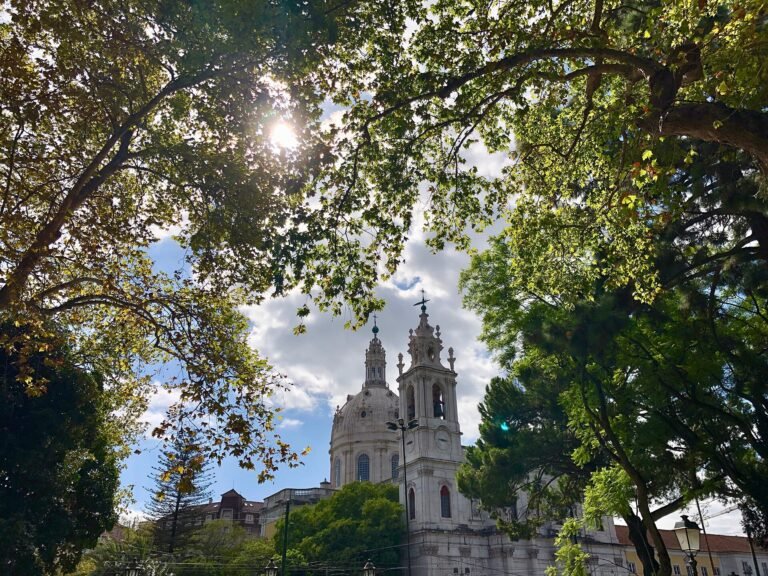
View detailsQueen Maria I's votive basilica, the first church in the world dedicated to the Sacred Heart, with a dome terrace over Lisbon.
View detailsLisbon's riverside of the Discoveries: the Jerónimos Monastery, the Torre de Belém, Vasco da Gama's tomb and the pastel that keeps the monastery recipe.
View detailsLisbon's oldest café, founded in 1782 on the edge of Praça do Comércio.
View detailsLisbon's riverfront transport hub, with the ferry terminal, the Cascais train, the Ribeira market and the Pink Street.
View detailsBrás de Albuquerque's diamond-facade house on Lisbon's riverside, home of the Saramago Foundation and of Roman remains.
View detailsThe hilltop castle above Lisbon, with its walls, gardens and the best views over the city.
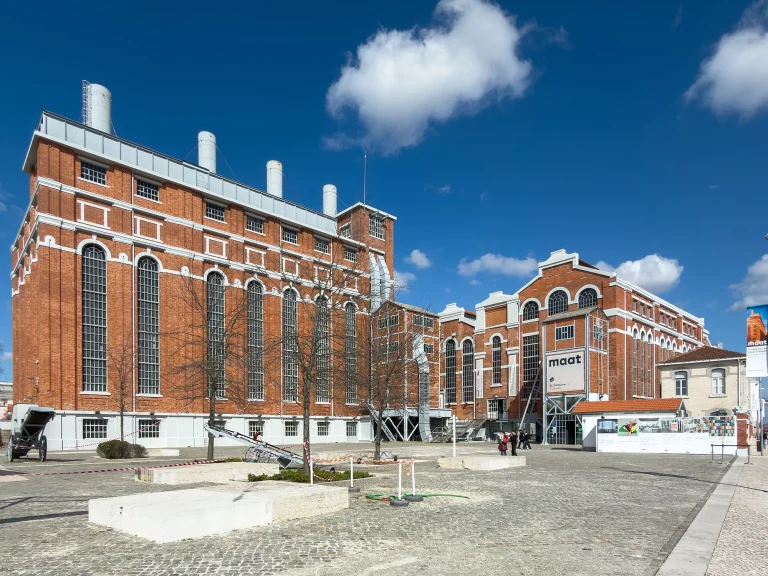
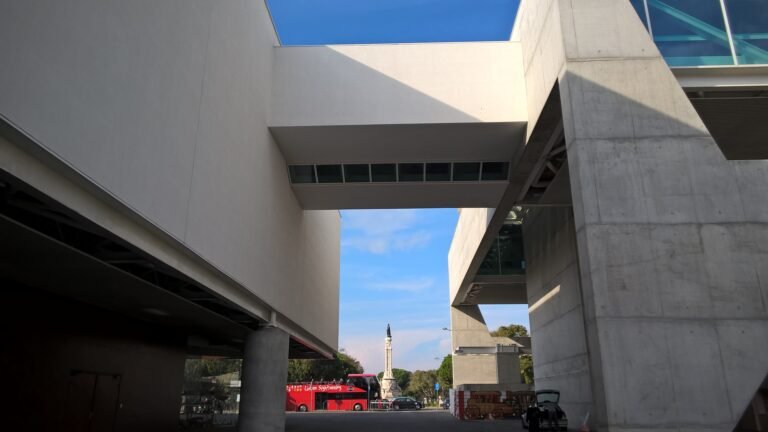
View detailsCentral Tejo is the former coal-fired power station that now houses MAAT Central. Its boilers and machinery form the Electricity Factory exhibition. The building first opened to the public as the Electricity Museum in 1990.
View detailsThe Gulbenkian Foundation's centre for modern and contemporary art in Lisbon, with the largest collection of modern Portuguese art.
View detailsThe Champalimaud Centre for the Unknown, a biomedical research and clinical campus at Pedrouços designed by Charles Correa.
View detailsA Manueline portal and a post-earthquake church near Praça do Comércio, one of the few survivals of pre-1755 Lisbon's carved stone.
View detailsLisbon's riverfront square on the site of the royal palace, rebuilt after 1755, with the Cais das Colunas steps and the Rua Augusta arch.
View detailsLisbon's communications museum, from mail and telegraph to telephone and radio, in a building between Santos and Cais do Sodré.
View detailsOne of Lisbon's oldest pastry shops, founded in 1829 beside Praça da Figueira.
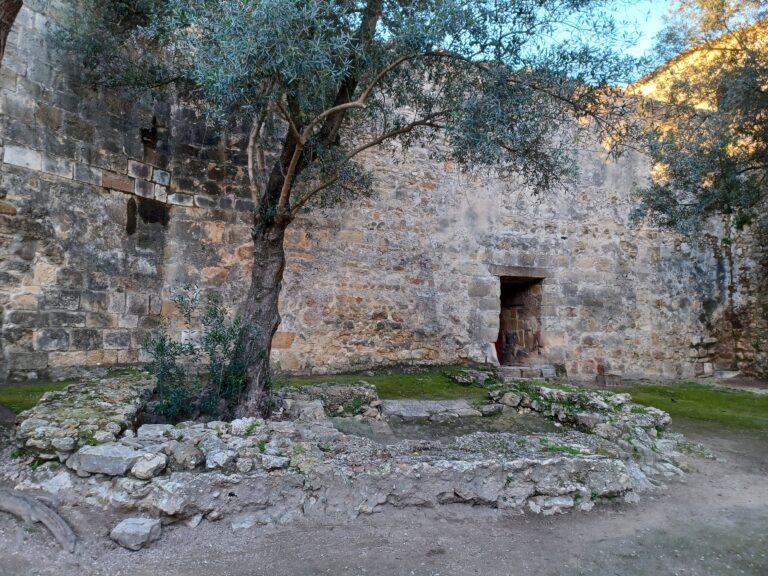
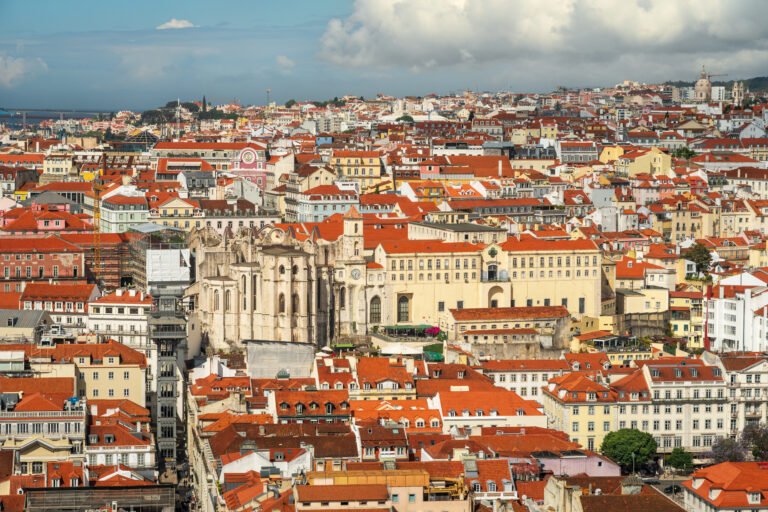
View detailsThe Carmo church was commissioned by Nuno Álvares Pereira in 1389. It was a major Gothic church in Lisbon until the 1755 earthquake caused severe damage. Reconstruction began in 1756 but was suspended in 1834, leaving the nave and transept uncovered; the ruins now house the Carmo Archaeological Museum. Its eclectic collection includes Roman inscriptions, Pre-Columbian ceramics and mummies, and archaeological finds from different sites.
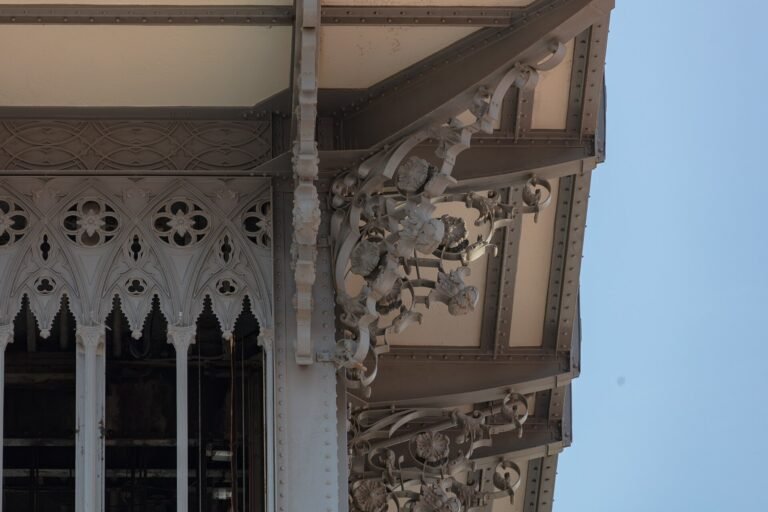
View detailsSince 1902, Lisbon's iron lift has climbed from the Baixa to Largo do Carmo — part transport, part viewpoint, all neo-gothic.
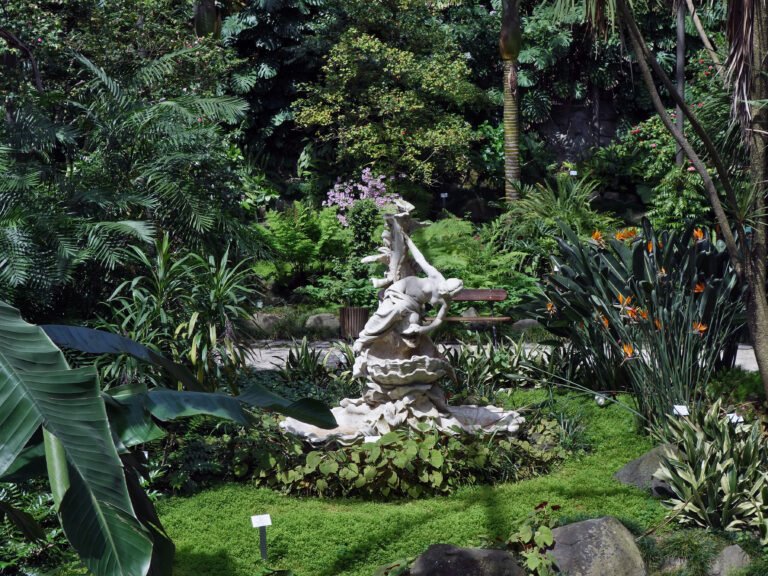
View detailsA garden of glasshouses and shaded walks in the heart of Lisbon's Parque Eduardo VII.
View detailsLisbon's centuries-old flea market, where antiques, tiles and curiosities fill the Campo de Santa Clara.
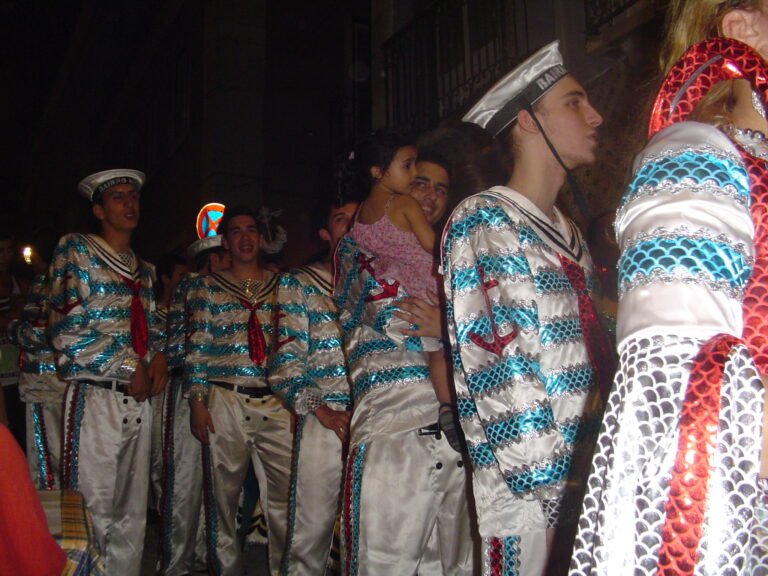
View detailsLisbon's June festivities, with the marchas populares, grilled sardines and the night of Santo António.
View detailsLisbon's 1885 funicular between Restauradores and Bairro Alto, a 275-metre ride on a National Monument with a terrace over the city at the top.
View detailsThe Church of São Domingos stands on Largo de São Domingos, between Rossio and Praça da Figueira. It was founded by King Sancho II in the 13th century; the heritage record dates the laying of its first stone to 1241. Rebuilt after the 1755 earthquake, it reopened for worship in 1776.A fire on 13 August 1959 destroyed the church's interior, including its altars and images. The effects of the heat remain visible in the stone floor.
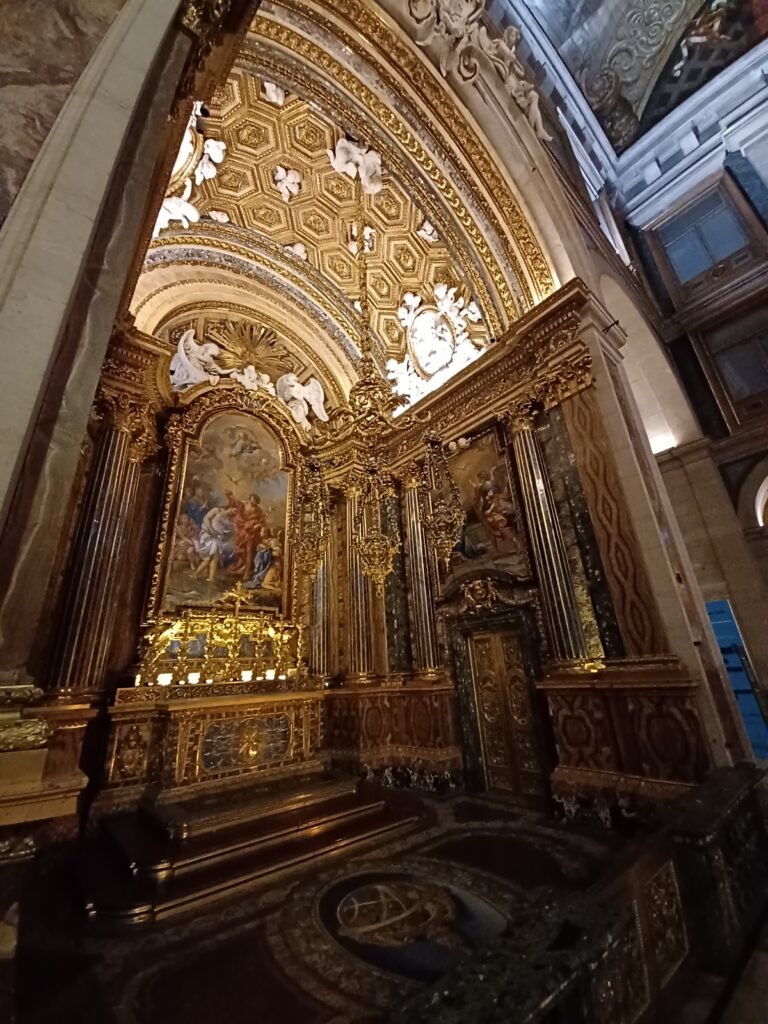
View detailsA sixteenth-century Jesuit church in Lisbon, home to the celebrated Chapel of Saint John the Baptist.
View detailsThe oldest botanical garden of Portugal, in the Ajuda quarter of Lisbon.
View detailsSeven hectares of tropical forest beside the Jerónimos in Belém — palm avenues, a cactus garden and rare quiet in Lisbon.
View detailsBuilt on land that belonged to the Convento da Graça, this 1.7-hectare public garden is the largest green space open to the public in Lisbon’s historic centre and the second largest in the city centre. Terraced paths lead to viewpoints, a pergola, a central lawn, an orange grove, a picnic area, children’s and youth play equipment, and a kiosk with an outdoor terrace. The garden also provides a pedestrian link between Graça and Mouraria.
View detailsLisbon's cruise terminal at Santa Apolónia, designed by Carrilho da Graça and opened in 2017, with a 1,490-metre quay.
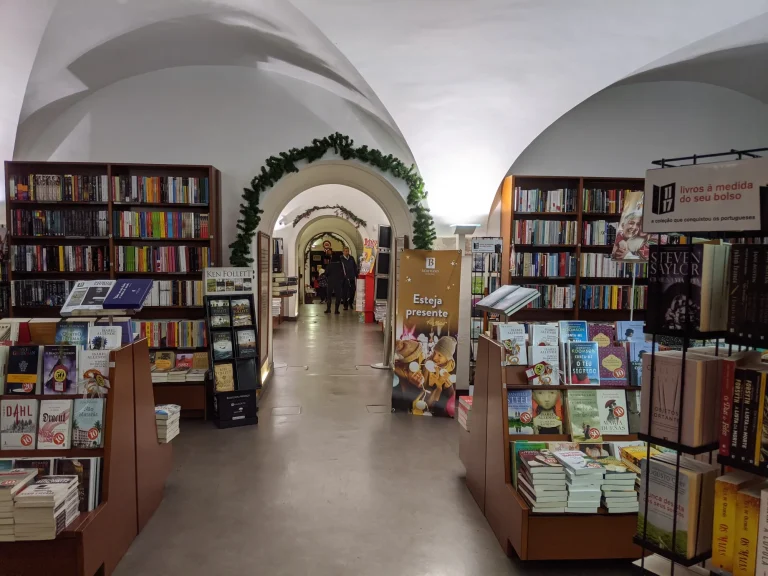
View detailsBertrand is recognised by Guinness World Records as the world’s oldest operating bookshop. Its official account traditionally dates its foundation to 1732 but notes that the bookselling activity associated with it may go back to 1727 or earlier. The original shop on Rua Direita ao Loreto was destroyed in the 1755 earthquake; the bookshop reopened on Rua Garrett in 1773. The Chiado shop now has seven rooms and a café.
View detailsA 19th-century textile and printing factory under the 25 de Abril bridge, reborn in 2008 as Lisbon's creative quarter of shops and street art.
View detailsThe MAC/CCB opened at the Centro Cultural de Belém in 2023, following the Museu Coleção Berardo. It presents modern and contemporary art from several collections, including the Berardo, Teixeira de Freitas and Ellipse collections, alongside temporary exhibitions.
View detailsA house-museum off Avenida da Liberdade with a private collection of decorative arts: Chinese porcelain, clocks, paintings and 18th-century French rooms.
View detailsLisbon's historic riverside market, now home to a celebrated food hall alongside its traditional stalls.
View detailsA neighbourhood market in Lisbon with a food hall, traditional stalls and a friendly local atmosphere.
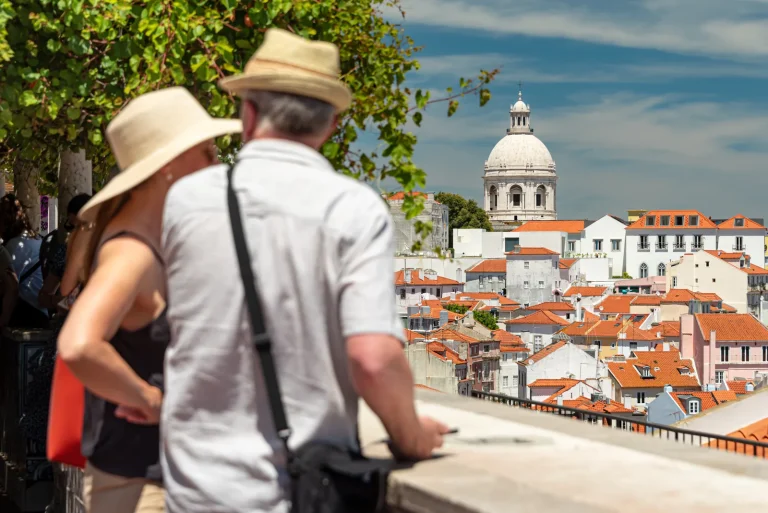
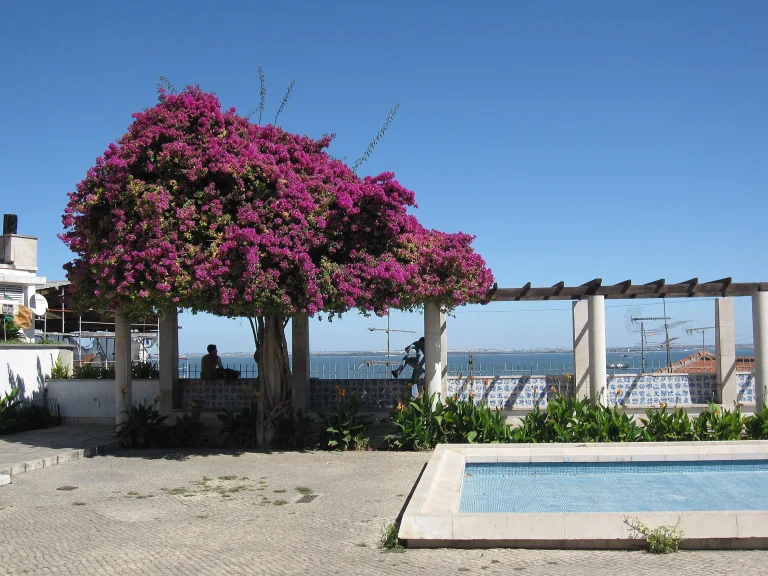
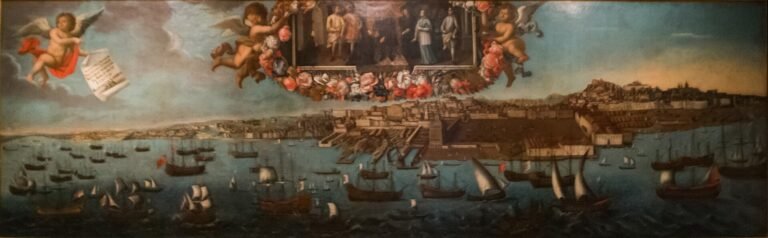
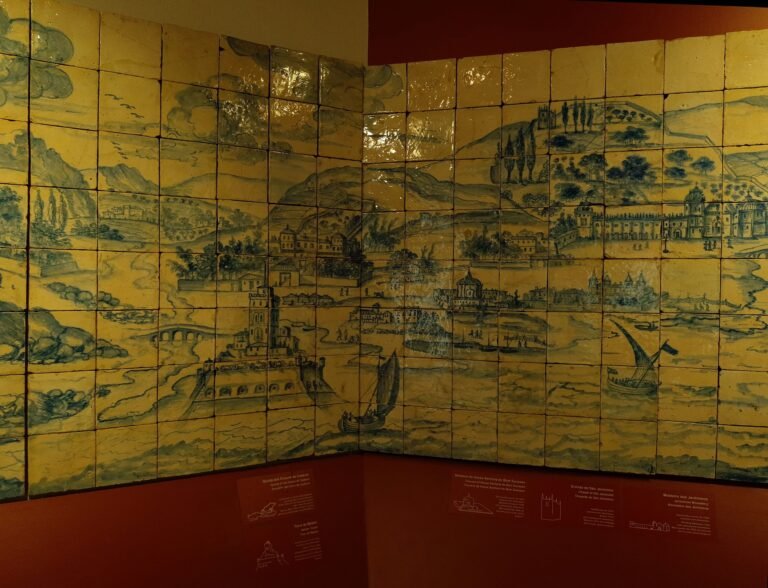
View detailsPart of Jardim de Júlio de Castilho in Alfama, this viewpoint looks over the Tagus and the rooftops of the neighbourhood, with views of the dome of Santa Engrácia and the churches of São Miguel and Santo Estêvão. Its façade and walls are decorated with historic azulejos, including panels depicting the conquest of São Jorge Castle and Praça do Comércio before the 1755 earthquake. The Church of Santa Luzia stands within the garden.
View detailsA sixteenth-century monastery in Lisbon, with tiled cloisters and the pantheon of the Braganza kings.
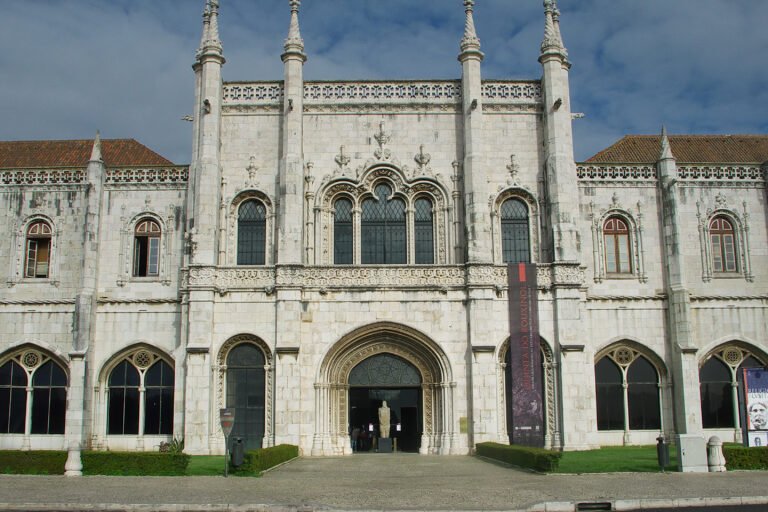
View detailsThe great Manueline monastery of Belém, built to celebrate Portugal's voyages of discovery and now a UNESCO World Heritage site.
View detailsThe ruined convent of the 1755 earthquake, with its archaeological museum under the open sky.
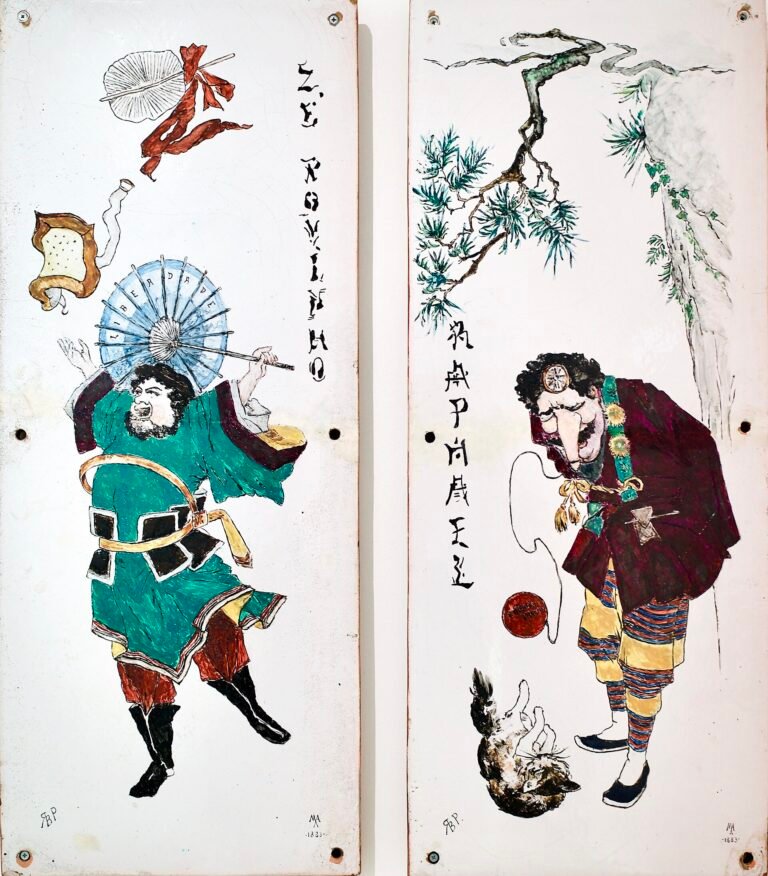
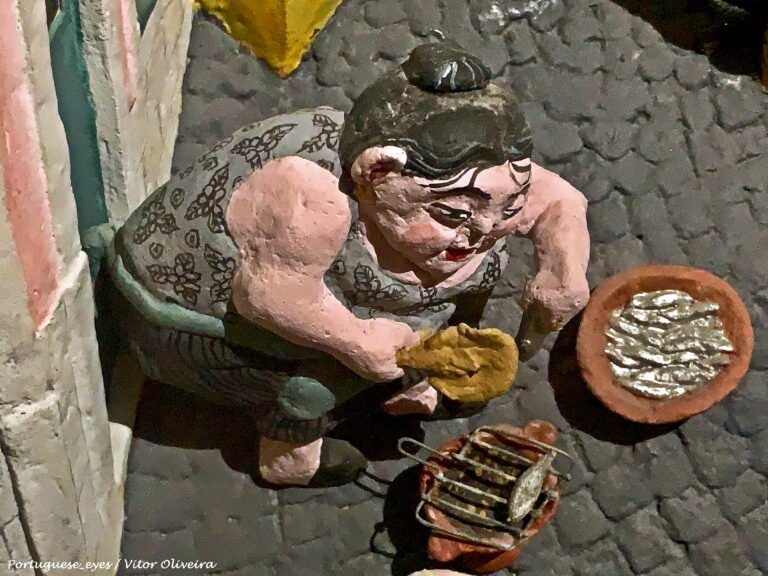
View detailsLisbon's Museu Bordalo Pinheiro holds some 13,200 works by the creator of Zé Povinho, the most famous figure of Portuguese caricature.
View detailsOne of Europe's great private art collections, housed in a purpose-built museum within a tranquil Lisbon garden.
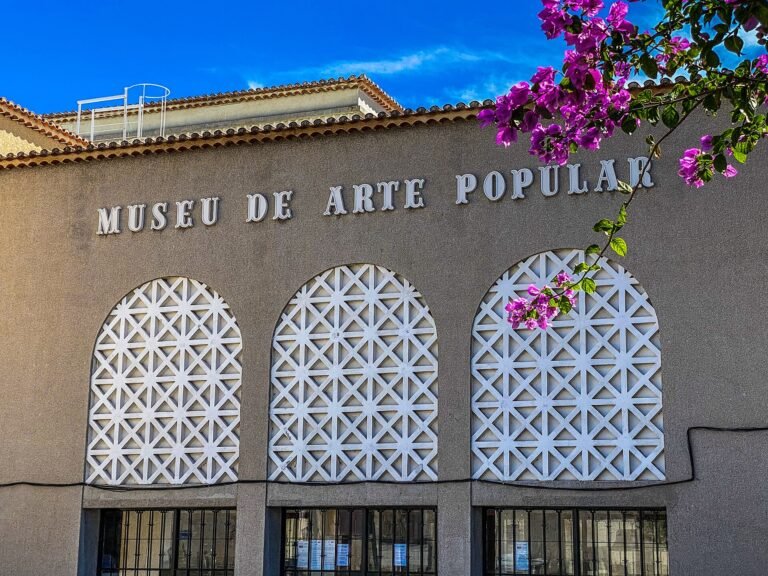
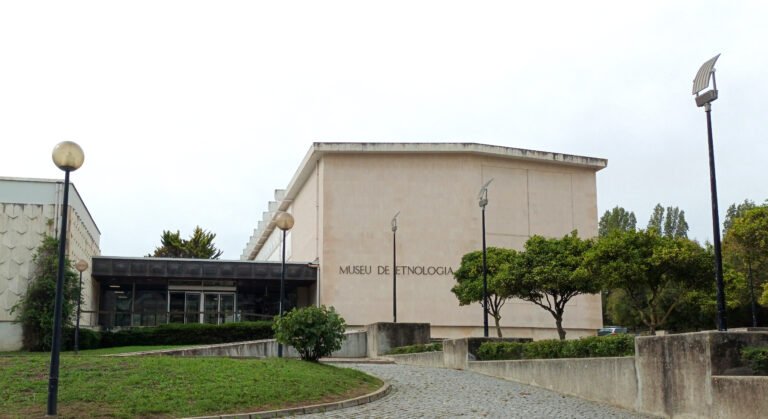
View detailsPortugal's national museum of folk art on the Belém waterfront — painted carts, ceramics and traditions in a survivor of 1940.
View detailsA museum in five parts across Lisbon, telling the story of the city from prehistory to the present.
View detailsPortugal's naval museum since 1863: ship models, royal barges and the story of the discoveries in the Jerónimos Monastery's west wing.
View detailsThe story of money, in the ruins of the old church of São Julião, in the Baixa of Lisbon.
View detailsA museum in Alfama devoted to fado, Lisbon's song, and to the singers and musicians who shaped it.
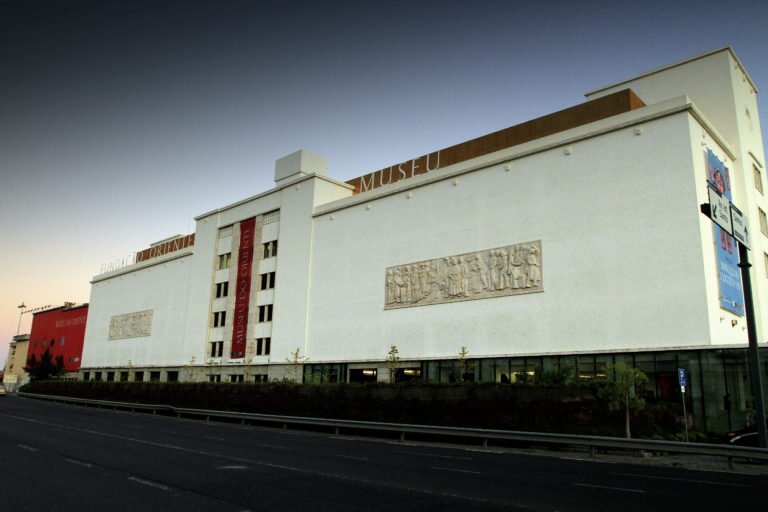
View detailsA Lisbon museum devoted to the encounter between Portugal and Asia, with collections on the Portuguese presence in the East.
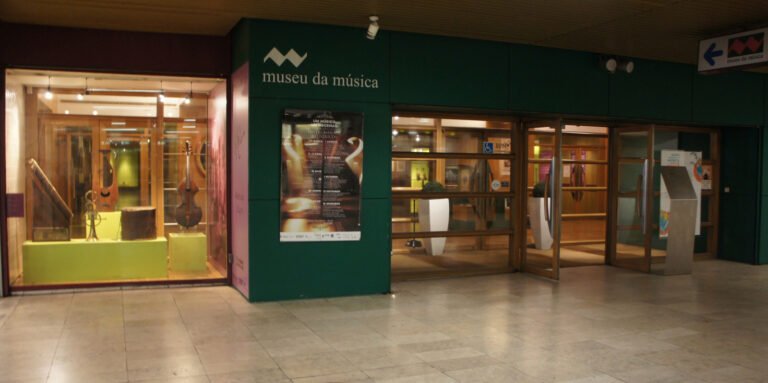
View detailsPortugal's national music museum, with a collection of historic instruments and the legacy of Portuguese musicians.
View detailsPortugal's national archaeology museum, in the Jerónimos Monastery in Belém.
View detailsPortugal's finest art museum: the São Vicente Panels, Bosch and Dürer at Janelas Verdes — reopening on 21 November 2026.
View detailsThe ways of life of Portugal, in the collections of the national museum of ethnology.
View detailsThe science museum of the University of Lisbon, at the Príncipe Real.
View detailsFive centuries of Portuguese tile art, in a former sixteenth-century convent in Lisbon.
View detailsThe national museum of costume and fashion in Lisbon, at the Palácio do Monteiro-Mor.
View detailsThe world's finest collection of royal coaches and carriages, displayed in a modern building in Lisbon's Belém district.
View detailsPortugal's museum of puppetry in the 17th-century Convento das Bernardas, with Portuguese puppets and masks from Asia and Africa.
View details English (UK) English (UK)
 Português
 Polski
 Nederlands
 Italiano
 Français
 Español
 Deutsch
 한국어
 简体中文
 Svenska
 Português do Brasil
 Dansk
 Norsk