Ovar
Ovar is Portugal’s living museum town of the azulejo, where whole streets wear tiled façades by the Ria de Aveiro.
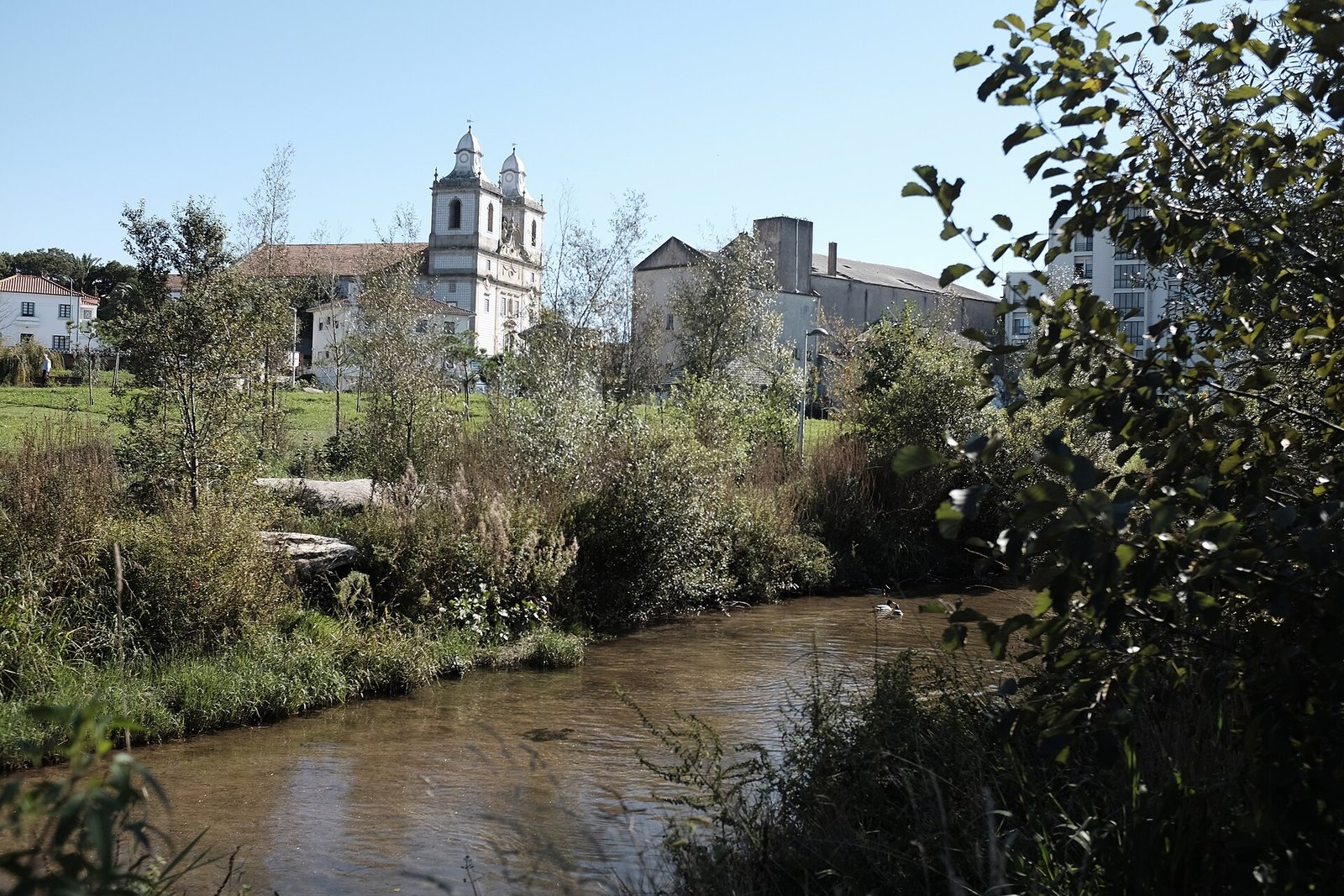
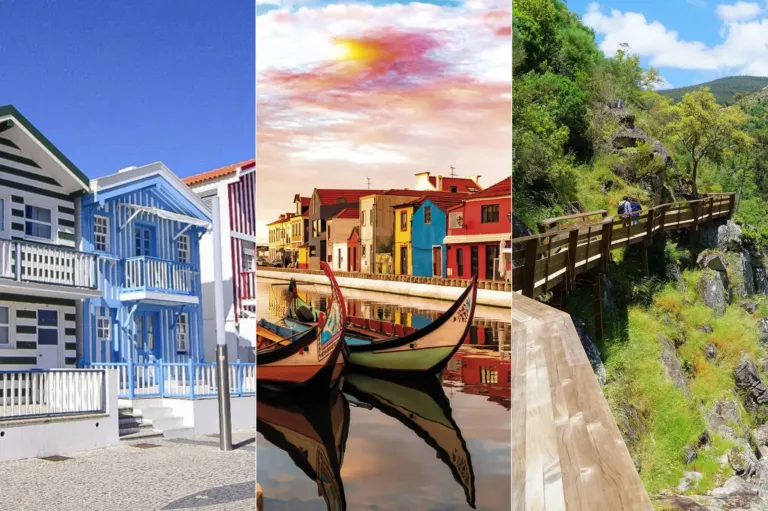
Ovar is known as the living museum town of the tile. Whether or not the title is strictly accurate matters little: no other town in Portugal wears its azulejos quite like this. Entire streets in the centre are clad in façades of polychrome tiles, in styles ranging from pattern panels to full Art Nouveau compositions, giving Ovar the air of an open-air gallery by the Ria de Aveiro.
Azulejos, Art Nouveau and carnival
The town’s love of the azulejo began in the 19th century, when local industry and returning emigrant wealth paid for façades that would both brighten the streets and protect the walls from the damp of the lagoon. The result is a unique urban landscape, best explored on foot with no fixed route. Ovar is also famous for its Carnaval — one of Portugal’s oldest, with parades and elaborate satirical floats that fill the town each February.
What to see
- The azulejo façades of the historic centre, at their best along Rua de Santa Catarina and the neighbouring streets
- The Igreja Matriz and the Capelas dos Passos
- The Palácio da Justiça, with ceramics by Jorge Barradas
- The Café Progresso, a memory of the town’s carnival balls
- The Museu de Ovar, with popular interiors and collections of paintings and ceramics
Practical information
Ovar lies on the coast south of Aveiro, with regular trains on the Aveiro–Porto line. Come in February for Carnaval or in summer for the beaches of Furadouro; at any time of year, allow a half-day to wander the centre. The town’s pão-de-ló is obligatory.
Image credit: Ovar by Benjamin Fauvel — CC BY-SA 4.0, via Wikimedia Commons.
Warto odwiedzić
More to explore
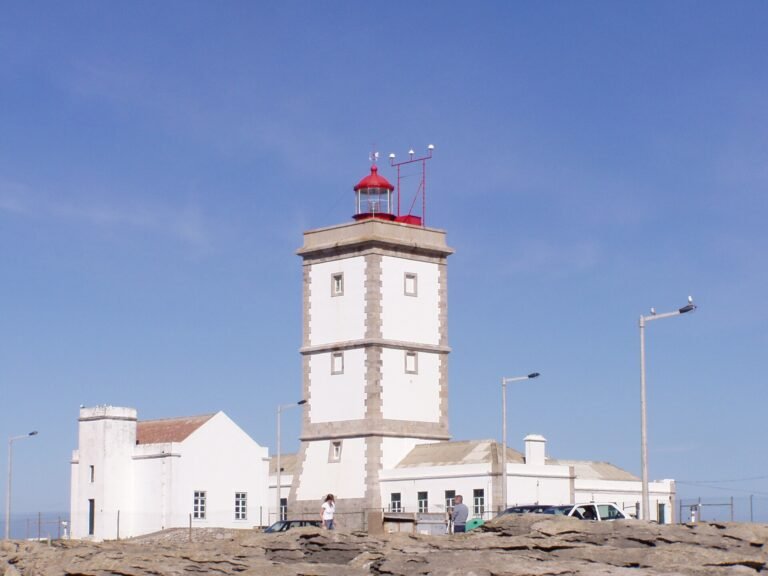
Cabo Carvoeiro
The wild western tip of the Peniche peninsula: limestone cliffs, the Nau dos Corvos rock and the Berlengas on the…
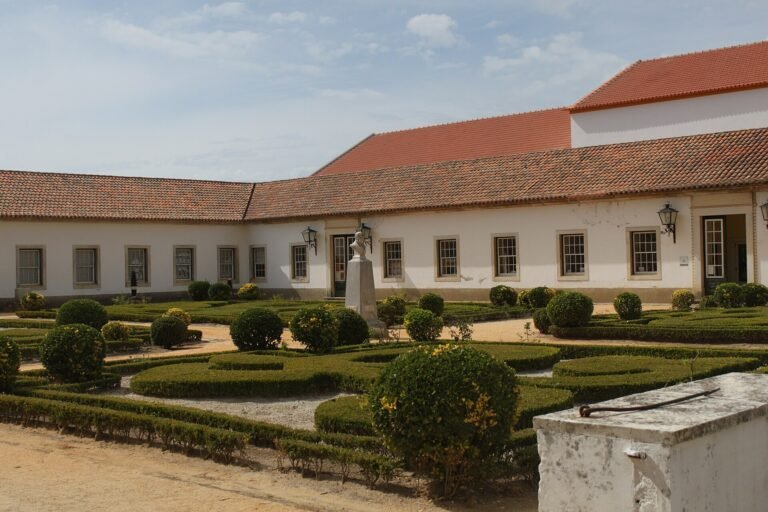
Museu de Vista Alegre
Portugal’s first porcelain factory, founded in 1824 at Ílhavo: museum, hand-painting workshop, palace and baroque chapel.
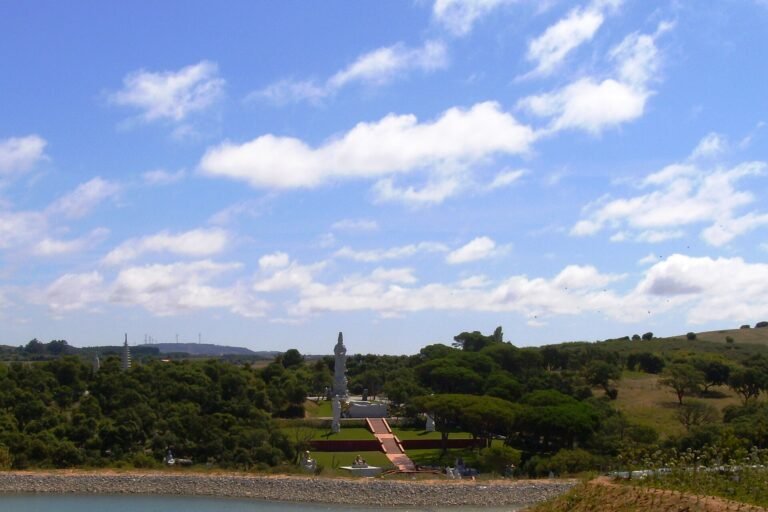
Buddha Eden Park
Europe’s largest oriental garden: hundreds of Buddhas, a koi lake and seven hundred terracotta soldiers at Bombarral.
Atrakcje
Explore related experiences

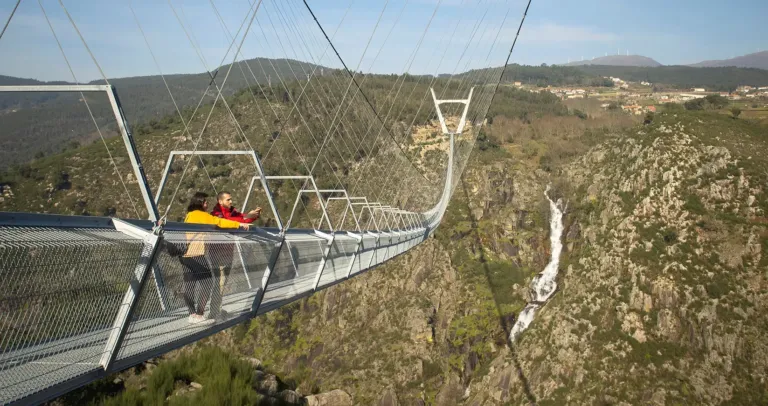
Wycieczka z przewodnikiem z Porto do mostu 516 Arouca i Passadiços de Paiva
 English (UK)
 Português
 Polski
 Nederlands
 Italiano
 Français
 Español
 Deutsch