Lisbon
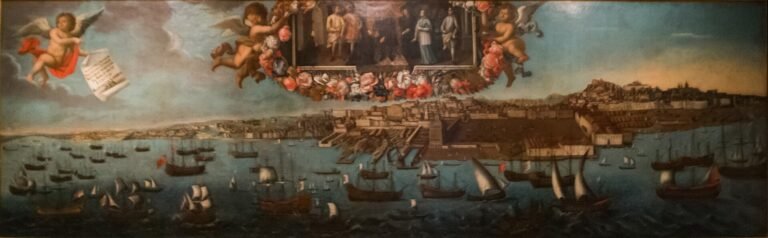
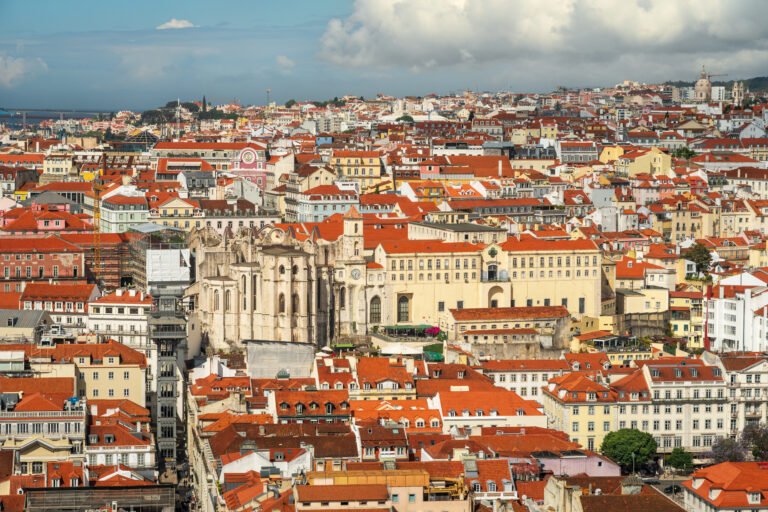
Lisbon, the capital on the Tagus, spreads from Alfama and Bairro Alto to Belém, with river sails, food tours and day trips across Portugal.
View detailsLisbon, the capital on the Tagus, spreads from Alfama and Bairro Alto to Belém, with river sails, food tours and day trips across Portugal.
View detailsSintra, set against its misty mountain close to Lisbon, gathers palaces, convents and the cliffs of Cabo da Roca within its forests.
View detailsCascais, on the coast west of Lisbon, grew from a fishing village into the royal family's summer retreat, with museums and beaches.
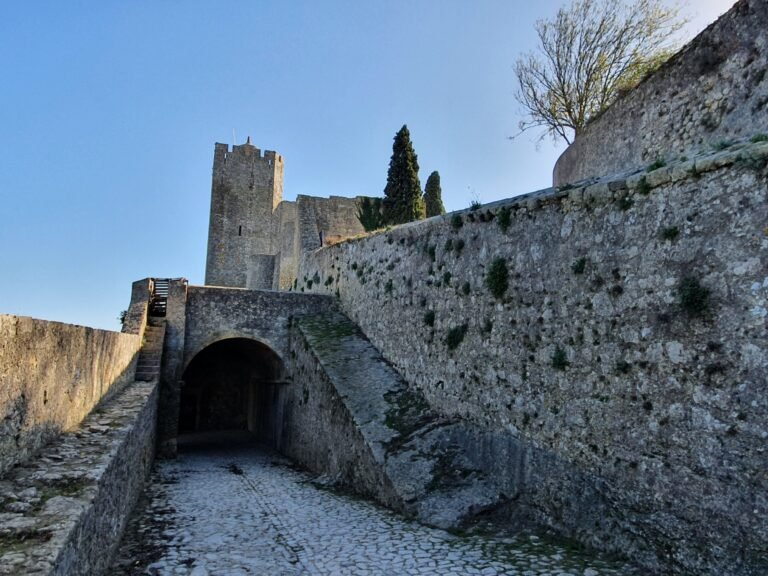
View detailsSetúbal sits between the Sado estuary and the Arrábida park, with dolphins offshore, the São Filipe fort and the Livramento market.
View detailsSesimbra, between the Arrábida hills and the sea, is a fishing town turned resort, with dolphins, buggies and the Cabo Espichel sanctuary.
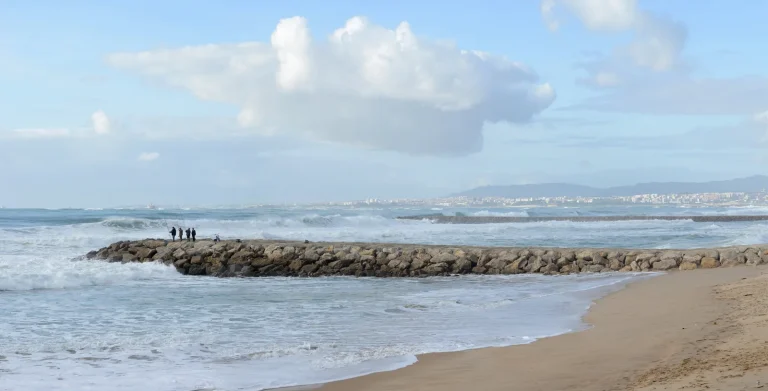
View detailsCosta da Caparica is the long Atlantic beach south of the Tagus where Lisbon goes to surf, its fishing past still showing at the tables.
View detailsEriceira is a fishing village turned world surf reserve on the Lisbon coast, its white houses above a busy little harbour.
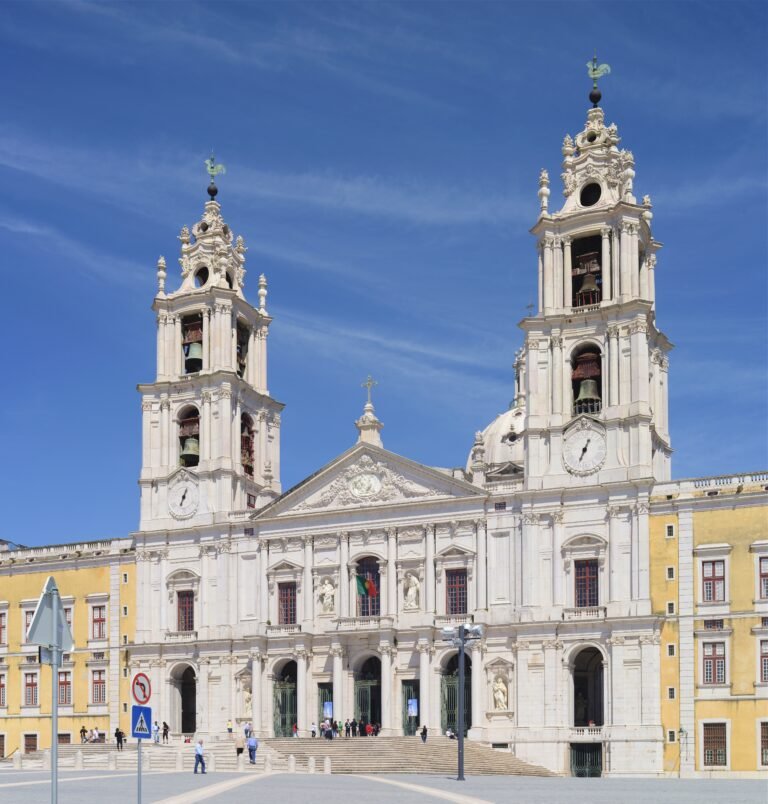
View detailsMafra is the town of the monumental National Palace ordered by João V in 1717, with the great walled Tapada beside it.
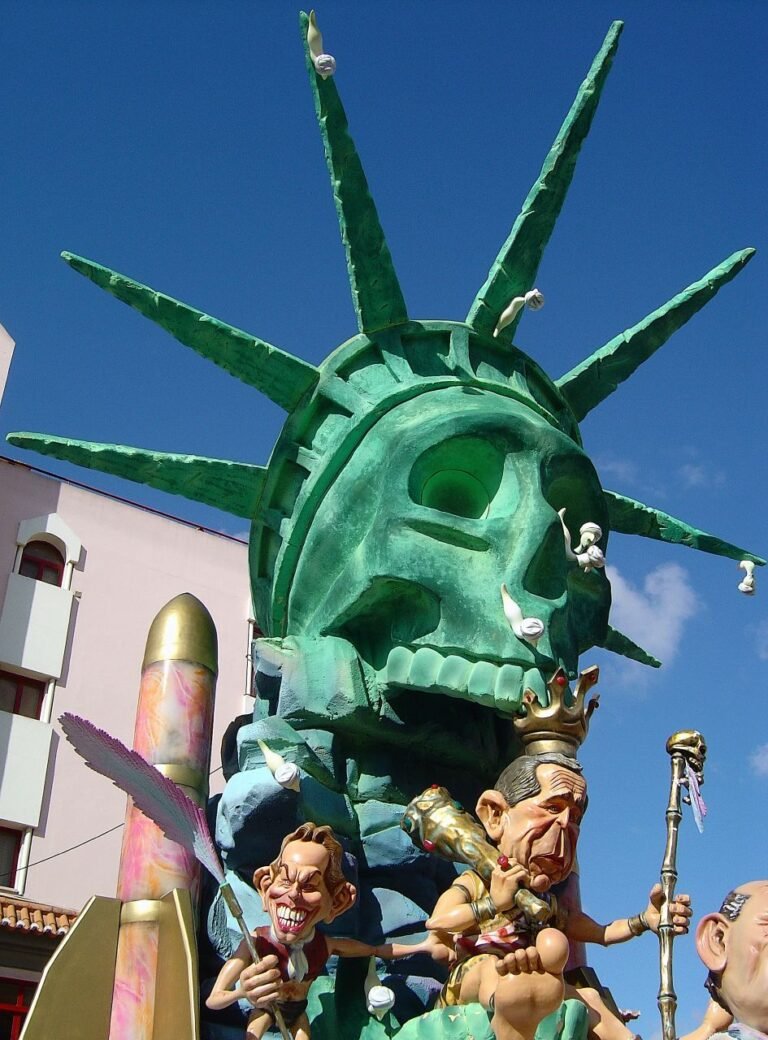
View detailsTorres Vedras, in the Oeste, pairs its twelfth-century castle with one of Portugal's most famous carnivals and Lisbon-region wineries.
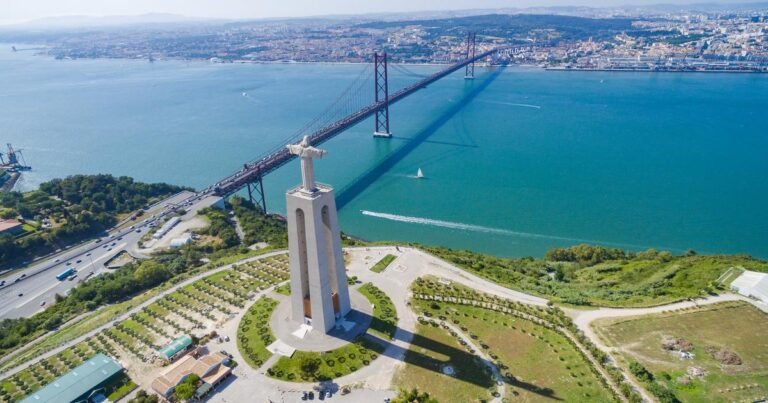
View detailsAlmada, on the Tagus opposite Lisbon, keeps the Cristo Rei sanctuary above the river, a story running back to Roman fortifications.
View detailsVila Franca de Xira is the bull-running town on the Tagus, where the lezíria raises fighting bulls and the EVOA marshes shelter birds.
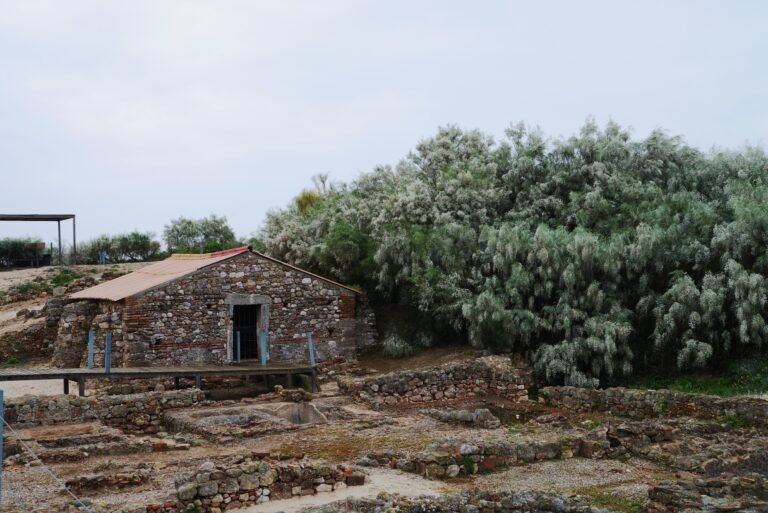
View detailsTróia is the sand peninsula across the Sado from Setúbal, with Roman fish-salting ruins, Atlantic beaches and the dolphins of the estuary.
View detailsDiscover Lisbon’s interactive 3D art museum, where optical illusions come to life.. Explore, pose and create unforgettable memories!

Enjoy a fun family experience at the 3D Fun Art Museum Lisbon! Explore interactive 3D art, capture creative photos and make unforgettable memories.
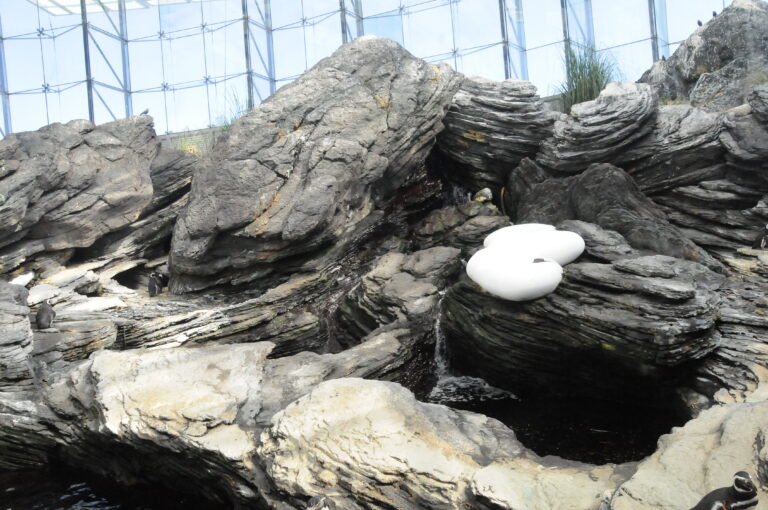
Private 120-minute electric tuk-tuk tour through Lisbon, visiting key neighborhoods and landmarks in a comfortable and eco-friendly way.
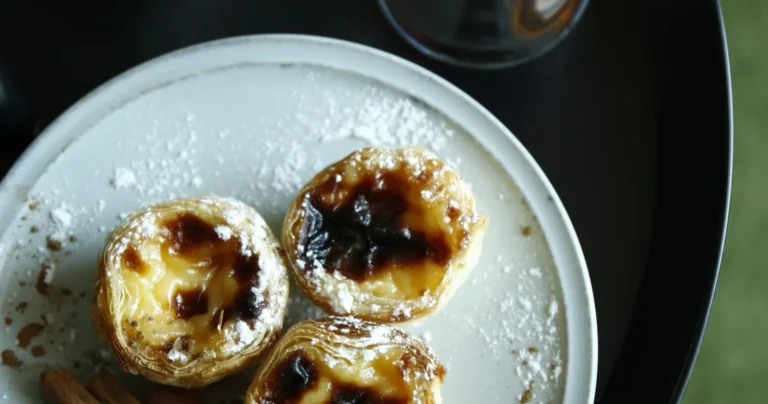
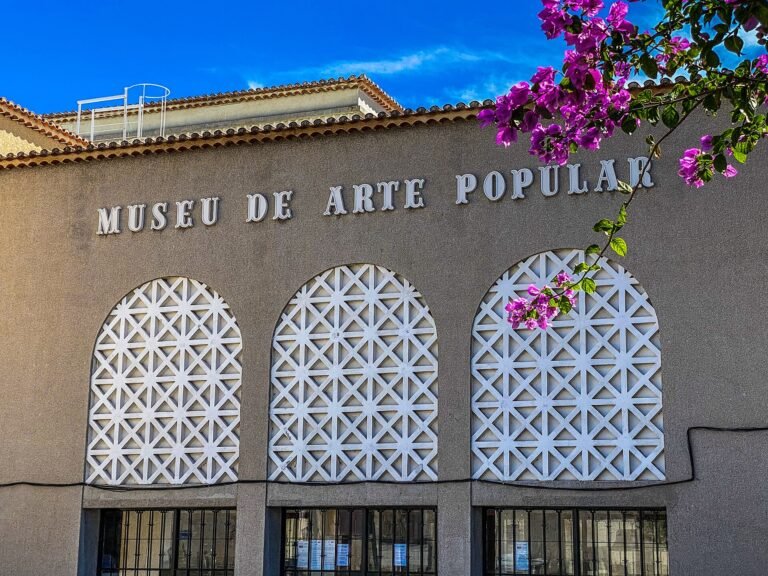
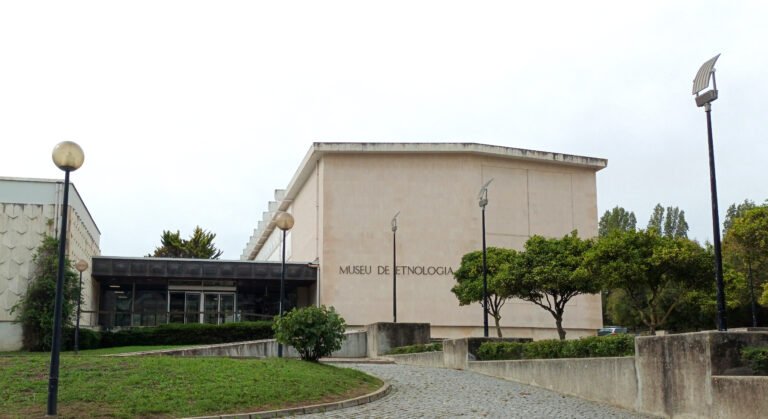
Portugal’s national museum of folk art on the Belém waterfront — painted carts, ceramics and traditions in a survivor of 1940.

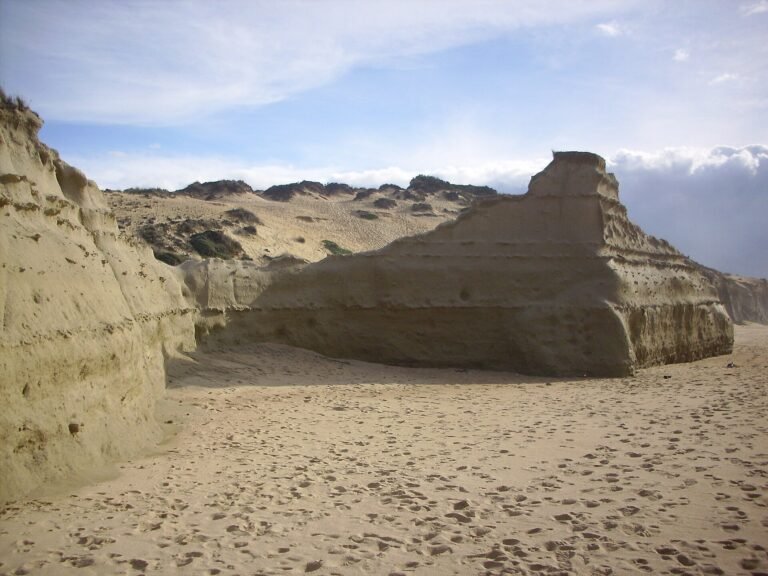
The wild beach below Cabo da Roca, reached by a steep cliff trail — the rock giants, the surf and, often, nobody else.

Belém’s caravel-shaped monument to the Age of Discovery, with a rooftop viewpoint over the river and the wind rose on the ground.

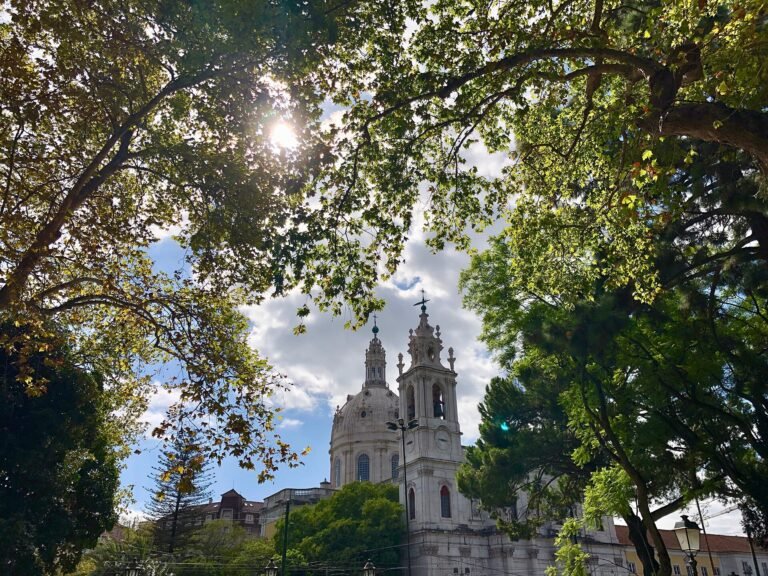
Queen Maria I’s votive basilica, the first church in the world dedicated to the Sacred Heart, with a dome terrace over Lisbon.

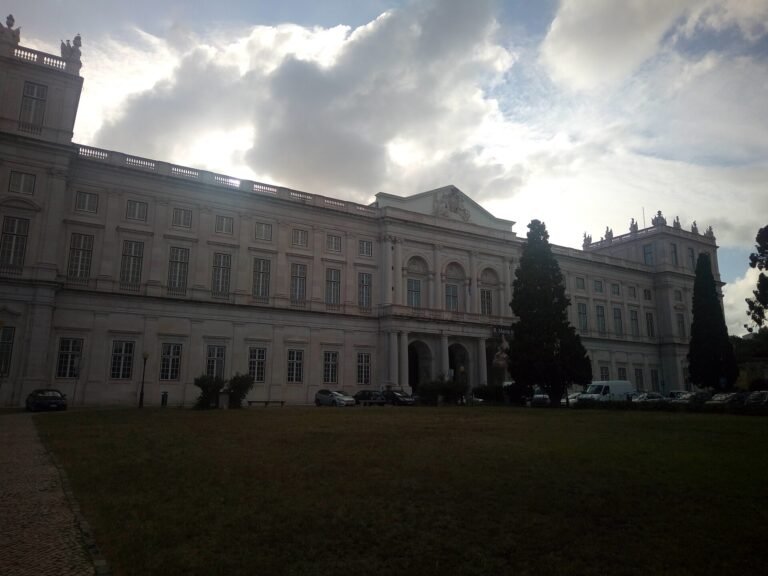
The Lisbon home of Portugal’s last kings: authentic 19th-century royal apartments, the only El Greco in the country and a library of 150,000 books.

Four kilometres of Atlantic sand south of Lisbon, with dunes and pines — and the naturist beach of Rio da Prata beyond.

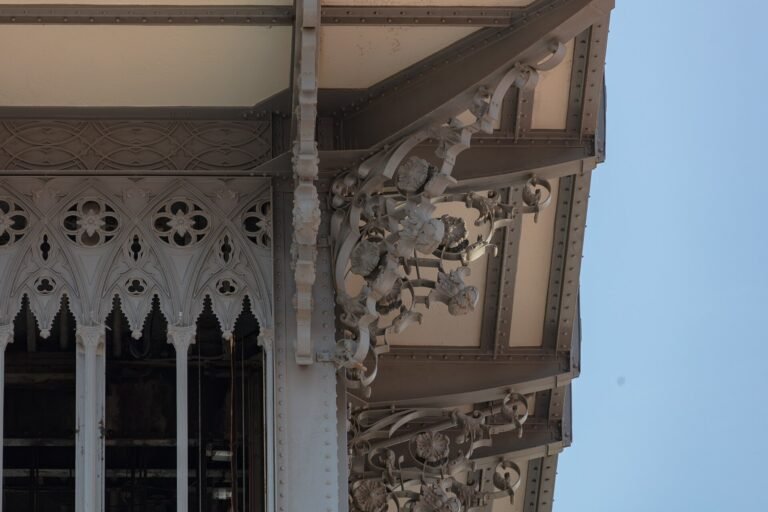
Since 1902, Lisbon’s iron lift has climbed from the Baixa to Largo do Carmo — part transport, part viewpoint, all neo-gothic.

Lisbon’s 18th-century aqueduct carried water from Sintra’s hills above the Alcântara valley in 35 arches, and survived the 1755 earthquake.

The statue blessing Lisbon from the south bank: the Cristo Rei terrace, 84 metres up, opens the finest view over the Tagus.

Santa Engrácia’s endless works finished at last in 1966: Lisbon’s National Pantheon holds the tombs of Amália, Eusébio and the presidents.

Portugal’s finest art museum: the São Vicente Panels, Bosch and Dürer at Janelas Verdes — reopening on 21 November 2026.

Brás de Albuquerque’s diamond-facade house on Lisbon’s riverside, home of the Saramago Foundation and of Roman remains.

The pilgrimage sanctuary of Cabo Espichel, alone on its cliff above the Atlantic, and the dinosaur tracks beneath it.

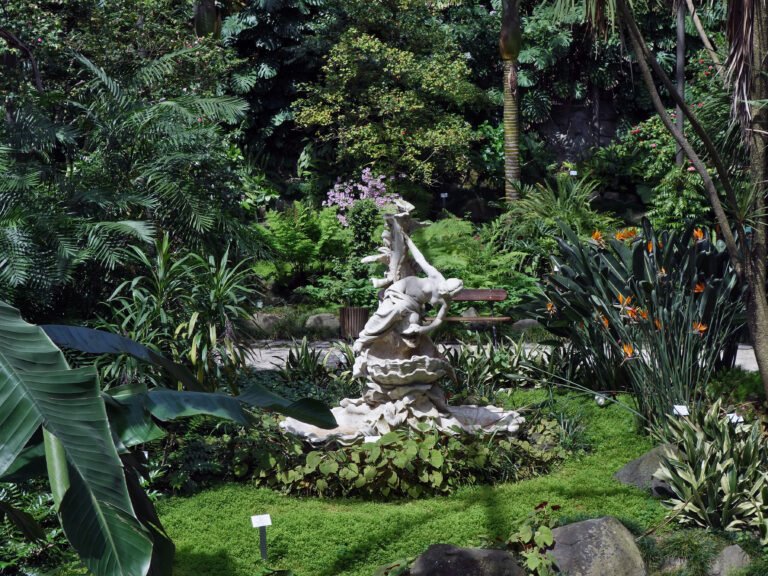
Seven hectares of tropical forest beside the Jerónimos in Belém — palm avenues, a cactus garden and rare quiet in Lisbon.

In a Raul Lino house in Monte Estoril, the Museum of Portuguese Music keeps folk instruments, the Lopes-Graça legacy and a romantic garden.

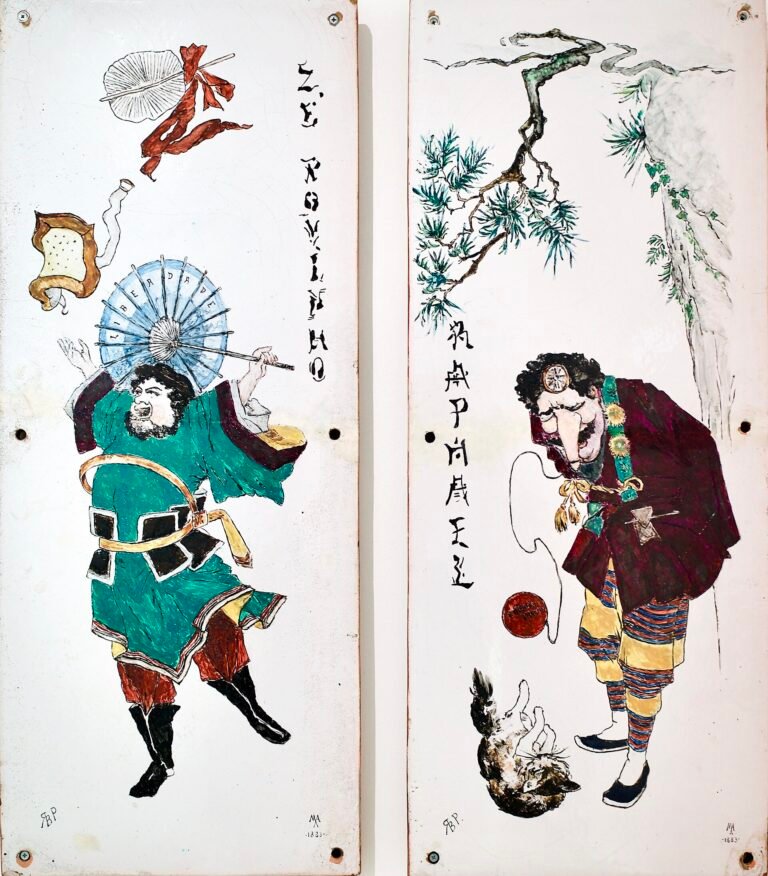
Lisbon’s Museu Bordalo Pinheiro holds some 13,200 works by the creator of Zé Povinho, the most famous figure of Portuguese caricature.

The hilltop castle of Sesimbra, the best-preserved Portuguese castle on the sea, with two exhibitions and wide views over the bay.

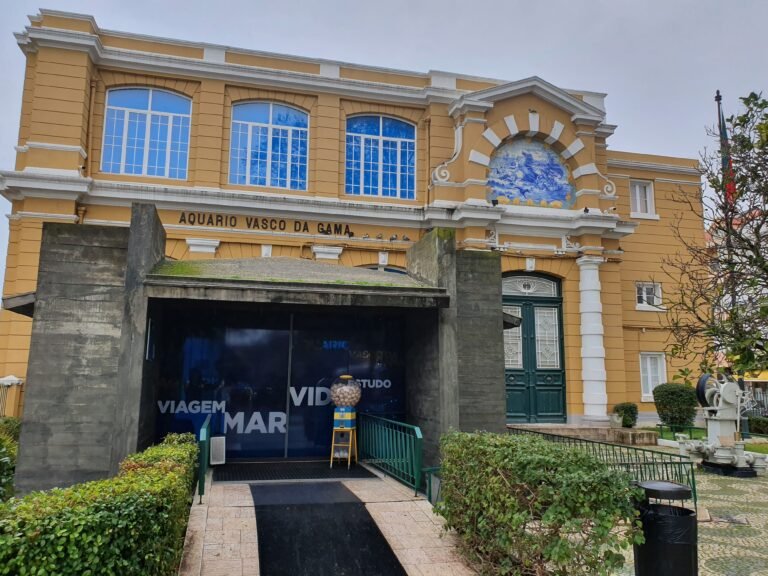
The great oceanarium of Lisbon, on the old Expo ’98 waterfront, with the oceans of the world under one roof.

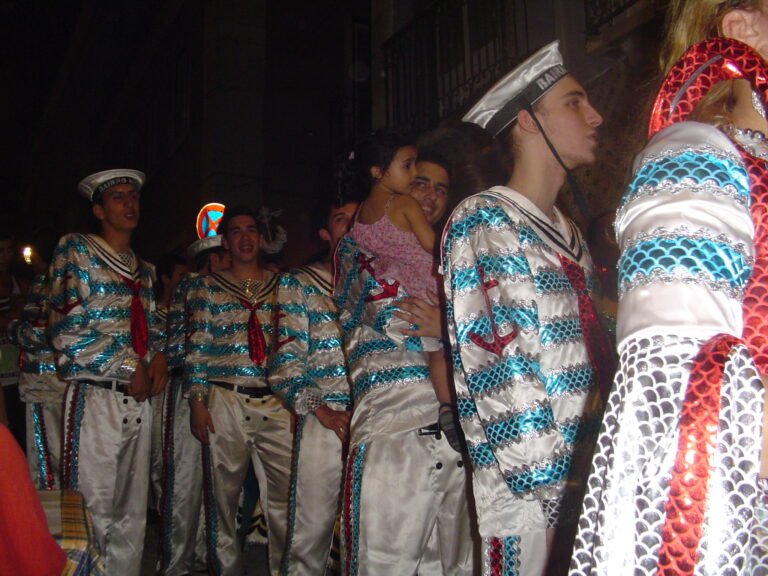
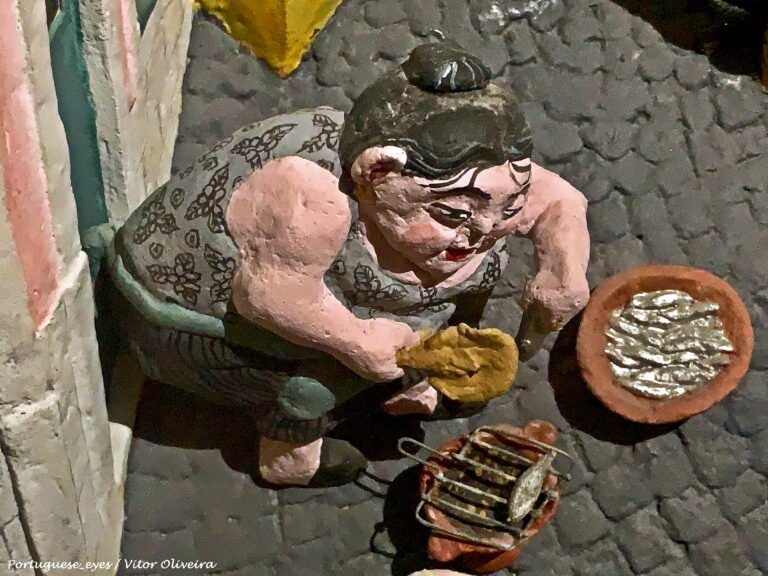
Lisbon’s June festivities, with the marchas populares, grilled sardines and the night of Santo António.

A sixteenth-century monastery in Lisbon, with tiled cloisters and the pantheon of the Braganza kings.

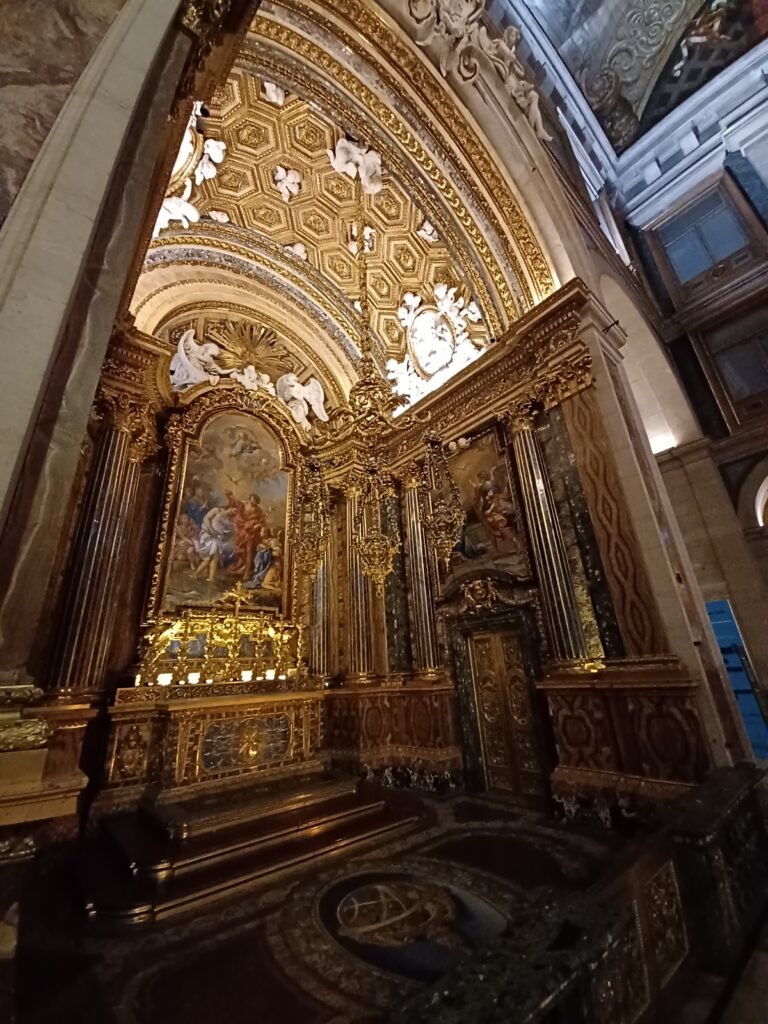
A sixteenth-century Jesuit church in Lisbon, home to the celebrated Chapel of Saint John the Baptist.

Lisbon’s Romanesque cathedral, founded after the conquest of the city in 1147, at the heart of Alfama.

A Renaissance estate near Setúbal, with tiled gardens, lakes and vineyards at the foot of the Arrábida hills.

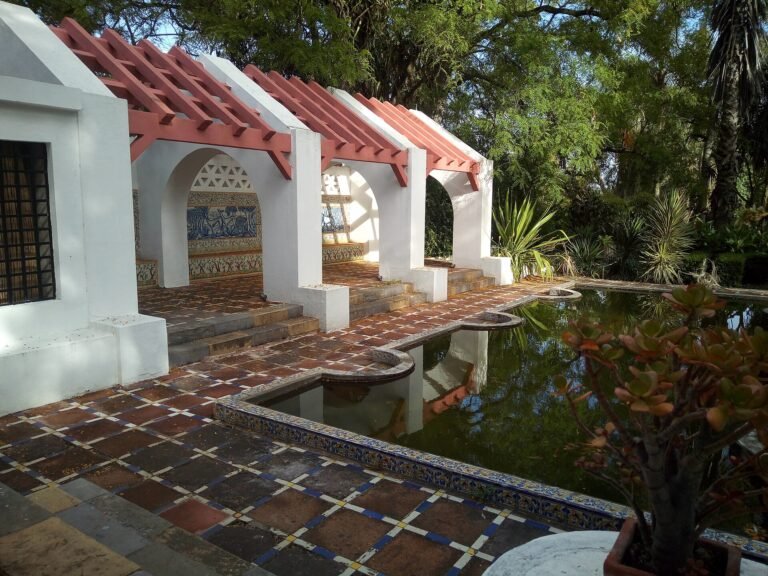
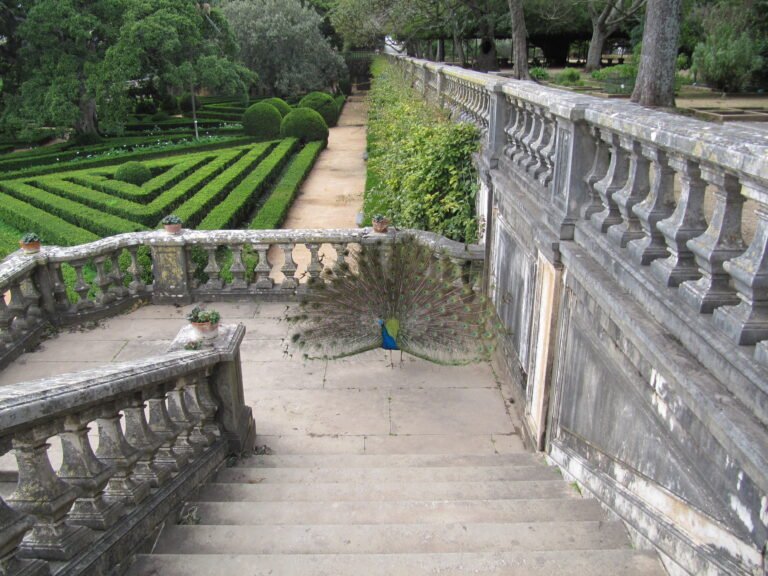
A seventeenth-century palace garden in Lisbon, famous for its azulejo walls, fountains and formal hedges.

A romantic garden of exotic species around a Moorish palace in Sintra, one of Portugal’s finest landscapes.

One of Portugal’s finest fish markets, known for its remarkable tile panels and the daily catch from the Sado coast.

A neighbourhood market in Lisbon with a food hall, traditional stalls and a friendly local atmosphere.

Lisbon’s centuries-old flea market, where antiques, tiles and curiosities fill the Campo de Santa Clara.

Lisbon’s historic riverside market, now home to a celebrated food hall alongside its traditional stalls.

A hilltop town south of Lisbon, with a castle, a wine-growing tradition and views over the Sado estuary.

A fishing village and surfing town on the Lisbon coast, with white houses, a busy harbour and a world surf reserve.

A protected landscape of hills, forest and coast west of Lisbon, from Sintra’s mountains to the cliffs of Cascais.

A protected limestone ridge above the sea near Setúbal, with Mediterranean vegetation, hidden beaches and clear water.

The vast palace, basilica and monastery built by King João V, one of the largest monuments in Portugal.

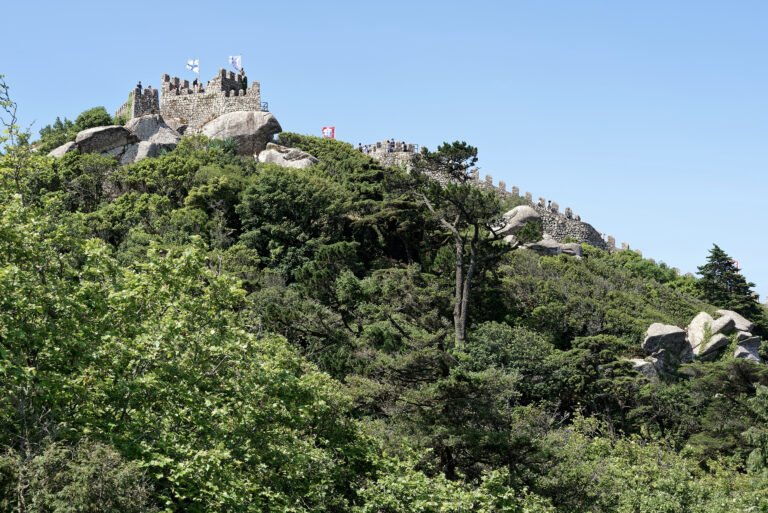
The Moorish castle on the ridge above Sintra, with long walls winding through the forest and wide views to the coast.

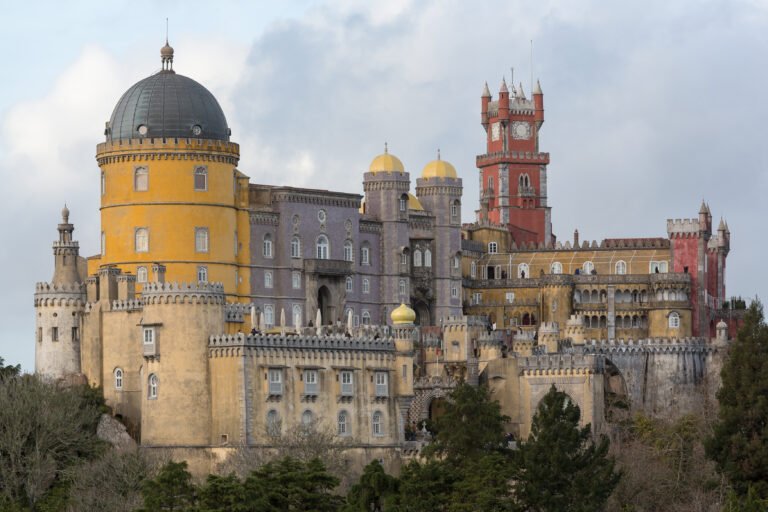
The romantic palace above Sintra, with its vivid colours and fairy-tale towers, one of Portugal’s most visited monuments.

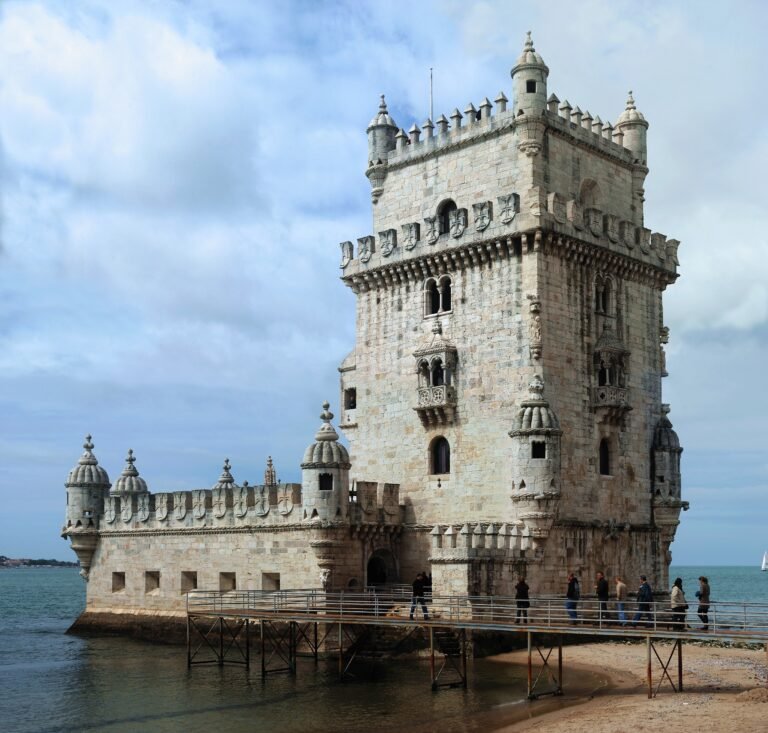
The fortified tower on the Tagus that guarded Lisbon’s harbour, a masterpiece of Manueline architecture and a UNESCO World Heritage site.

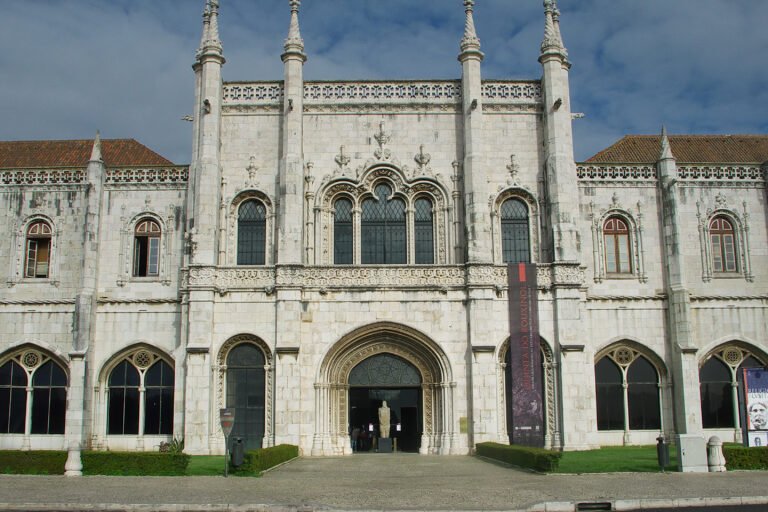
The great Manueline monastery of Belém, built to celebrate Portugal’s voyages of discovery and now a UNESCO World Heritage site.

A museum in Cascais devoted to the sea, with natural history, underwater archaeology and the fishing community of the town.

A romantic palace-museum by the bay in Cascais, with Indo-Portuguese furniture, azulejo and a library of rare books.

Sintra’s museum of arts, with a collection of modern and contemporary Portuguese art and a lively exhibition programme.

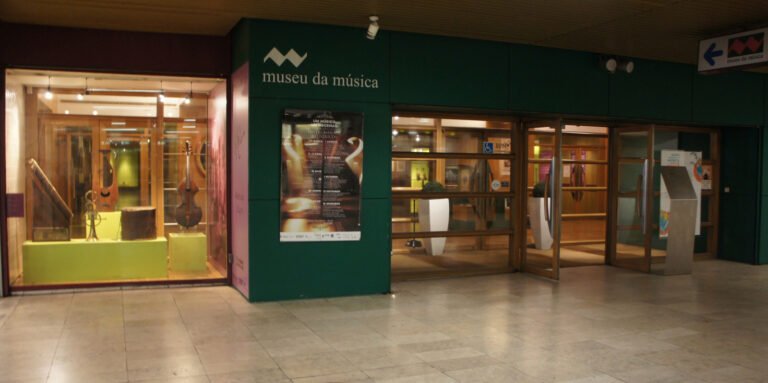
Portugal’s national music museum, with a collection of historic instruments and the legacy of Portuguese musicians.

A museum in Cascais devoted to the artist Paula Rego, in a striking building by Eduardo Souto de Moura.

The Gulbenkian Foundation’s centre for modern and contemporary art in Lisbon, with the largest collection of modern Portuguese art.

Portugal’s national museum of contemporary art, tracing Portuguese art from Romanticism to the present in Chiado, Lisbon.

A Lisbon museum devoted to the encounter between Portugal and Asia, with collections on the Portuguese presence in the East.

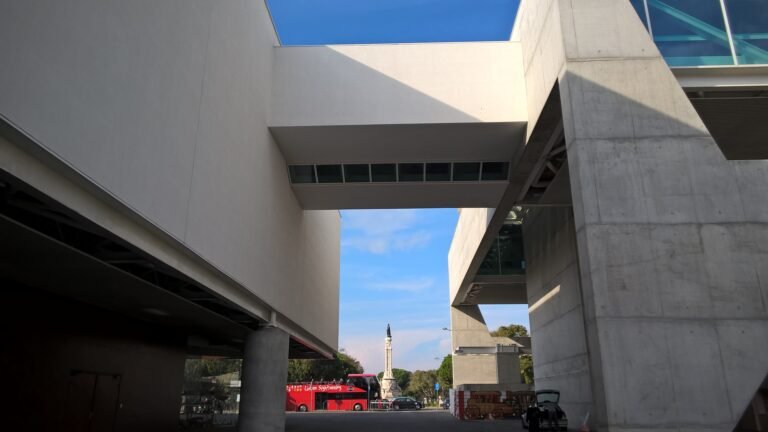
The world’s finest collection of royal coaches and carriages, displayed in a modern building in Lisbon’s Belém district.

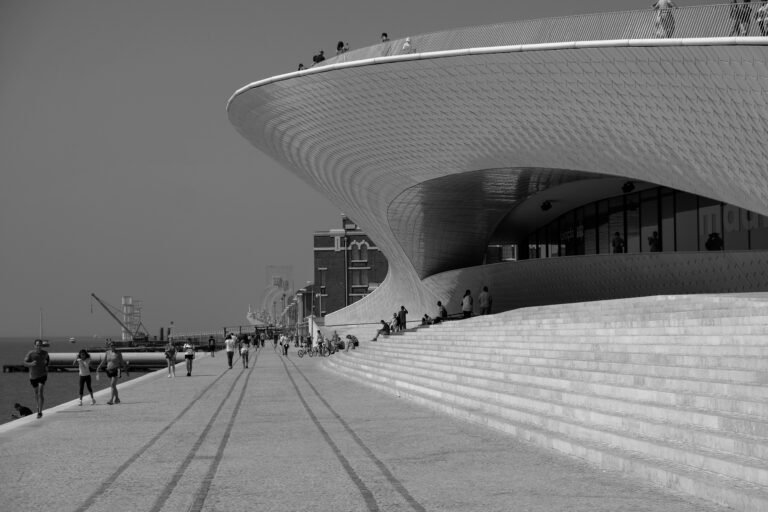
Lisbon’s riverside museum of art, architecture and technology, housed in a former power station and a wave-like contemporary building in Belém.

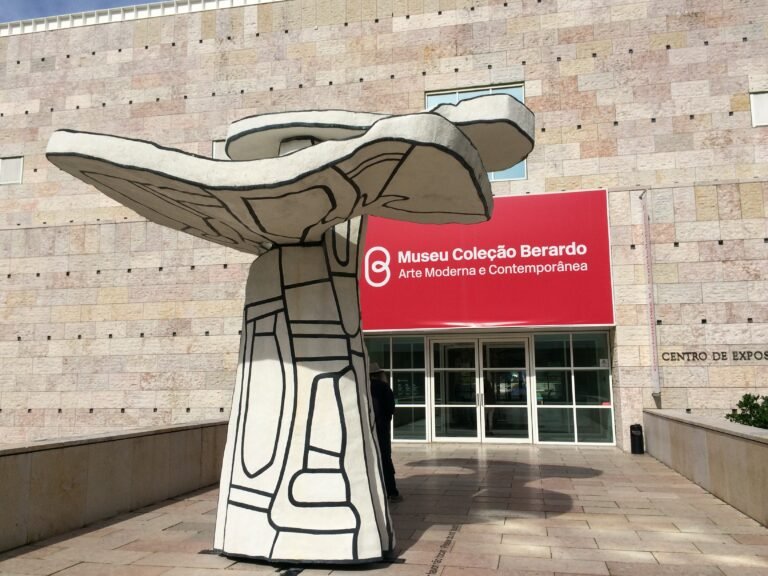
One of Europe’s great private art collections, housed in a purpose-built museum within a tranquil Lisbon garden.

Eat where the locals eat. Enjoy traditional dishes and drinks, and uncover the stories behind Portugal’s cuisine