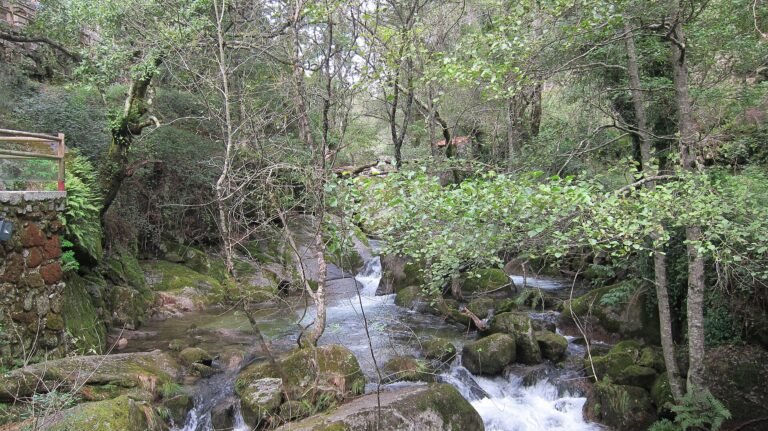
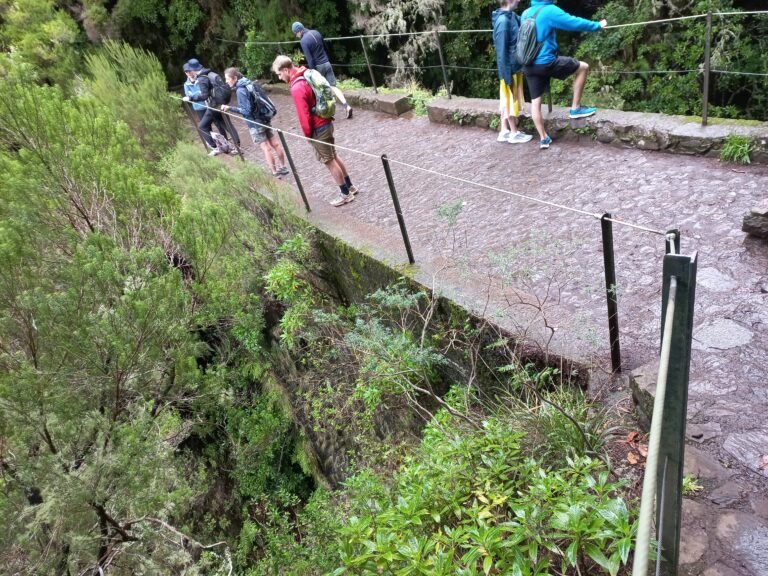
Madeira’s classic levada walk: four tunnels, dripping laurel forest and a waterfall falling 100 metres into the Caldeirão Verde.
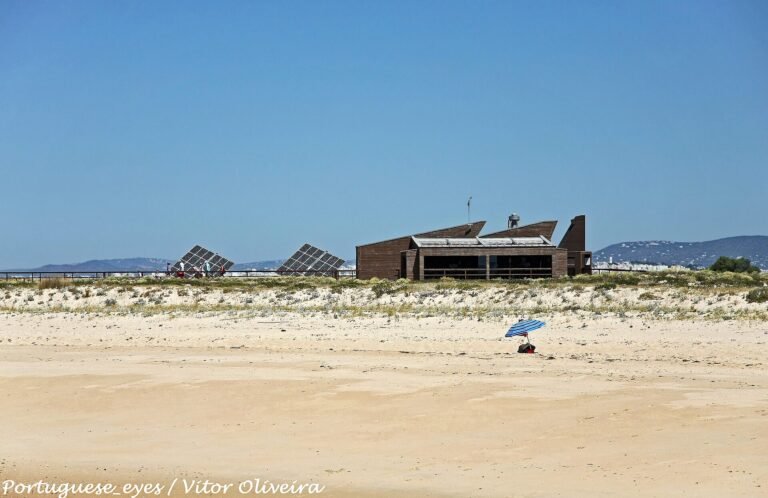
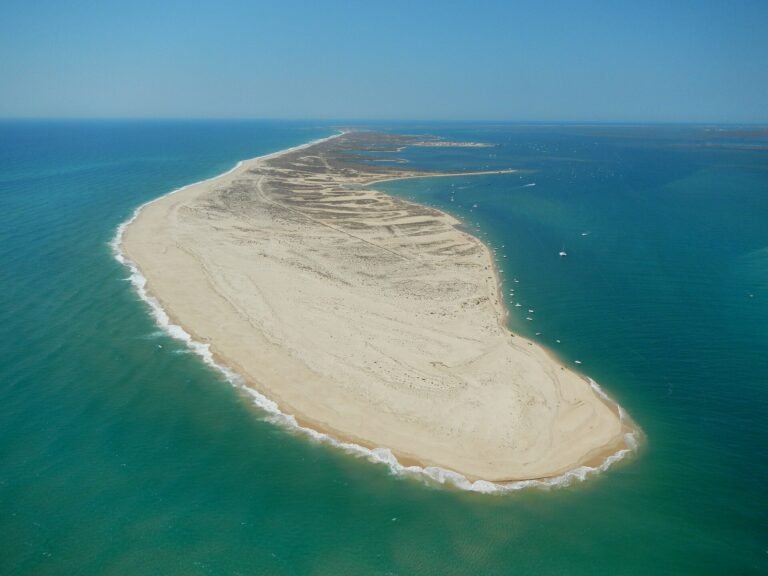
The only uninhabited barrier island of the Ria Formosa: boardwalks, dunes, a solar restaurant and the island’s long white beach.
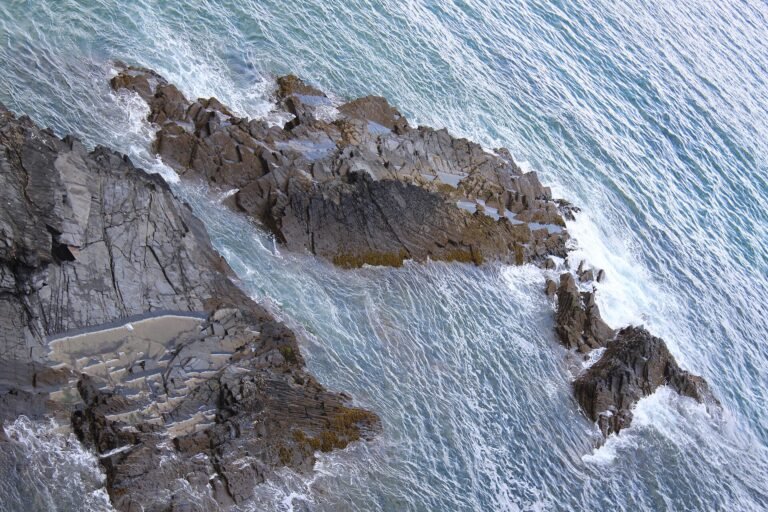
The fishing village on the tall Alentejo cliffs, with stairs to the beach, the Fishermen’s Trail and storks nesting over the surf.
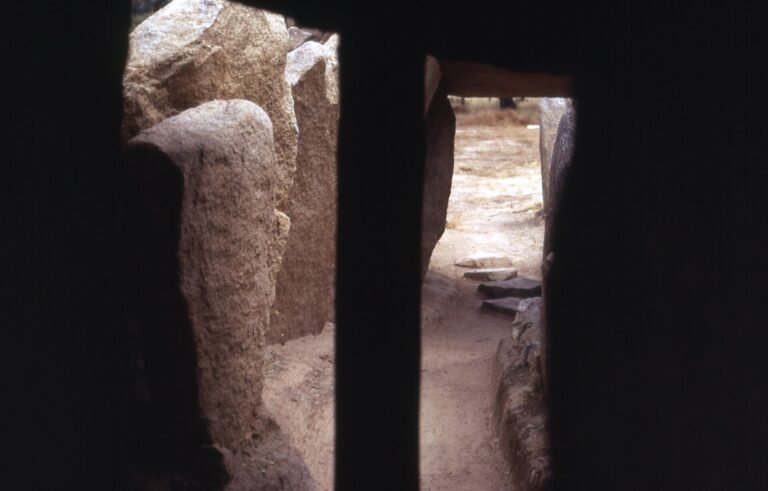
The largest dolmen in Iberia: seven six-metre pillars, a menhir with cup marks and five millennia of silence near Évora.
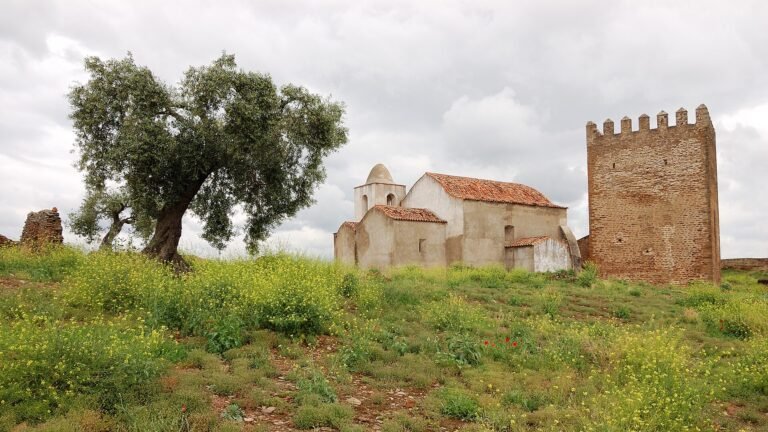
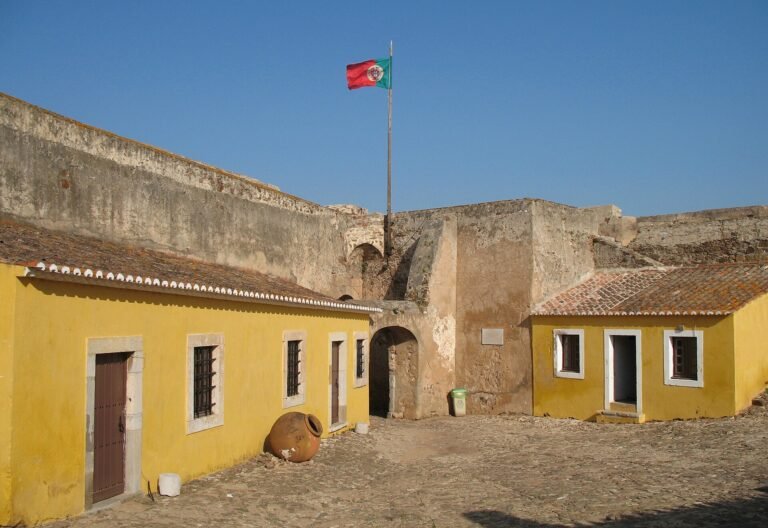
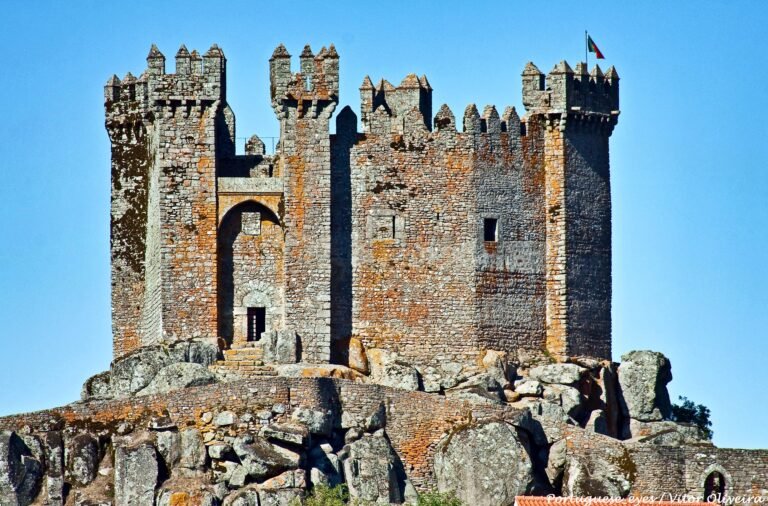
A castle with no town, founded in 1308 on the Spanish border — now a nature park among olive groves and holm oaks.
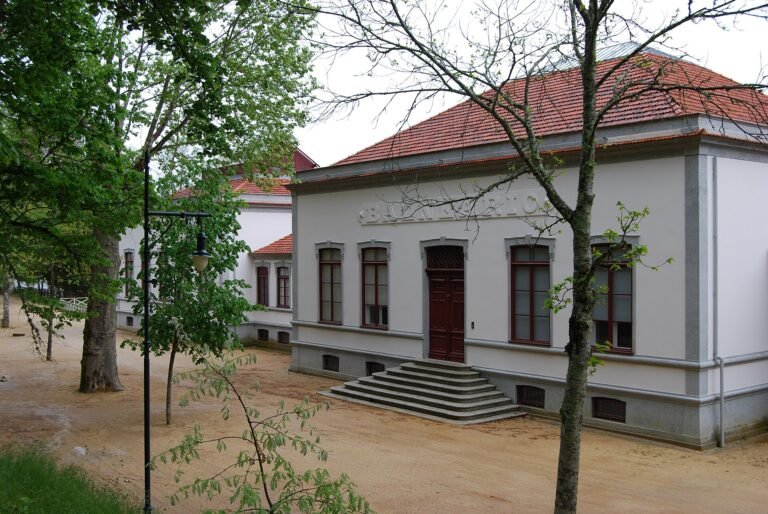
A spa park of giant trees and mineral springs, reborn with eco-houses and tree-houses among the woods of Trás-os-Montes.
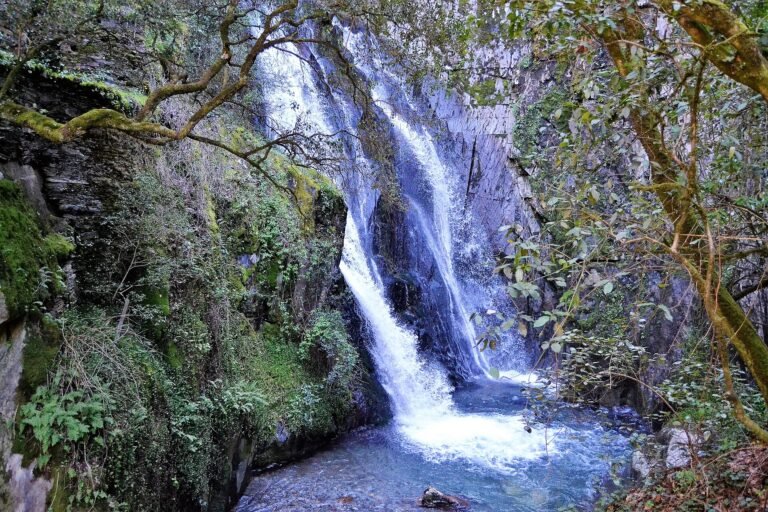
A stair of waterfalls, the tallest 19 metres, hidden in one of Portugal’s oldest protected woodlands in the Serra do Açor.
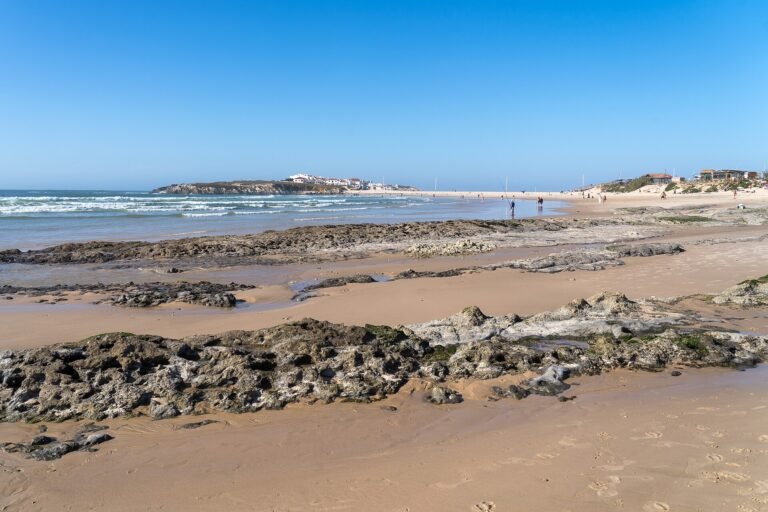
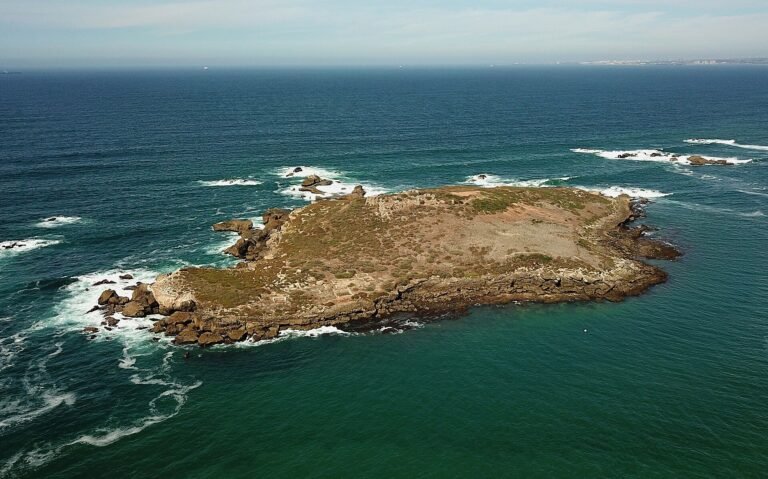
The former island joined to the mainland by a sand tombolo — calm on one side, Atlantic surf on the other, and the Berlengas on the horizon.
A cave discovered by chance in 1955, with one of the largest chambers of the Estremenho limestone and a waterfall of light.
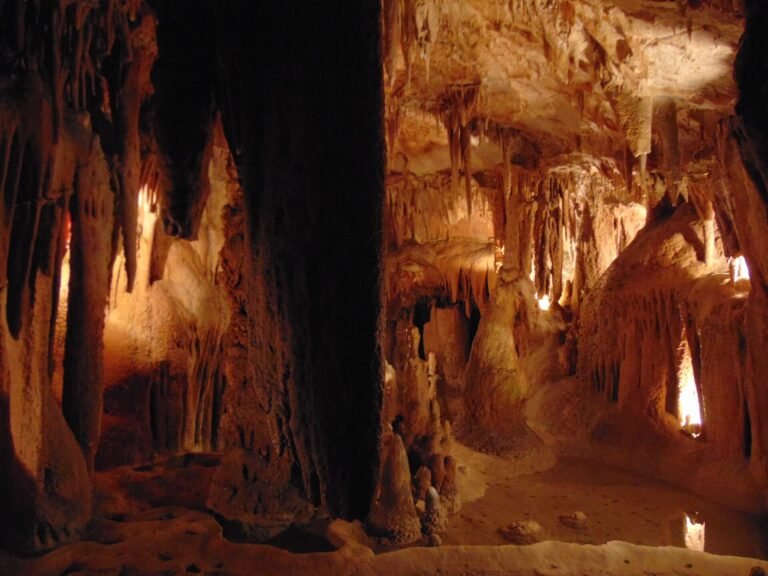
The cave the quarrymen found in 1964: great chambers and still lakes under the Serra dos Candeeiros, half an hour from Fátima.
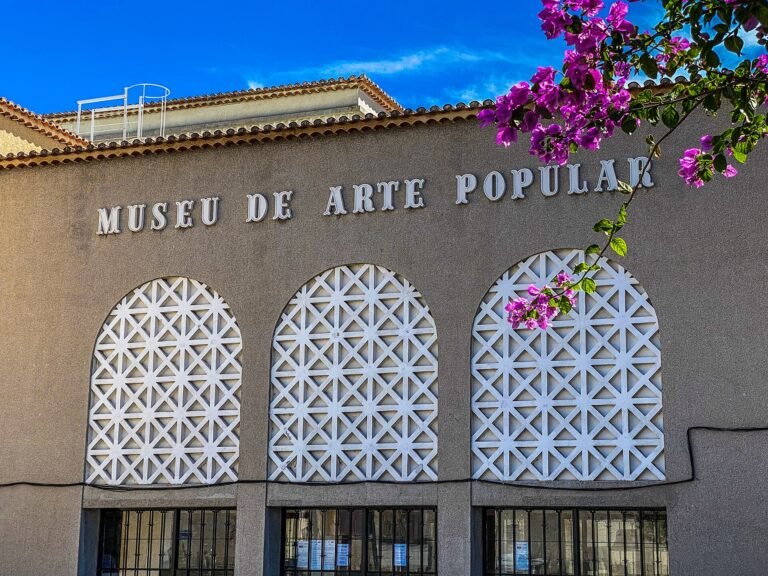
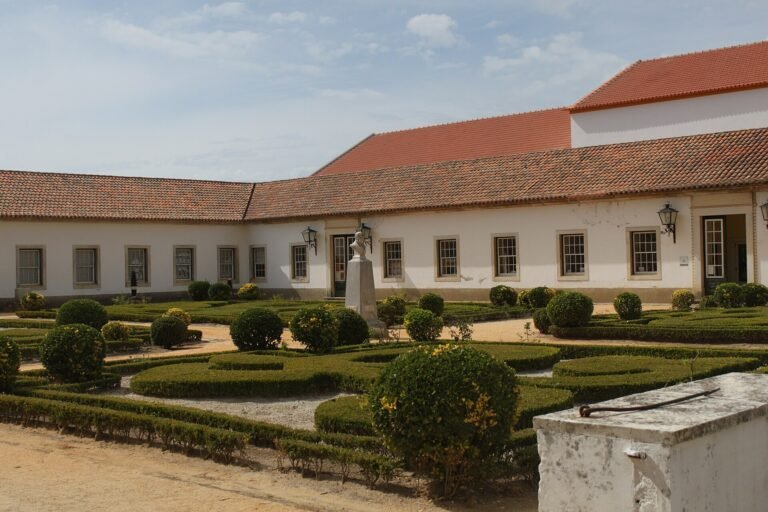
Portugal’s national museum of folk art on the Belém waterfront — painted carts, ceramics and traditions in a survivor of 1940.
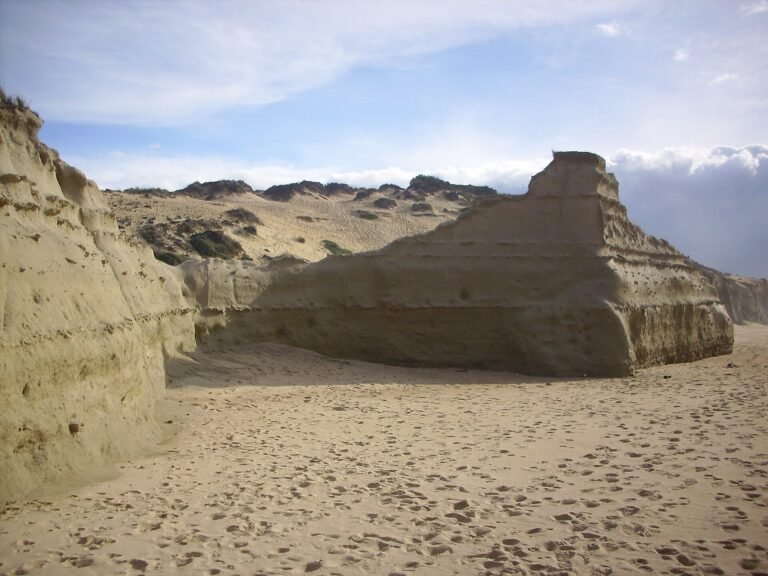
The wild beach below Cabo da Roca, reached by a steep cliff trail — the rock giants, the surf and, often, nobody else.
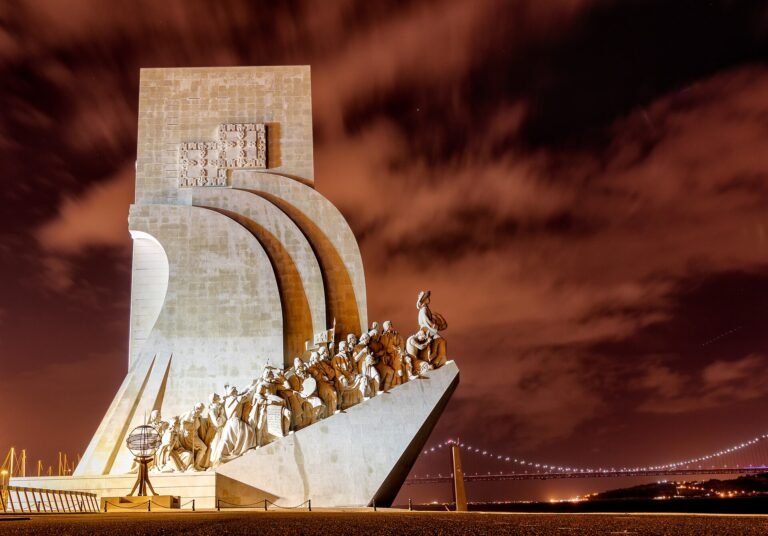
Belém’s caravel-shaped monument to the Age of Discovery, with a rooftop viewpoint over the river and the wind rose on the ground.
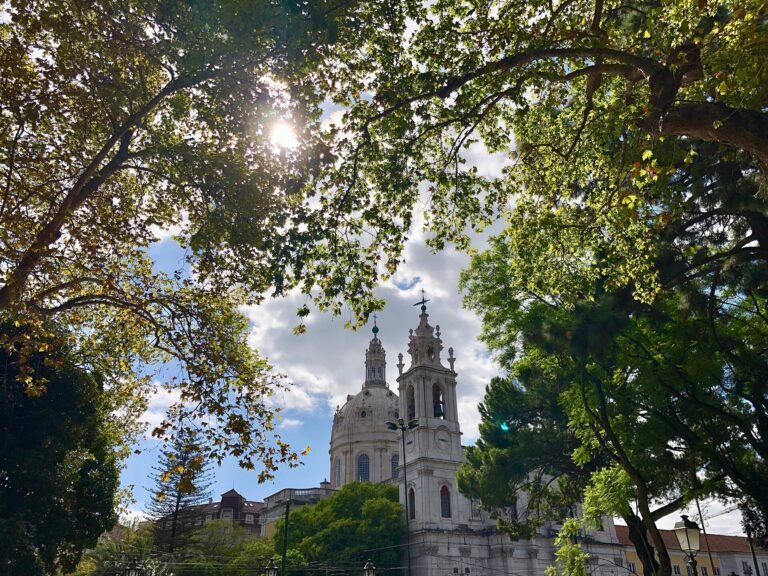
Queen Maria I’s votive basilica, the first church in the world dedicated to the Sacred Heart, with a dome terrace over Lisbon.
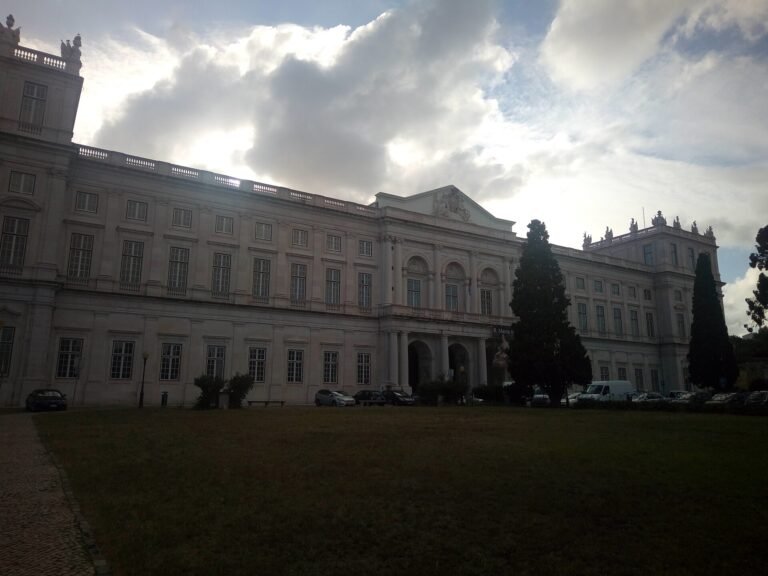
The Lisbon home of Portugal’s last kings: authentic 19th-century royal apartments, the only El Greco in the country and a library of 150,000 books.
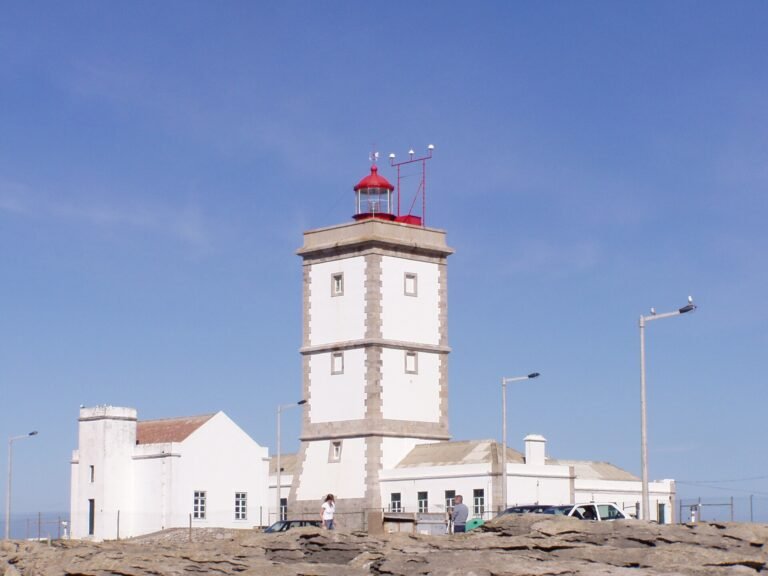
The wild western tip of the Peniche peninsula: limestone cliffs, the Nau dos Corvos rock and the Berlengas on the horizon.
A castle rebuilt by King Pedro I and the world’s oldest stud farm, breeding the grey Alter Real horses since 1748.
A barrier island with a working fishing village, reached by ferry from Faro or Olhão — the Algarve at its most authentic.
The first headquarters of the Order of Christ, above the Guadiana and Portugal’s oldest nature reserve, the Sapal.
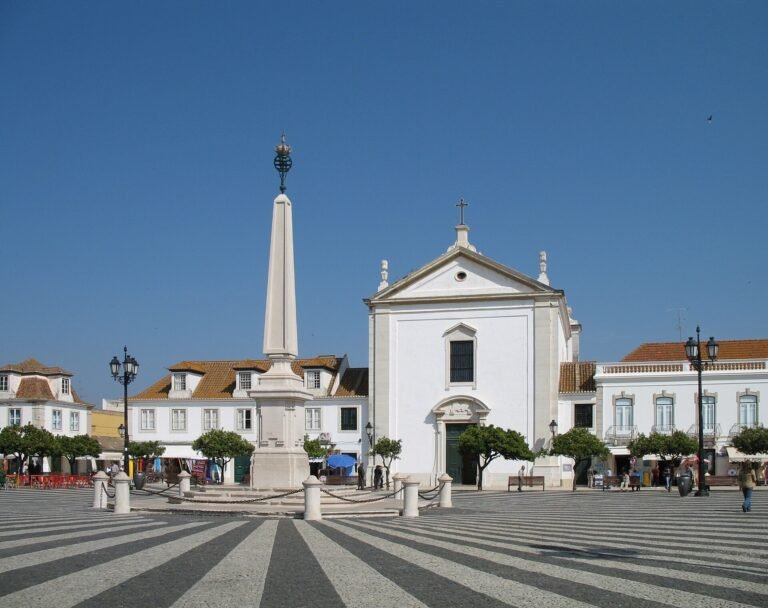
The entire town planned by Pombal after 1755 and built in two years on the Guadiana frontier, facing Spanish Ayamonte.
Portugal’s first porcelain factory, founded in 1824 at Ílhavo: museum, hand-painting workshop, palace and baroque chapel.
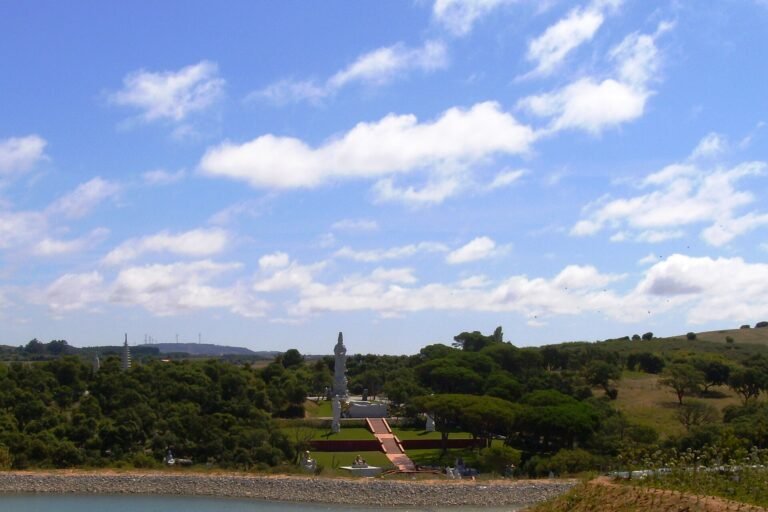
Europe’s largest oriental garden: hundreds of Buddhas, a koi lake and seven hundred terracotta soldiers at Bombarral.
Four kilometres of Atlantic sand south of Lisbon, with dunes and pines — and the naturist beach of Rio da Prata beyond.
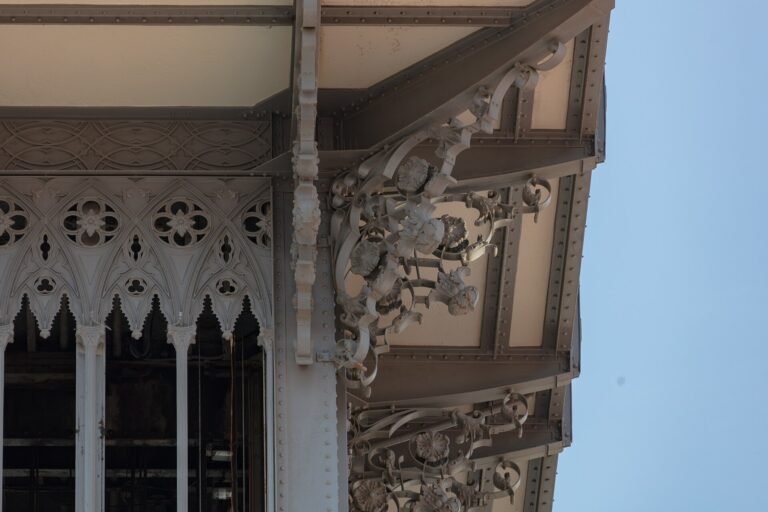
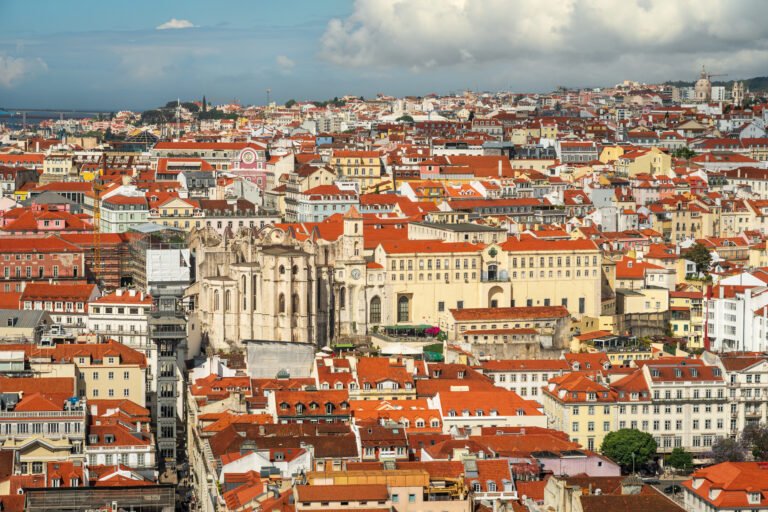
Since 1902, Lisbon’s iron lift has climbed from the Baixa to Largo do Carmo — part transport, part viewpoint, all neo-gothic.
Lisbon’s 18th-century aqueduct carried water from Sintra’s hills above the Alcântara valley in 35 arches, and survived the 1755 earthquake.
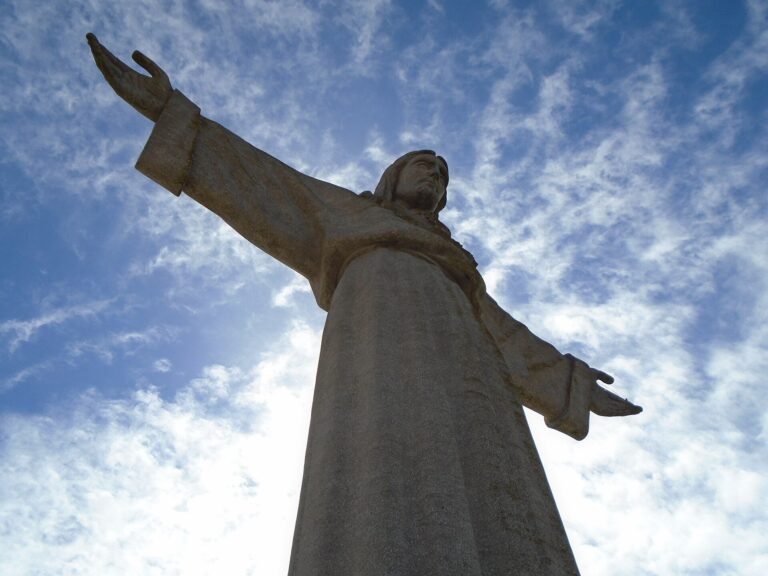
The statue blessing Lisbon from the south bank: the Cristo Rei terrace, 84 metres up, opens the finest view over the Tagus.
Santa Engrácia’s endless works finished at last in 1966: Lisbon’s National Pantheon holds the tombs of Amália, Eusébio and the presidents.
Portugal’s finest art museum: the São Vicente Panels, Bosch and Dürer at Janelas Verdes — reopening on 21 November 2026.
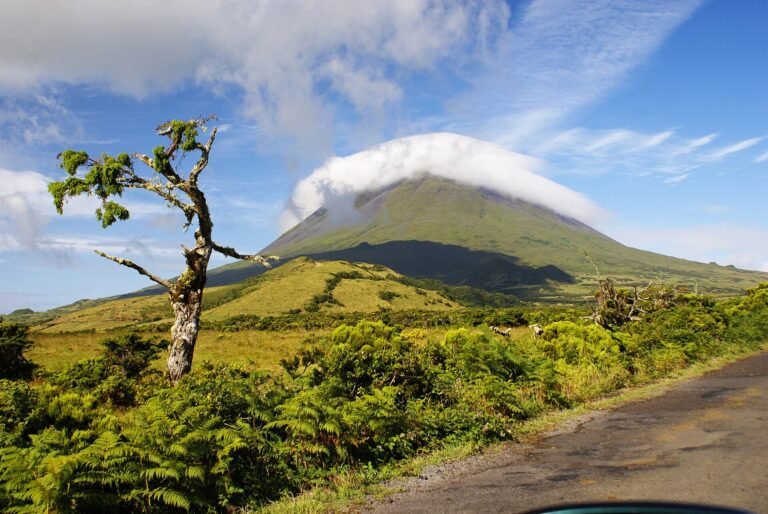
Portugal’s highest point rises 2,351 metres from the Atlantic: a supervised climb to the summit of Mount Pico, above the clouds.
In Furnas, on São Miguel, the volcano still cooks: steaming caldeiras, hot springs and the famous cozido buried in the earth since morning.
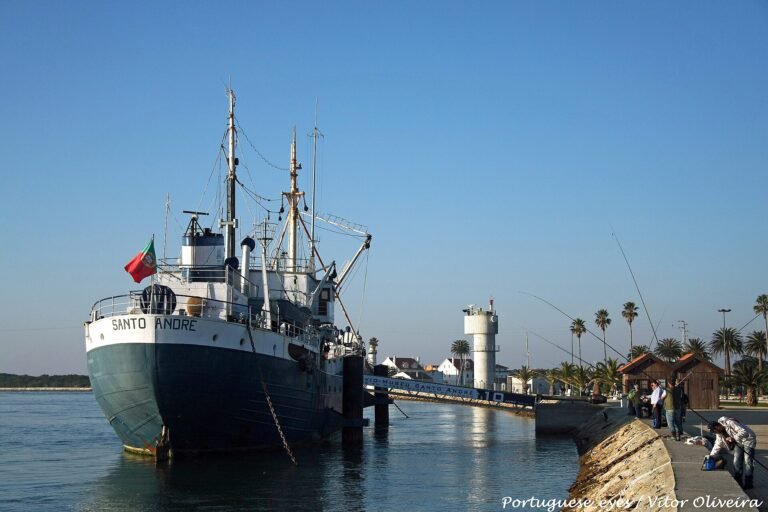
The Santo André, the last side trawler of Portugal’s cod fleet, now a museum ship at Ílhavo near Aveiro.
The Roman baths of Aquae Flaviae in Chaves, among the best preserved in Roman Hispania — water at 76 degrees.
Tavira’s barrier island, eleven kilometres of Atlantic sand across the Ria Formosa, reached by ferry or tiny train.
The islet of Pessegueiro off Porto Covo, with its 17th-century fort, Roman fish tanks and boat trips in summer.
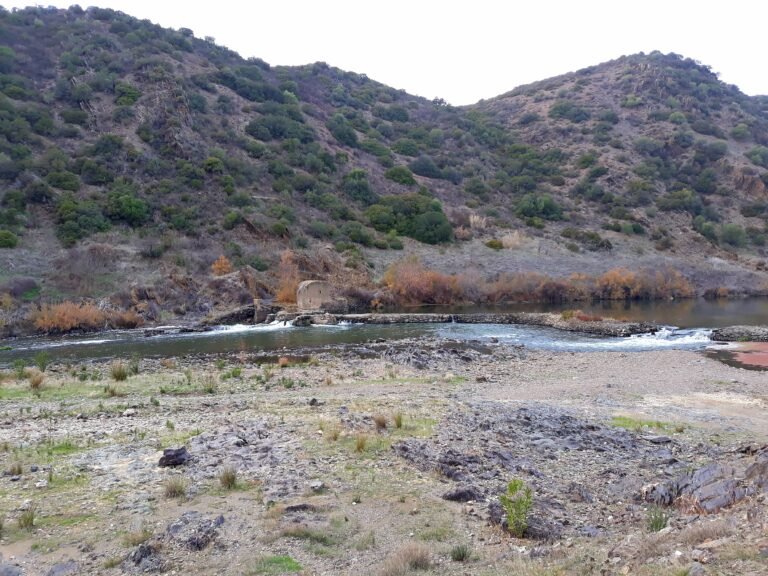
The Guadiana’s dramatic gorge and waterfall, the highest in southern Portugal, inside the Vale do Guadiana park.
The largest artificial lake in Western Europe, born of the Guadiana in 2002 and now a Dark Sky stargazing reserve.
Brás de Albuquerque’s diamond-facade house on Lisbon’s riverside, home of the Saramago Foundation and of Roman remains.
The pilgrimage sanctuary of Cabo Espichel, alone on its cliff above the Atlantic, and the dinosaur tracks beneath it.
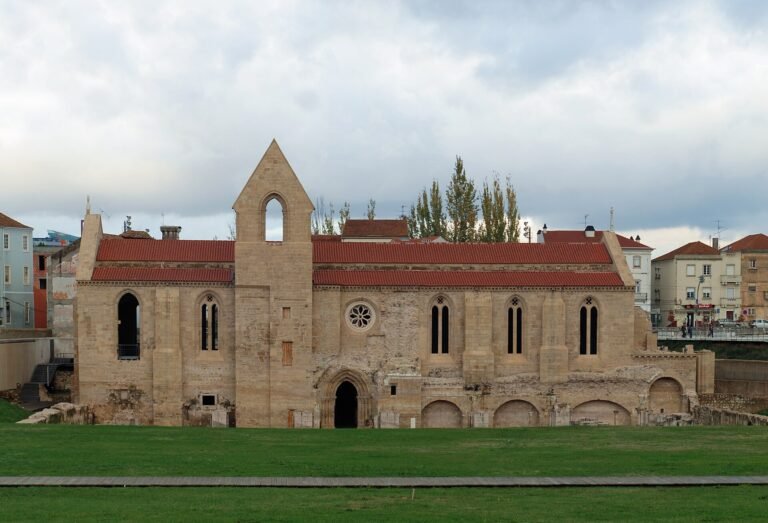
The Gothic ruins of Santa Clara-a-Velha in Coimbra — a monastery drowned by the Mondego and reborn through archaeology.
Portimão’s Praia da Rocha — the Algarve beach that taught Portugal how to holiday — with ochre cliffs and carved rock stacks.
Portugal’s greatest spa, in a wooded valley of the Vouga, where hot sulphur water has been easing aches since Roman times.
The Serra de São Mamede Natural Park rises above the Alentejo plain by Portalegre — castles, chestnut woods and high ground.
Every May since 1901, Coimbra’s Queima das Fitas fills the city with capes, ribbons, fado and the great satirical parade.
Above the twin lakes of Sete Cidades, the Boca do Inferno viewpoint frames the whole volcanic caldera of São Miguel.
Seven hectares of tropical forest beside the Jerónimos in Belém — palm avenues, a cactus garden and rare quiet in Lisbon.
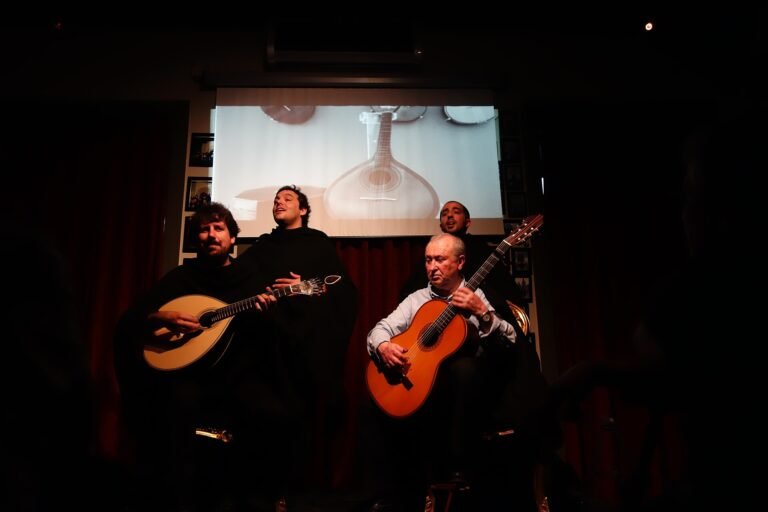
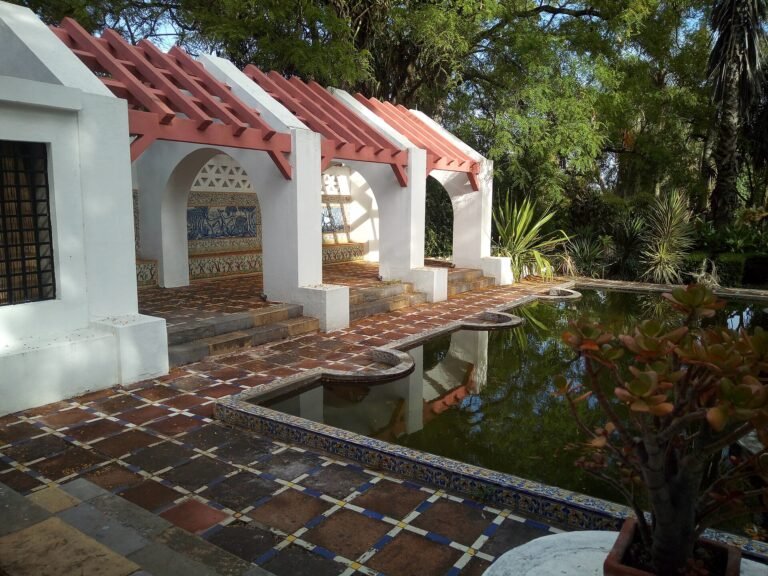
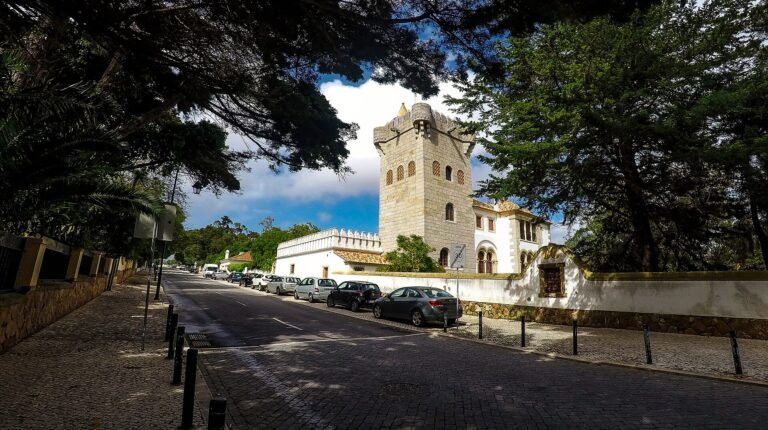
In a Raul Lino house in Monte Estoril, the Museum of Portuguese Music keeps folk instruments, the Lopes-Graça legacy and a romantic garden.
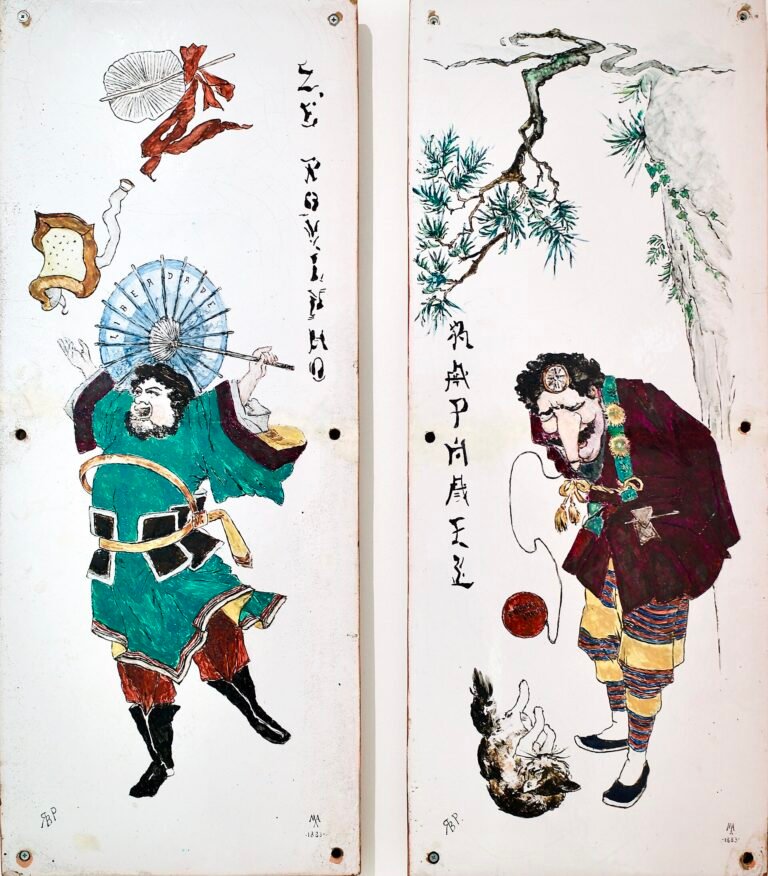
Lisbon’s Museu Bordalo Pinheiro holds some 13,200 works by the creator of Zé Povinho, the most famous figure of Portuguese caricature.
Ovar is Portugal’s living museum town of the azulejo, where whole streets wear tiled façades by the Ria de Aveiro.
Fafe, in the hills of the Ave valley, pairs a granite old town with the river beaches and green valleys of the Minho’s eastern edge.
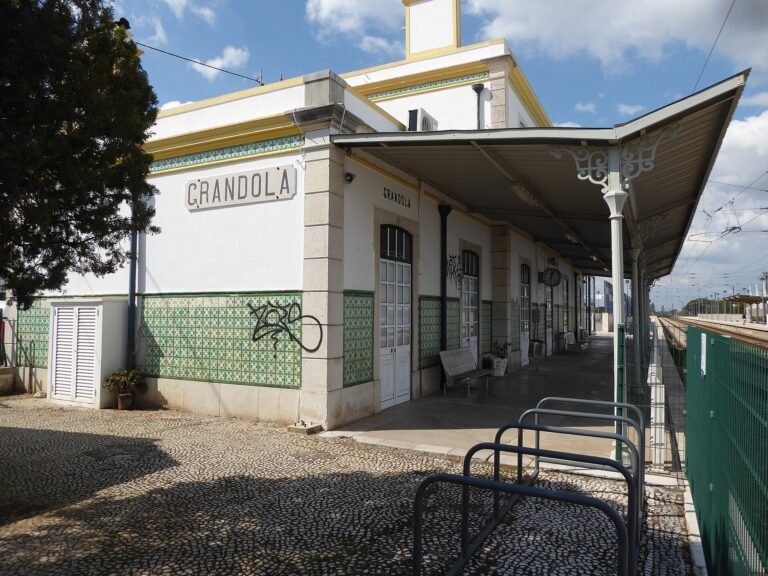
Grândola is the Alentejo town of the song that signalled the 1974 revolution — a calm place of cork forests between Lisbon and the coast.
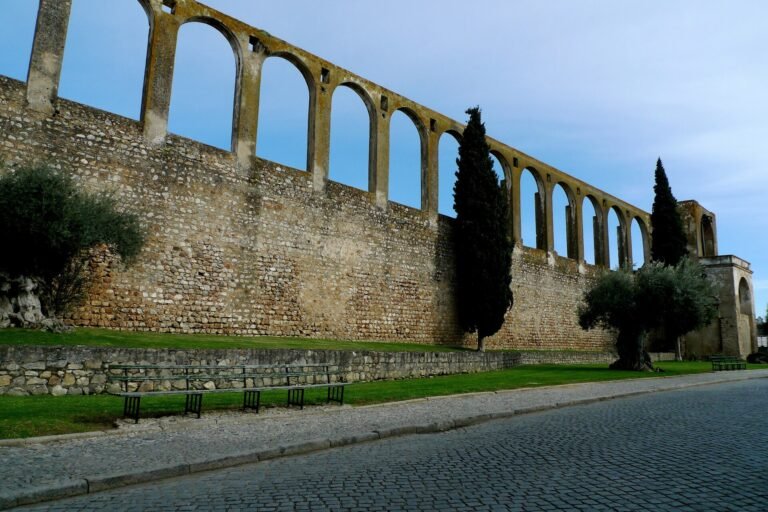
The walls of Serpa enclose a whole medieval town in the Alentejo plain, crowned by a 17th-century aqueduct and a monumental water wheel.
The Roman villa of São Cucufate, near Vidigueira, is one of Portugal’s most important Roman sites — a mansion that became a medieval convent.
The hilltop castle of Sesimbra, the best-preserved Portuguese castle on the sea, with two exhibitions and wide views over the bay.
The medieval walls of Óbidos can be walked for some 1.5 kilometres above the town, past gates and towers, with free access and wide views.
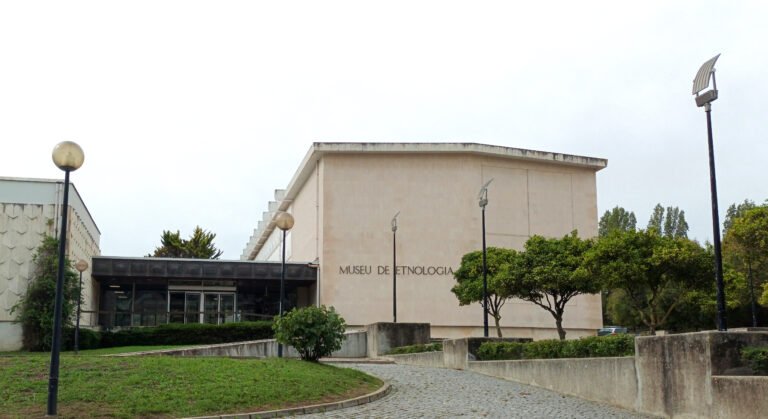
The ways of life of Portugal, in the collections of the national museum of ethnology.
The story of money, in the ruins of the old church of São Julião, in the Baixa of Lisbon.
The great balcony over the Douro, above the vineyards of the wine country.
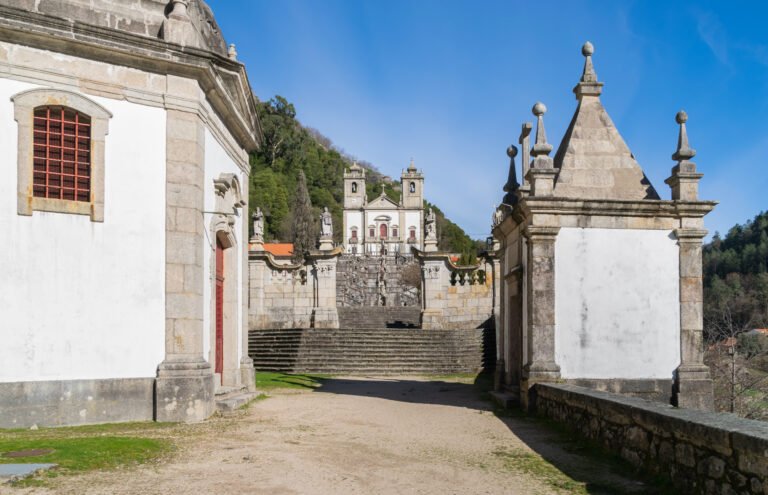
The sanctuary of the mountains of Peneda-Gerês, goal of one of the great pilgrimages of the north.
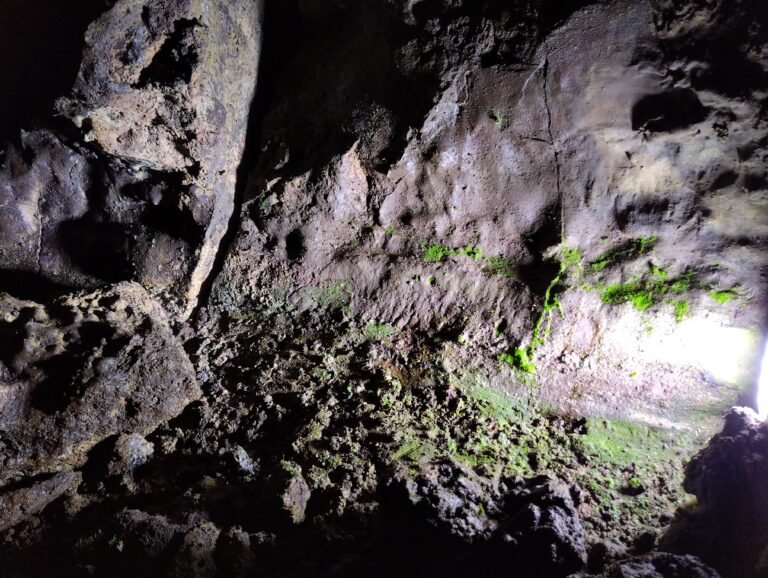
The lava tube below Ponta Delgada, visited with a guide, one of the longest of the Azores.
The royal basilica raised in memory of the Battle of Ourique, in the heart of Castro Verde.
The wild valley of the Guadiana, between the gorge of Pulo do Lobo and the steppes of the Alentejo.
The golden cliffs and rock arches of the great beach of the Algarve.
The ruined convent of the 1755 earthquake, with its archaeological museum under the open sky.
The green heart of Viseu, in the old estate of the bishops.
The granite village crowned by one of the most picturesque castles of the Beira.
The Ribatejo town of the castle above the Tagus.
The museum of the rock art, where the Côa meets the Douro.
The town of the Côa valley, gateway to the rock art and the almond blossom of the north-east.
The great sea cliff of Madeira, with its glass skywalk over the Atlantic.
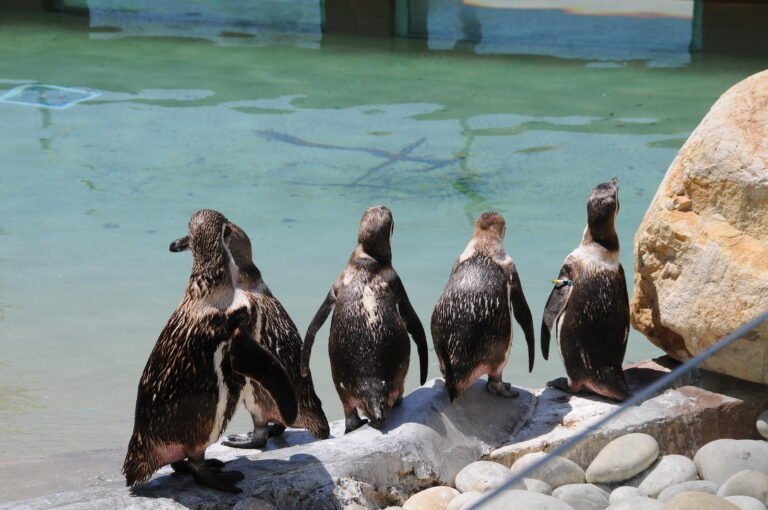
The zoo in the centre of Maia, in Greater Porto, with its animals and the largest reptilarium of Portugal.
The animal park of the western Algarve, with more than a hundred and fifty species, near Lagos.
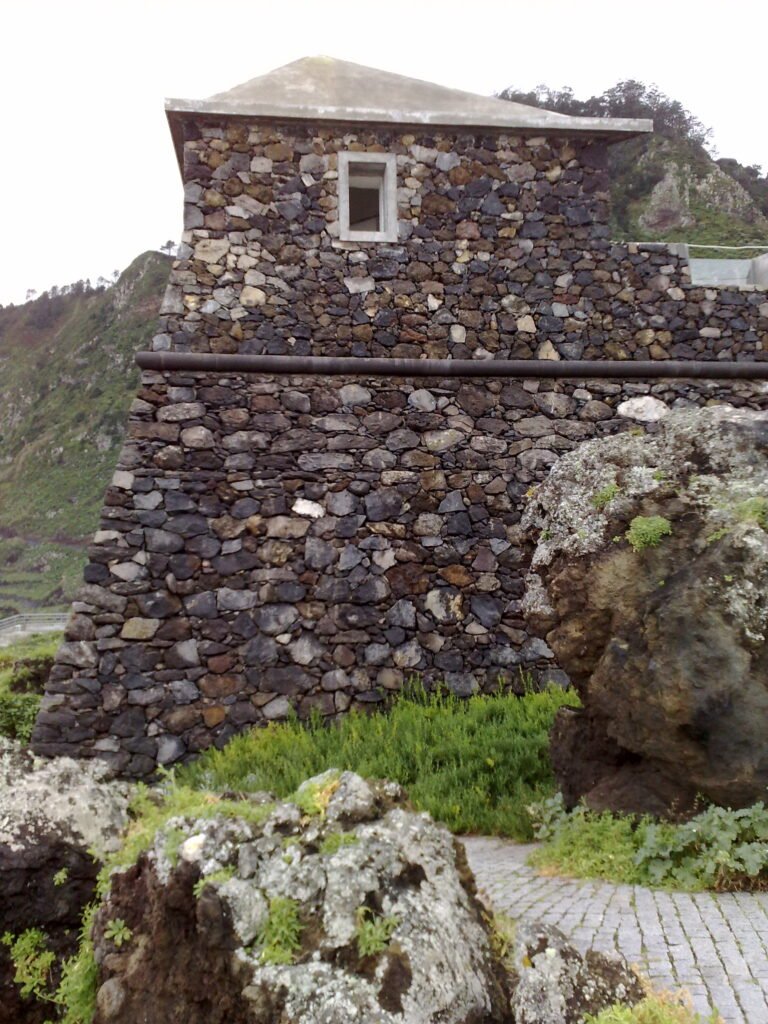
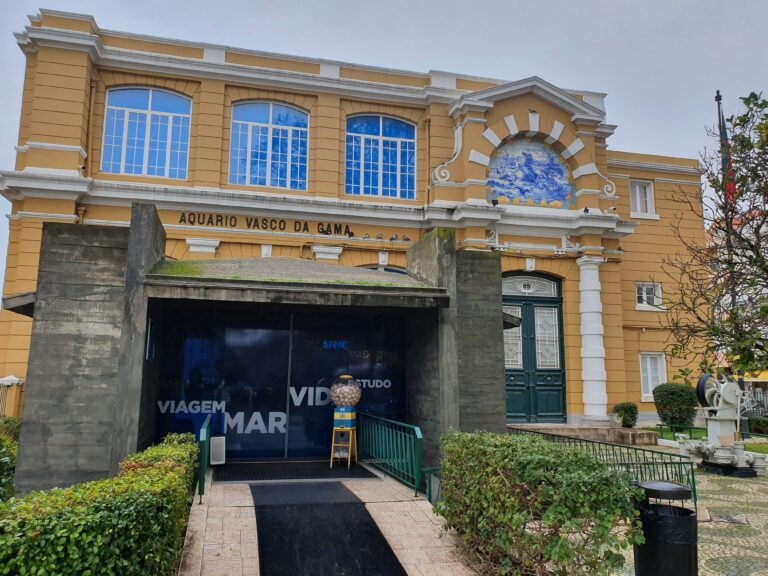
The aquarium of Porto Moniz, in the old fort of São João Baptista, with the marine biodiversity of Madeira.
The aquarium of Horta, on the bay of Porto Pim, with the marine life of the Azores.
The bird observatory of the Lezíria, near Vila Franca de Xira, among the wetlands of the Tagus.
A park of the native fauna and flora of Portugal, in the woods of Avintes, with a wildlife recovery centre.
The largest zoo of northern Portugal, on the green hills of Gaia above the Douro.
12236
12301
12233
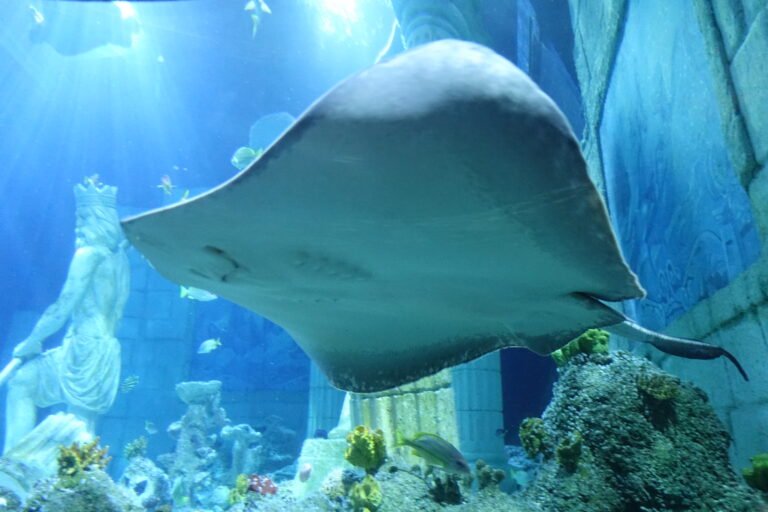
The great oceanarium of Lisbon, on the old Expo ’98 waterfront, with the oceans of the world under one roof.
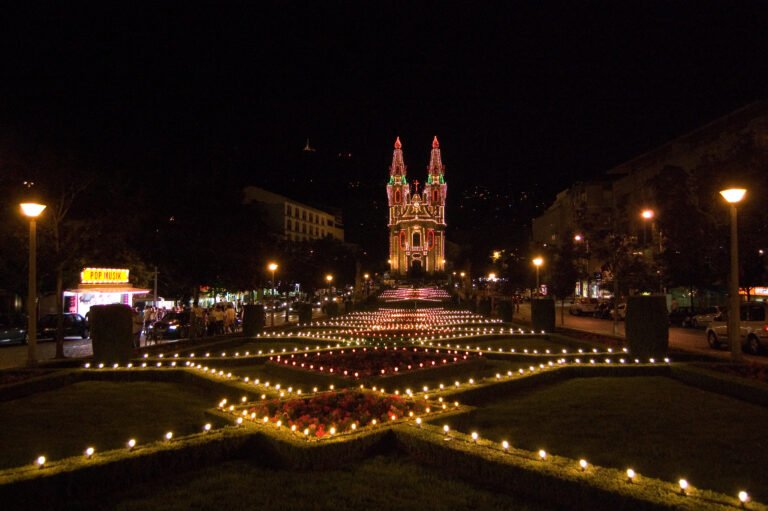
The great festival of Guimarães, each August, with its cortejo, fair and fireworks.
The town of Vasco da Gama on the Alentejo coast, with its castle and music festival.
The classic walk of Rabaçal, from the levada to the waterfall of the 25 Fontes.
The great volcanic cave of Graciosa, with its lake under the dome of rock.
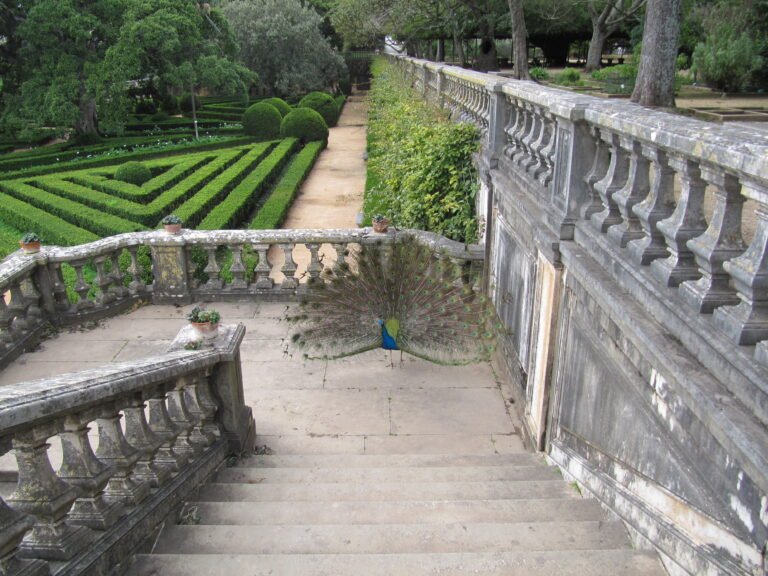
The oldest botanical garden of Portugal, in the Ajuda quarter of Lisbon.
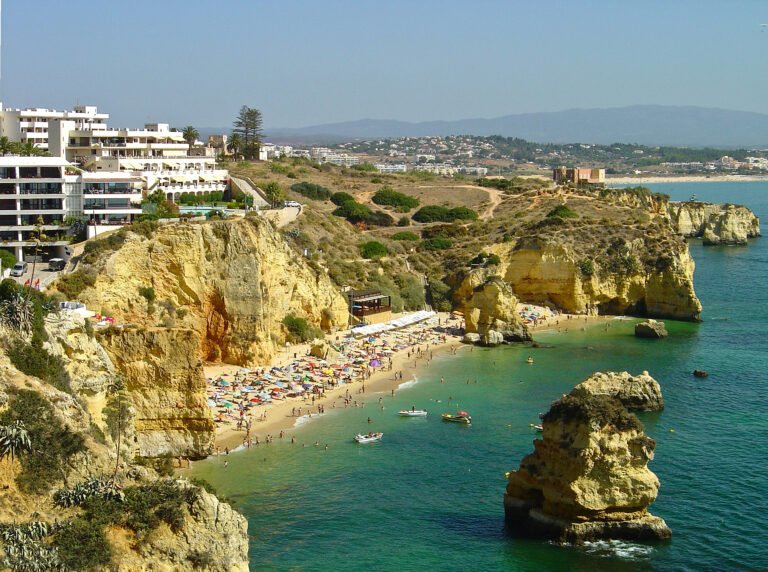
The ochre cliffs and golden bays of Camilo and Dona Ana, west of Lagos.
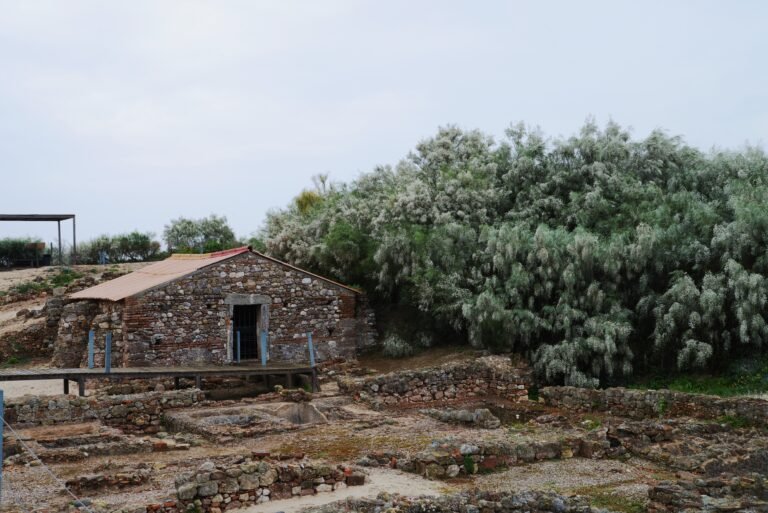
The Roman industrial town of Tróia, with its fish-salting factories, across the Sado from Setúbal.
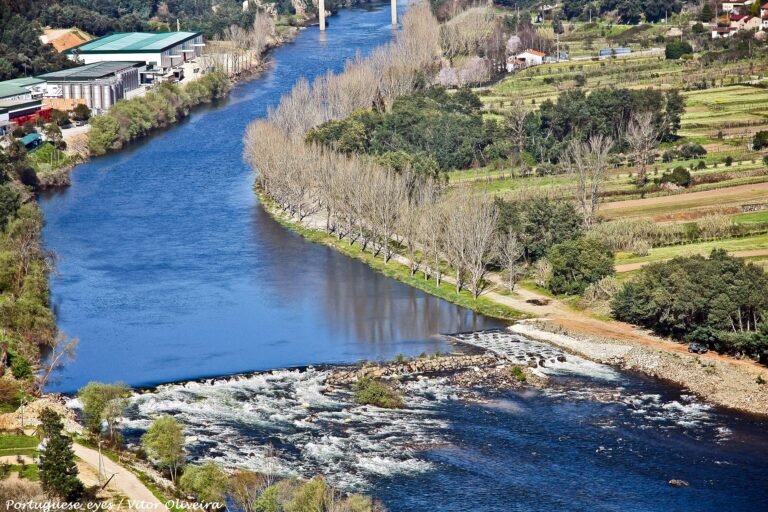
The village on the high bank of the Mondego, with its viewpoints and river beach.
The resort city at the mouth of the Mondego, with its great seafront and beaches.
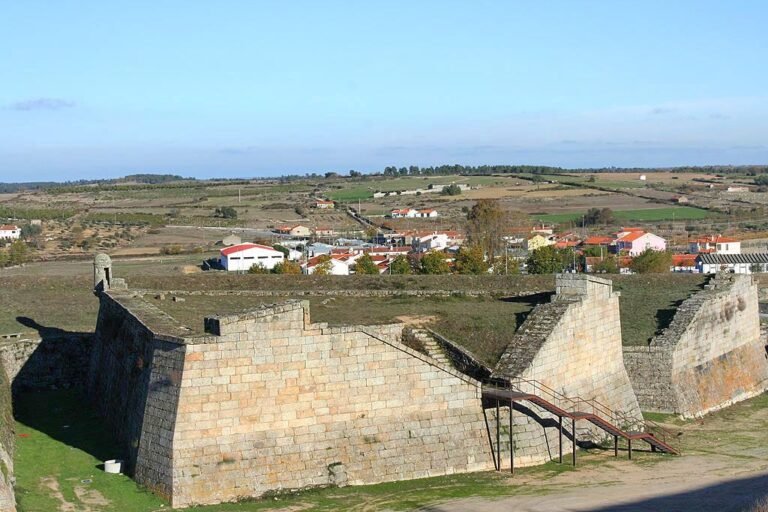
The star fortress of the Beira border, with its walls, moats and old town inside.
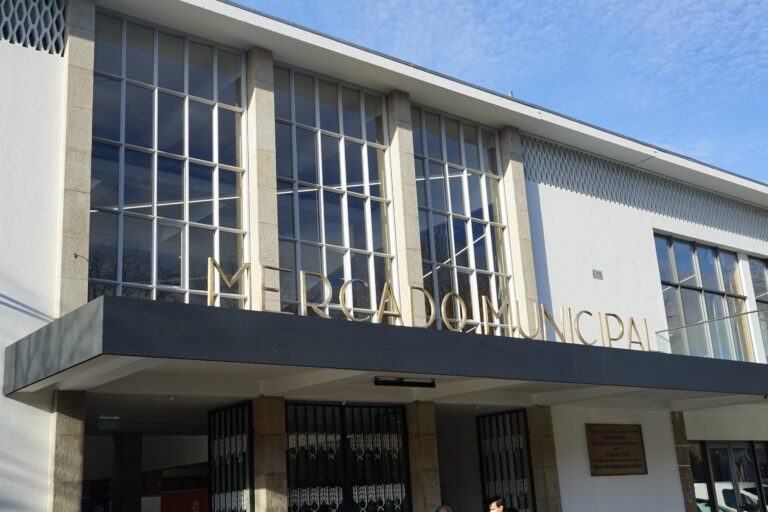
The table of Braga: the municipal market of the Minho, in the heart of the city.
The house-museum of Porto with the paintings of Aurélia and Sofia de Souza.
The estuary of the Sado, its dolphins, salt pans and birdlife, in front of Setúbal.
The science museum of the University of Lisbon, at the Príncipe Real.
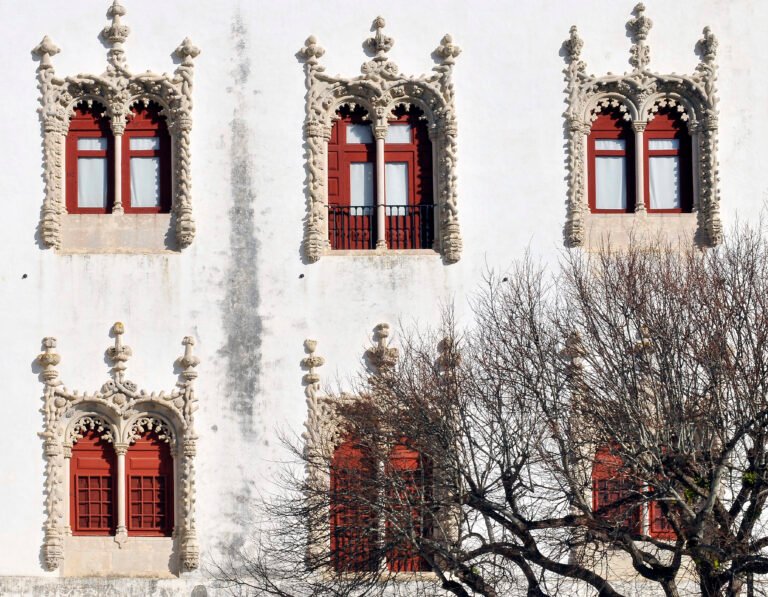
The medieval royal palace of Sintra, with its great chimneys and painted halls.
The volcanic lava caves of São Vicente, on the north coast of Madeira.
The highest summit of Madeira, above the clouds at 1,862 metres.
 English (UK) English (UK)
 Português
 Polski
 Nederlands
 Italiano
 Français
 Español
 Deutsch
 한국어
한국어 简体中文
简体中文 Svenska