Azores
The Azores were discovered by Portuguese navigators in the early 15th century under the command of Prince Henry the Navigator. The islands were uninhabited and were colonised by the Portuguese, Flemish, and other peoples, who developed agriculture, particularly the cultivation of wheat and vines.

During the Age of Discoveries, the archipelago became a strategic point on the maritime routes between Europe and the Americas. The city of Angra do Heroísmo, on the island of Terceira, was an important support port and is now a UNESCO World Heritage Site. Over the centuries, the islands faced foreign invasions, pirate attacks, and internal crises. One notable event was the eruption of Capelinhos in 1957.
In the 19th century, the Azores experienced mass emigration due to economic crises and natural disasters. After the Carnation Revolution in 1976, the archipelago gained political autonomy, enabling development focused on sustainable tourism and environmental preservation.
The vast expanse of the Atlantic Ocean hides an extraordinary beauty: the Azores. This archipelago, consisting of nine islands, offers a rich diversity of landscapes and experiences that captivate all visitors. From beaches to volcanoes, the Azores are a must-visit destination for nature lovers.
Discovering the Eastern Islands of the Azores
On the easternmost edge of the archipelago, Santa Maria Island is a true haven for those seeking sun and tranquillity. Its beaches are perfect for relaxation, while the vineyards that cover the hillsides offer a unique landscape.
On São Miguel, the largest island of the Azores, the natural contrasts are impressive. The Sete Cidades, with its crystal-clear lagoons, and Lagoa do Fogo, surrounded by lush vegetation, are just some of the wonders to explore. In addition, the island’s geothermal power is felt everywhere, from geysers and hot springs to delicious dishes like “Cozido das Furnas,” a delicacy slowly cooked in the depths of the earth.
The Central Group of Islands
In the heart of the Azores, the Central Group islands – Terceira, São Jorge, Pico, Faial, and Graciosa – form a diverse set of destinations where whales and dolphins can be spotted. On Terceira, the city of Angra do Heroísmo, a UNESCO World Heritage Site, invites visitors to discover its history and culture. Local festivals also celebrate centuries-old traditions.
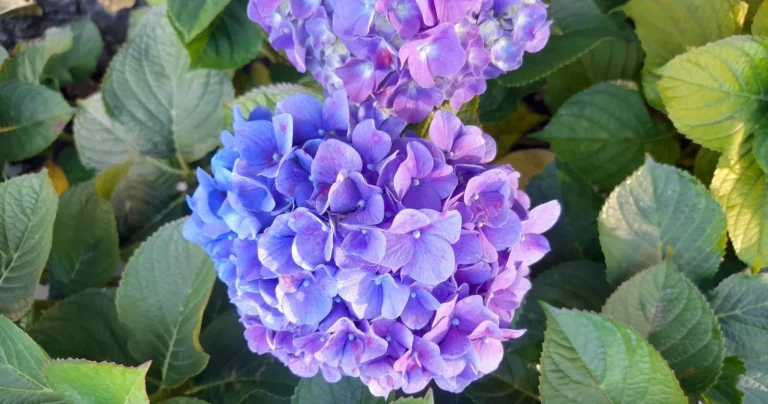
Faial, known as the “Blue Island” due to its vast hydrangeas, is a meeting point for sailors from around the world. Many leave their mark at Horta’s marina. The island is also home to the Capelinhos Volcano, whose barren landscape resembles the surface of the moon.
Across from Faial stands Pico, Portugal’s highest mountain, surrounded by vineyards that produce world-renowned wines. This landscape is also a UNESCO World Heritage Site. It offers breathtaking panoramic views to those who venture to climb its summit.
São Jorge, on the other hand, is distinguished by its Fajãs – small coastal plains formed by landslides. Its artisanal cheese is famous for its distinctive flavour and appreciated by gourmets worldwide. Graciosa, with its green fields dotted with charming windmills, lives up to its name, offering a peaceful and welcoming landscape.
The Natural Wonders of the Western Islands
On the westernmost edge of the archipelago, Flores Island enchants with its majestic waterfalls and natural lakes sculpted by volcanic activity. This island is a paradise for ecotourism enthusiasts, where every trail reveals new natural surprises. Lastly, the small island of Corvo, the smallest of the Azores, stands out for its large central crater, which is home to various species of migratory birds from Europe and America, attracting birdwatchers from all over the world.
Nine Islands – One Unforgettable Destination
The Azores are an archipelago of contrasts, where each island has its own unique identity. However, all share the friendliness and hospitality of their inhabitants.
Whether exploring volcanic mountains, relaxing on paradisiacal beaches, or discovering cultural traditions, the Azores offer unforgettable experiences for all kinds of travellers. In every corner of this Atlantic paradise, nature displays its beauty, inviting all to discover and appreciate it.
Visiting the Azores is discovering a world of stunning landscapes and adventures, a destination that promises to leave memories for a lifetime.
To Visit
More to explore
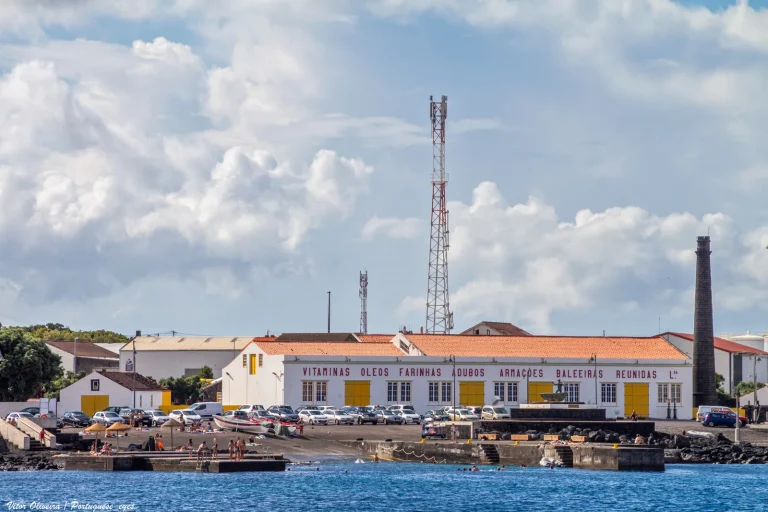
Museu da Indústria Baleeira
On the coast of São Roque do Pico, a former whale factory — the largest sperm-whale processing complex of the…

Pinhal da Paz
A 49-hectare forest reserve on the edge of Ponta Delgada, with playgrounds, picnic clearings and a quiet loop trail.

Semana do Mar
The great nautical festival of the Azores, held every August in Horta on Faial since 1975, with regattas, whaleboats and…
Experiences
Explore related experiences
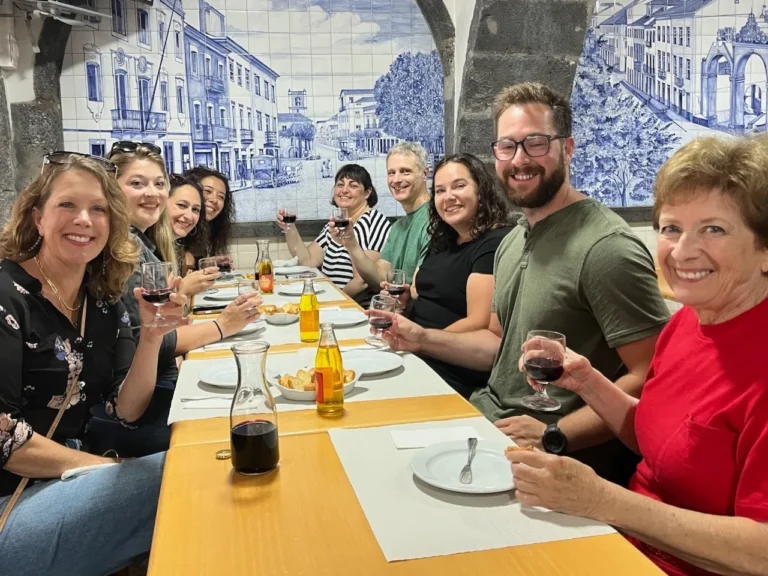
Wine & Food Walking Tour in Ponta Delgada, inc. Dinner
Three-hour small-group walking tour in Ponta Delgada featuring five volcanic Azorean wines paired with local food and guided storytelling.
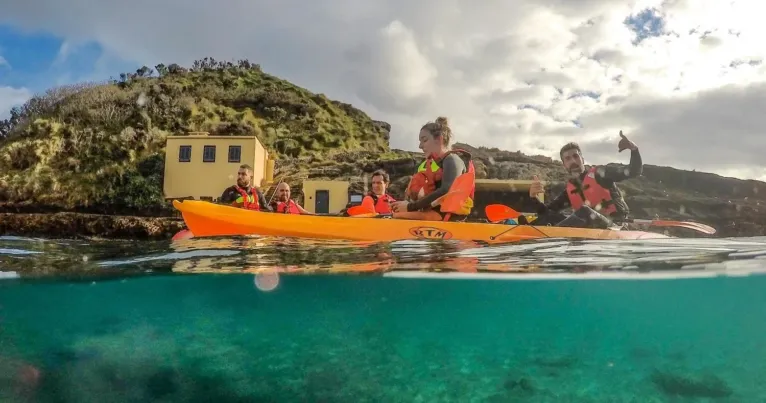
4-Day Azores Tour | Island Adventure & Nature Highlights
Four-day guided tour of São Miguel, Azores, featuring volcanic lakes, geothermal sites, tea plantation, and 4-star accommodation.
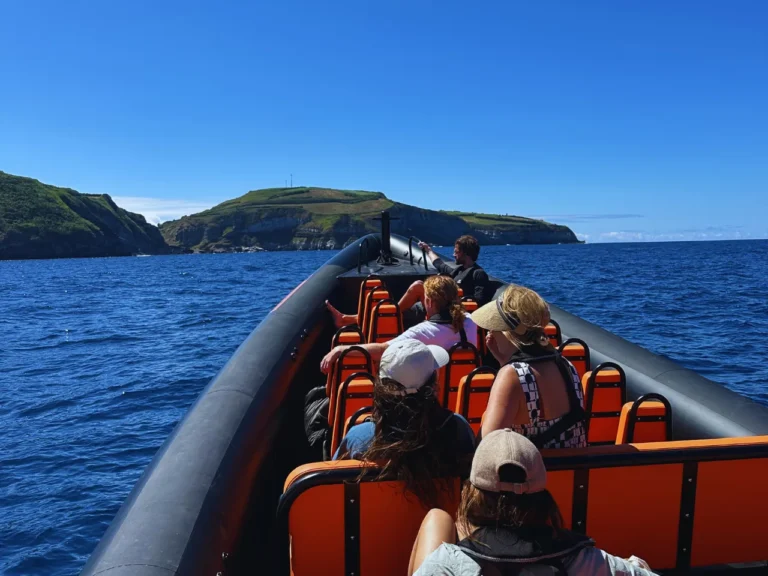
São Miguel: Private Sea Cave Boat Tour with Drinks & Swim
Private 2½-hour boat tour along São Miguel’s north coast with drinks, local snacks and an optional swim stop.
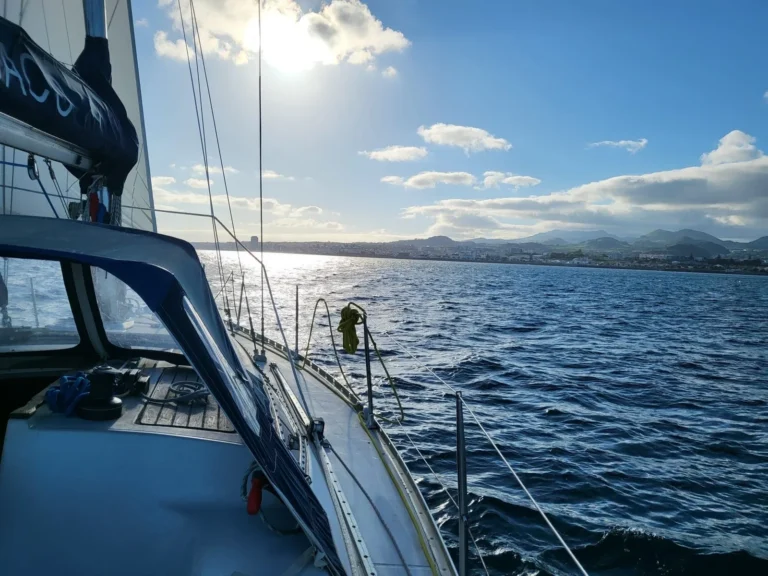
Half Day: Sailing, snorkeling and Stand up Paddle.
Aged 5+ • 3 hours • An afternoon full of fun and water activities!
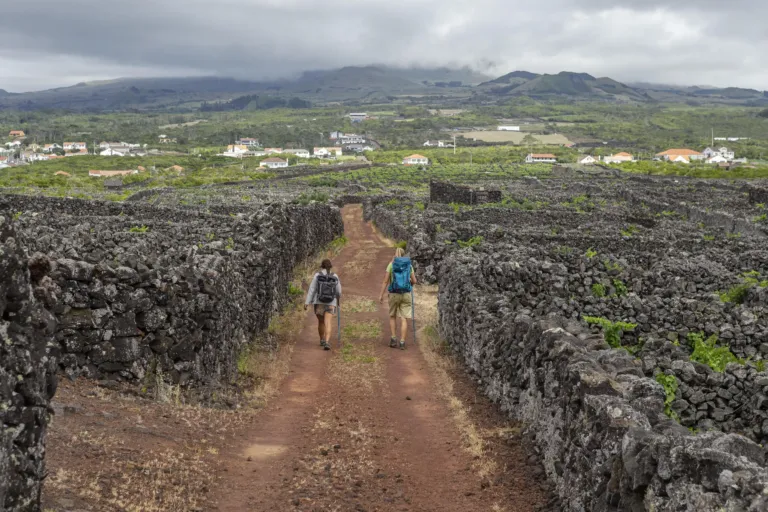
Walk • Criação Velha Vineyards • Half Day
Age 6+ • 3 Hours
 English (UK)
 Português
 Polski
 Nederlands
 Italiano
 Français
 Español
 Deutsch
 한국어
 简体中文
 Svenska