Three Days in Porto and the Douro: City, River and Vineyards
A three-day Porto and Douro itinerary: old-town walks, port wine lodges, the Douro railway, vineyard views and practical advice on bookings and local rail timing.

Three Days in Porto and the Douro: City, River and Vineyards
Porto works best as a walking city with a river at the end of the street. The Douro needs a separate day: the train ride upstream is part of the visit, not just transport. This three-day plan gives Porto one full day, the Douro valley another, and keeps the third flexible enough to add Lamego or slow down in Foz. Base yourself in Porto and travel light to the valley.
Day 1 — Porto old town and Gaia
Morning. Start at São Bento station, where the tiled entrance hall is worth a stop before you climb into the old town. Walk up to the Porto Cathedral and the surrounding lanes, then continue to the Clérigos area. If you want to see Livraria Lello, book a timed entry: the shop is small and the queue is part of the business model. The Porto location page gives a wider list of what is nearby.
Afternoon. Walk down to the Ribeira and cross the Luís I Bridge to Vila Nova de Gaia. The lower deck puts you on the riverfront; the upper deck gives the view. Visit one port wine lodge rather than three, and book the tour in advance. The Gaia page explains the difference between the lodge district and the residential hill behind it.
Evening. Stay in Gaia for the sunset from Jardim do Morro, then eat back in Ribeira or on the Gaia waterfront. Both are touristy; both are convenient. For something quieter, walk one street inland.
Day 2 — The Douro by train
Morning. Take the train from São Bento or Campanhã along the Douro line. The journey to Pinhão takes about three hours, and to Régua about two hours and twenty minutes on the regional services. Sit on the right-hand side going upstream: the river and the terraced vineyards are on that side for most of the scenic stretch.
Check the current timetable before you travel. The line has engineering work, and some services are replaced by buses, which makes the trip slower and less scenic for part of the way. The [Douro timetable](https://www.cp.pt/info/documents/d/cp/horarios_douro_03-11-2026) is the source to use.
Afternoon. In Pinhão, the station’s tile panels are the obvious first stop. Walk down to the river, then choose between a quinta visit and a short boat trip. The Douro River boat tour is a one-hour cruise from Bagaúste, with a glass of white port and seasonal fruit. It is a good way to see the terraces from water level without committing to a long cruise.
If you prefer towns to vineyards, go to Peso da Régua instead. The Museu do Douro explains the wine trade, and the riverfront is flat and easy. Lamego is a short taxi or bus ride inland, but the sanctuary staircase is a climb; do not add it to an already full day.
Evening. Return to Porto, or stay overnight in Pinhão. Staying is the better choice if you want a quiet dinner and an early walk before the first train. The Douro Valley wine region is UNESCO-listed; the landscape is the reason to linger.
Day 3 — Lamego, Foz or a slower Porto
Morning. Choose one direction. Lamego has the Sanctuary of Nossa Senhora dos Remédios and the Lamego attraction page explains the climb. Alternatively, stay in Porto: the Porto Highlights private walking tour covers the Carmo and Carmelitas churches, Livraria Lello, the Clérigos church and the old Jewish quarter in one structured morning.
Afternoon. If you are in Porto, take tram 1 along the river to Foz, walk the seafront and return by bus or taxi. If you are in the Douro, visit Casa do Douro in Régua or a quinta near Pinhão, then take an afternoon train back.
Evening. End with a Porto morning food tour if you have a late start the next day, or a simple dinner near the river. The food tour is a brunch-style walk through markets and tascas, so it works better as a morning activity than as a final-night blowout.
Getting around
Porto’s centre is walkable but steep. Use the metro for the airport and long hops; Line E connects the airport directly to Trindade. For the Douro, the train is the practical option, with São Bento and Campanhã as the main departure points. A car is only useful if you want to combine Lamego and small quintas on the same day; parking in Porto is not worth the trouble.
The Douro line is a regional service, not a high-speed train. Seats are not reserved, and delays can accumulate. Do not plan a tight connection at Régua or Pinhão.
What to book ahead
- Port wine lodge: a tour and tasting in Gaia, especially in summer.
- Livraria Lello: a timed entry slot if you want to see the interior.
- Douro boat or quinta visit: the small boats and family quintas fill up.
- Food tour or walking tour: morning slots are the most popular.
- Douro train: buy online; no seat reservation, but check the engineering-work timetable.
Best time to go
May, June and September are the most comfortable months for walking and vineyards. July and August are hot in the valley, and the trains are busy. IPMA’s 1981–2010 normal for Porto gives an August mean daily high of 24.7°C and 166.9 mm of rain in November, so carry a light waterproof even in summer. The Douro is hotter and drier than Porto; bring water.
Practical tips
Wear shoes with grip for the cobbles and the Douro quintas. Book the Douro day before you arrive, but keep the order flexible: if the forecast is bad, swap it with the Porto day. Check the current timetable, especially during the engineering works. In Gaia, the lodge district is a short walk from the bridge, but the hill back up is steep; use the cable car if you are tired.
Experiences for this itinerary
- Douro Valley Tour from Porto — a full-day trip with pickup in Porto, a scenic drive to Casal de Loivos and visits in the UNESCO-listed valley.
- Douro River Boat Tour with Wine & Vineyard Views — a one-hour cruise from Bagaúste, with white port and seasonal fruit.
- Porto Highlights Private Walking Tour — a guided walk through the Carmo area, Livraria Lello, Clérigos and the old Jewish quarter.
- Porto Morning Food Tour — a petiscos brunch through the market and the city’s morning routines.
For more, browse the Porto and North region page.
Sources
- CP, Douro line timetable valid from 3 November 2026: https://www.cp.pt/info/documents/d/cp/horarios_douro_03-11-2026 (journey times; replacement buses).
- CP, Lisbon–Sintra/Azambuja and Douro information: https://www.cp.pt/passageiros/en (ticketing and service updates).
- Metro do Porto, official network: https://www.metrodoporto.pt/ (Line E airport connection).
- UNESCO World Heritage Centre, Alto Douro Wine Region: https://whc.unesco.org/en/list/1046/ (inscription).
- IPMA, Porto/Pedras Rubras climate normal 1981–2010: https://www.ipma.pt/bin/file.data/climate-normal/cn_81-10_PORTO_PEDRAS_RUBRAS.pdf (August mean high; November rainfall).
- Visit Porto, official tourism site: https://www.visitporto.travel/ (city information).
Opening hours, train times and access rules can change. Confirm them on the official sites before travelling.
Seasonal note: opening hours, prices and some transport schedules change with the season; confirm before you travel.
Experiences
Experiences on this itinerary

Douro Valley Tour from Porto
Escape the crowds and explore the UNESCO-listed Douro Valley on a carefully curated full-day experience departing from Porto
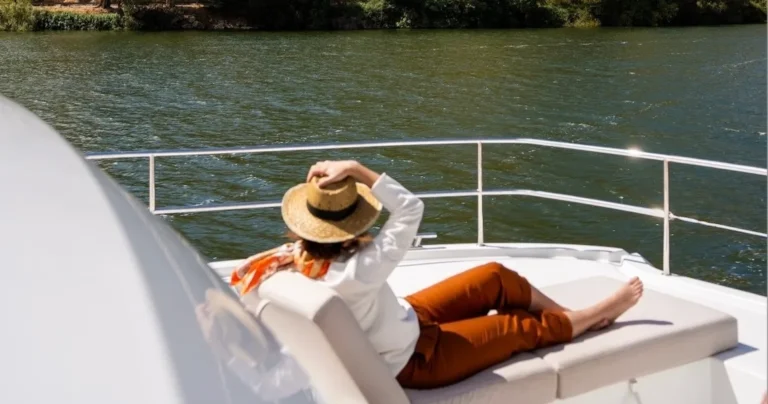
Douro River Boat Tour with Wine & Vineyard Views
Enjoy a relaxing 1-hour Douro River cruise with stunning vineyard views, and a peaceful escape in the most iconic wine region.

Porto Highlights (Private Walking Tour)
3 hours tour | Up to 6 people
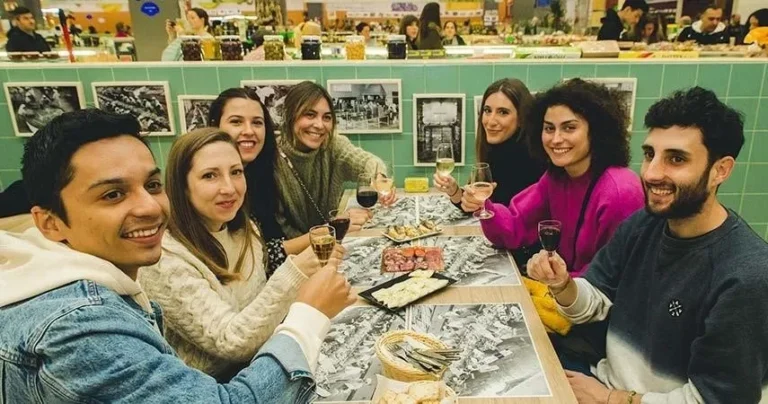
Porto Food Tour
Try the Best Food of Porto!
To Visit
Places to visit on this itinerary
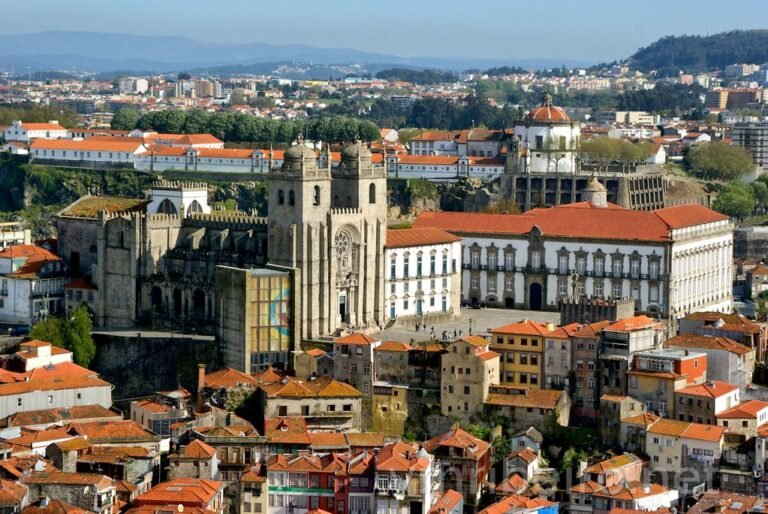
Porto Cathedral
Located in the heart of the historic centre, the cathedral stands out for its Romanesque architecture, enriched with…

Vila Nova de Gaia
The Vila Nova de Gaia origin date back to Roman times, when the area was known as Cale,…
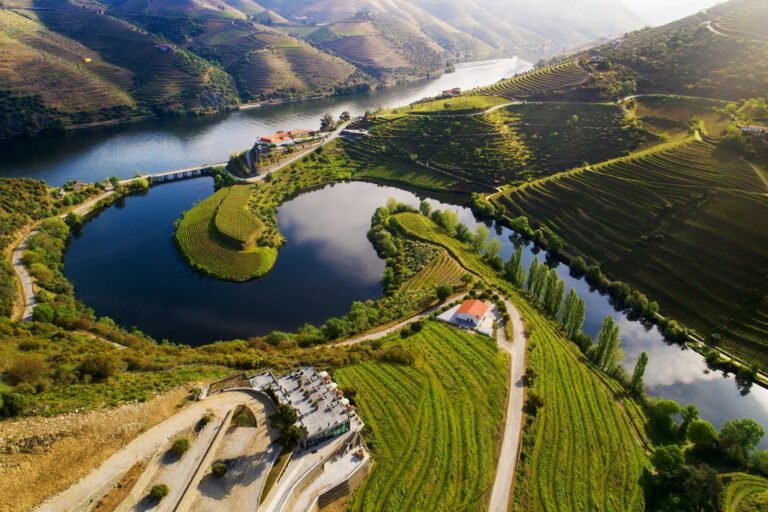
Douro Valley (Wine Region)
Its terraced vineyards, carved into steep schist hillsides, form a unique landscape that has been shaped by human…
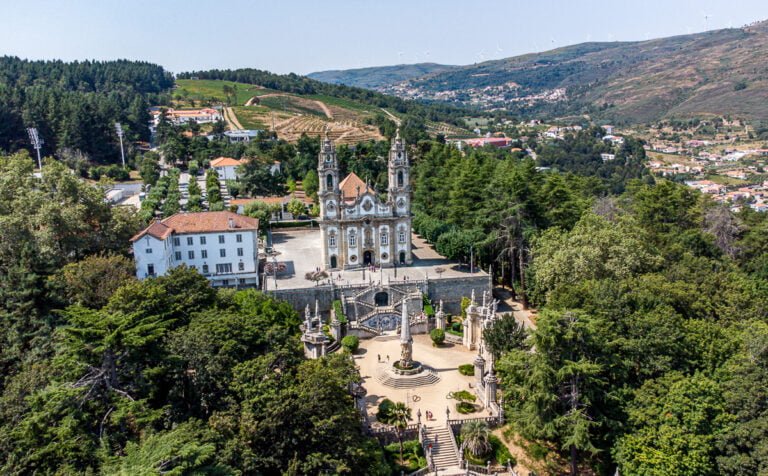
Lamego
Lamego is a city deeply marked by its history and cultural heritage, located in the Douro region of…
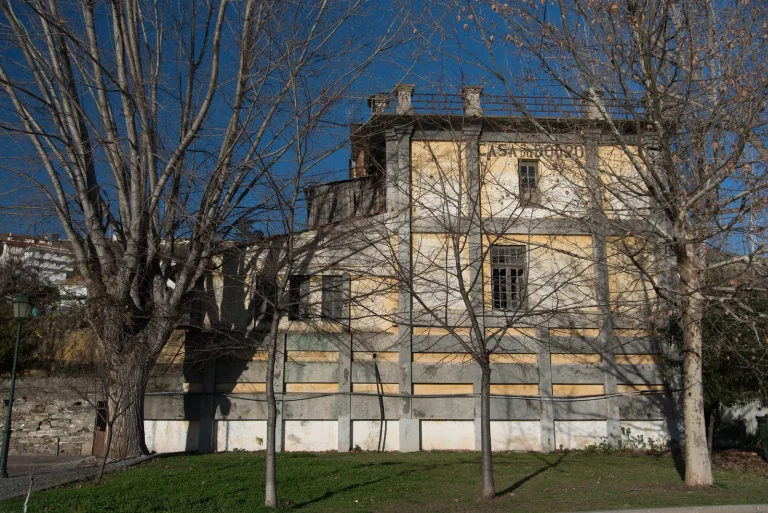
Casa do Douro
The historic seat of the Douro farmers’ guild in Peso da Régua, a monumental building of 1936 above…
 English (UK)
 Português
 Polski
 Nederlands
 Italiano
 Français
 Español
 Deutsch
 한국어
 简体中文
 Svenska
 Português do Brasil
 Dansk
 Norsk