Porto Cathedral
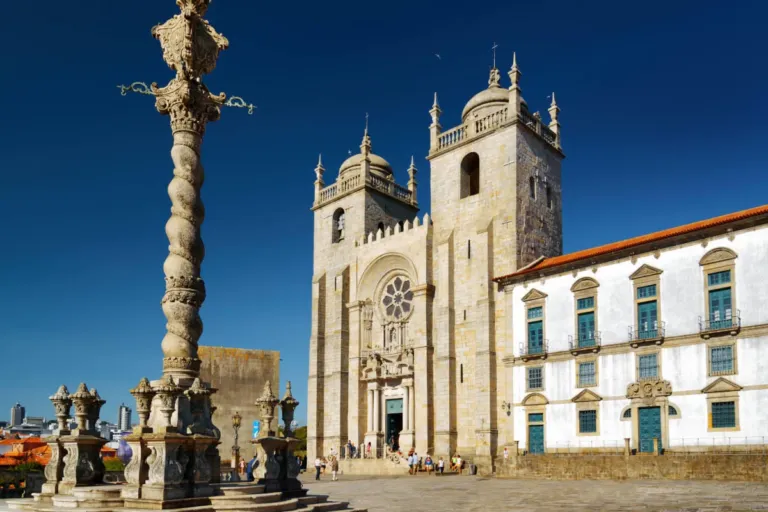
Located in the heart of the historic centre, the cathedral stands out for its Romanesque architecture, enriched with Gothic and Baroque elements, which reflect the city’s evolution over the centuries.
The Porto Cathedral is one of the most iconic cathedrals in Portugal and an essential landmark for those visiting the city.
History
During the period of the Christian Reconquest, the cathedral was commissioned by D. Teresa of León, mother of Portugal’s first king, D. Afonso Henriques. As one of the oldest cathedrals in Portugal, the Sé served not only as a place of religious worship but also as a defensive stronghold. Its massive, fortified structure with imposing towers evokes the medieval architecture of a fortress.

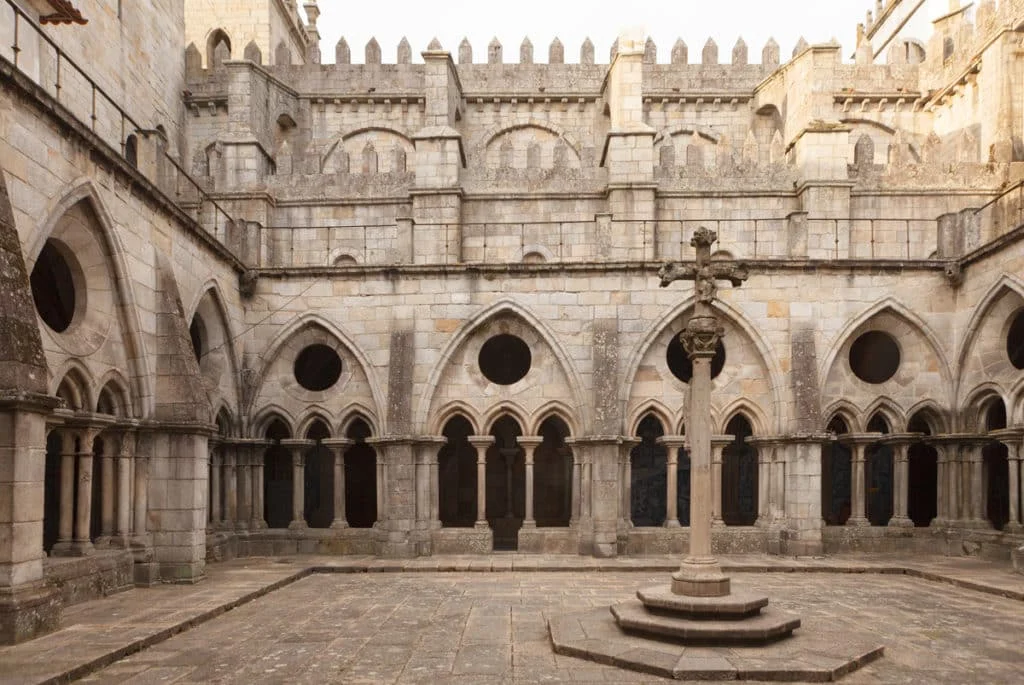
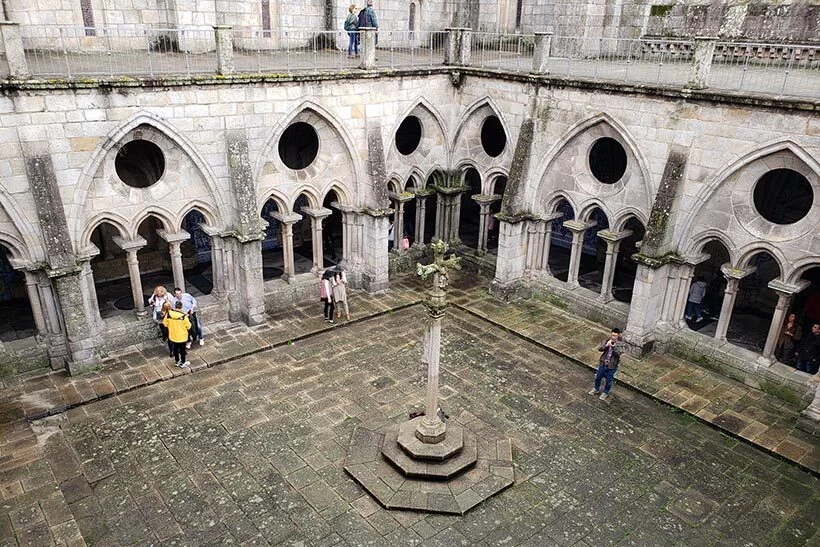
In the 14th century, the cathedral underwent significant expansion and renovation works, particularly during the reign of King John I. During this period, the Gothic-style cloister was added, which remains one of the cathedral’s major attractions today.
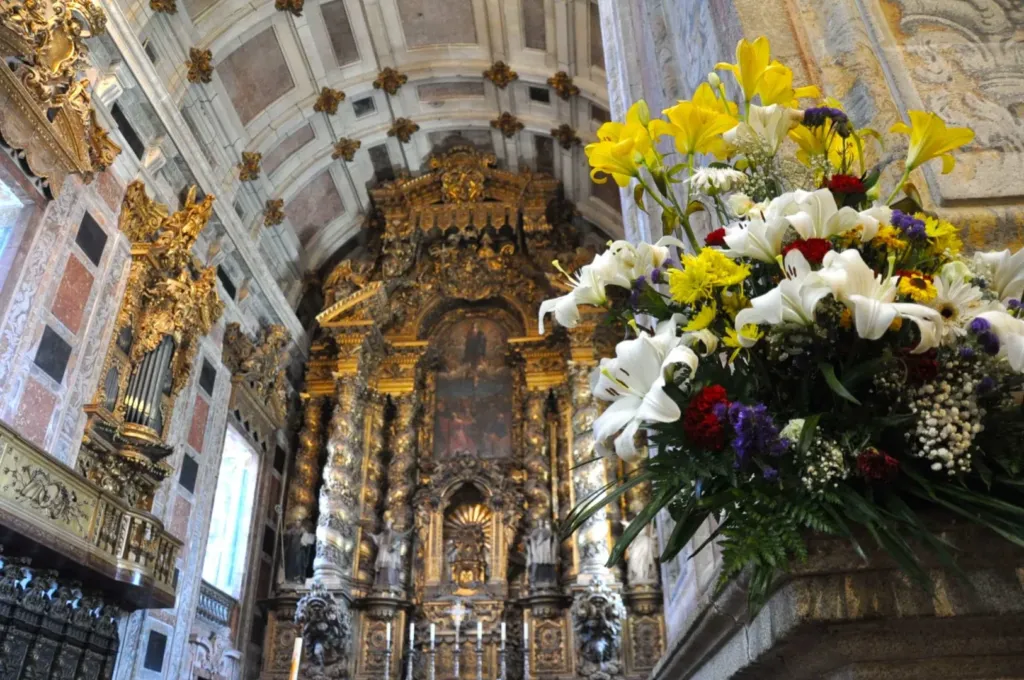
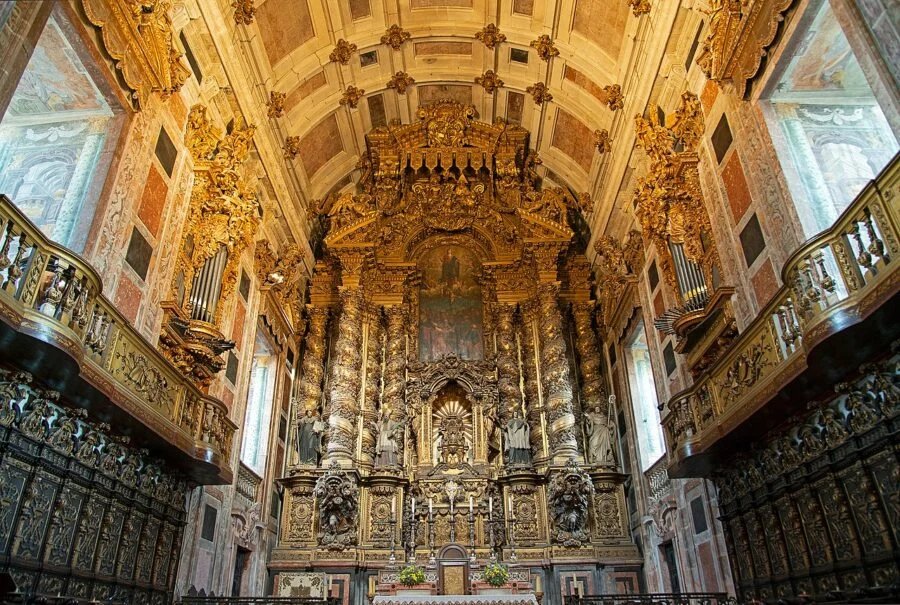
From the 17th century onwards, the Porto Cathedral went through further transformations, now influenced by the Baroque style. The main altar and the sacristy were redecorated with elaborate details, adding a new artistic dimension to the building. This refurbishment also included the famous rose window on the facade, which has become one of the most photographed elements of the monument. The Italian artist and architect Nicolau Nasoni, one of the leading figures of the Baroque in northern Portugal, was involved in the design of many of these details.
Another significant historical episode occurred in the 19th century, when Porto was besieged during the Liberal Wars. During this period, the cathedral served as a refuge and an observation point, thanks to its strategic location. The Sé bore witness to moments of great tension and conflict, highlighting its importance both for the city’s religious life and for its political and military resistance.

Architecture
Originally built in the 12th century, Porto Cathedral is a religious fortress that preserves a sense of medieval grandeur. It has undergone several changes over the years.The original structure is predominantly Romanesque in style, especially in the facade and main nave. Gothic elements can be seen in the cloister and the funerary chapel of Saint Vincent. In the 18th century, the architect Nicolau Nasoni added Baroque details, such as the decoration of the main altar and the sacristy. These additions gave the building a more ornate character.
The interior of the cathedral houses a rich collection of sacred art. Notably, it includes a silver altar and stained-glass windows that illuminate the nave. The cloister is lined with blue and white tile panels depicting biblical scenes. This is one of the most photographed areas of the cathedral. The Portuguese tiles date from the 18th century and portray religious episodes. These include scenes from the life of Mary and the Old Testament.


Additionally, the cathedral’s balcony offers a panoramic view of the historic centre and the Douro River. It is a must-stop for those looking to capture some of the best images of Porto.
Practical Tips for Visiting
- Hours and Tickets: Porto Cathedral is typically open to the public daily, with extended hours during summer. It’s essential to check the latest opening times, as these can vary depending on religious events. Entry to the cathedral is free, but access to the cloister and the adjoining museum requires a paid ticket, available on-site.
- Getting There: The cathedral is located on the high part of the historic centre. It is easily accessible on foot, especially from São Bento station, which is about a five-minute walk away. For those arriving by car, it’s recommended to park near São Bento station. Direct vehicle access to the cathedral is limited.
- Appropriate Attire: As a religious site, Porto Cathedral asks that visitors dress modestly, avoiding excessively short or low-cut clothing as a sign of respect for the space.
- Best Time to Visit: To avoid crowds, especially during peak season, it’s advisable to visit the cathedral in the morning or late afternoon. These times also offer the best natural lighting for photos in the interior areas.
- Explore the Surroundings: After visiting the cathedral, take some time to explore the nearby area, such as the Terreiro da Sé. This spot offers a privileged view of the city and the Douro River. Close to the cathedral, you’ll also find monuments like the Guerra Junqueiro House Museum and the Church of Santa Clara. Both are worth a visit.
Porto Cathedral transports visitors through various periods of Portuguese history. Beyond admiring this significant cathedral, take a moment to enjoy the atmosphere of the historic centre. This area is a UNESCO World Heritage site. The cathedral is more than a tourist attraction – it is a symbol of Porto’s spirituality and tradition.
To Visit
More to explore

Mercado do Bom Sucesso
Porto’s 1952 modernist market hall in Boavista, reborn as a food hall where old stallholders and new kitchens share the…
Museu de Lamego
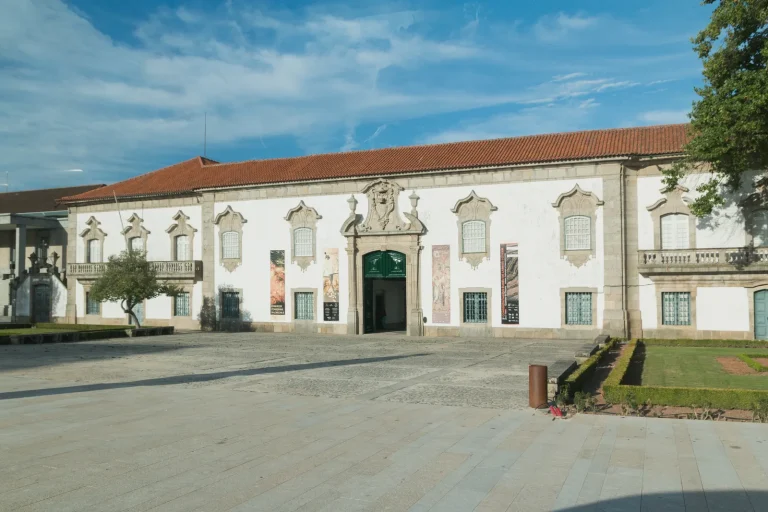
In the former bishops’ palace of Lamego, the Douro’s great museum of religious art, with Grão Vasco panels and Flemish…

Museu Romântico da Quinta da Macieirinha
In a riverside villa above the Crystal Palace gardens, Porto re-creates a 19th-century bourgeois house — once visited by a…
Experiences
Explore related experiences

Private E-Bike Journey Through Historic Center
Best choice for your first visit to the city • Porto highlights
Private Tour of Porto (All Inclusive)
Welcome to the Capital of the North, the “Invicta” city of Porto!

Porto Highlights (Private Walking Tour)
3 hours tour | Up to 6 people
Villa Nova de Gaia Walking Tour
Experience the captivating blend of history, culture, and scenic views on our walking tour of Gaia, Porto’s vibrant neighbor across the Douro.
 English (UK)
 Português
 Polski
 Nederlands
 Italiano
 Français
 Español
 Deutsch
 한국어
 简体中文
 Svenska