Porto
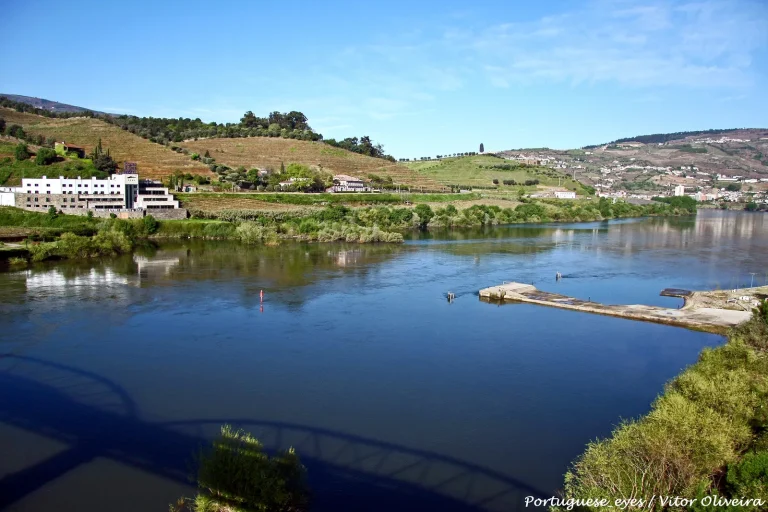
Porto, Portugal's second city on the Douro, is one of Europe's oldest, its historic centre and port wine known around the world.
View detailsPorto, Portugal's second city on the Douro, is one of Europe's oldest, its historic centre and port wine known around the world.
View detailsVila Nova de Gaia, across the Douro from Porto, keeps the famous wine caves and a waterfront of cruises, parks and workshops.
View detailsBeja is a city of the Alentejo plain with a history reaching back to antiquity, keeping the Museu Rainha Dona Leonor.
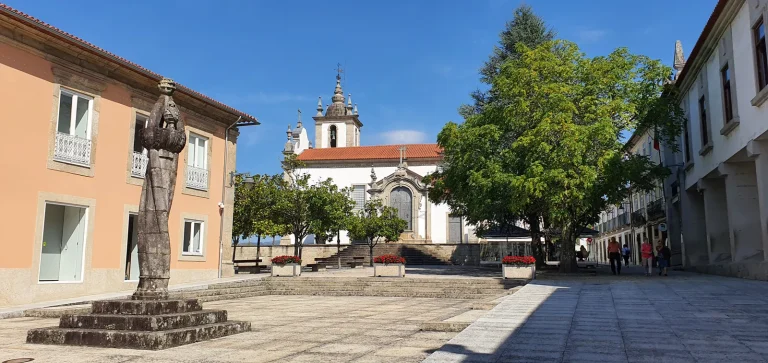
View detailsGuimarães, the cradle of Portugal, keeps a UNESCO-listed old town where the country's origins are read in granite and ducal palaces.
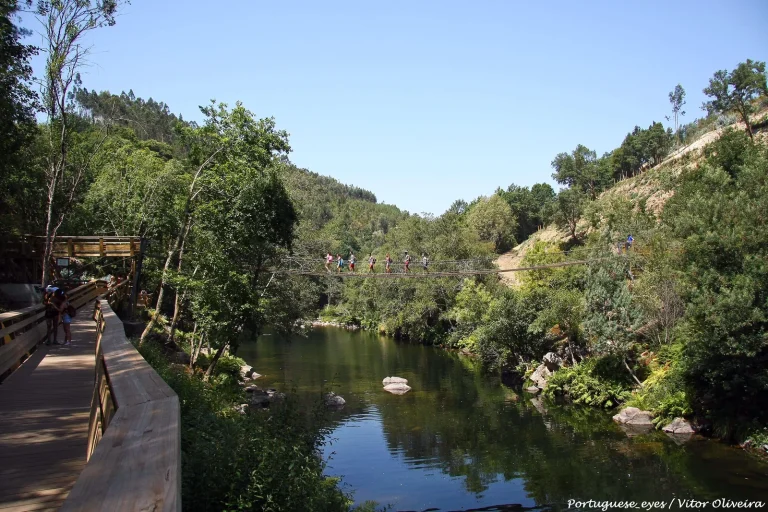
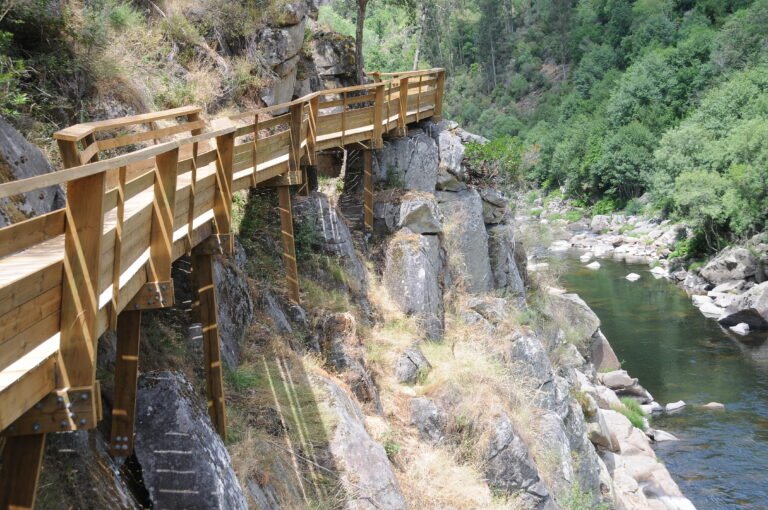
View detailsArouca is the town of the Paiva valley whose whole territory is a UNESCO geopark, home to the Passadiços and the 516 bridge.
View detailsPeso da Régua is the working capital of the Douro, port of the wine boats and seat of the world's oldest demarcated wine region.
View detailsPinhão sits at the heart of the Douro wine country, ringed by quintas and terraced vineyards, its station walls painted with blue azulejos.
View detailsMatosinhos, where Porto meets the Atlantic, is the city of grilled sardines and the Leixões port, with surf and bodyboard schools.
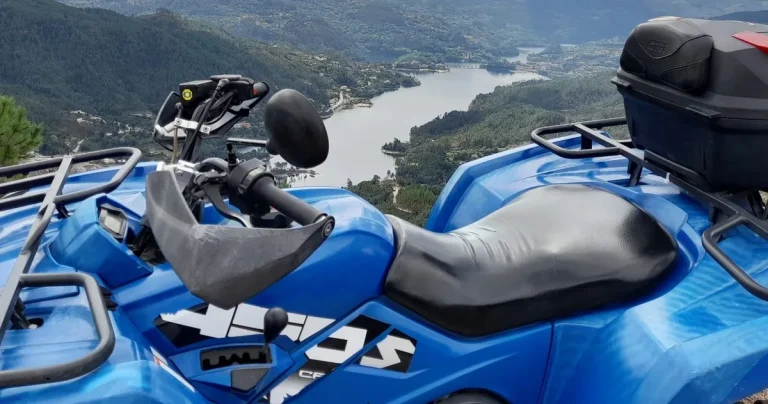
View detailsVila Real, founded by King Dinis in 1289, is the Trás-os-Montes city of the Casa de Mateus, with jeep tours into the Douro and the Alvão.
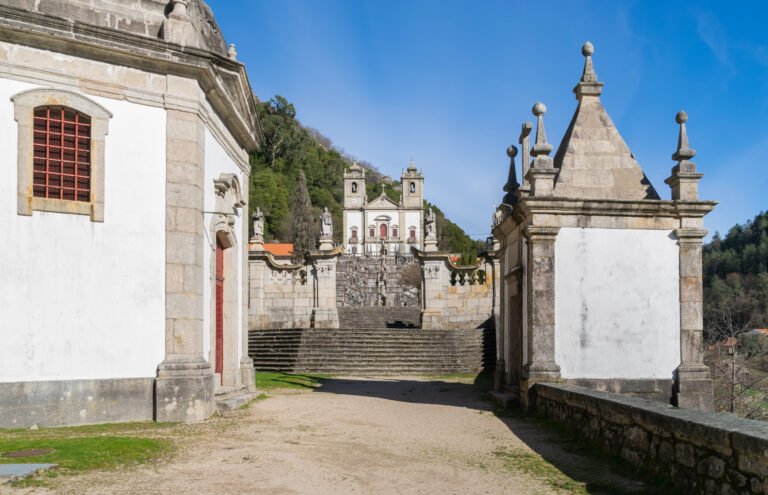
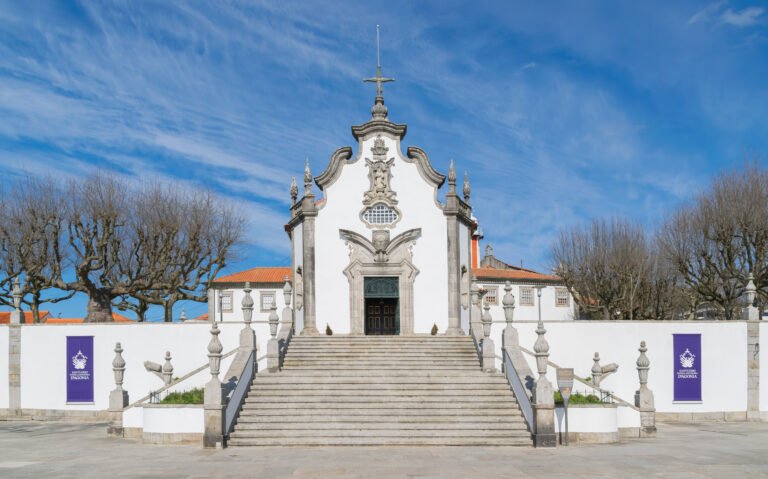
View detailsLamego is a historic city of the Douro region, overlooked by the Santuário de Nossa Senhora dos Remédios above its streets.
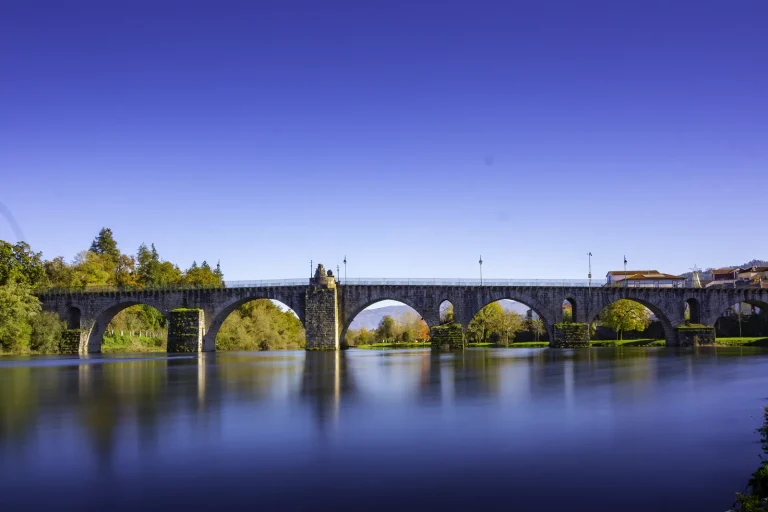
View detailsPonte de Lima, considered the oldest town in Portugal, was chartered in 1125, long before the kingdom, on the pilgrim road to Santiago.
View detailsBragança, in the far north-east of Portugal, keeps one of the country's best-preserved medieval castles and walled old towns.
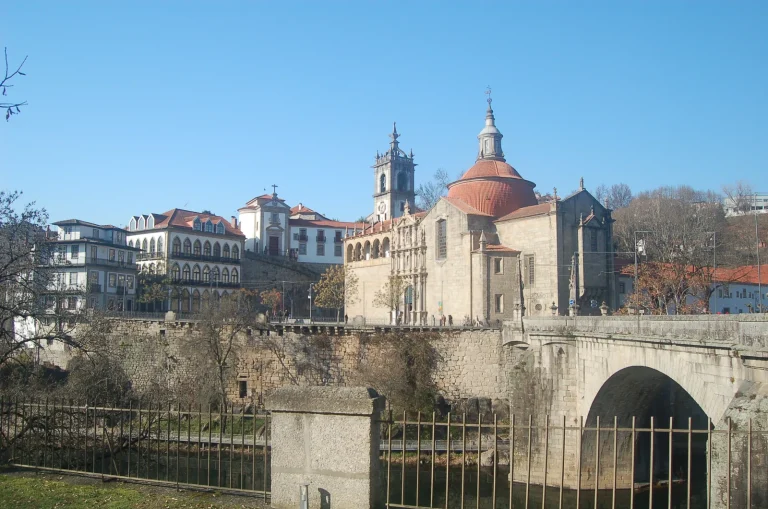
View detailsAmarante’s June festival honours its own saint — the matchmaker Dominican São Gonçalo — with the pilgrims’ parade of the sixteenth century.

Lamego’s cathedral: a Romanesque tower of the 1100s, a Gothic face and the city’s oldest stone — below the Remédios staircase.
In the lodge quarter of Vila Nova de Gaia, the port house founded in 1692 keeps its oldest stocks under granite and oak.

By the fishing port of Matosinhos, the market whose fish comes straight from the boats — ‘the best fish near Porto’, say its customers.

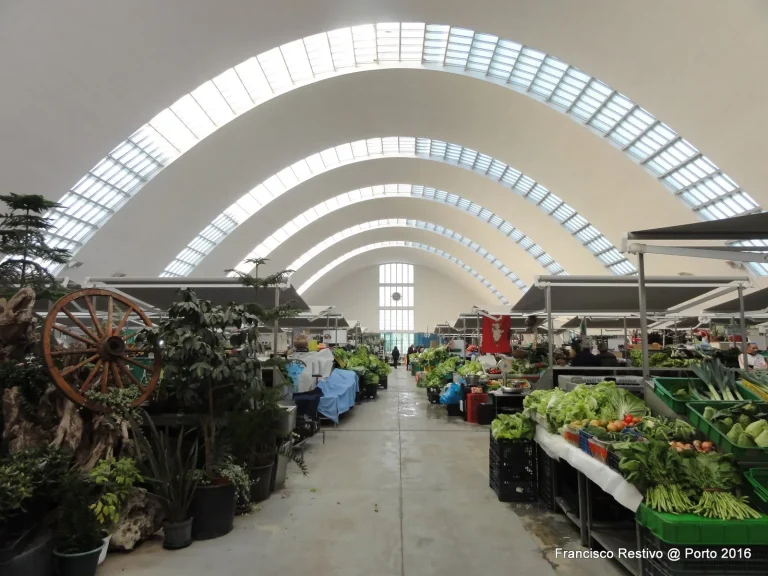
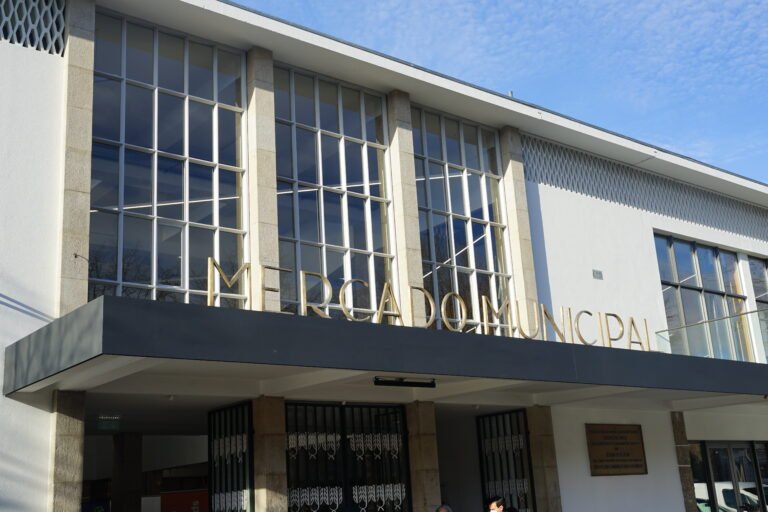
Porto’s 1952 modernist market hall in Boavista, reborn as a food hall where old stallholders and new kitchens share the floor.

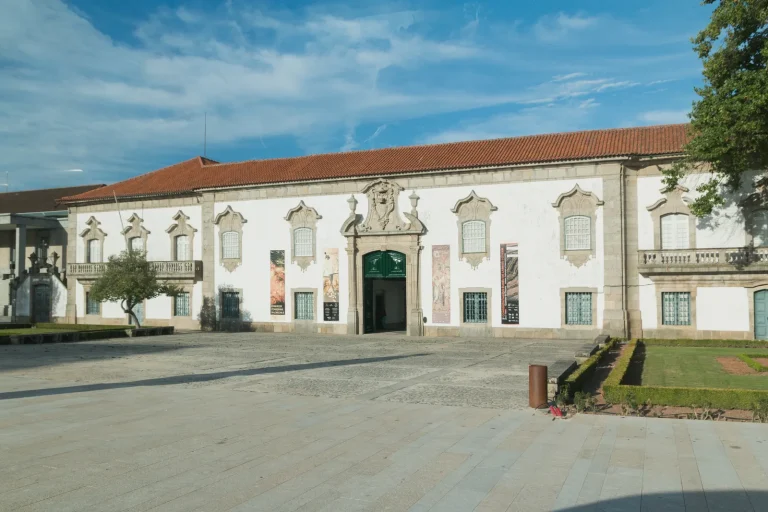
In the former bishops’ palace of Lamego, the Douro’s great museum of religious art, with Grão Vasco panels and Flemish tapestries.

In a riverside villa above the Crystal Palace gardens, Porto re-creates a 19th-century bourgeois house — once visited by a king in exile.

Porto’s great green lung: 83 hectares of lakes, meadows and woods running down to the Atlantic at the edge of the city.

Walkways along the Vez river to the ‘Portuguese Tibet’: terraced fields, granite villages and the mountain hamlets of Sistelo.

A working quinta of the Symington family beside Pinhão station, where the Douro terraces above the river open to visits and tastings.

Porto’s great shopping street: a pedestrian kilometre of shopfronts, cafés and tiles from the Batalha square to the Bolhão.

The quieter twin of Porto’s famous tiled church: a 17th-century baroque interior of gilded chapels, one metre from the Igreja do Carmo.

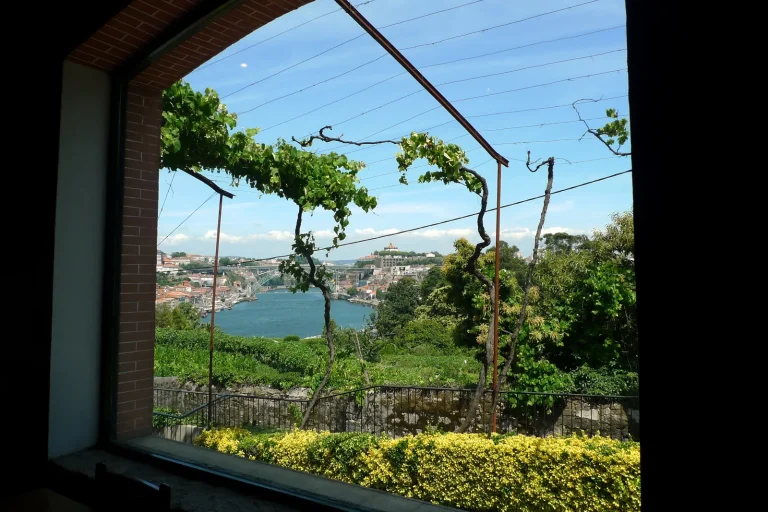
A hillside garden in Vila Nova de Gaia facing the Dom Luís bridge, the classic viewpoint over Porto and the Douro.

On Porto’s busiest shopping street, a chapel wrapped in nearly sixteen thousand painted tiles telling the lives of the saints.

The historic seat of the Douro farmers’ guild in Peso da Régua, a monumental building of 1936 above the river in the heart of the wine country.

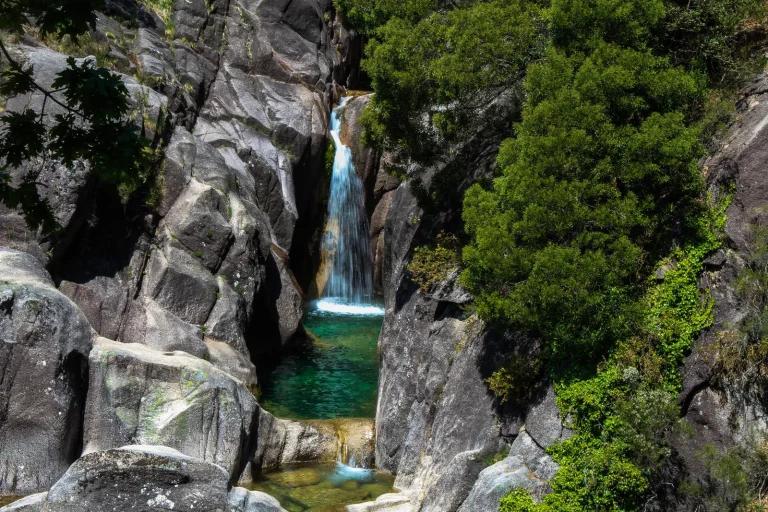
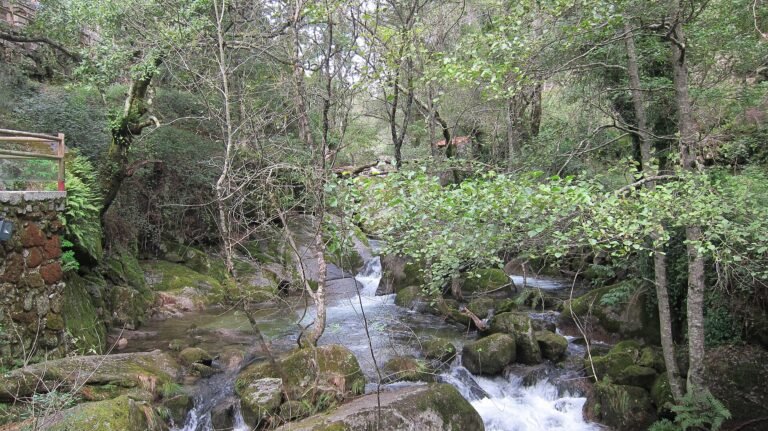
On the Arado river in the Peneda-Gerês National Park, the water falls in granite steps past old Roman road stones.

The keep and walls of the Dukes of Braganza above the old quarter of Bragança, in the far north-east of Portugal.

The granite keep of Chaves, raised on medieval walls above the Tâmega, still guards the old gateway between Portugal and Galicia.

At the mouth of the Douro, the bastioned fort begun in 1570 for King Sebastian still guards the bar between river and Atlantic.

One of the great port lodges of Vila Nova de Gaia, founded in 1820, with cellars over the Douro and a view of Porto from the hill.

The town of arts on the Minho frontier: Dinis’s walled village, the castle that became a pousada and the art biennial that made it the vila das artes.

The Lima river town named for its old ferry crossing, with a sixteenth-century bridge, a pillory square and the gates of the Peneda-Gerês at Lindoso.

The Coura valley town of the Alto Minho: a pillory square, the Corno do Bico heights and the river beach that hosts one of Portugal’s great rock festivals.

The orange-growing town between the Homem and Cávado rivers, with a Cistercian monastery reborn as a hotel and the gates of the Gerês mountains above.

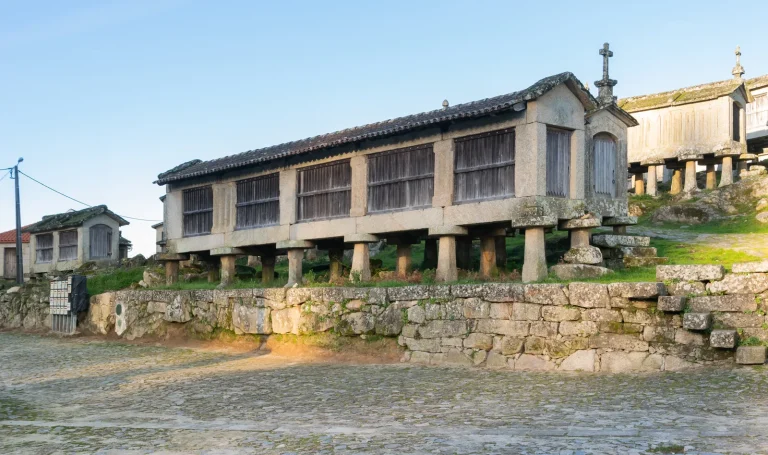
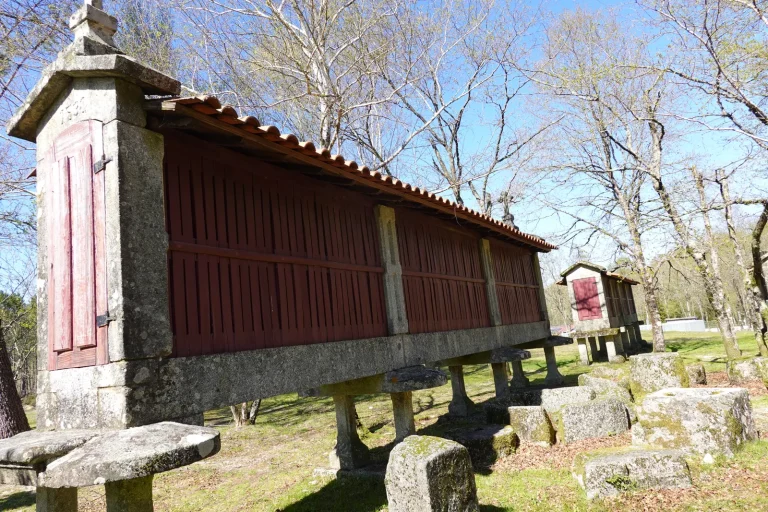
The border parish of the Peneda-Gerês, where a Restoration-war castle stands among rows of granite granaries still filling with the maize harvest.

Porto’s fishing city on the Atlantic: sardine grills by the beach, a pilgrimage church of the Senhor de Matosinhos and the great port of Leixões.

Portugal’s northernmost town: a twelfth-century keep on the Minho frontier, the thermal park of Peso, Alvarinho wine country and a gate of the Peneda-Gerês.

The enchanted mountain of the Arouca geopark: the tallest waterfall of the mainland, the birthing stones of Castanheira and schist villages on the plateau.

The Varosa valley town that guards Portugal’s first Cistercian monastery, with a fortified medieval tower and the Douro’s wine country around it.

The parish that holds the heart of the Peneda-Gerês: the Cascata do Arado, the village of Ermida and the high lagoons towards the Spanish border.

A commandery parish of the knights on the slopes above the Douro, between Régua and Pinhão, with centenarian terraces and white-wine tastings.

The riverside corner of Arouca where the Passadiços do Paiva end at a river beach, with the great suspension bridge spanning the gorge nearby.

A tiny Douro parish of Sabrosa with a Pombaline demarcation marker, quintas open for tastings and a small station on the Douro railway line.

A city of the Grande Porto with medieval roots: the Terra da Maia that reached the river Ave, the Lidador of São Mamede and greenways through old farmland.

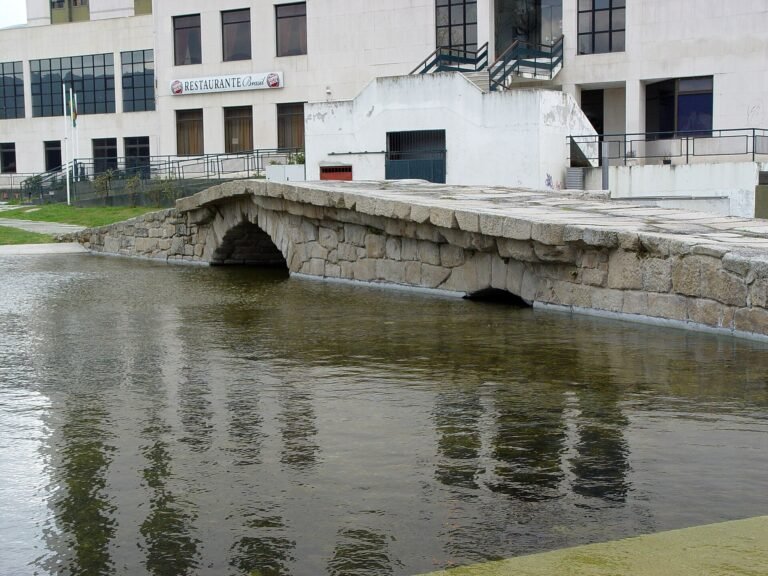
The warm capital of Trás-os-Montes on the river Tua, with a medieval bridge over the water and a smoked sausage with a five-hundred-year story.

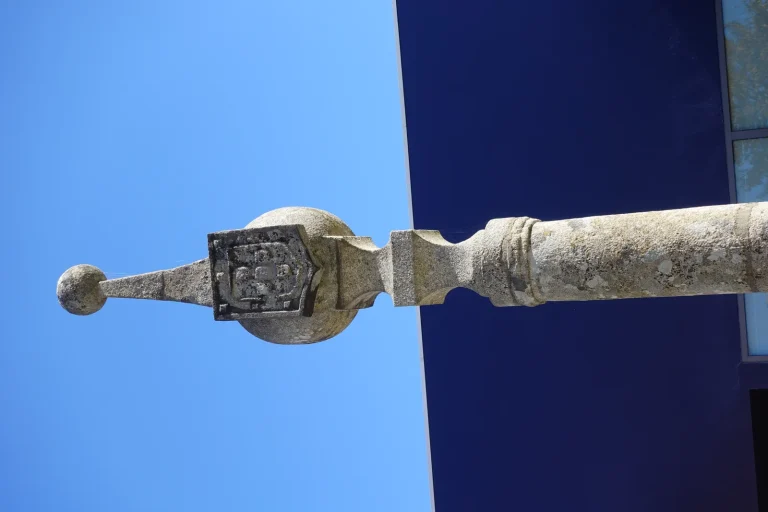
A former county seat on the right bank of the Paiva, with a 1590 pillory, tungsten memories and the mountain trails of the Serra de Montemuro.

A town on the shoulder between the Douro’s vine terraces and the apple highlands, with viewpoints over the river and wines from both worlds.

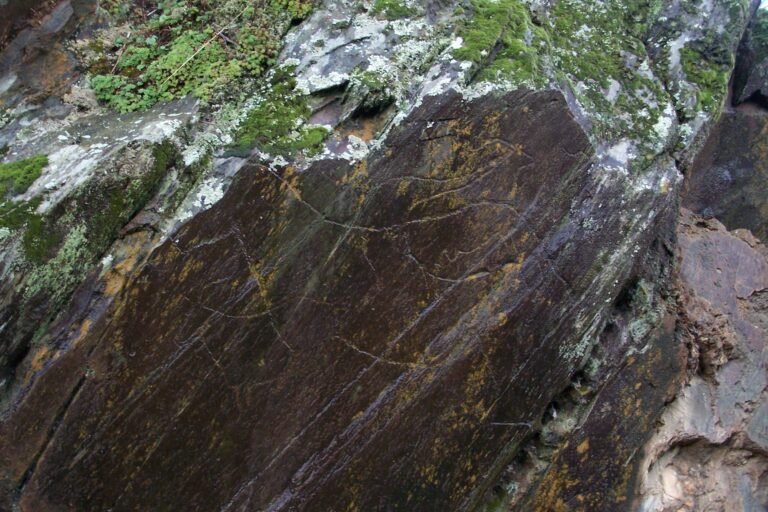
A slate parish of Arouca where an active quarry yielded some of the world’s largest trilobites, above the walkways of the River Paiva.

A wine parish of Sabrosa above the Douro’s great bend: terraced quintas with tastings, small chapels and the river landing of Ferrão.

A wine village of the Corgo valley above Régua, with terraced vineyards of the demarcated Douro, a mountain viewpoint and a modern showpiece winery.

A wine village of São João da Pesqueira on the schist terraces of the Douro, with much of its land inside the UNESCO World Heritage vineyard.

The Douro town that keeps the traditional birthplace of Magellan, among the vineyards of the Alto Douro World Heritage region.

The town the Douro calls its heart: one of Portugal’s oldest charters, on the high ground above the world’s first demarcated wine region.

A mountain municipality at the gate of the Peneda-Gerês, of granaries on stilts, Roman roads, hot springs and wild rivers.

The baroque tower that Nasoni raised over Porto in the 18th century — some 75 metres of granite with the whole city below.

The capital of the Tâmega, between Porto and the Douro, where one of Portugal’s great Vinho Verde estates opens its gardens.

The river town at the heart of the Douro: port of the wine boats and seat of the world’s oldest demarcated wine region.

The little Douro town ringed by quintas, where the station walls carry blue azulejos of the vintage and the river bends among vineyards.

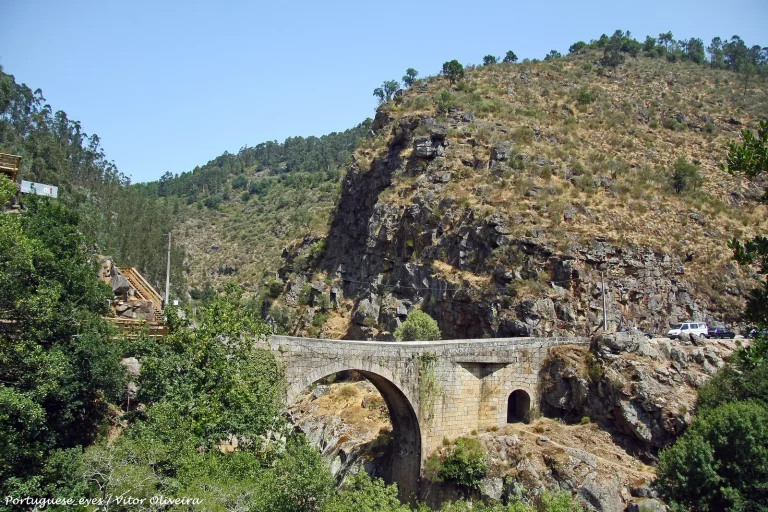
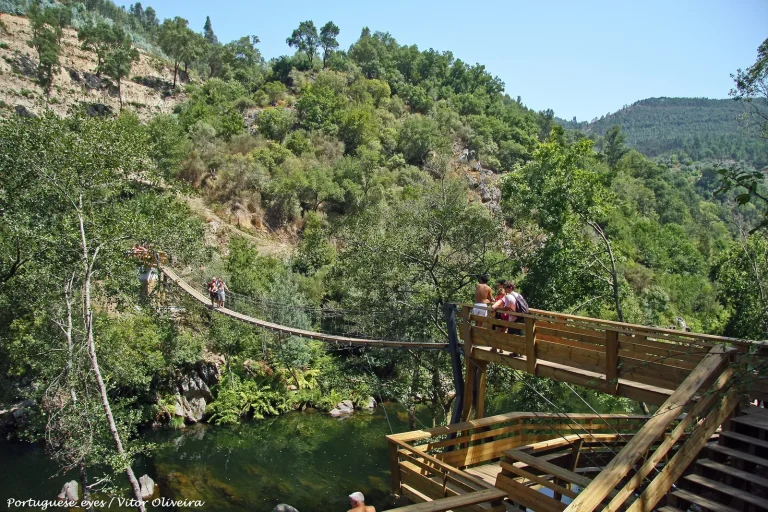
The world’s longest pedestrian suspension bridge when it opened: 516 metres across the Paiva gorge, 175 metres above the river.

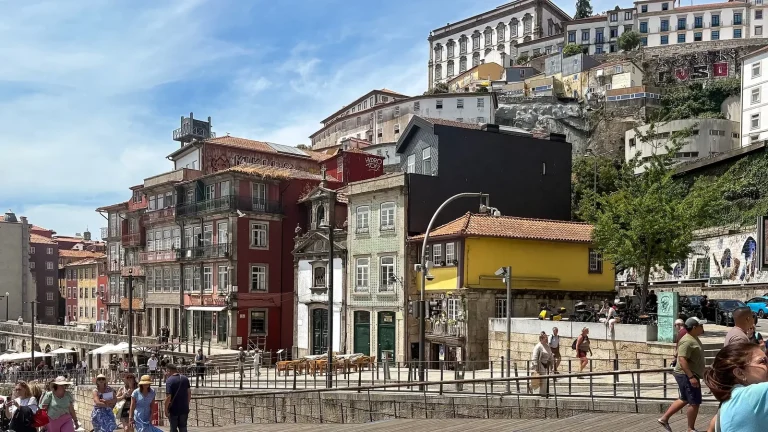
Porto’s medieval riverfront under the Dom Luís I bridge: tiled houses, rabelo boats and the UNESCO historic centre at the water’s edge.

A granite town on the Vez river at the gate of the Peneda-Gerês, where medieval Portugal was settled and mountain villages begin.

A town of the Paiva valley whose whole territory is a UNESCO-listed geopark of schist, waterfalls and river walkways.

Discover the best of the Douro Valley on a wine experience designed for small groups, with attention to detail, comfort, and a more intimate and authentic atmosphere. Visit two renowned Douro estates, where you will…

Discover Coimbra and Aveiro: A Journey Through History, Canals and Seaside Charm Set off with us on a memorable trip from Porto to two of the most emblematic cities of central Portugal. In Coimbra, the…

Douro Wine Tour: Flavours, History and Landscapes in the Heart of the Douro Valley We start our tour in Porto and head to the charming town of Amarante, where you can visit the Convent and…

Discover the best of Porto on a private tour designed to reveal the true soul of the Invicta City. Starting at your hotel, this route takes you through the monuments, viewpoints and traditions that make…

Discover the essence of Porto on a private tour designed to reveal the authenticity and charm of the Invicta City. Starting at your hotel, this route takes you through the city’s most emblematic places. We…

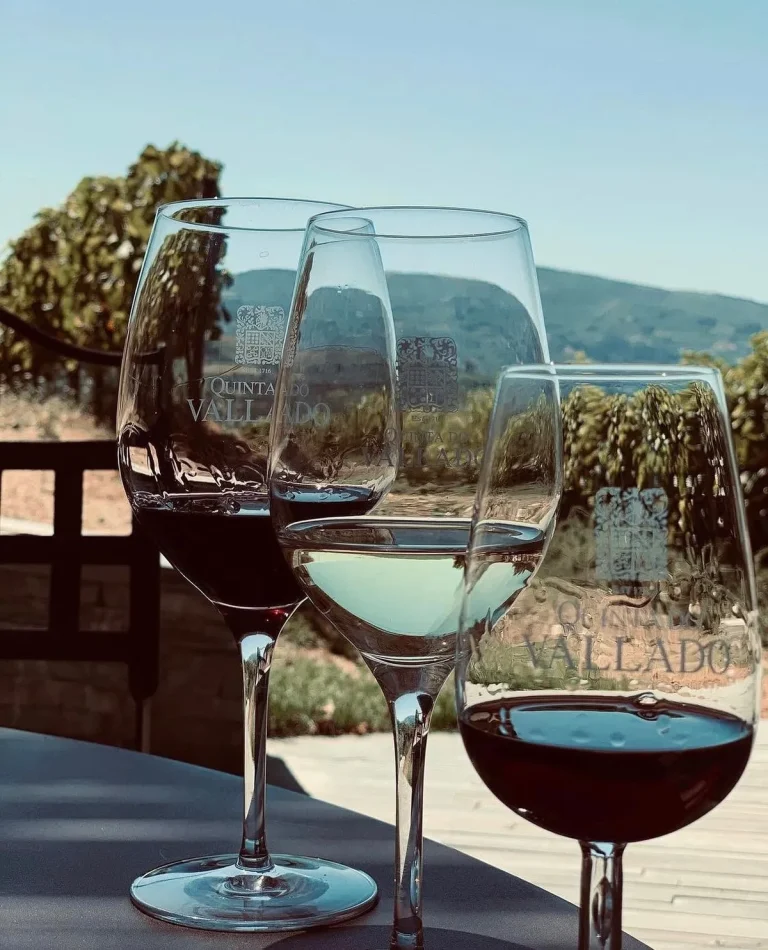
Intimate tasting of Signature wines at the Quinta do Vallado shop, with a representative selection of the Douro terroir.

Visita guiada à adega e caves da Quinta do Vallado com prova comentada de vinhos e experiência de realidade virtual.

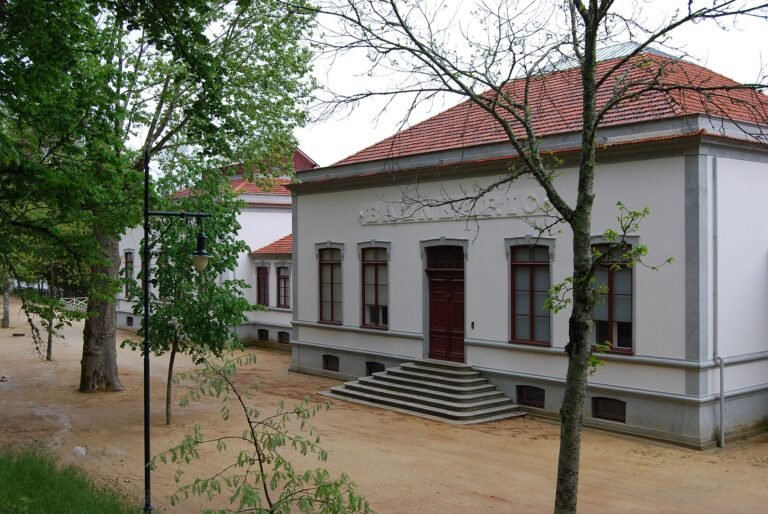
A spa park of giant trees and mineral springs, reborn with eco-houses and tree-houses among the woods of Trás-os-Montes.

The Roman baths of Aquae Flaviae in Chaves, among the best preserved in Roman Hispania — water at 76 degrees.

Fafe, in the hills of the Ave valley, pairs a granite old town with the river beaches and green valleys of the Minho’s eastern edge.

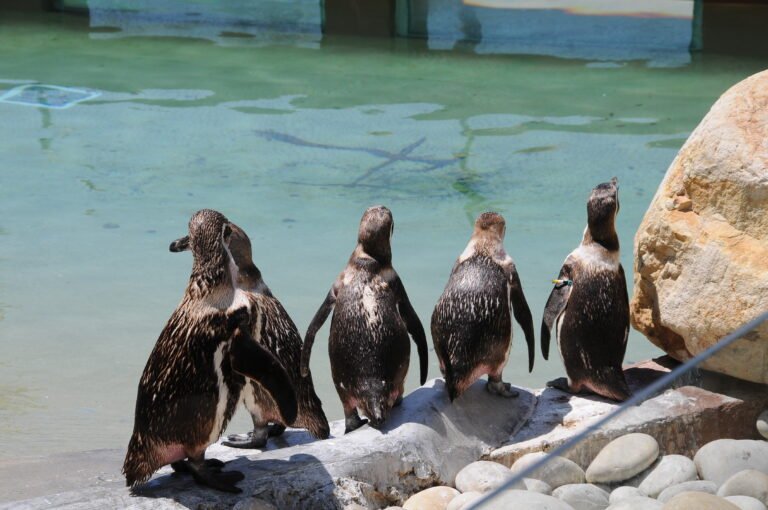
The zoo in the centre of Maia, in Greater Porto, with its animals and the largest reptilarium of Portugal.

A park of the native fauna and flora of Portugal, in the woods of Avintes, with a wildlife recovery centre.