Ponta Delgada
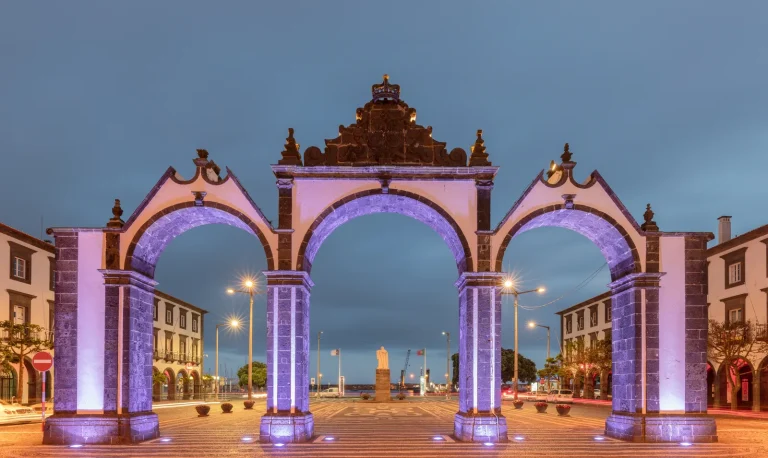
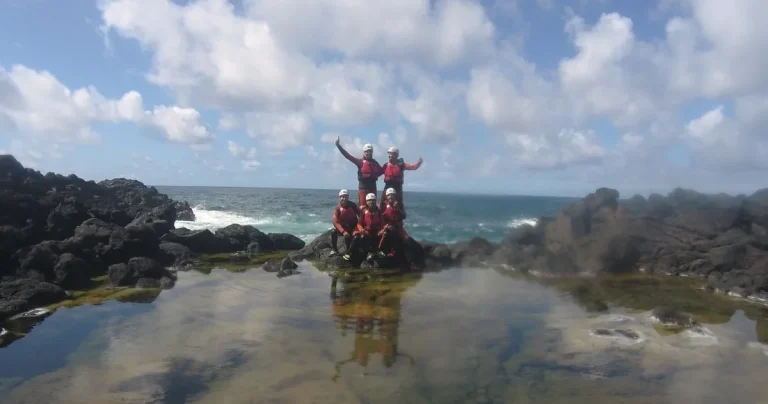
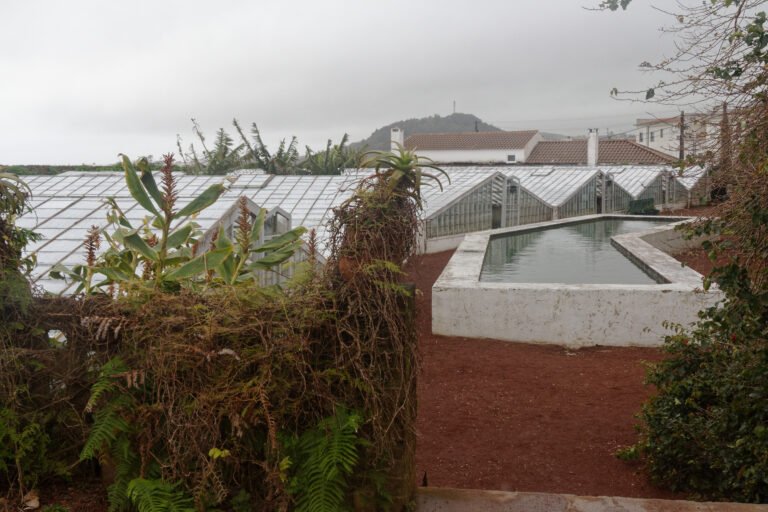
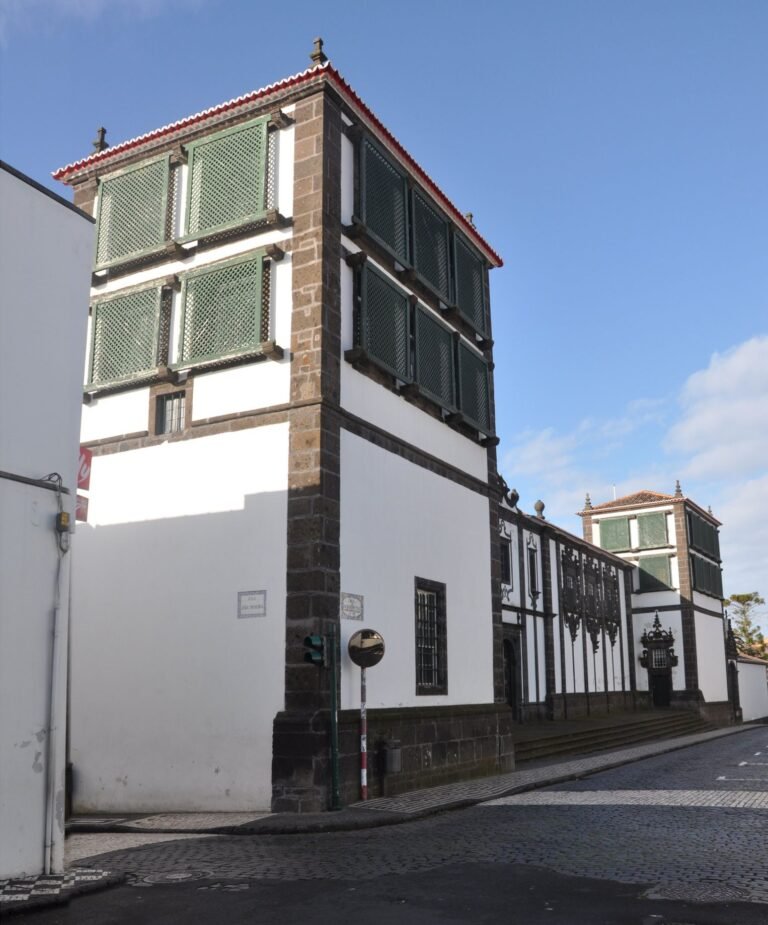
Ponta Delgada, the capital of São Miguel, pairs historic gates and pineapple plantations with cooking classes, canyoning and boat trips.
View detailsPonta Delgada, the capital of São Miguel, pairs historic gates and pineapple plantations with cooking classes, canyoning and boat trips.
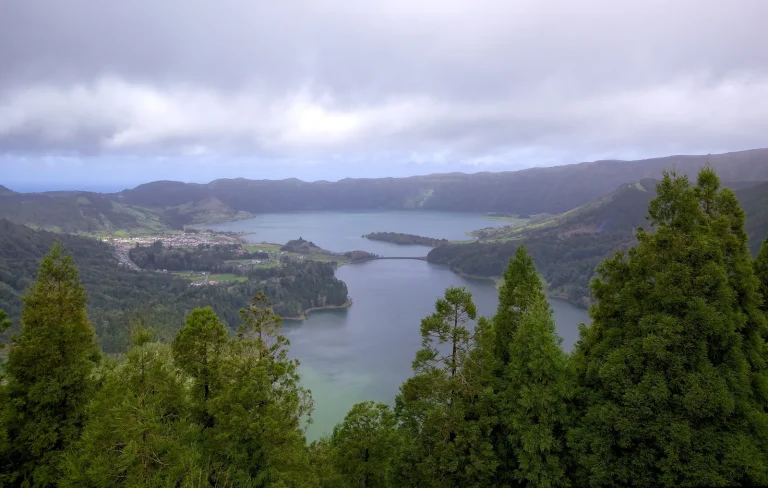
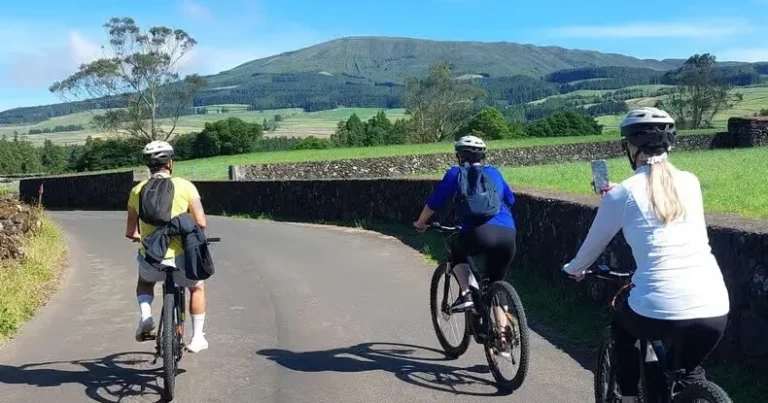
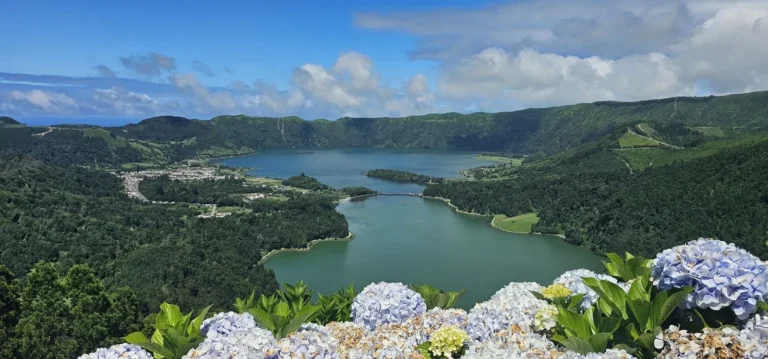
View detailsSete Cidades lies inside the great caldera of São Miguel, beside the twin lakes of blue and green water, a base for tours and bike rides.
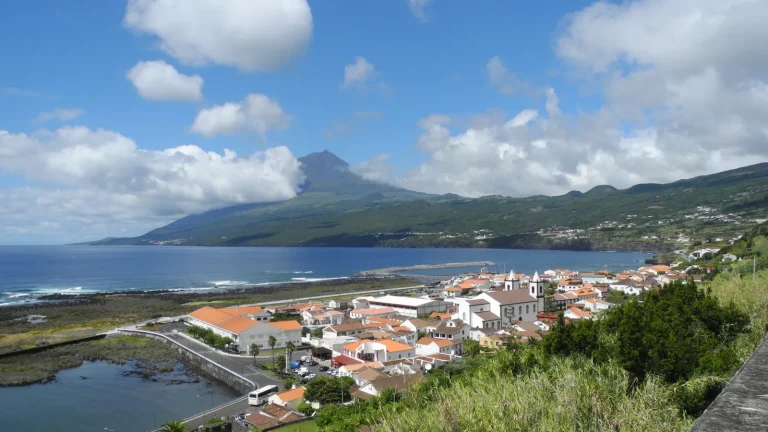
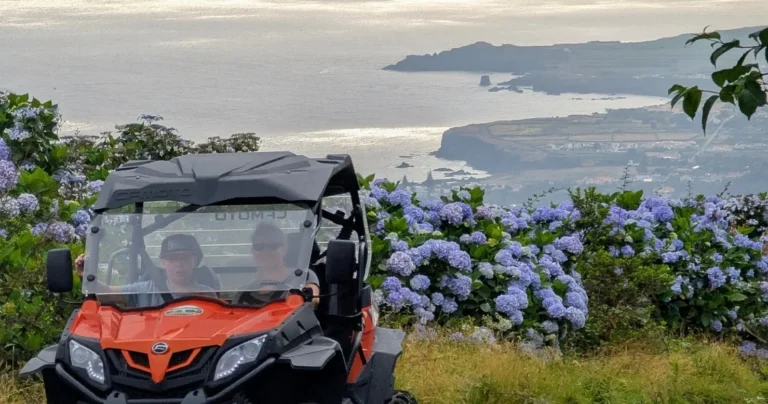
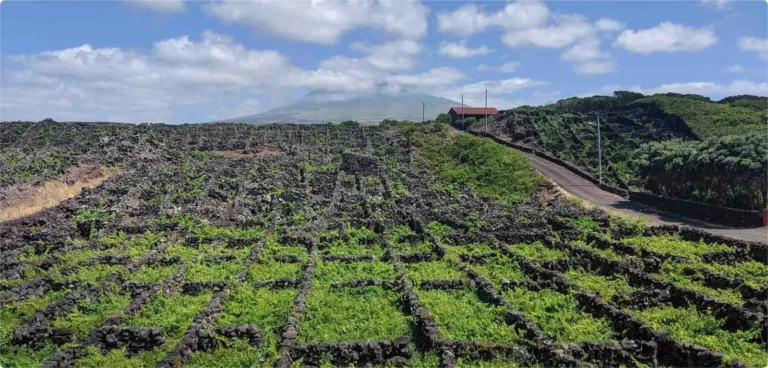
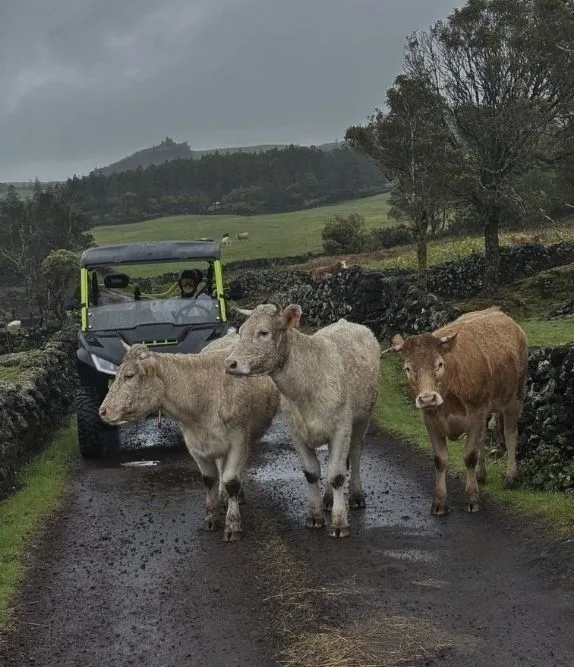
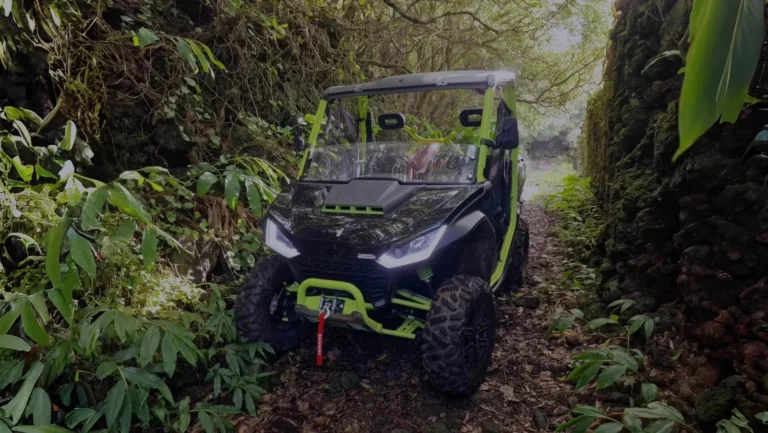
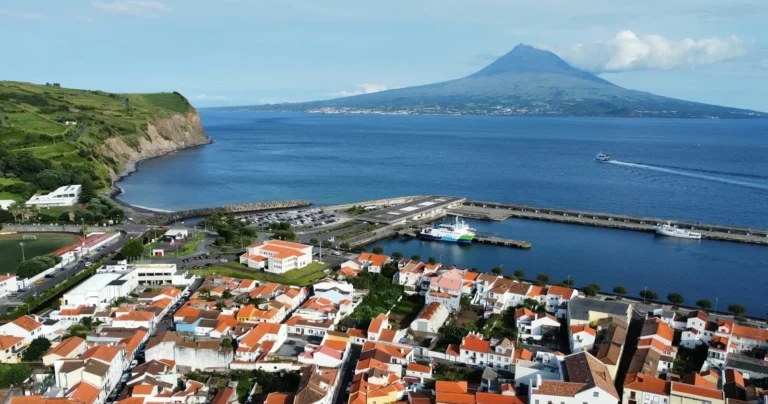
View detailsMadalena is the main town of Pico island, facing Faial across the channel, and the base for buggy tours through its vineyard landscape.
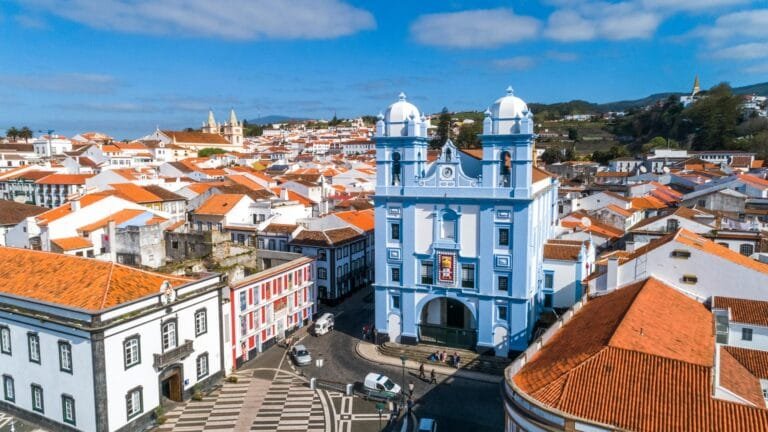
View detailsAngra do Heroísmo, on Terceira in the Azores, pairs its cathedral and fortress route with the volcano cave of Algar do Carvão.
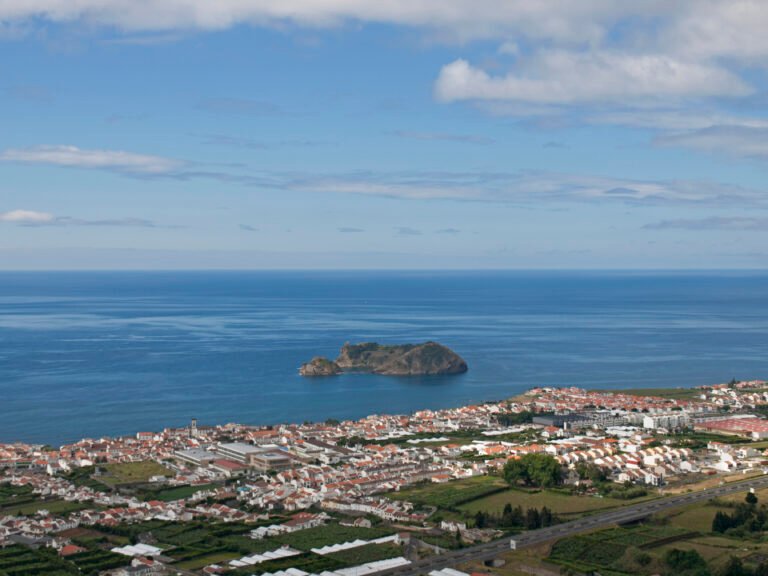
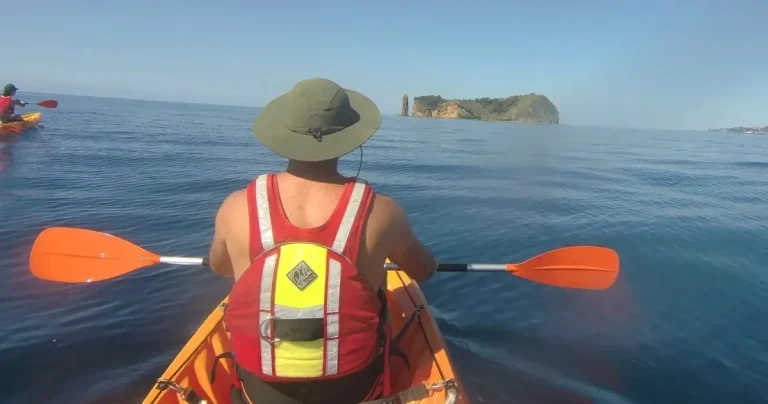
View detailsVila Franca do Campo, once the first capital of São Miguel, is a historic town facing its celebrated islet, reached by kayak tours.
View detailsFurnas Valley in the Azores is toured by day and by night, and anchors full-day circuits towards the Nordeste, with private options.
View detailsHorta, on the island of Faial, is the Azores' storied harbour of transatlantic sailors, with diving trips and the Capelinhos volcano.
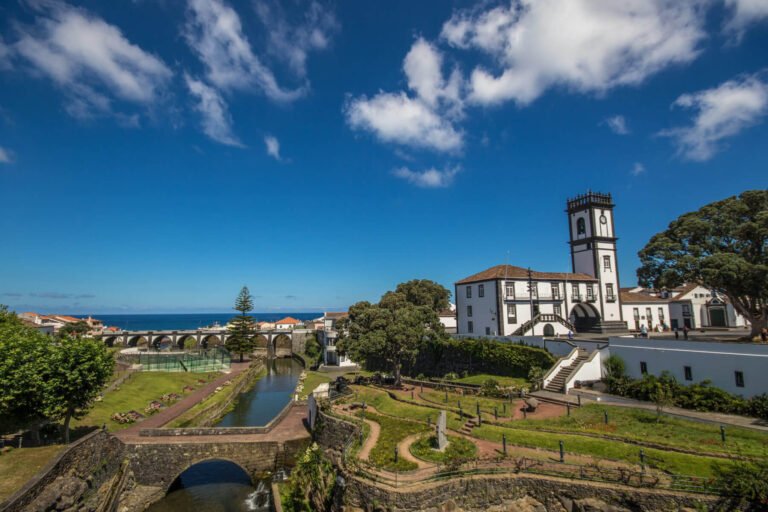
View detailsRibeira Grande, the largest town on São Miguel's north coast, sits near the Gorreana tea estate, Caldeira Velha and the Lagoa do Fogo.
View detailsPovoação on the south-east coast of São Miguel is where the island began, close to the Furnas valley, the Terra Nostra park and its lagoon.
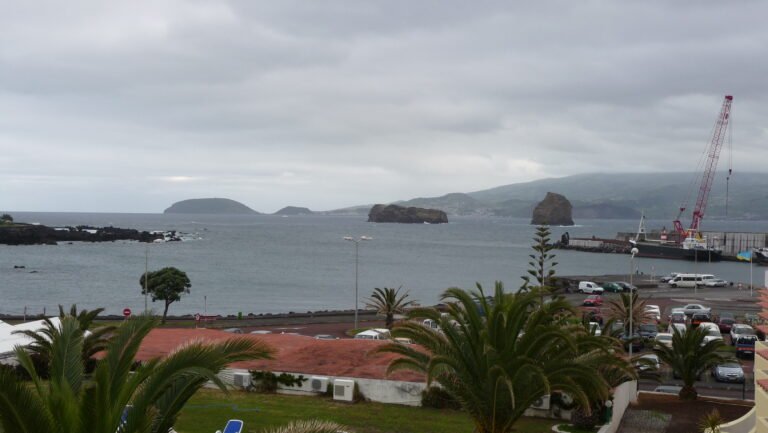
View detailsSanta Cruz das Flores is the little capital of the Azores' westernmost island, a base for routes to caves, waterfalls and lakes.
View detailsA 49-hectare forest reserve on the edge of Ponta Delgada, with playgrounds, picnic clearings and a quiet loop trail.

The great nautical festival of the Azores, held every August in Horta on Faial since 1975, with regattas, whaleboats and street music.

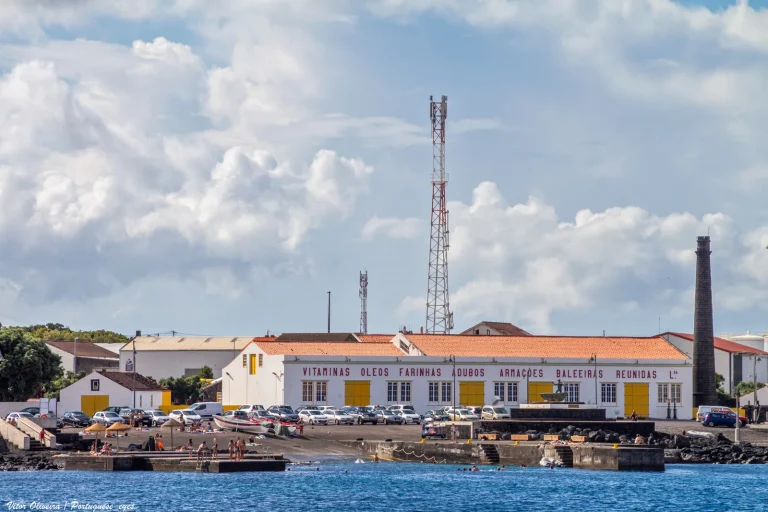
On the coast of São Roque do Pico, a former whale factory — the largest sperm-whale processing complex of the Azores — is now an industrial museum.

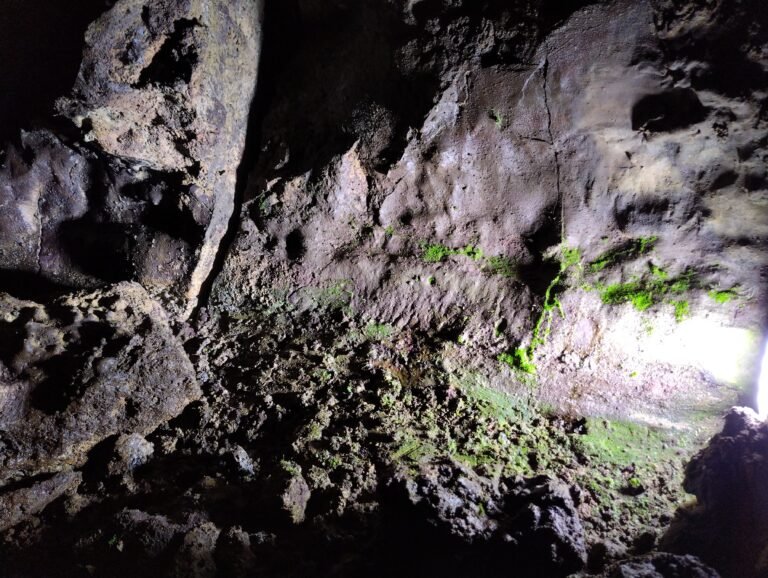
On Pico, a stairway drops into the longest lava tube of Portugal: more than five kilometres of tunnel under the vineyards of Criação Velha.

The mother church of Ponta Delgada, built in the 1500s between Gothic, Manueline and baroque, a few steps from the city gates.

The mother church of Vila Franca do Campo, capital of the Azores until the earthquake of 1522 changed the island’s story.

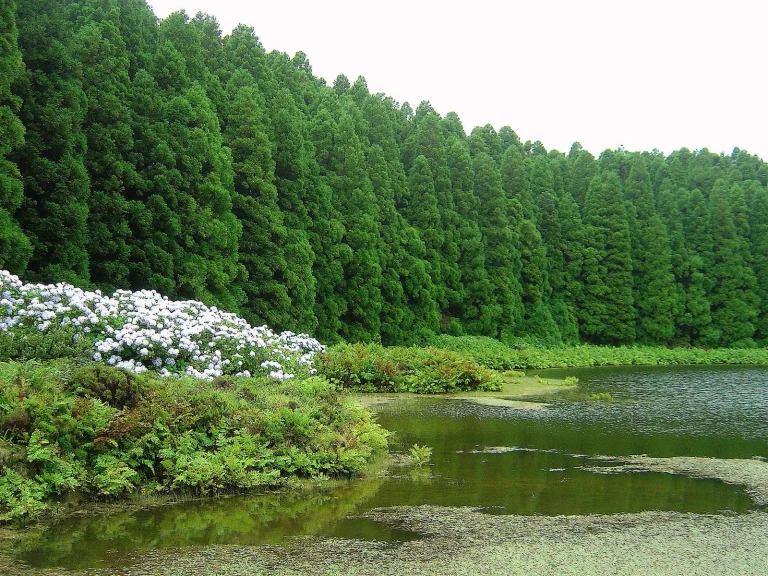
A small green lagoon on the rim of the Sete Cidades crater — and the doorway to the Boca do Inferno viewpoint.

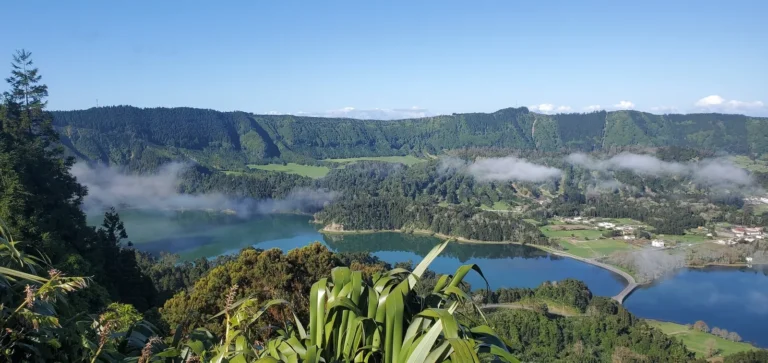
The village inside the great caldera of São Miguel, on the shore of the twin lakes whose blue and green waters carry the island’s most famous legend.

The flowered belvedere of São Miguel’s east coast, where gardens of hydrangeas and azaleas frame the cliffs and sea stacks of the Nordeste.

The natural hot spring of São Miguel’s western tip, where volcanic springs warm the Atlantic inside a lava cove, with a 1901 lighthouse above the rocks.

The little capital of Flores, the westernmost island of the Azores: a 17th-century convent museum, a whale factory museum and an island of lakes and falls.

A dairy parish on the road from Angra to the western mountains, with a 16th-century church, a milk-cooperative museum and the e-bike route west.

The western end of Terceira: the island’s highest mountain, a trail through the dark lava of the Mistérios Negros and submarine eruptions offshore.

The sheltered fishing cove below Água de Pau, where one of São Miguel’s oldest convents keeps the memory of the Santo Cristo above a natural pool.

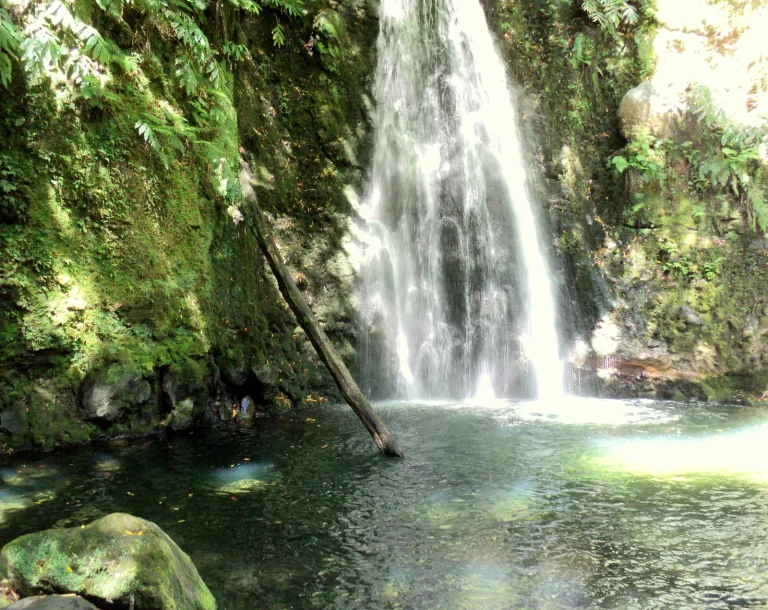
A green parish of Povoação on São Miguel’s southeast coast, where the trail to the Salto do Prego waterfall passes the abandoned hamlet of Sanguinho.

The old whaling town on the south coast of Pico, where hand-thrown harpoons gave way to whale watching under Portugal’s highest mountain.

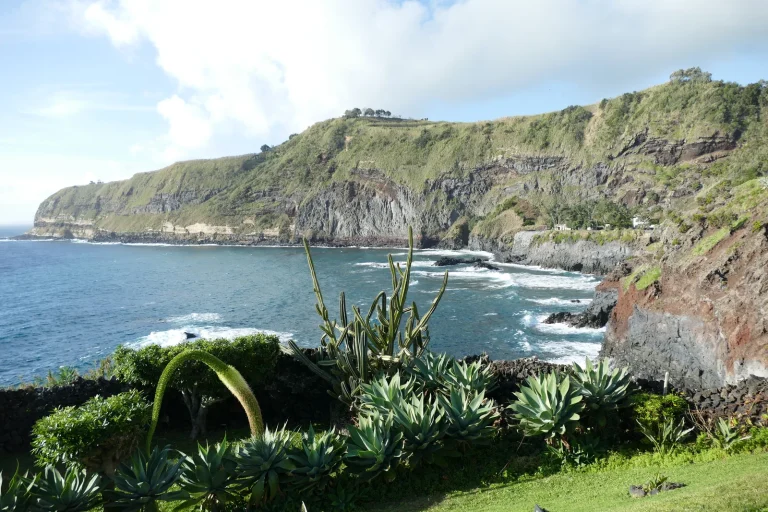
A tiny green parish on a crest of the north coast of São Miguel, above ravine streams, the Praia da Viola and the canyoning rivers of the northeast.

Terceira’s city of the great bay: the island’s main sandy beach, a naval battle that gave the town its name and the viewpoints of the Serra do Cume.

One of São Miguel’s oldest towns, made a vila in 1515, between the volcanic massif of Lagoa do Fogo and the bathing coast of Caloura.

Terceira’s largest parish, on the island’s green north coast: spring-fed valleys, the lava bays of the Alagoa and a coastal trail between them.

The three stone arches of 1783 that open onto Praça Gonçalo Velho — the emblem of Ponta Delgada and the Azores’ capital.

The Azores’ great fishing town on São Miguel’s north coast, where the day’s catch lands and the north shore begins.

Faial’s new land: the volcano that rose from the sea in 1957 and burned for thirteen months, a grey desert at the island’s western tip.

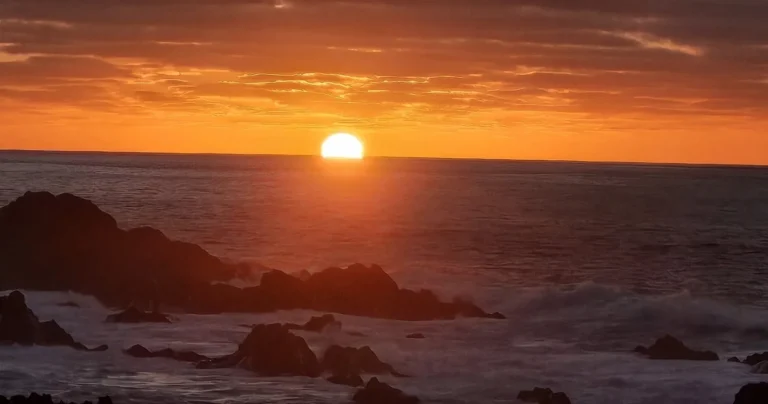
On São Miguel’s north-west coast, a fishing village of black sand and sea stacks that catches the best sunsets of the Azores.

On São Miguel’s north coast, one of the only two tea plantations in Europe: rows of green tea above the Atlantic at Porto Formoso.

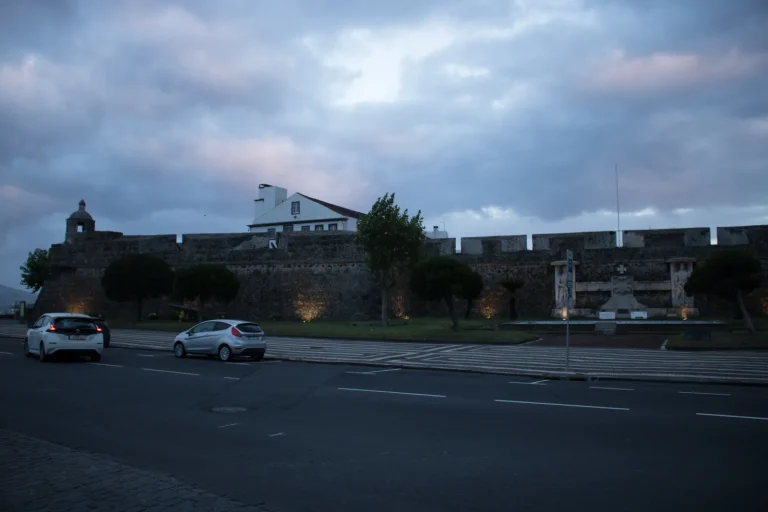
A 16th-century fortress begun in 1552 to guard Ponta Delgada from corsairs, now home to the Azores Military Museum.

From milking to cheese: follow life on a dairy farm in Flores, bottle-feed the calves and make your own cheese.

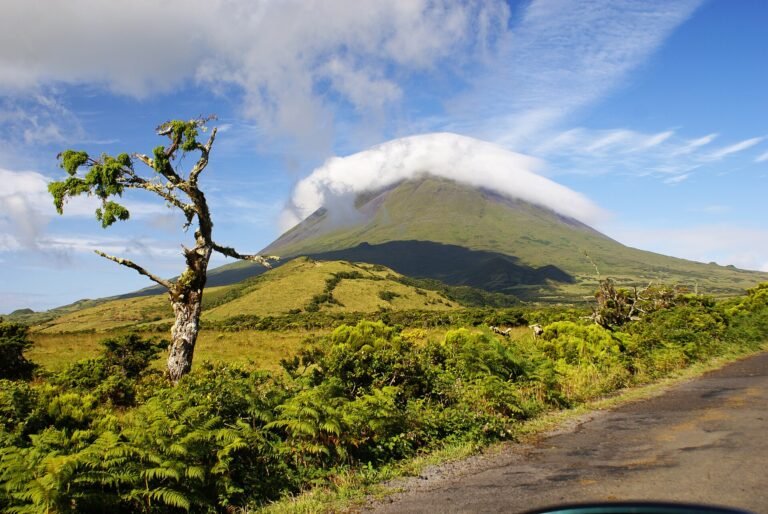
Portugal’s highest point rises 2,351 metres from the Atlantic: a supervised climb to the summit of Mount Pico, above the clouds.

In Furnas, on São Miguel, the volcano still cooks: steaming caldeiras, hot springs and the famous cozido buried in the earth since morning.

Above the twin lakes of Sete Cidades, the Boca do Inferno viewpoint frames the whole volcanic caldera of São Miguel.

Ponta Delgada’s sanctuary of the Holy Christ of Miracles, at the heart of the island’s greatest devotion.

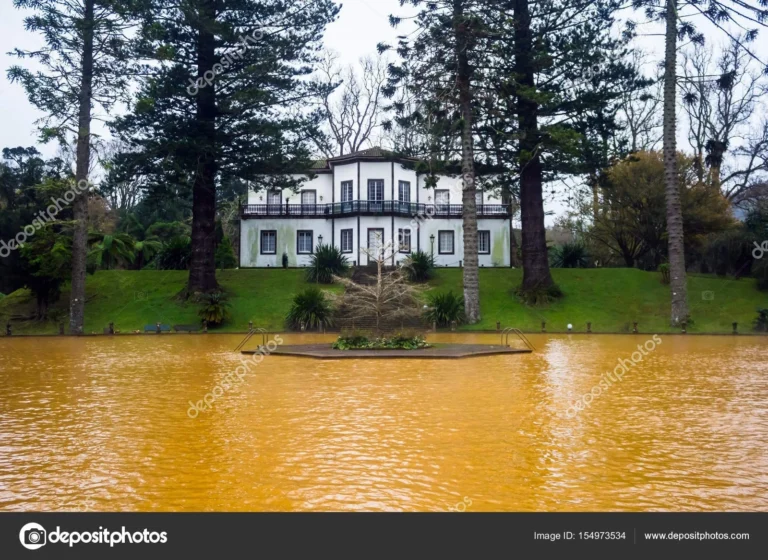
A nineteenth-century garden on the shores of Lagoa das Furnas, with camellias, ferns and a gothic chapel.

A Victorian botanical garden in the centre of Ponta Delgada, with trees gathered from around the world.

A volcanic chimney on Terceira that can be entered, with stalactites of silica and an underground lake.

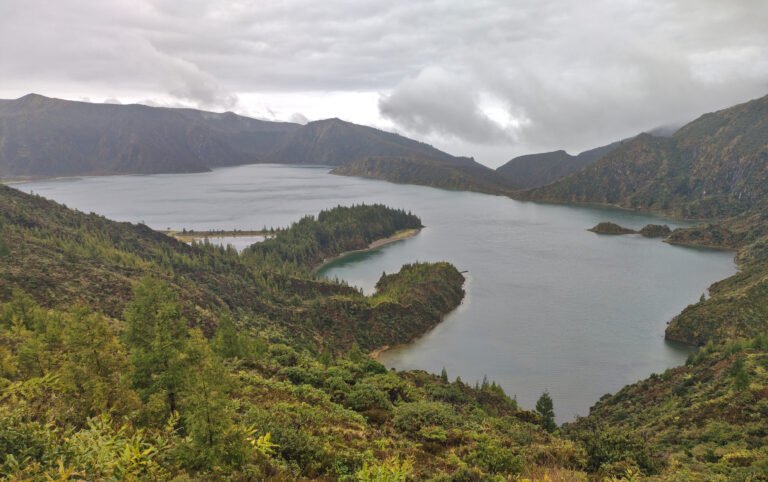
A crater lake in the centre of São Miguel, one of the wildest and most beautiful places in the Azores.

The twin lakes of São Miguel, one blue and one green, set inside a vast volcanic crater in the Azores.

A sixteenth-century fortress on the edge of Angra do Heroísmo, part of the defences of the old Azorean capital.

The volcanic peninsula above Angra do Heroísmo, with the great fortress of São João Baptista and views over the bay.

A museum on the island of Santa Maria, in the Azores, with collections on the island’s history and ethnography.

A museum on the island of Graciosa, in the Azores, with collections on the island’s history, ethnography and whaling.

A museum in Calheta on the island of São Jorge, devoted to the composer Francisco de Lacerda and to the life of the island.

A regional museum in the old Jesuit college of Horta, with collections on the Azores, the sea and the Atlantic telegraph.

The whaling museum of Lajes do Pico, in the old boat sheds by the harbour, telling the story of the Azores’ whale hunters.

A regional museum in a former Franciscan convent in Angra do Heroísmo, covering the history of the Azores and the Atlantic.

The oldest museum in the Azores, the Museu Carlos Machado in Ponta Delgada spans art, sacred art, ethnography and natural history across several historic nuclei.

This activity takes place in Fenais da Luz, one of the most authentic coastal parishes of São Miguel Island.

Active kayaking and snorkelling trip around the islet of Vila Franca do Campo, exploring caves and taking in views of the volcanic formation

This tour is an absolute must-experience because it is the only place on Earth where you can eat a meal literally cooked by the Earth’s volcanic heat and…