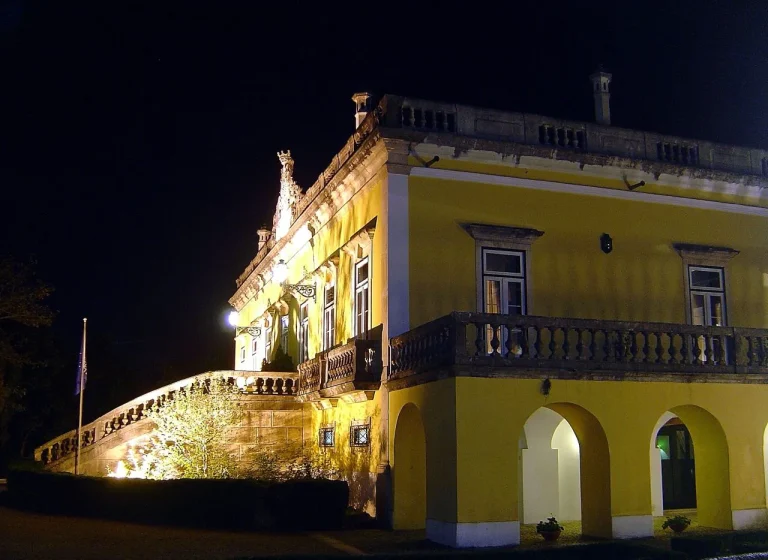
Coimbra
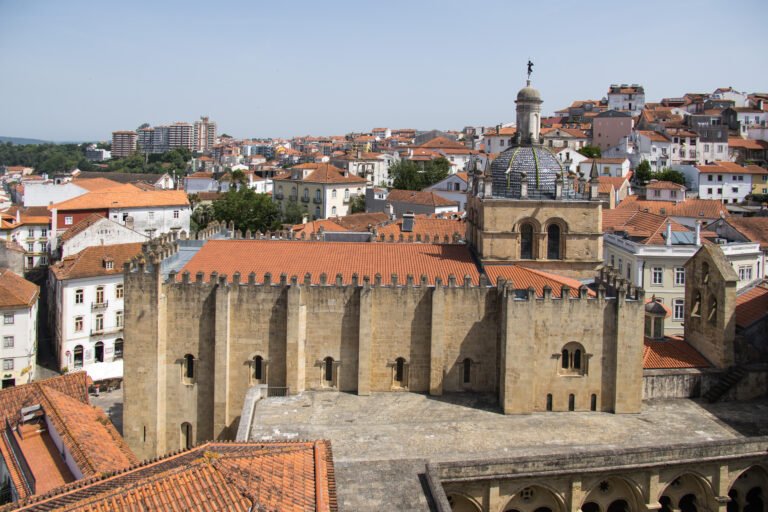
Coimbra is the university city of the Mondego, its library and old monastery among the sights, an easy stop on tours between Lisbon and Porto.
View detailsCoimbra is the university city of the Mondego, its library and old monastery among the sights, an easy stop on tours between Lisbon and Porto.
View detailsAveiro, shaped by the Ria lagoon, is a city of canals and art nouveau, crossed by moliceiro boats, with the fish market at its heart.
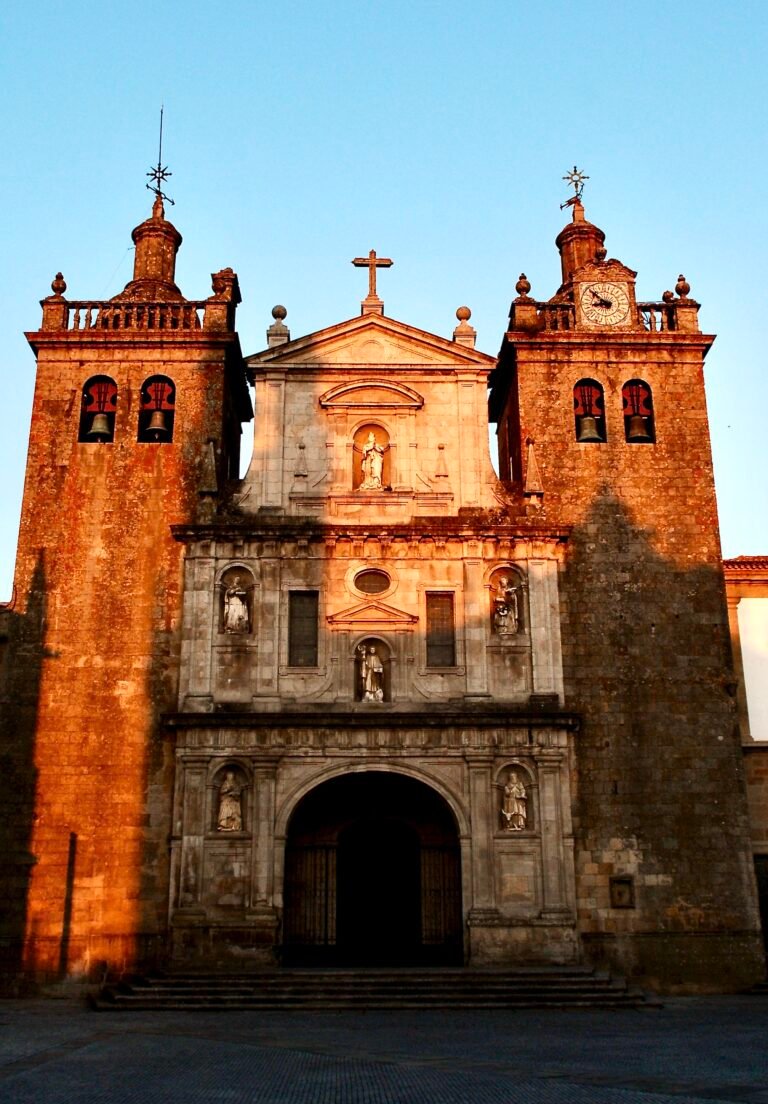
View detailsViseu, at the heart of central Portugal between mountains and Dão vineyards, is a city of granite, gardens and Renaissance painting.
View detailsFátima, the great centre of pilgrimage born of the apparitions of 1917, is visited on tours that add Batalha, Nazaré and Óbidos.
View detailsTomar, founded in 1160 by Gualdim Pais of the Templars, is the city of the Convent of Christ, visited with wine tastings by boat.
View detailsBatalha is named for the battle of Aljubarrota of 1385, remembered at its great monastery, a stop between Fátima and Nazaré.
View detailsAlcobaça grew around its great Cistercian monastery, a defining monument of Portuguese history, visited on tours from Lisbon and Fátima.
View detailsÓbidos is a medieval town ringed by fortified walls, the queen's town since King Dinis gave it to Isabel in 1282, near the lagoon.
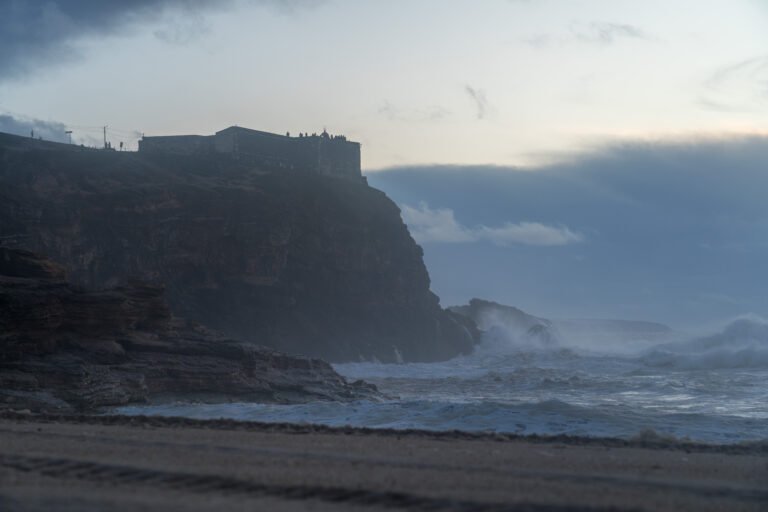
View detailsNazaré grew from a fishing village into a world-famous surf town, its great waves at Praia do Norte below the clifftop fort.
View detailsPeniche is a fishing town on its Atlantic peninsula, with the fortress, the Berlengas islands offshore and surfers on the waves.
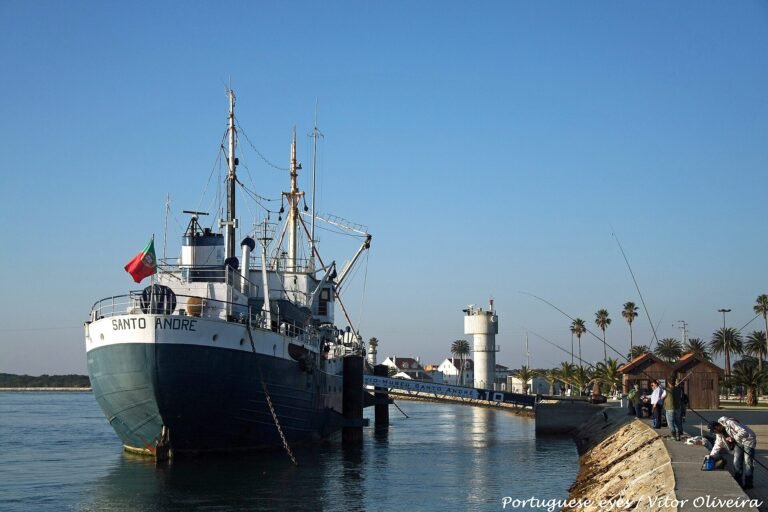
View detailsÍlhavo, on the Aveiro lagoon, is the city of the cod fishermen, with the Santo André museum ship, Vista Alegre porcelain and Costa Nova.
View detailsLeiria, between Lisbon and Porto, keeps its twelfth-century castle built by Afonso Henriques above a lively city of the Centre.
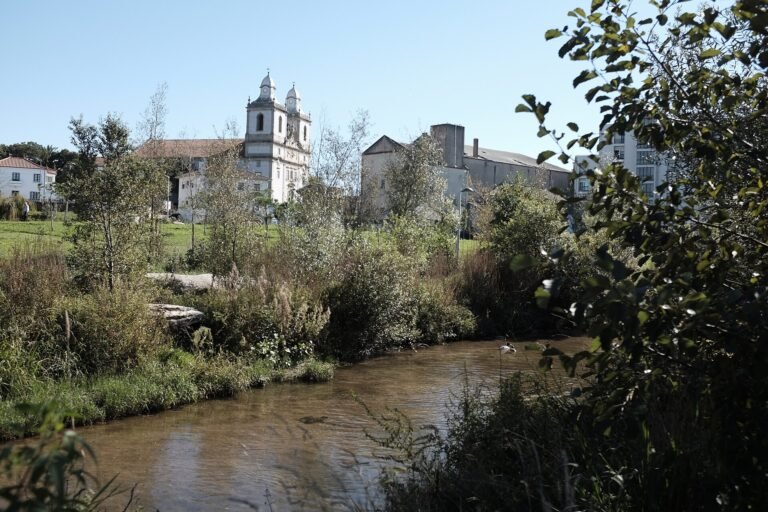
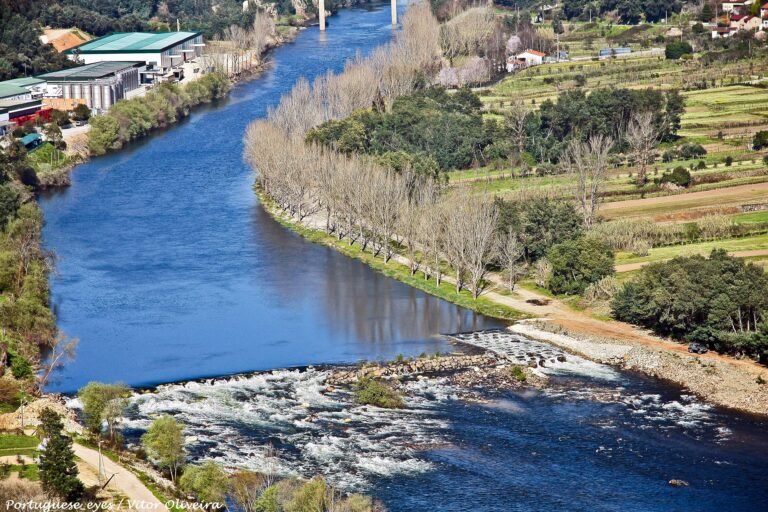
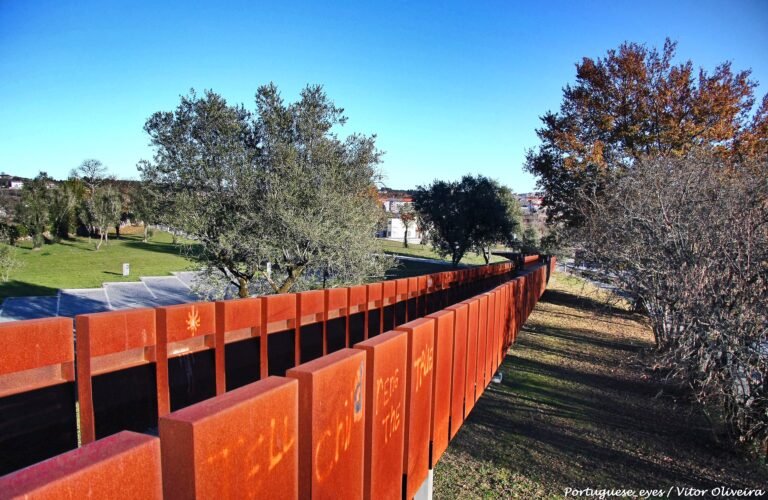
View detailsCoimbra’s riverside park: meadows, beaches and cycle paths on both banks of the Mondego, opened in 2004 below the university hill.

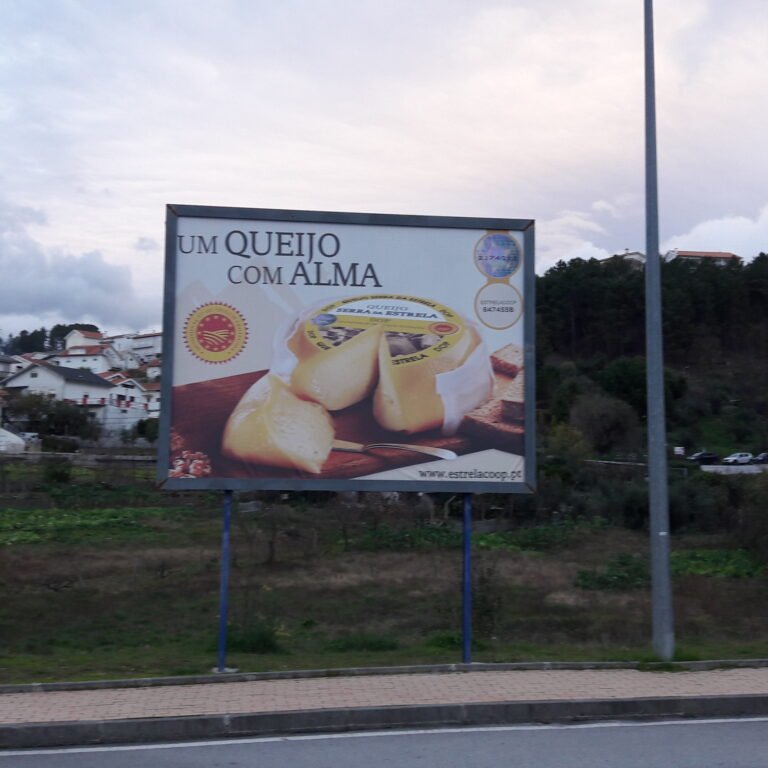
Portugal’s most storied cheese: raw Bordaleira ewe’s milk set with wild cardoon flower into a soft, spoonable paste in the Serra da Estrela.

On the bank opposite Coimbra’s old city, the estate of the Inês de Castro legend, with its Fountain of Tears and 19th-century gardens.

The Gothic cathedral of Portugal’s highest city, begun in the late 1300s on the windswept plateau of the Beira.

The baroque New Cathedral of Coimbra, begun by the Jesuits in the sixteenth century, at the top of the university hill.

On the Varosa river near Tarouca, the fortified bridge and toll tower of Ucanha — Portugal’s most complete medieval passage gate.

A thirteen-kilometre U-shaped channel of ice-age granite, running from the high plateau of Torre down to the wool town of Manteigas.

The 17th-century monastery above the Mondego where the tomb of Queen Saint Isabel stands, moved from the flood-damaged old house.

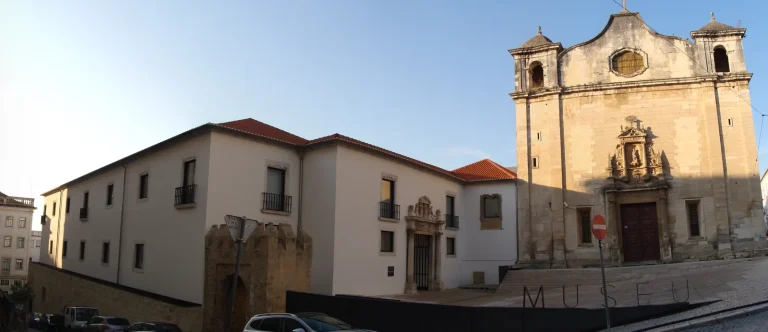
Coimbra’s national museum of sculpture, in the bishops’ palace above one of Europe’s most striking Roman underground galleries.

Six kilometres of Mannerist arches carrying spring water to the Convent of Christ — the great engineering work of Tomar’s convent.

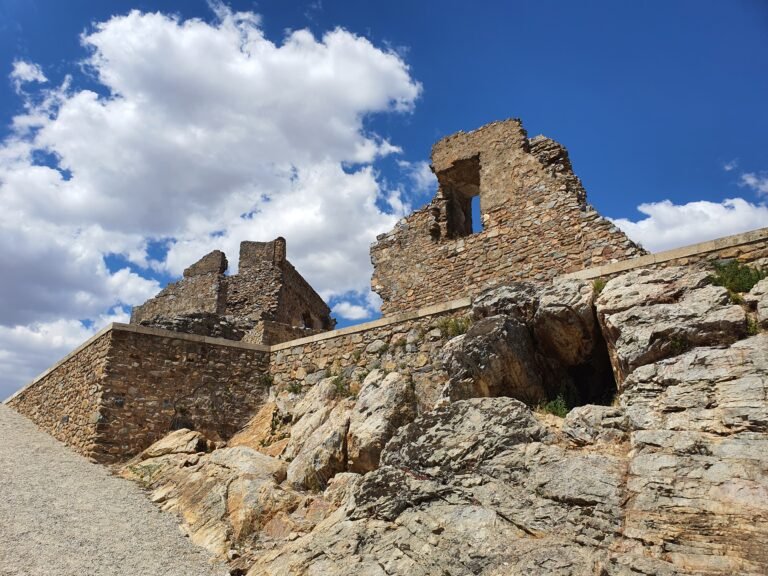
The long fortress of the Baixo Mondego, guarding the road between Coimbra and the sea since the Moorish tenth century.

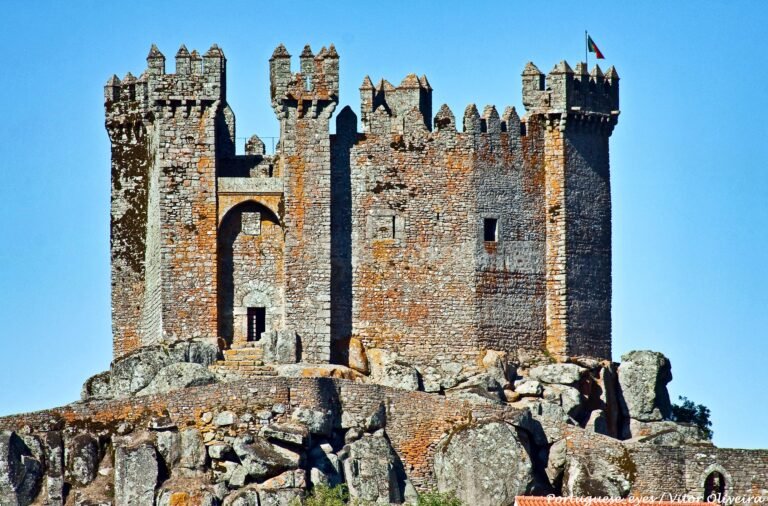
The Reconquista castle of Penela, founded for Count Sesnando after the fall of Coimbra, above the Dolmens? — above the Beira country.

A Templar fortress of the mid-1100s above Pombal, built by Gualdim Pais on the castle line that ran to Tomar and Almourol.

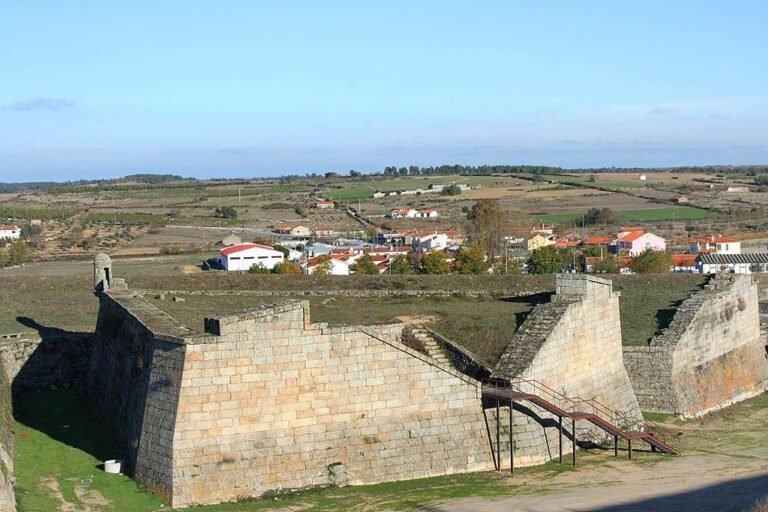
On the high plateau of the historic villages, the castle and walls of Trancoso, where an Infante of Portugal chose to be buried.

The national horse fair of Golegã every November, the great gathering of the Lusitano breed in the horse town of the Ribatejo.

Every September, the fishing town of Nazaré climbs to the Sítio in candlelight to honour a devotion eight centuries old.

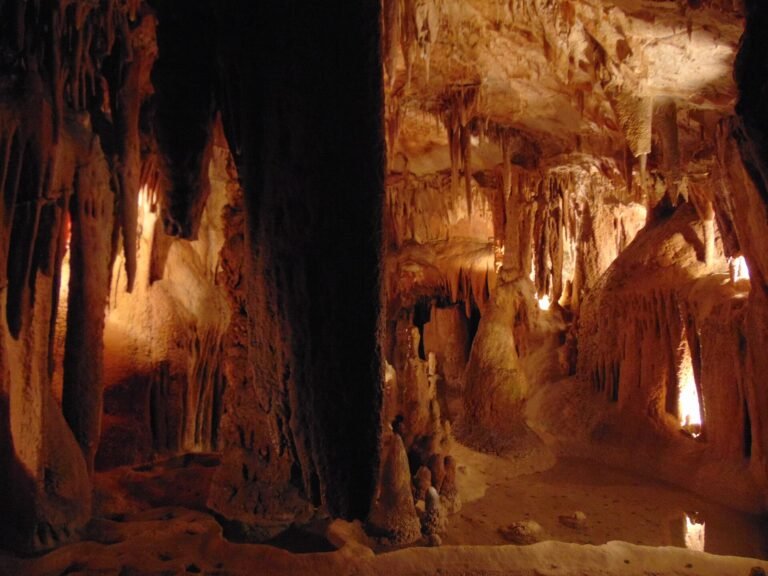
Limestone caves near Fátima with chambers of stalactites and underground lakes, found by two local hunters chasing a fox in 1971.

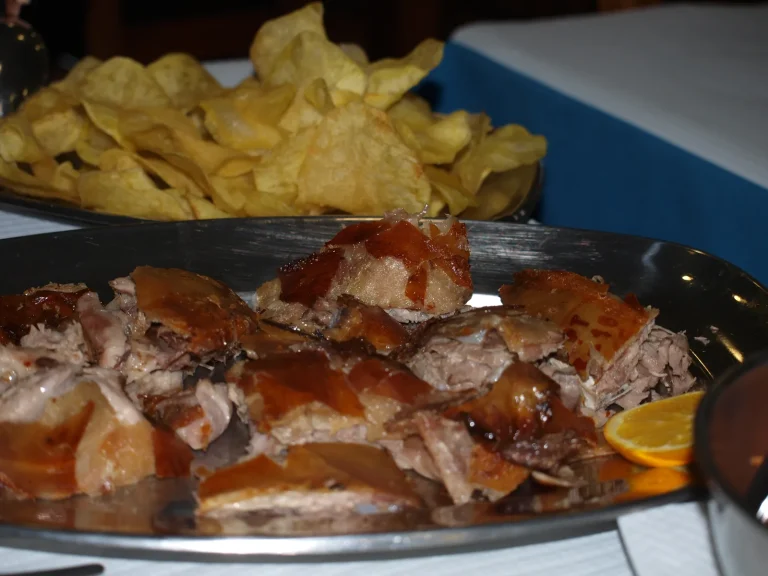
The roast suckling pig of the Bairrada — crackling skin, wood-oven smoke and a whole food culture around one perfect dish.

The July festival of Águeda, when the Umbrella Sky fills the streets with colour and concerts, art and food run through the town.

The thermal city of the Vouga valley, where Roman baths and a royal patient made the sulphurous springs Portugal’s greatest spa, in the green of Lafões.

The paper town at the foot of the Serra da Lousã, gateway to the schist villages and their recovered stone lanes above the Ceira valley.

The town of the moliceiro boats, split by the Aveiro lagoon’s channels: fishing quays, a bicycle-riding population and the boatwrights’ craft of the ria.

The county of the medieval counts beside Fátima: a hilltop castle and paço of the Condes de Ourém above the walled old quarter and the legend of Oureana.

The castle town of the Coimbra hinterland: Sesnando’s fortress on its rock, Roman villa country and the springs and caves of the Rabaçal valley.

The limestone town between the Serras de Aire e Candeeiros, with a palatial castle tied to the knight of the Nazaré legend and the great show caves at its door.

The small Ribatejo town whose island castle of Almourol, a Templar fortress in the middle of the Tagus, is one of Portugal’s most photographed monuments.

A Beira Baixa river town at the Portas de Ródão, the quartzite gorge of the Tagus where Portugal’s largest colony of griffon vultures nests.

The old county seat of the Nelas plateau, with its pillory and manor house, on the Dão plateau below the cheese country of the Serra.

The gateway town of the Serra do Açor, where the river Alva runs past schist villages, waterfalls and one of Portugal’s protected mountain woods.

A wine-and-pear town of the Oeste, home to the Buddha Eden garden created on the Quinta dos Loridos in answer to the destruction at Bamiyan.

A wine city of the Bairrada with a museum of stone, coastal parishes of xávega nets and one of Portugal’s big cooperative wine cellars.

The town beside Conímbriga, Portugal’s best-preserved Roman city: mosaics and fountains of the Casa dos Repuxos and a national museum.

A town of the ria between the Vouga’s fresh water and the lagoon’s salt: BioRia trails at Salreu, a Nobel laureate’s birthplace and walls of urban art.

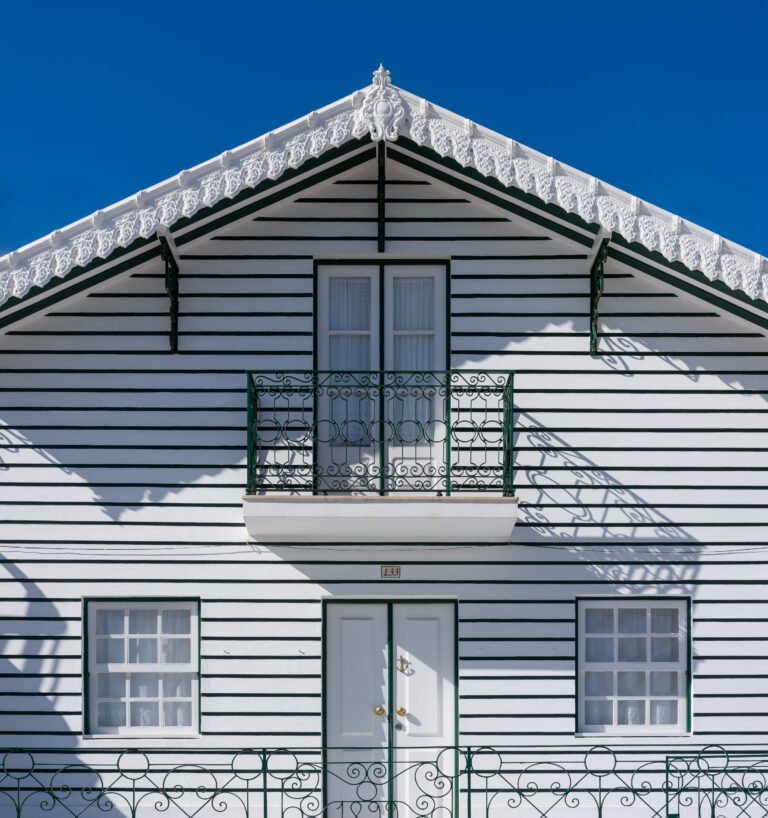
The codfishing city of the Aveiro lagoon: a museum ship of the bacalhau fleet, two centuries of Vista Alegre porcelain and the striped houses of Costa Nova.

The capital of the roast suckling pig, where Bairrada wine and sparkling wine meet the smoke of the leitão ovens beside the woods of Buçaco.

A mountain town of the Aldeias do Xisto where the Santa Luzia dam drowned a village and left one of the schist country’s finest lake landscapes.

A town of water and leather on the limestone plateau, where the Alviela springs rise and the tanneries have worked hides for generations.

A Ribatejo town of castle walls and eleven towers beside the Almonda, at the meeting of the Tejo plains and the limestone hills.

Chartered in 1290 and settled in Coimbra since 1537: Portugal’s oldest university, a UNESCO World Heritage hilltop of colleges and libraries.

Coimbra’s miniature park of 1940: child-scale houses, monuments and colonial pavilions, built to teach Portugal to its children.

The lagoon of Aveiro: forty-five kilometres of channels, salt pans and marshes, crossed by painted moliceiro boats.

The city of the Umbrella Sky: a lively Aveiro-district town where colour floats above the streets every summer.

The little chapel built on the site of the 1917 apparitions, the heart of the Sanctuary of Fátima and of Portugal’s pilgrimage.

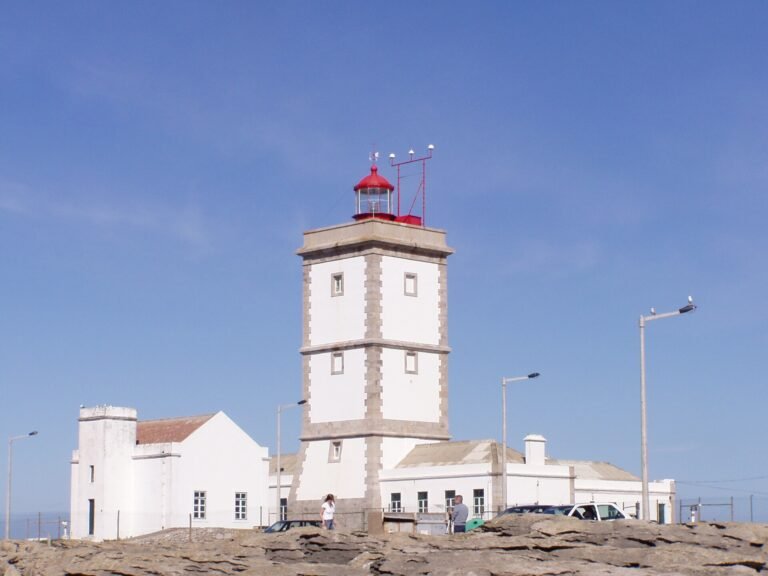
The old fort and lighthouse on the Nazaré cliff, now the world’s favourite balcony over the giant waves of Praia do Norte.

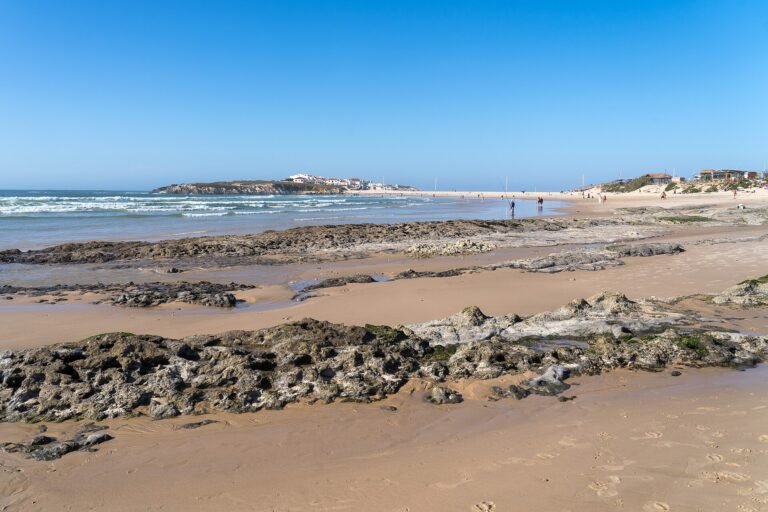
The village where the Óbidos lagoon meets the Atlantic: calm lagoon water on one side of the sand spit, ocean surf on the other.

A mountain town of the Serra da Lousã, where slate villages cling to the slopes and rivers cut the schist into cold pools.

A granite city on the slopes of the Serra da Estrela, among chestnut woods, mountain roads and the cheeses of the plateau.

Make your own Serra da Estrela DOP cheese on a family farm near Viseu, then taste it with local products and Dão wine.

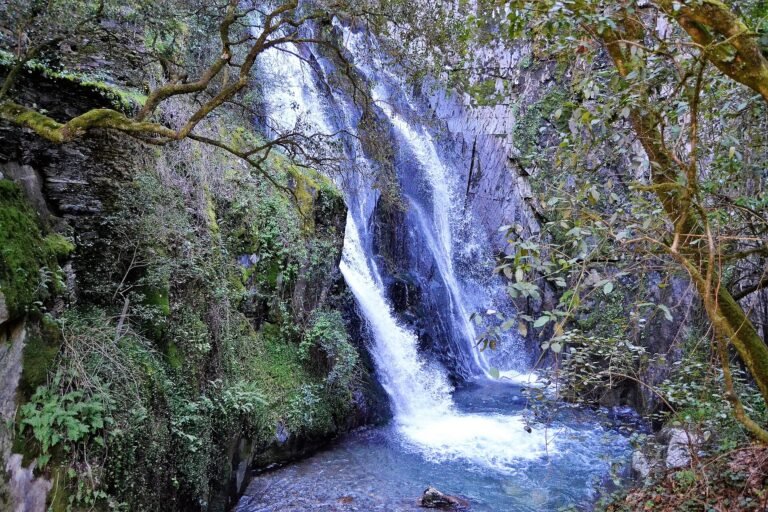
A stair of waterfalls, the tallest 19 metres, hidden in one of Portugal’s oldest protected woodlands in the Serra do Açor.

The former island joined to the mainland by a sand tombolo — calm on one side, Atlantic surf on the other, and the Berlengas on the horizon.

A cave discovered by chance in 1955, with one of the largest chambers of the Estremenho limestone and a waterfall of light.

The cave the quarrymen found in 1964: great chambers and still lakes under the Serra dos Candeeiros, half an hour from Fátima.

The wild western tip of the Peniche peninsula: limestone cliffs, the Nau dos Corvos rock and the Berlengas on the horizon.

Portugal’s first porcelain factory, founded in 1824 at Ílhavo: museum, hand-painting workshop, palace and baroque chapel.

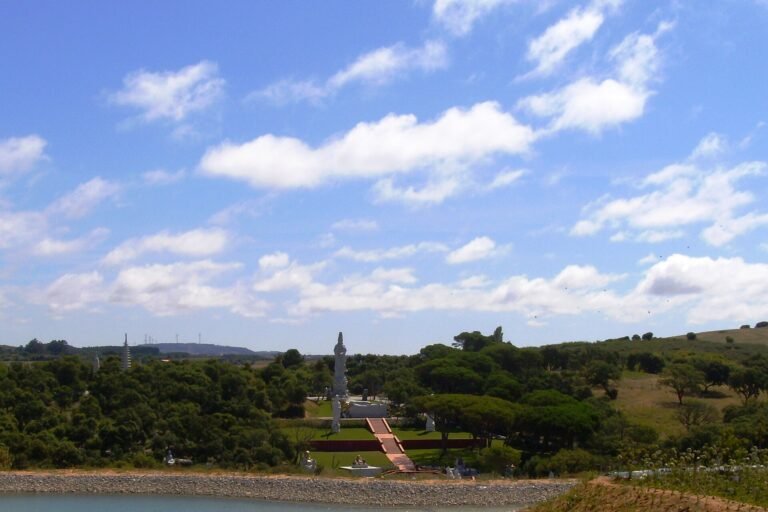
Europe’s largest oriental garden: hundreds of Buddhas, a koi lake and seven hundred terracotta soldiers at Bombarral.

The Santo André, the last side trawler of Portugal’s cod fleet, now a museum ship at Ílhavo near Aveiro.

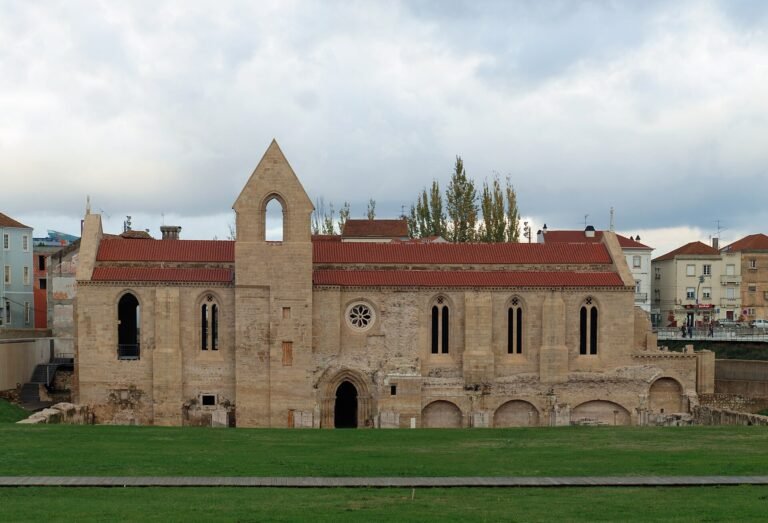
The Gothic ruins of Santa Clara-a-Velha in Coimbra — a monastery drowned by the Mondego and reborn through archaeology.

Portugal’s greatest spa, in a wooded valley of the Vouga, where hot sulphur water has been easing aches since Roman times.

Every May since 1901, Coimbra’s Queima das Fitas fills the city with capes, ribbons, fado and the great satirical parade.

Ovar is Portugal’s living museum town of the azulejo, where whole streets wear tiled façades by the Ria de Aveiro.

The medieval walls of Óbidos can be walked for some 1.5 kilometres above the town, past gates and towers, with free access and wide views.

One of Portugal’s most authentic carnivals, filling the streets of Ovar with masks, colour and satire.

Tomar’s flower festival, held every four years, with parades of decorated trays and thousands of paper flowers.

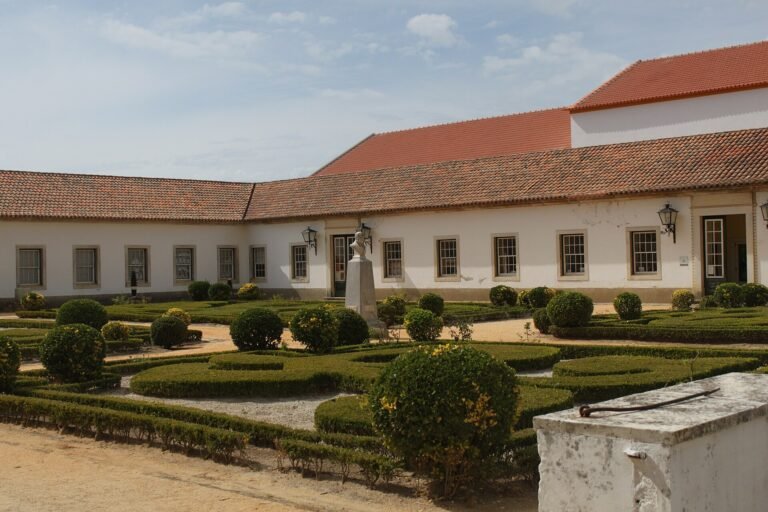
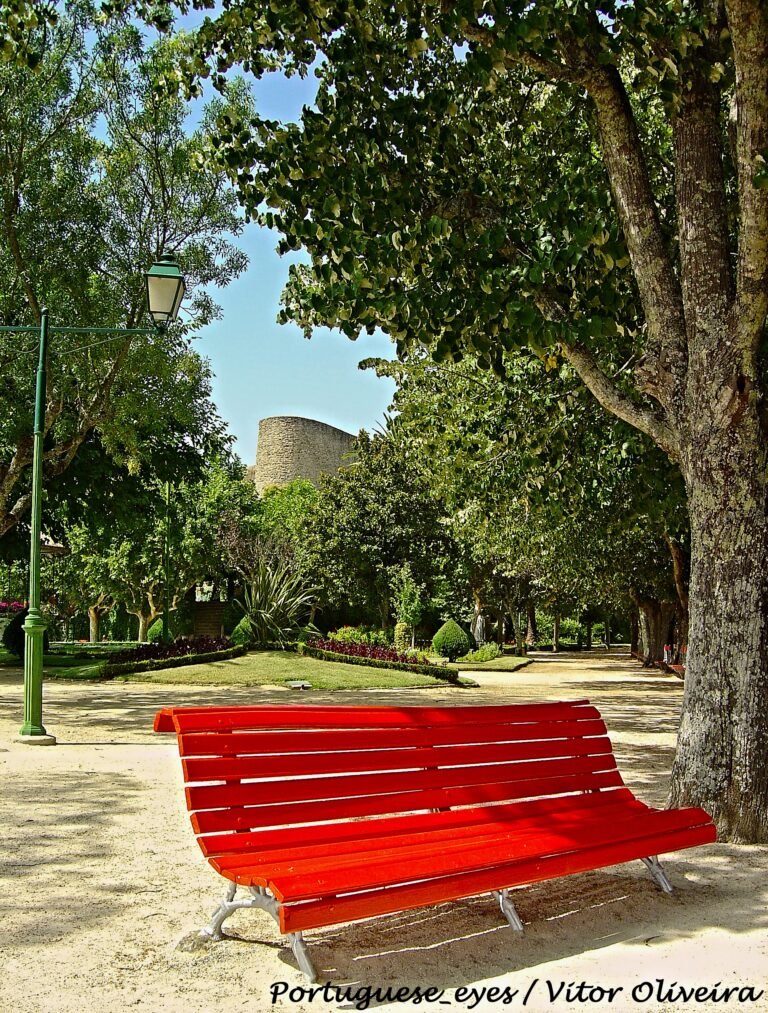
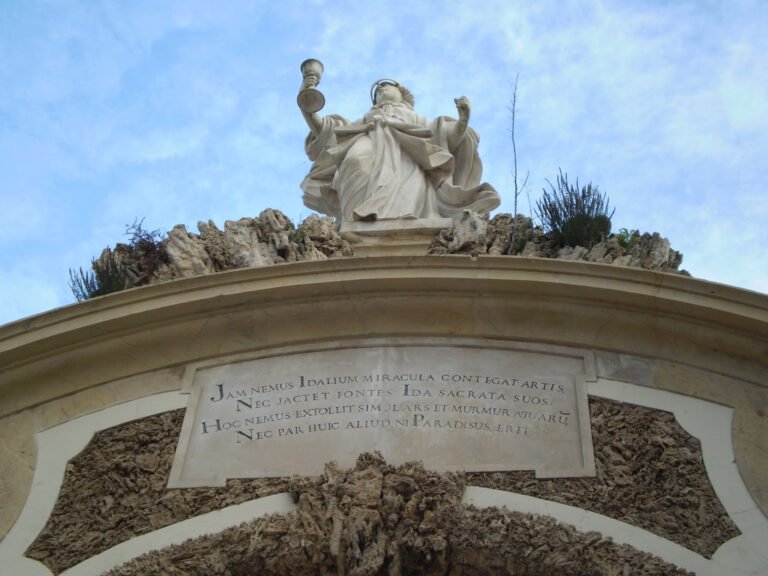
An eighteenth-century garden in Coimbra, with box hedges, fountains and the mermaid that gives it its name.

A walled forest of exotic trees planted by Carmelite monks, with chapels, lakes and trails in central Portugal.

Coimbra’s traditional municipal market, in the heart of the city between the old town and the river.