Tourist Tax now applied in 40 portuguese municipalities, with more to follow in 2025
The implementation of tourist taxes in Portugal continues to expand.
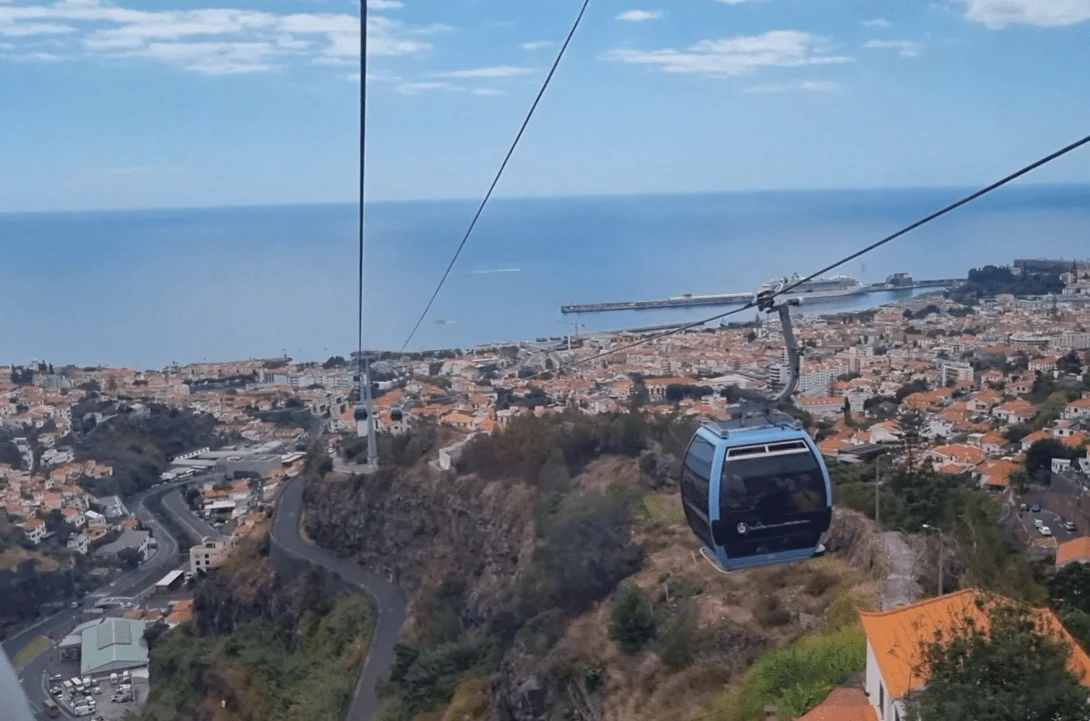
Currently, 40 municipalities have adopted this measure, according to a survey conducted by Lusa. By the end of 2025, around 10 more municipalities are expected to introduce the tax, reflecting a growing trend.
Regions with active taxation
Madeira and the Azores have been at the forefront of implementing tourist taxes. In Madeira, the fixed rate is €2 per night, applicable for up to seven nights. Meanwhile, in the Azores, six municipalities on São Miguel Island – Ponta Delgada, Ribeira Grande, Lagoa, Vila Franca do Campo, Povoação, and Nordeste – have introduced a €2 per night tax, capped at three nights.
Lisbon, a pioneer in introducing the tax back in 2016, currently charges the highest rate in the country at €4 per night, with exemptions for children under 13 years old. Porto, following a similar model, has charged €2 per night since 2018. Cities like Almada and Nazaré are planning to implement their own tourist taxes soon.
Regional differences
The Alentejo remains the only region in Portugal without municipalities applying a tourist tax. However, Évora has already begun discussions and is preparing regulations to introduce one in the coming years.
In the Algarve, the tax is charged in seven out of the region’s 16 municipalities. During the high season (April to October), the rate reaches €2 per night, while in the low season (November to March), it is reduced to €1 per night. Faro applies a fixed rate of €1.50 per night, while Vila Real de Santo António, the region’s pioneer, charges €1 per night, with reduced rates for camping and caravan parks.
Additional charges
In addition to overnight stays, some cities, like Lisbon and Funchal, have introduced taxes for cruise ship passengers. Both cities charge €2 per person, applying similar criteria as those for hotel stays.
With 308 municipalities in Portugal, there is still room for further expansion. Municipalities such as Terras de Bouro, Matosinhos, and Baião are among those planning to start collecting the tax by 2025. These revenues are allocated to strengthening areas like culture, heritage, mobility, and the environment, helping to mitigate the impacts of tourism.
As more municipalities adopt this measure, the tourist tax is becoming a sustainable financing tool for Portuguese cities welcoming thousands of visitors each year.
Tips & News
Keep reading

EasyJet retains more generous personal item policy despite EU cabin bag standardization
The announcement comes in the wake of the Airlines for Europe (A4E) initiative to harmonize hand luggage policies among member…

Portuguese Cities still far from Europe’s Highest Tourist Taxes
While Amsterdam tops the list with a staggering 18.45€ per night, no Portuguese destination makes it into the Top 10,…
Portugal among the top 10 most googled Destinations in 2024
Portugal remains a standout as one of the top 10 most searched travel destinations on Google in 2024, according to…
 English (UK)
 Português
 Polski
 Nederlands
 Italiano
 Français
 Español
 Deutsch