Termas de São Pedro do Sul
Portugal’s greatest spa, in a wooded valley of the Vouga, where hot sulphur water has been easing aches since Roman times.
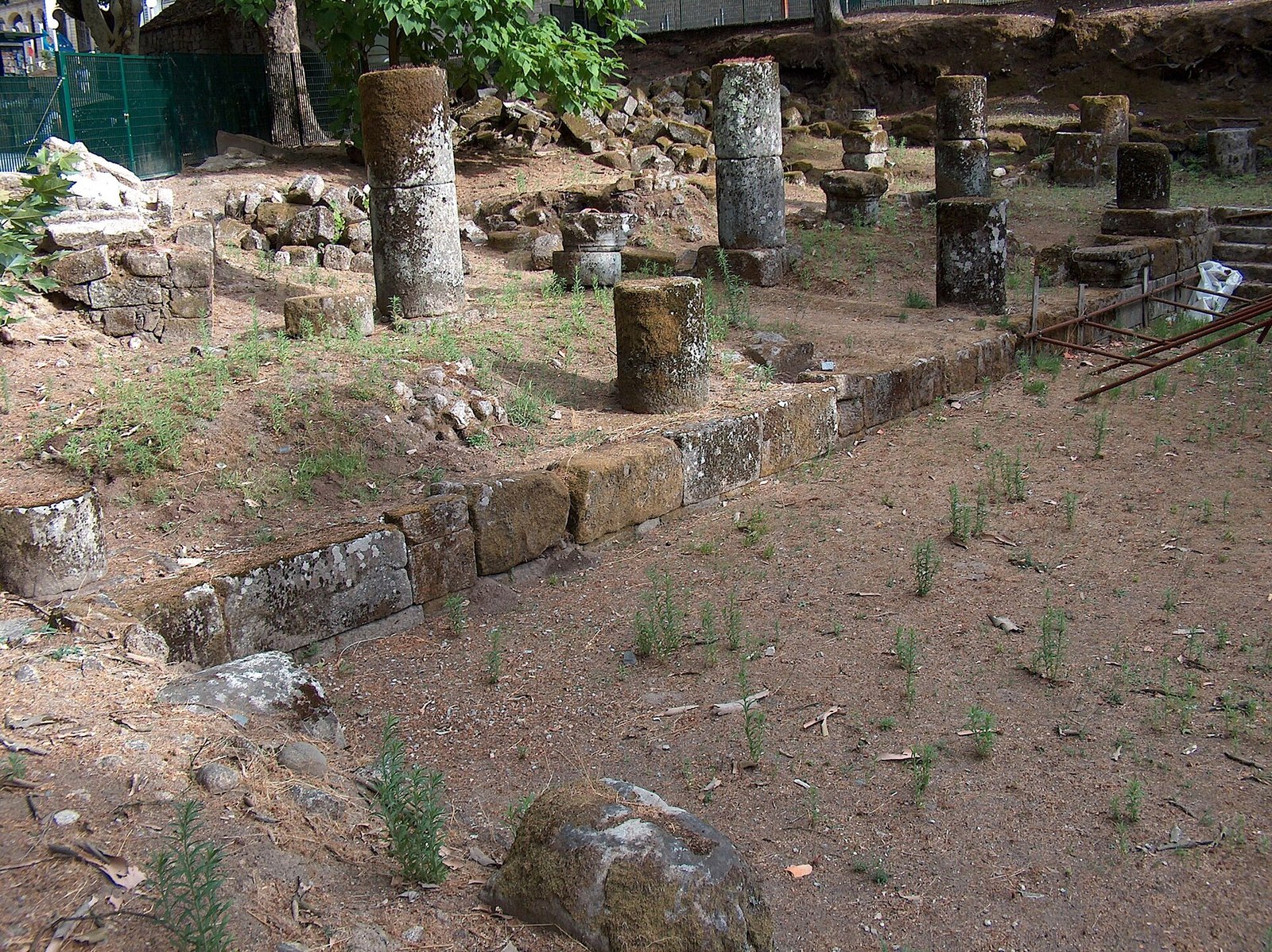
Portugal’s oldest and greatest spa stands in a wooded valley of the Vouga, where hot sulphur water has been easing aches since Roman times. The Termas de São Pedro do Sul are the country’s leading thermal resort and among the largest in Iberia — a place where medicine, history and the particular peacefulness of a thermal town come together.
Two thousand years of hot water
The spring was already exploited in the 1st century AD; the remains of the Roman bath, now a National Monument, still stand beside the pools. King Afonso Henriques is said to have come here in 1169 to recover from a broken leg and ordered the chapel of São Martinho built in thanks. King Manuel I founded a Royal Hospital on the site in the 16th century, and in 1894 Queen Amélia took the waters — so successfully that the spa was renamed in her honour. The water rises at some 68 degrees, sulphureous and rich in trace elements, with recognised respiratory and rheumatic benefits.
What to see
- The Roman bath remains, a National Monument
- The historic Balneário D. Afonso Henriques
- The Balneário Rainha D. Amélia, with its 19th-century air
- The chapel of São Martinho
- The wooded valley of the Vouga around the spa
Practical information
The spa sits in the parish of Várzea, in the municipality of São Pedro do Sul, about 25 kilometres west of Viseu. It is open all year, with therapeutic programmes, physiotherapy and shorter wellness stays; treatments are best booked in advance in high season.
Image credit: Termas de São Pedro do Sul by Joao Carvalho — CC BY-SA 3.0, via Wikimedia Commons.
To Visit
More to explore

Queima das Fitas de Coimbra
Every May since 1901, Coimbra’s Queima das Fitas fills the city with capes, ribbons, fado and the great satirical parade.
Ovar
Ovar is Portugal’s living museum town of the azulejo, where whole streets wear tiled façades by the Ria de Aveiro.
Muralhas de Óbidos
The medieval walls of Óbidos can be walked for some 1.5 kilometres above the town, past gates and towers, with…
Experiences
Explore related experiences

Guided Tour from Porto to the 516 Arouca Bridge & Paiva Walkways
 English (UK)
 Português
 Polski
 Nederlands
 Italiano
 Français
 Español
 Deutsch