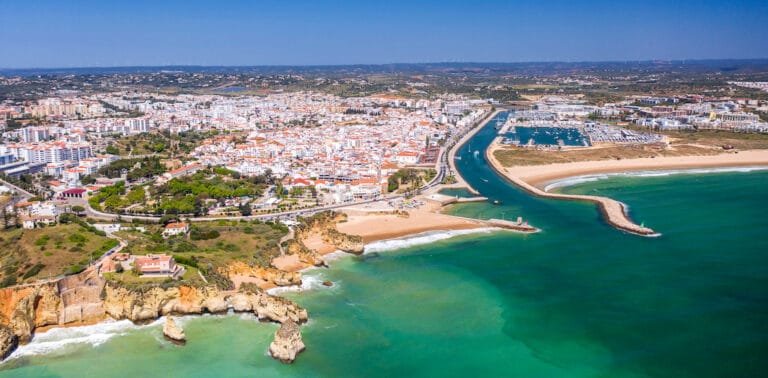
Lagos
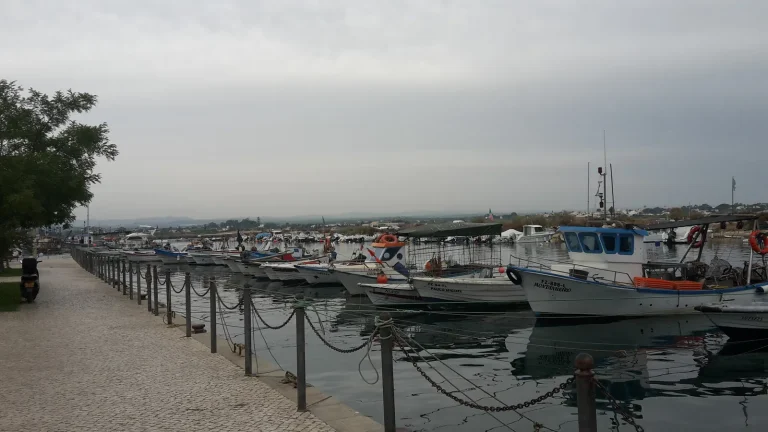
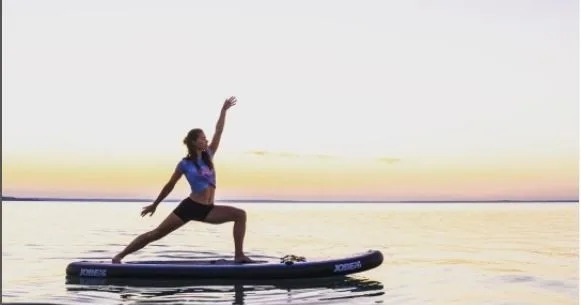
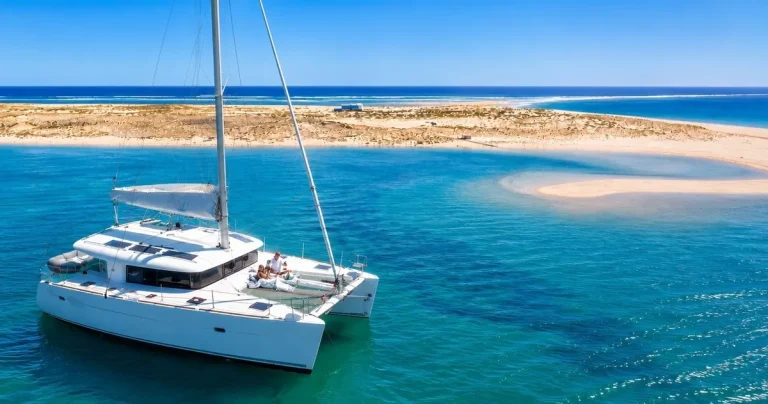
Lagos is a historic Algarve port of the Discoveries, today a resort base of cliffs at Ponta da Piedade, boat trips and surf yoga.
View detailsLagos is a historic Algarve port of the Discoveries, today a resort base of cliffs at Ponta da Piedade, boat trips and surf yoga.
View detailsPortimão, where the Arade meets the Algarve sea, pairs Praia da Rocha with the riverside museum and boat trips along the coast.
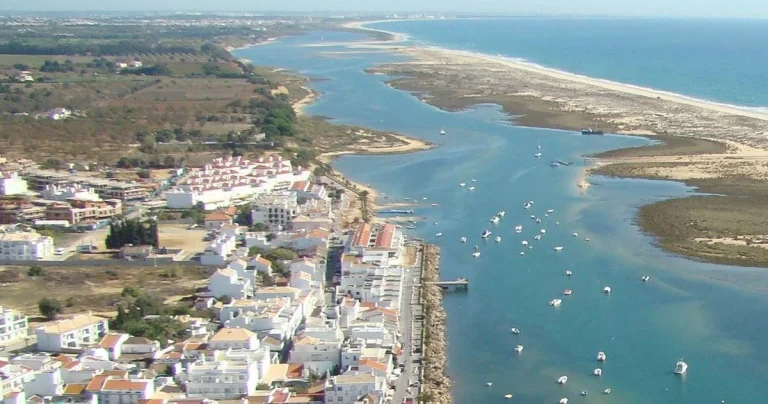
View detailsFaro, the Algarve's capital, is the gateway city of the Ria Formosa, with boat trips to the Deserta and Culatra islands from its quays.
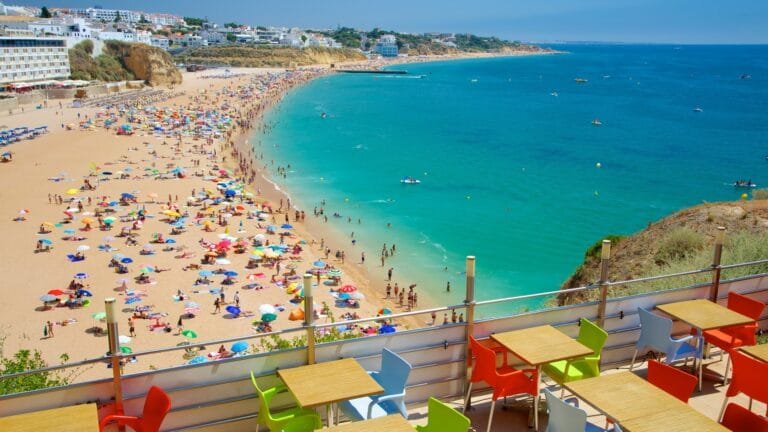
View detailsAlbufeira, in the heart of the Algarve, blends tradition with modernity, its beaches paired with a lively nightlife and Zoomarine.
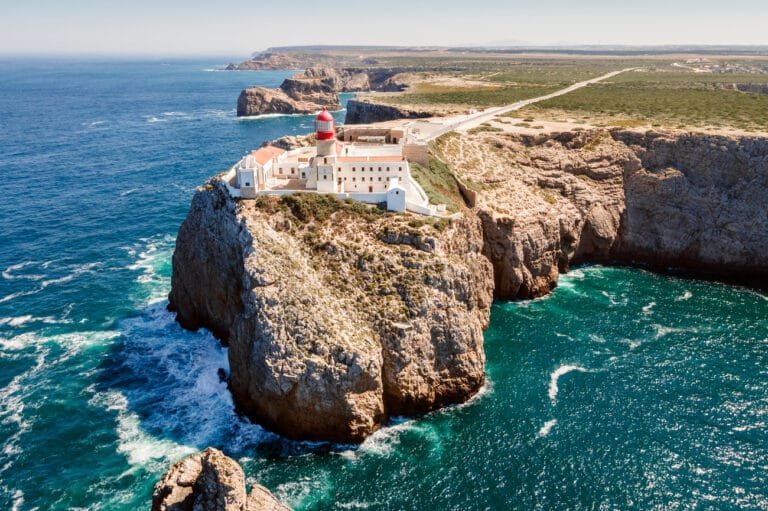
View detailsSagres sits at Europe's south-western tip near Cabo São Vicente, with the fortress above the surf and creative workshops in town.
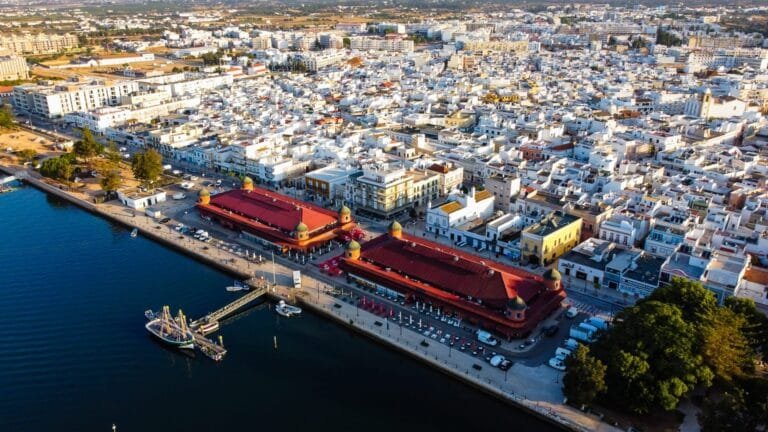
View detailsOlhão, on the Algarve coast, is a town of the sea and fishing, its big market and boats reaching the islands of the Ria Formosa.
View detailsTavira, founded by the Phoenicians around the 8th century BC, is one of the Algarve's earliest towns, its Moorish layout still visible.
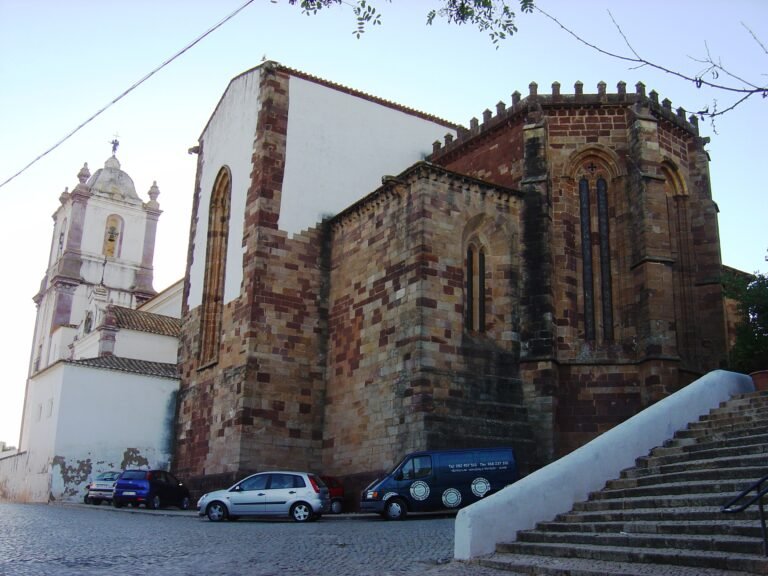
View detailsSilves was the Moorish capital of the Algarve under the name Xelb, its castle and cathedral rising above the river Arade.
View detailsLoulé is the market town of the central Algarve inland from the coast, its castle, municipal market and carnival giving it a life of its own.
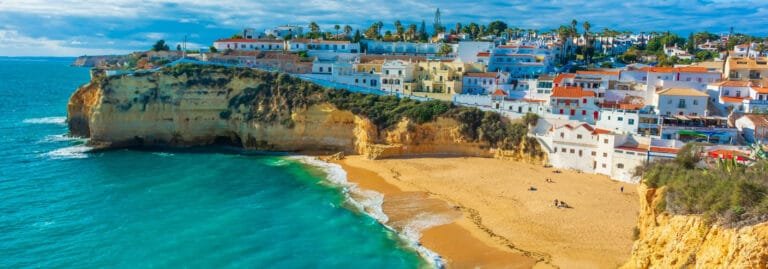
View detailsCarvoeiro is a cliff-girt former fishing village of the central Algarve, its beaches tucked between golden rock near the Benagil caves.
View detailsBenagil is the tiny Algarve cove of the great sea cave, the goal of kayak, RIB and boat tours that run all along the coast.
View detailsLagoa in the central Algarve offers vineyard wine tastings, kayak trips, wellness classes and a water park, plus the Seven Hanging Valleys clifftop trail.
View detailsWhere the Seixe river curls around the sand between the Alentejo and the Algarve — a calm river pool and a wild Atlantic beach.
Lagos’s municipal market: the morning address for the fish of the coast and the produce of the western Algarve.

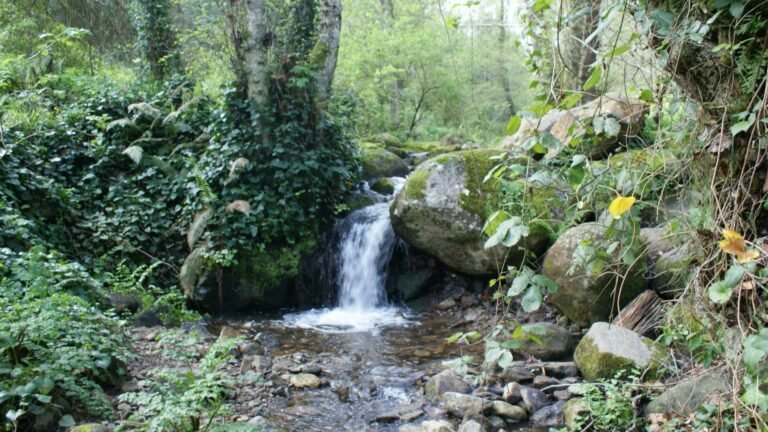
A cascade of the Asseca stream in a green hollow north of Tavira, with a deep pool and a legend of a carriage never recovered.

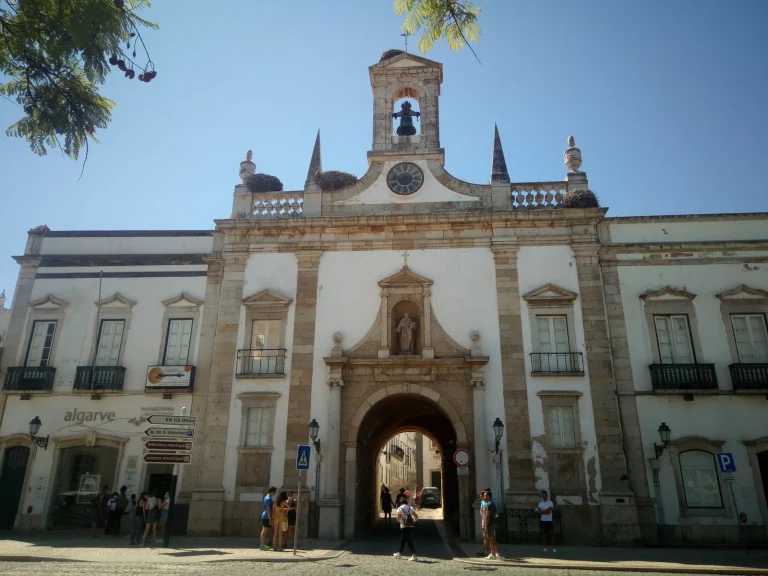
The triumphal gateway of Faro’s old town, built in 1754 over Moorish walls — the door to the cathedral quarter.

In a wooded valley below Monchique, a spa village whose warm waters have drawn visitors since Roman times — and a king in his last year.

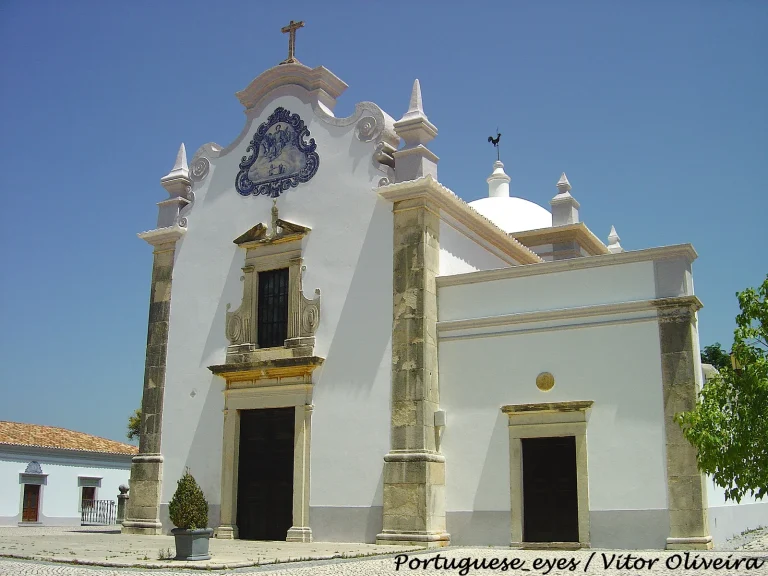
A small white chapel on a rocky promontory at Porches, inside the walls of an old sea fort, between two beaches of the central Algarve.

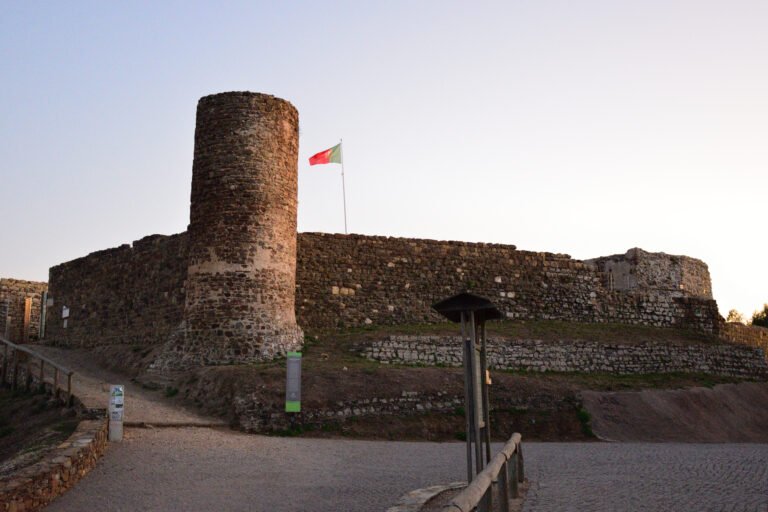
A Moorish castle of the tenth century above Aljezur, at the western edge of the Algarve where the Vicentine coast begins.

Above the Arade mouth at Praia da Rocha, the small fort of Santa Catarina guards the river — and gives the best view over Portimão’s bay.

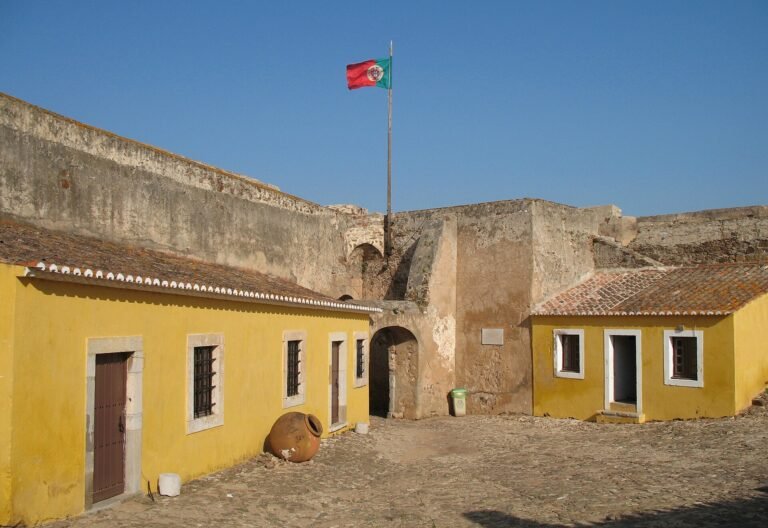
A low 17th-century fort at the water gate of Lagos, with a drawbridge, a small chapel and rampart views over the bay.

The Renaissance church of the Misericórdia in Tavira, with a portico of 1540 and one of the finest interiors of the eastern Algarve.

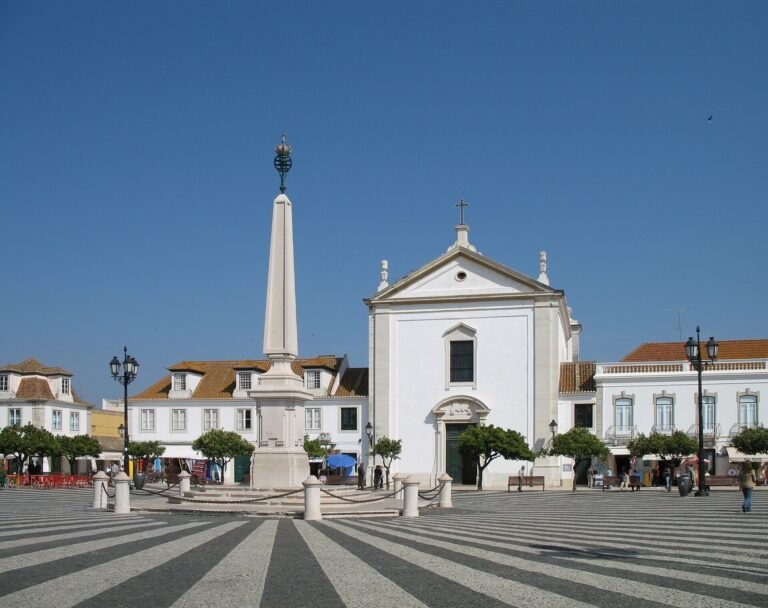
Lagos’s mother church on the Infante square: a Manueline portal of twisted rope and stone, at the heart of the discoverers’ town.

An interactive zoo in the Algoz countryside, where children feed animals by hand between mini golf, pony rides and water play.

A water park and bird park of Quarteira, with the largest wave pool of the Algarve and shows of birds of prey among the pines.

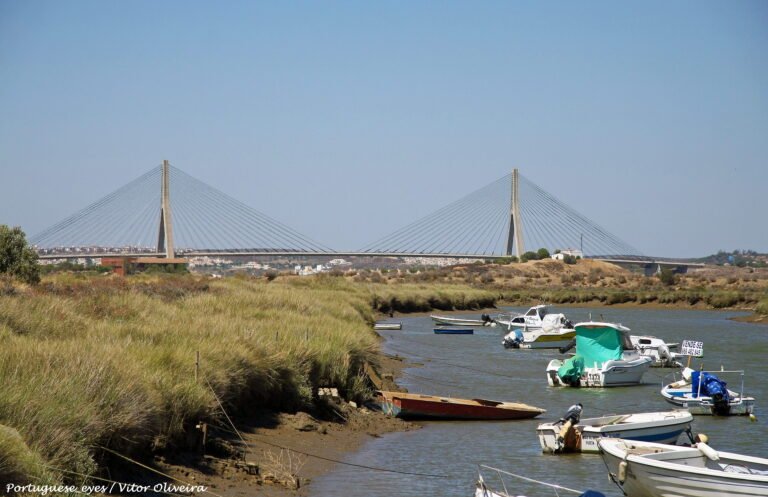
The octopus capital of the Algarve: a fishermen’s village born of a sixteenth-century chapel, with the island beach of Barril a short train of the old bridge.

A village of the Ria Formosa’s inner channel, whose sixteenth-century church of Our Lady of the Light survived the great earthquake whole.

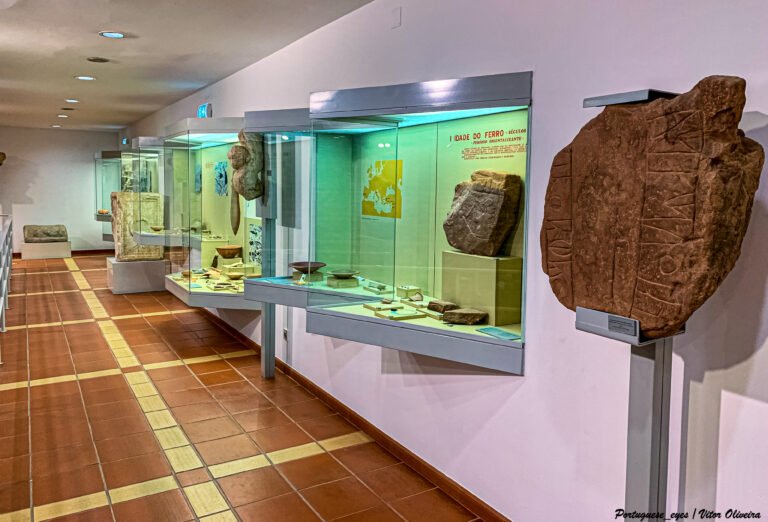
The inland parish of Lagos, where menhirs and an ancient carved stone keep the oldest traces of the Algarve’s west and the lanes climb into the barrocal hills.

The wooded hill parish behind Lagos: national forest paths, a sculpture garden among the pines and the cooler air of the Espinhaço de Cão ridge.

The orange-growing town of the Silves barrocal, whose Arabic name recalls a warrior tribe, with citrus groves and quiet lanes between coast and hills.

The white village of the Barrocal, winner of a ‘most Portuguese village’ contest in 1938, with its two springs, tiled church and waterfall pools.

The clifftop trail of the Algarve: nearly six kilometres between the Marinha and Vale Centeanes beaches, over seven hanging valleys, caves and rock arches.

The old fishing cove of the Vicentine coast between Lagos and Vila do Bispo, with a blue-flag bay, fisher lanes and dinosaur tracks in the rocks.

An old village of the Barlavento where Henry the Navigator kept a residence, with a 13th-century chapel nearby and the quiet beaches of Ingrina and Zavial.

The old tuna-fishing hamlet on the Ria Formosa, with its 17th-century fort on the hill, a water taxi to the island beach and salt pans alive with birds.

One of the Algarve’s oldest parishes, above the springs of the Arade: a medieval church, lost castles of the reconquest and a riverside park of springs.

The fishermen’s village across the Arade from Portimão, with a fort on the headland, a working quay and a string of quiet beaches along the estuary.

The old fishing bay west of Lagos, with a fortified church at its heart, Roman baths under the village and the dark cliff of the Rocha Negra above.

The citrus town of Olhão’s back country, with a Renaissance church called the finest building of the municipality and orange groves on the hills.

The inland twin of Armação de Pêra, a village of orchards on the edge of the Salgados lagoon, one of the Algarve’s richest birdwatching sites.

The Loulé parish town whose São Lourenço church keeps one of Portugal’s great azulejo interiors, between the resorts of the golden triangle and the Ria Formosa.

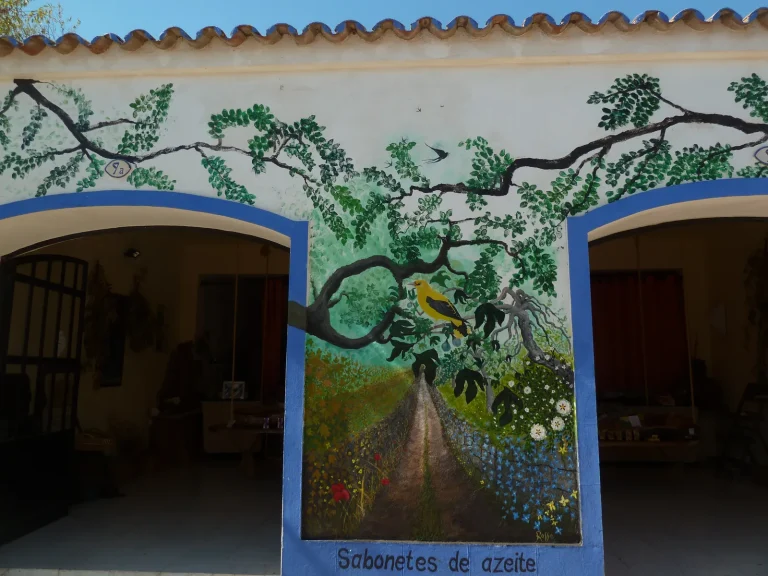
A small parish of the Lagoa municipality where hand-painted pottery saved an old Algarve craft, beside cliffs and the Rocha chapel.

The Loulé coast’s long promenade town: a former fishing village beside Vilamoura, with a fish market and two kilometres of sand.

The quiet town at the south-western tip of Europe, between the cliffs of the Costa Vicentina and the lighthouse of Cabo São Vicente.

The Algarve’s marine theme park in Guia, Albufeira: dolphins, aquarium and water attractions with an environmental education mission.

A labyrinth of wind-carved rock balconies, arches and tide pools on the cliffs east of Carvoeiro, with the famous A Boneca windows.

A broad bay of fine sand west of Albufeira, once home to tuna traps and still a base for boats launched straight from the beach.

A cliff-girt fishing village turned resort on the central Algarve, with beaches tucked between golden rock and the caves of Benagil.

The roof of the Algarve at 902 metres: a mountain summit above Monchique where both coasts can appear on a clear day.

A fishing village on the Ria Formosa, in the Olhão municipality, whose boats cross in minutes to the sand of Armona island.

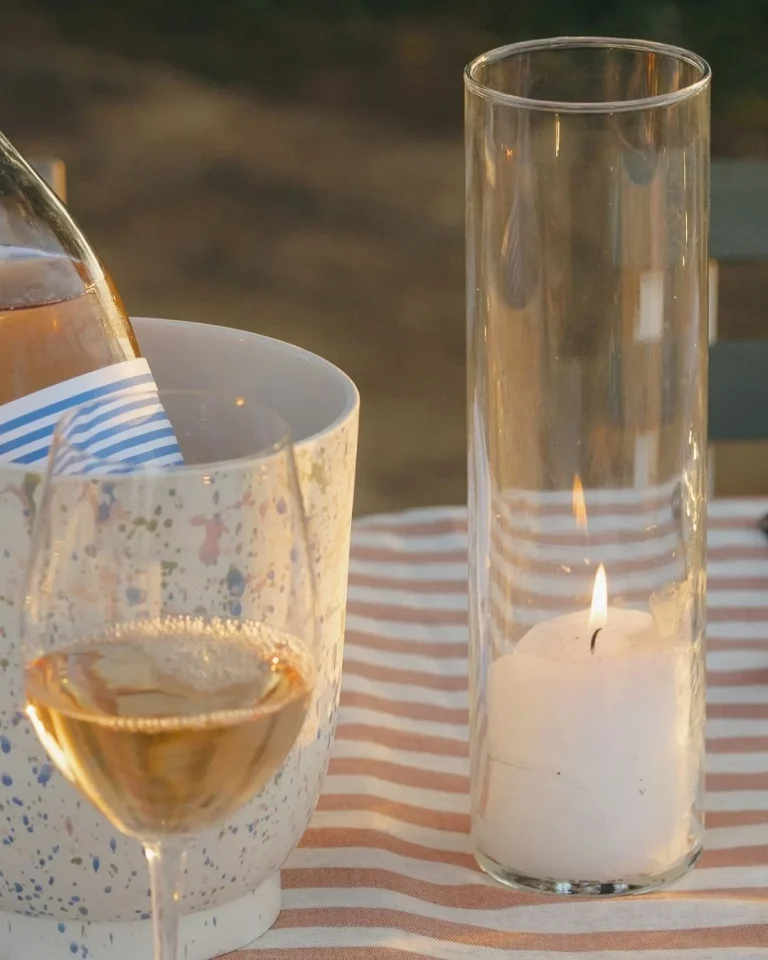
Gentle, mindful outdoor yoga among the vines at Morgado do Quintão with post-class wine and provided mats.

Hands-on candle-making workshop at Morgado do Quintão with fragrance blending, wine and a take-home scented candle.

For visitors with limited time on São Miguel, Azores but with a big curiosity to discover its amazing natural wonders. We’ll make sure you’ll get back on time to your cruise with a whole new…

One-day sensory writing retreat with guided prompts, somatic practice and a silent vineyard walk on a certified organic estate in Lagoa.

Intermediate Surf Session with a Local Pro Ready to take your surfing to the next level? Join an experienced local surf coach for an intermediate surf session on the Algarve’s beautiful South or West Coast.…

The two best boat trips in the Algarve in one: Ponta da Piedade’s grottoes and the famous Benagil Cave.

Enjoy a fun family experience at the 3D Fun Art Museum Portimão! Explore interactive 3D art, capture creative photos and make unforgettable memories.

Step into a world of 3D art and optical illusions at 3D Fun Art Museum Portimão! Explore, interact, laugh and capture unforgettable moments.

Enjoy a fun group experience at the 3D Fun Art Museum Portimão! Explore interactive 3D art, capture creative photos and make unforgettable memories.

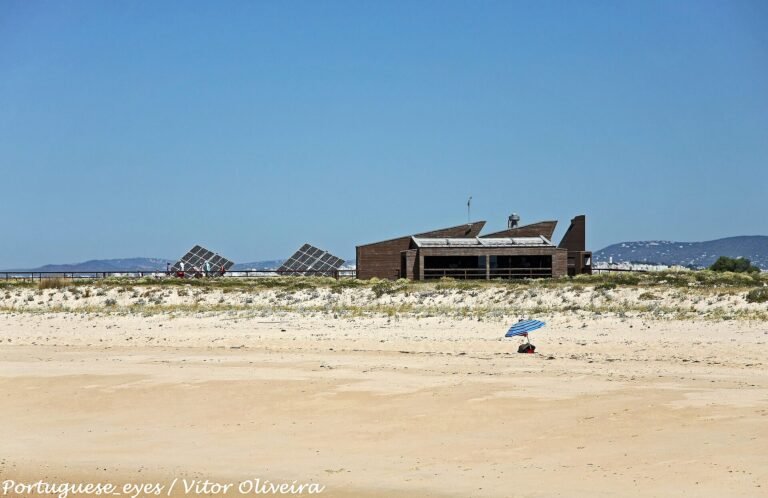
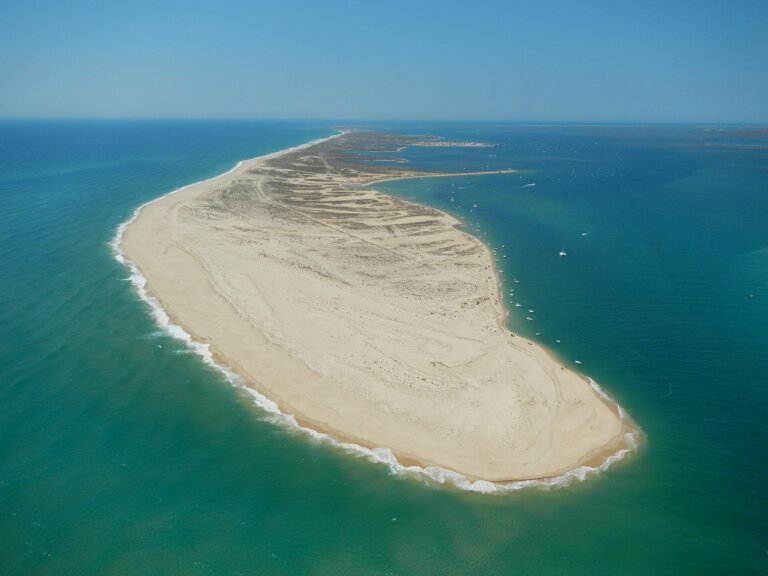
The only uninhabited barrier island of the Ria Formosa: boardwalks, dunes, a solar restaurant and the island’s long white beach.

A barrier island with a working fishing village, reached by ferry from Faro or Olhão — the Algarve at its most authentic.

The first headquarters of the Order of Christ, above the Guadiana and Portugal’s oldest nature reserve, the Sapal.

The entire town planned by Pombal after 1755 and built in two years on the Guadiana frontier, facing Spanish Ayamonte.

Tavira’s barrier island, eleven kilometres of Atlantic sand across the Ria Formosa, reached by ferry or tiny train.

Portimão’s Praia da Rocha — the Algarve beach that taught Portugal how to holiday — with ochre cliffs and carved rock stacks.

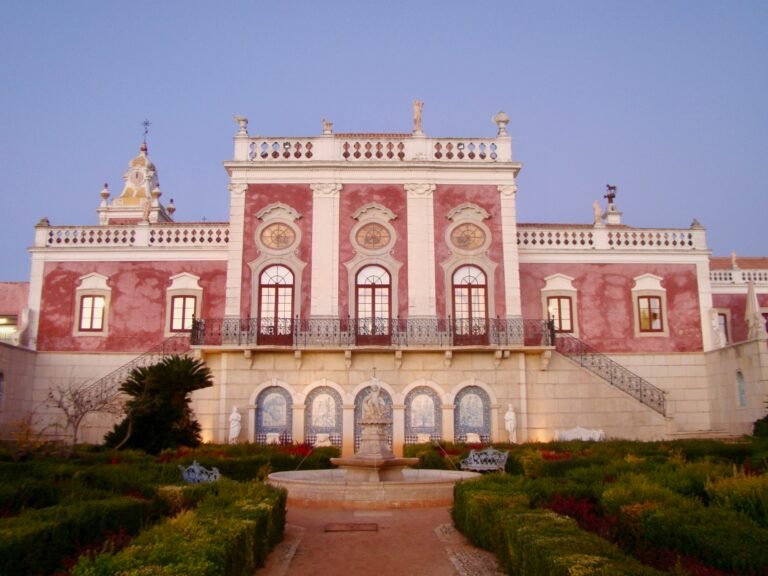
The romantic garden of the Estoi palace, with azulejos, fountains and camellias in the Algarve hills.

A covered market and famous Saturday fair in the Algarve, with fresh produce, crafts and local life.

A lively fish market on the Algarve waterfront, famous for its morning trade and the produce of the Ria Formosa.

Salt marshes at the mouth of the Guadiana, with flamingos, salt pans and a historic fort above the river.

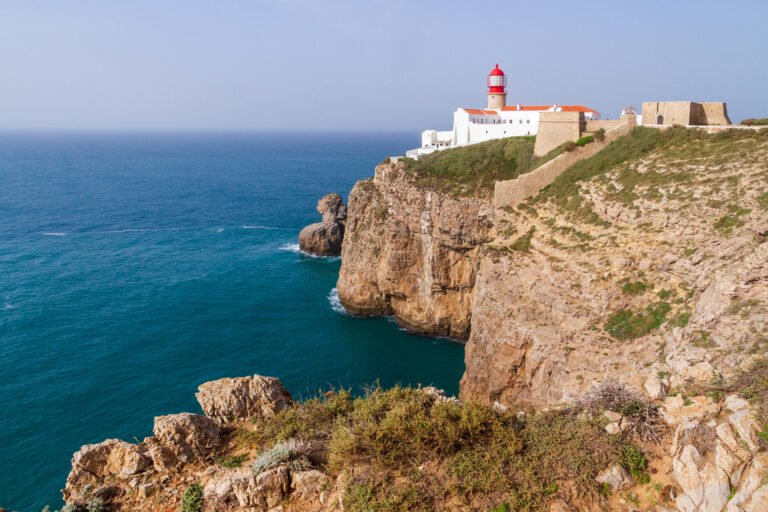
The south-westernmost point of Europe, with towering cliffs, a historic lighthouse and wide views over the Atlantic.

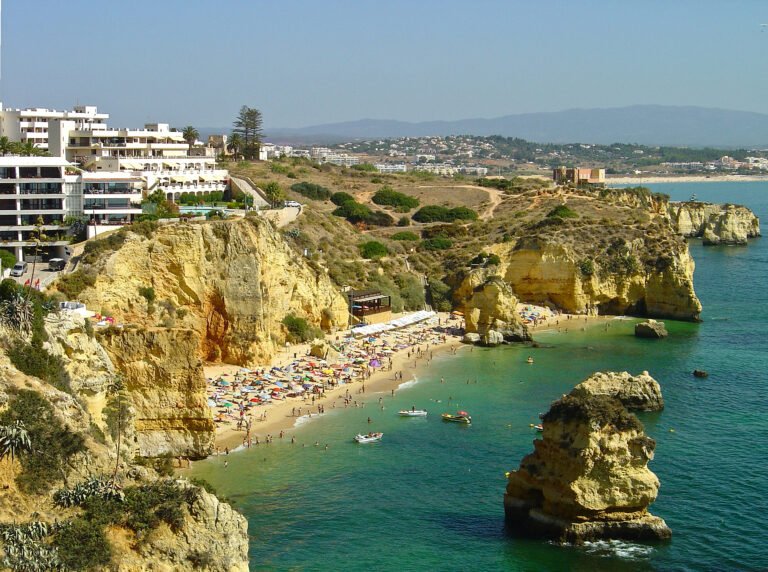
The golden cliffs and sea stacks near Lagos, one of the most photographed landscapes in the Algarve.

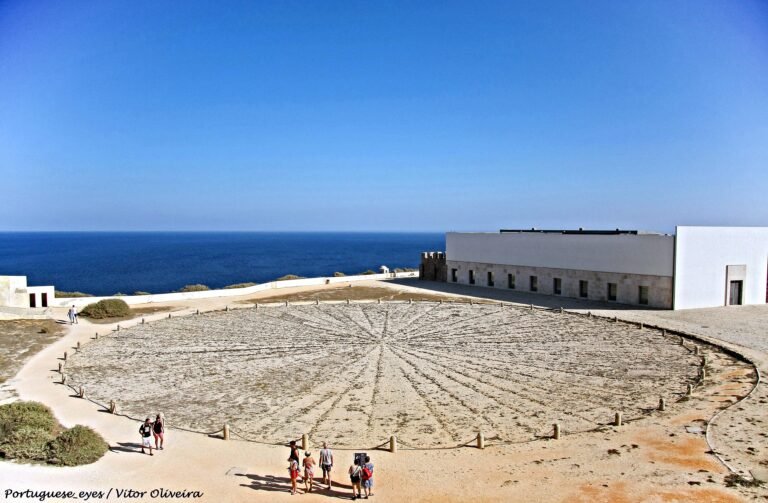
The great fortress on the cliff at Sagres, at the south-western tip of Europe, linked to the age of the discoveries.

A Roman villa near Faro with mosaics, baths and a temple, one of the most important Roman sites in the Algarve.