Filtered by: Cities & Villages
Category
Region
What are you searching for?
The history of Mafra dates back to ancient times, with evidence of Roman and Arab occupation, but it was in the 18th century that the town became a significant landmark in Portuguese history.

The history of Almada dates back to Roman times when the area was known as “Fossae,” likely due to the presence of fortifications and its important strategic role in defending the Tagus River.

The plains that extend as far as the eye can see start close to the Tagus. While to the north, the pace is set by the green of the flatlands, further south the landscape combines…

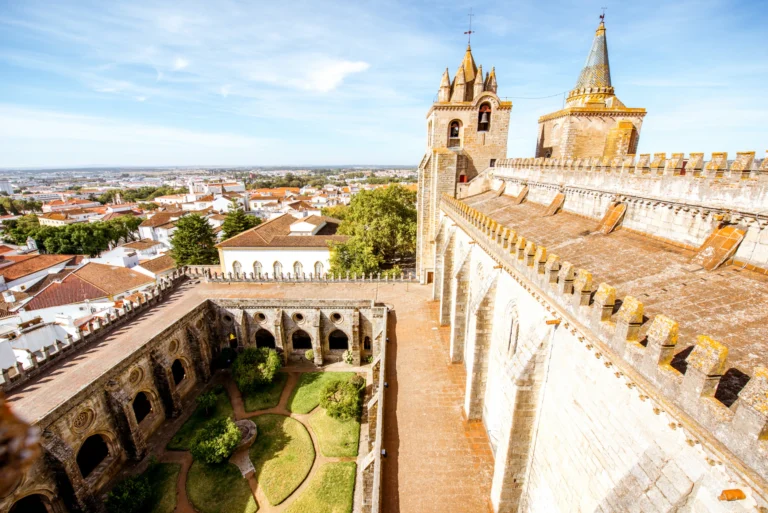
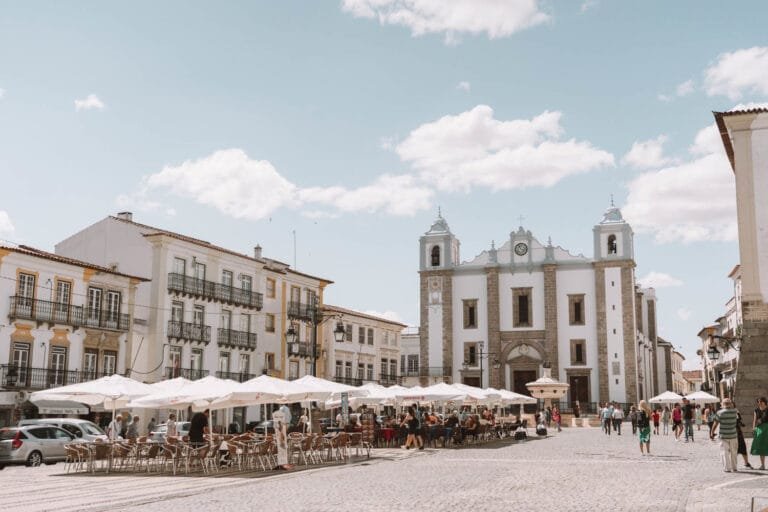
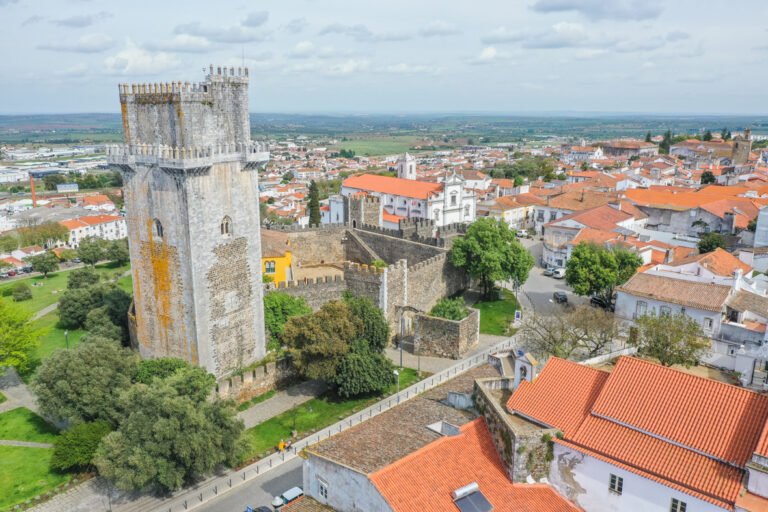
Évora has a history that spans thousands of years, holding a central place in Portugal’s history. The city has been inhabited since prehistoric times, as evidenced by the megalithic monuments found in its surroundings, such…

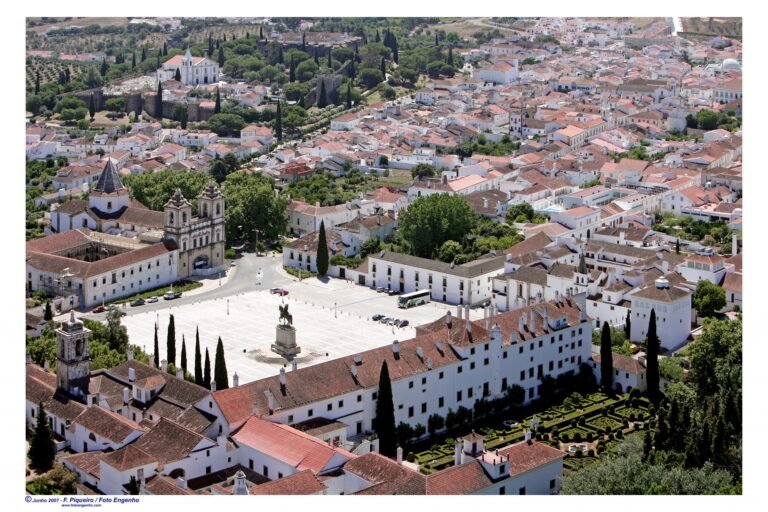
Vila Viçosa, located in the Alentejo region of Portugal, is a town steeped in history and tradition. Known as the “Princess of Alentejo,” it offers visitors a rich tapestry of architectural landmarks, cultural institutions, and…
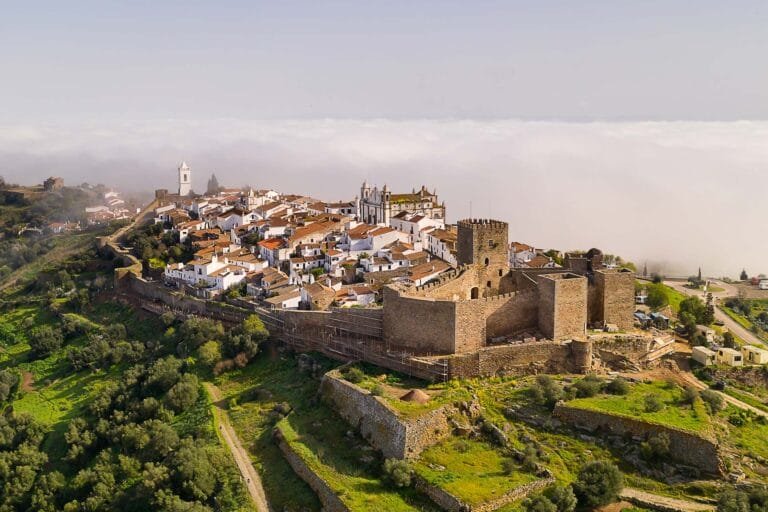
Monsaraz has a rich and multifaceted history, shaped by various civilizations that have influenced the village’s identity over the centuries. The area’s occupation dates back to Prehistoric times, as evidenced by the megalithic monuments found…

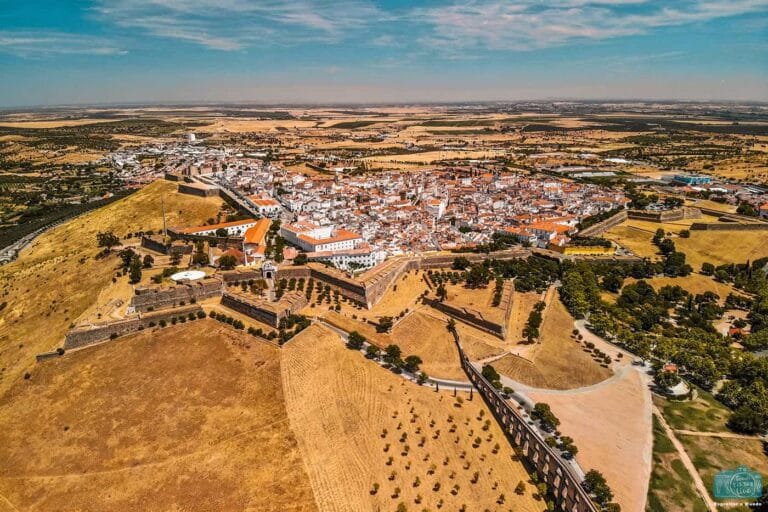
Elvas, located in the Alto Alentejo region, is a city of great historical and strategic significance in Portugal.

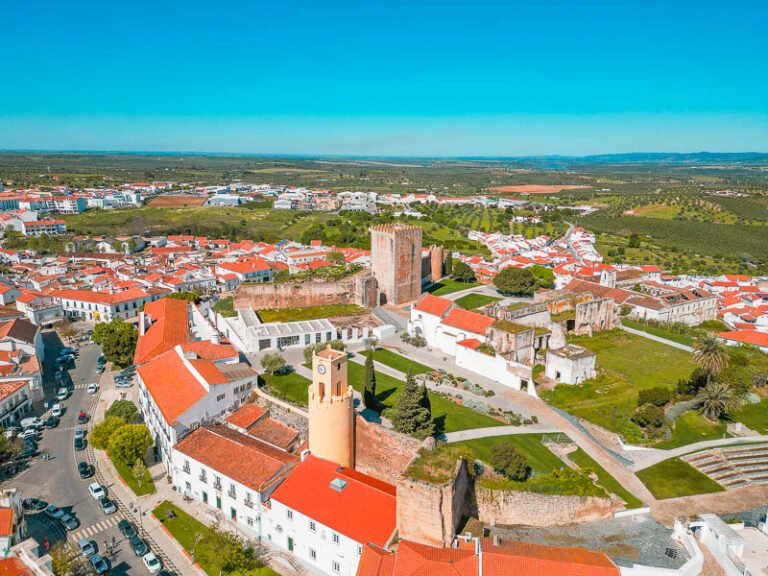
Aljustrel is a village situated in the Beja district of Portugal, with a rich history dating back to Roman times.

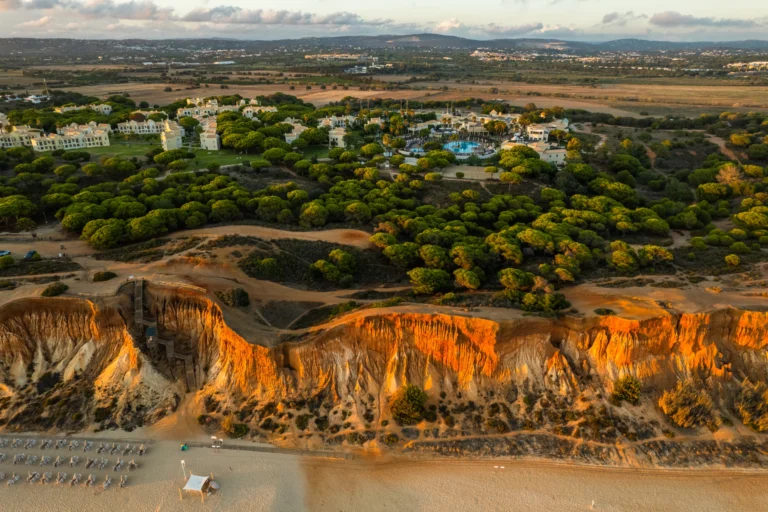
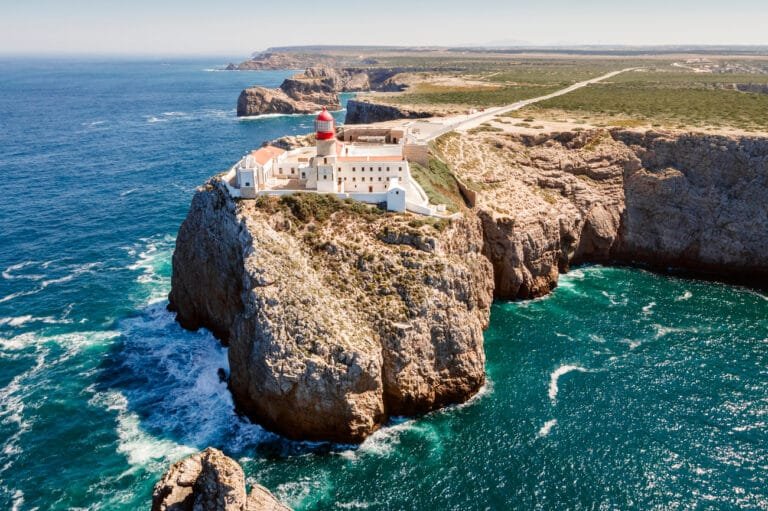
The Algarve, situated at the southernmost tip of Portugal, is one of the country’s most popular tourist regions.

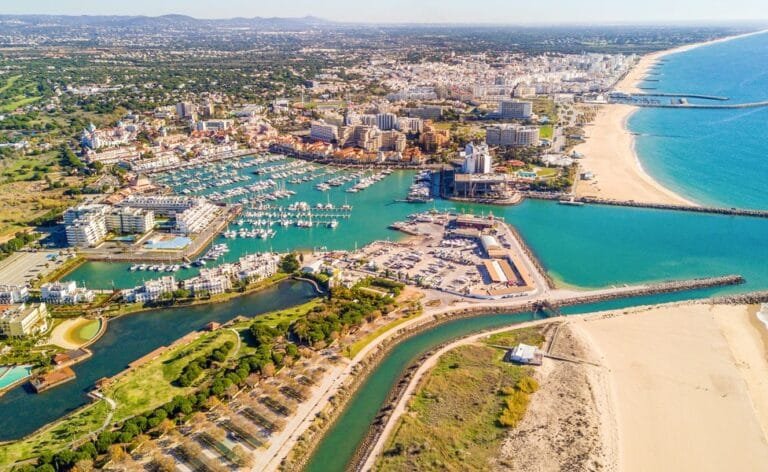
Vilamoura, despite being widely known as a modern tourist destination, has a history that dates back thousands of years. The region was inhabited by several civilizations, with notable influence from the Romans and later, the…

Silves, one of the oldest cities in Portugal, has a history that dates back to the time of the Phoenicians and Greeks. However, it was during the Islamic rule, between the 8th and 13th centuries,…

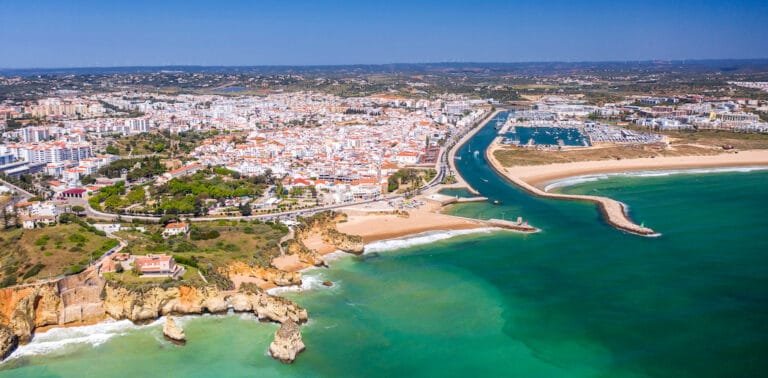
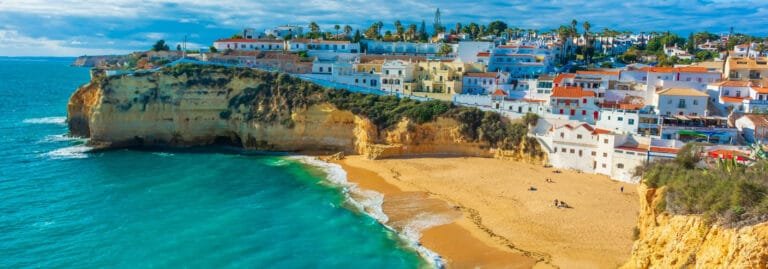
Lagos, in the Algarve, has a rich history that dates back to ancient times, having been inhabited by Celtic and Phoenician peoples. During the Roman period, the city began to gain importance due to its…

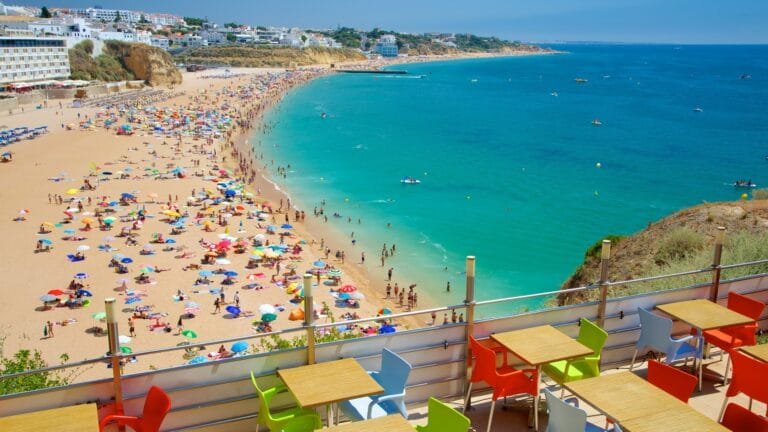
Albufeira is a destination that blends tradition with modernity, offering stunning beaches and a nightlife.

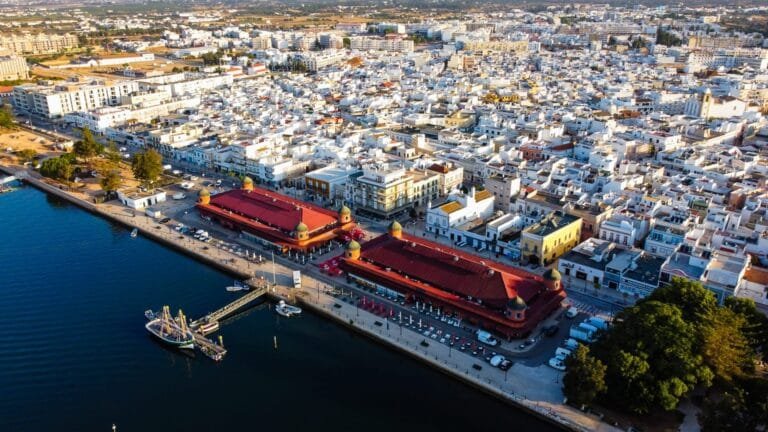
Tavira has a history that dates back to the Phoenician era, around 1000 BC, making it one of the earliest settlements in the Algarve region. The city played an important role during the Roman occupation,…

Tavira, located in the Algarve, is a city with a history that stretches back thousands of years. Founded by the Phoenicians around the 8th century BC, the city flourished as an important trading post due…

Originally inhabited by the Celts, the city was later occupied by the Phoenicians, who developed it into an important trading post.

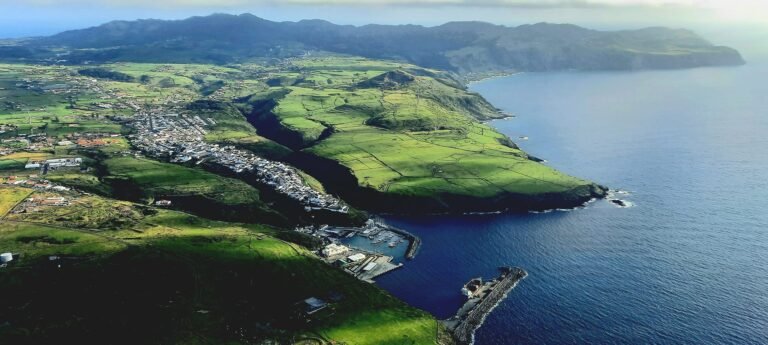
The Azores were discovered by Portuguese navigators in the early 15th century under the command of Prince Henry the Navigator. The islands were uninhabited and were colonised by the Portuguese, Flemish, and other peoples, who…

Founded in the 15th century, the city grew from a small fishing village into a urban center, reflecting a mix of traditional Azorean culture and modern influences.

Santa Cruz da Graciosa, the main town on Graciosa Island in the Azores, has a history dating back to the 15th century, with the beginning of the island’s settlement.

The name “São Roque” is a tribute to Saint Roch, the patron saint of travelers, who became an important figure for the local community.

Founded in 1439, it is the oldest settlement in the Azores and plays a central role in the island’s historical and cultural identity. Perched on a hill overlooking the Atlantic Ocean, Vila do Porto served…

Though smaller in size compared to other towns on the island, Lagoa has played a significant role in the development of São Miguel’s cultural and economic landscape. Its history dates back to the 15th century,…

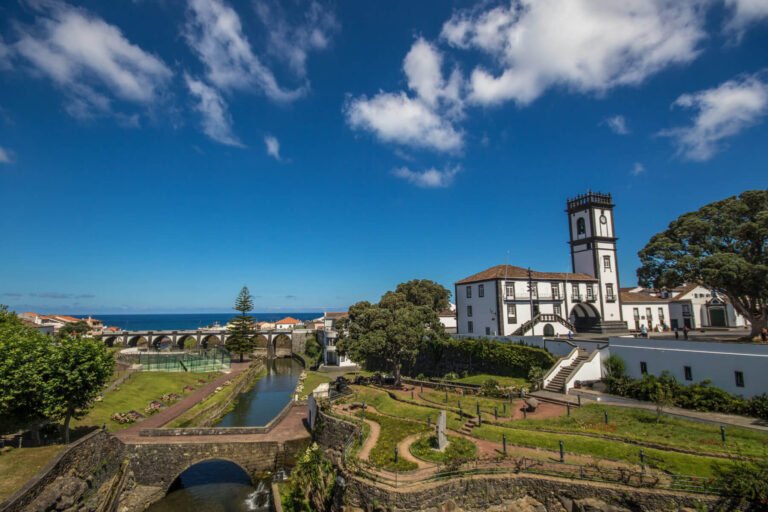
Ribeira Grande is the largest city on São Miguel’s north coast, blending volcanic landscapes, historic architecture, and a laid-back Azorean charm. It’s the perfect place to explore natural wonders while enjoying local culture and hospitality.

Located on the island of Faial, in the central group of the Azores archipelago, Horta is a charming coastal city rich in maritime history, natural beauty, and cultural vibrancy. Known as a hub for transatlantic…

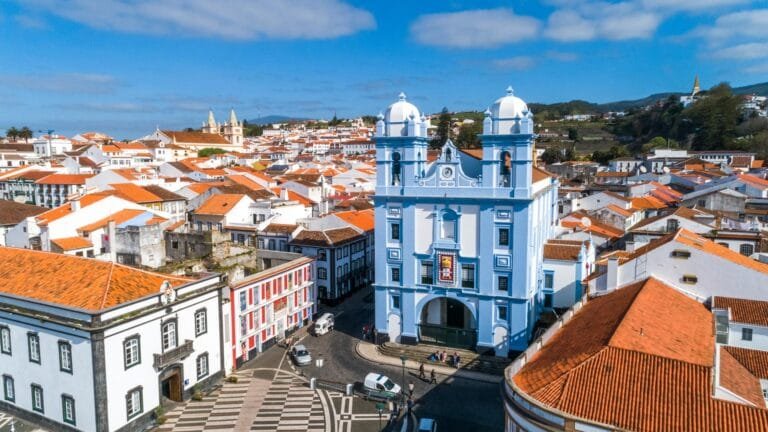
Angra do Heroísmo, located on the island of Terceira, is one of the most historic cities in the Azores.

Right in the middle of the Atlantic, the islands of Madeira and Porto Santo are a haven of natural beauty. The exotic colours of the flowers stand out from among the blue sea and the…

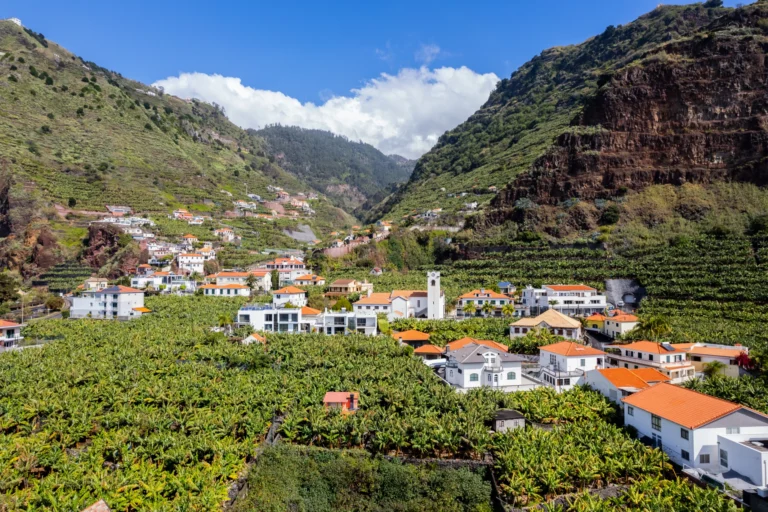
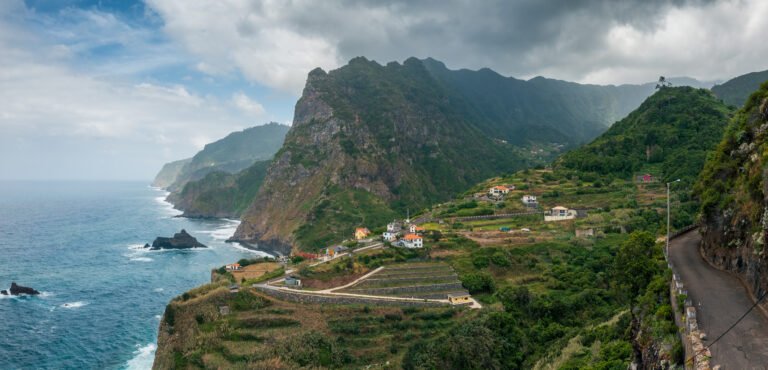
São Vicente is a charming village on Madeira’s north coast, known for its volcanic caves, lush landscapes, and stunning ocean views. It offers a perfect mix of nature, history, and tranquility.

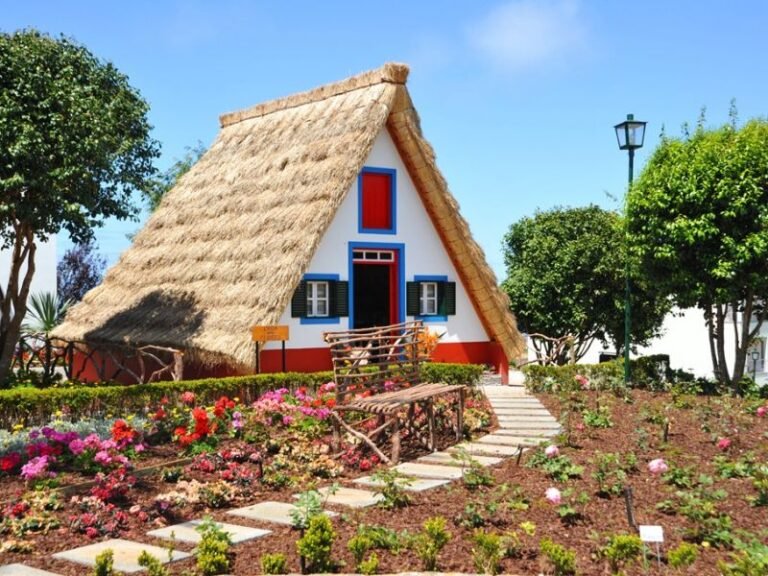
Located on the northern coast of Madeira, Santana is a picturesque village best known for its iconic thatched triangular houses, known as “casas típicas.” These charming, colorful homes are a symbol of Madeiran heritage and…

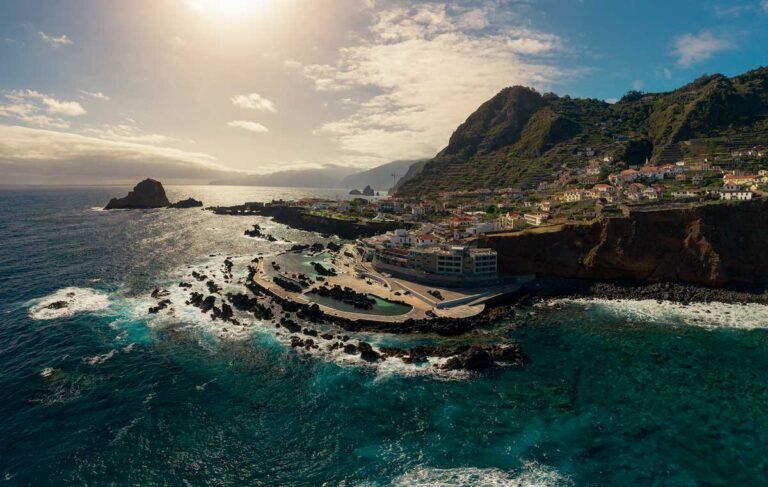
Nestled on the rugged northwestern coast of Madeira, Porto Moniz is famed for its breathtaking natural lava pools and dramatic ocean views. This charming coastal village combines unspoiled nature, traditional culture, and delicious local cuisine,…

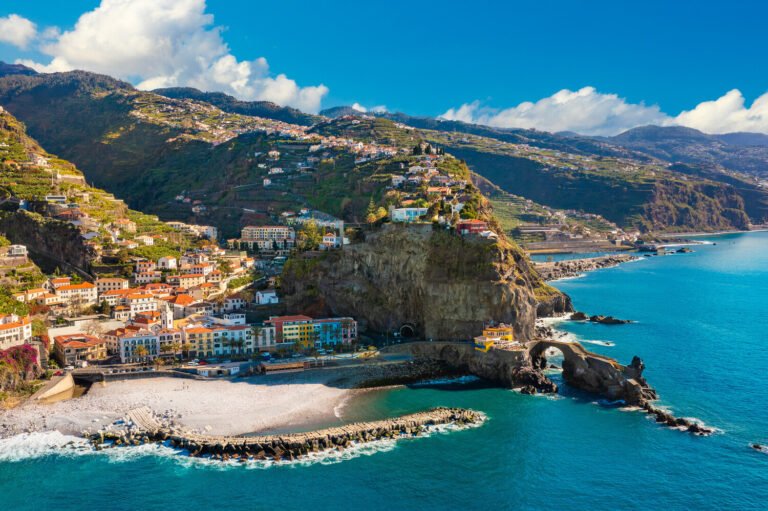
Ponta do Sol is Madeira’s sunniest village — a dreamy coastal gem nestled between cliffs and sea. With colorful streets, sea-view cafés, and golden sunsets, it’s the perfect place to slow down and soak in…

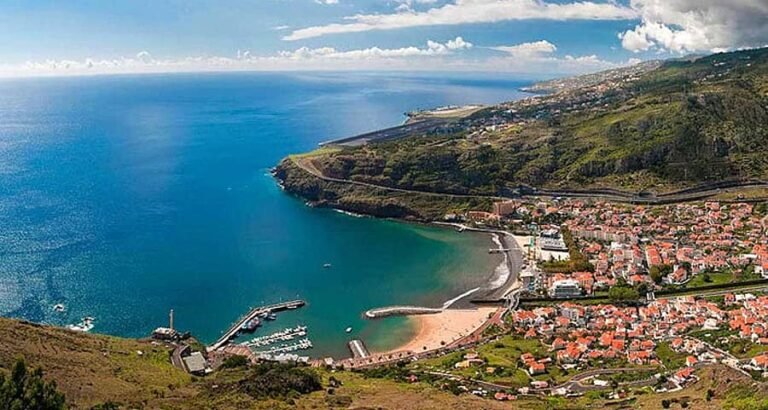
According to legend, Machico Bay was the site where the English couple Robert Machim and Anne d’Arfet were shipwrecked in the 14th century, an event that supposedly inspired the town’s name. However, this story is…

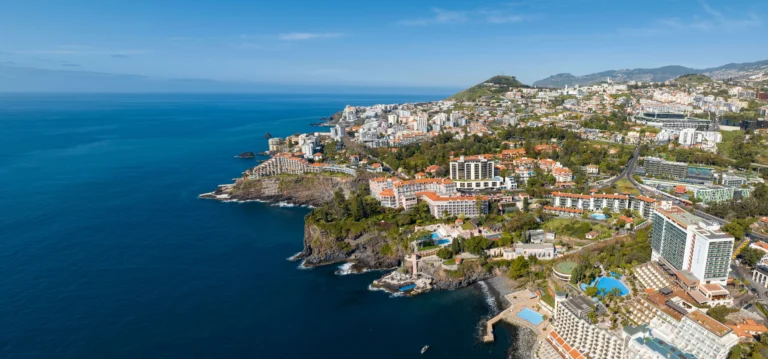
The history of Funchal dates back to the early 15th century when Portuguese navigators arrived on the island of Madeira in 1419, led by João Gonçalves Zarco and Tristão Vaz Teixeira.